
Understanding Forex Trading in South Africa
📈 Explore forex trading in South Africa with a clear guide on currency markets, trading strategies, risks, and practical tips to help you trade smarter today.
Edited By
Emily Prescott
Forex trading, or foreign exchange trading, involves swapping one currency for another, aiming to profit from exchange rate changes. It's the largest financial market globally, with over $6 trillion exchanged daily. In South Africa, this market offers accessible opportunities for traders and investors to diversify portfolios beyond local assets.
Unlike the JSE, forex operates 24 hours a day from Monday to Friday, allowing for trading flexibility that suits different schedules. You might catch the market open in London while it’s still early morning at home in Johannesburg. This continuous action also means price movements can be swift, demanding constant attention or automated tools for some traders.
Access to global currencies: Exposure to major pairs like USD/ZAR and EUR/USD.
Leverage options: Many local brokers offer leverage, though it's a double-edged sword requiring care.
Liquidity: Forex markets are deep and liquid, typically offering tight spreads.
That said, forex isn’t without risk. Its volatility can be daunting, especially with sudden political or economic changes affecting the rand. Remember, high leverage can quickly wipe out capital if trades aren't managed carefully.
Beginner traders often underestimate the importance of understanding forex jargon and market mechanics. Taking time to learn terms like "pip," "lot size," and "spread" is as essential as tracking price movements.
South African traders should also consider local regulations. Trading through Financial Sector Conduct Authority (FSCA)-licensed brokers ensures a level of consumer protection and transparency.
In this guide, you'll find practical tips tailored for South Africans looking to start or sharpen their forex journey. From market basics to risk management strategies, expect clear explanations grounded in everyday trading realities.
Whether you’re a financial analyst wanting to grasp forex fundamentals or a broker aiming to advise clients better, understanding these essentials will help you navigate the fast-moving currency arena with more confidence.
Ready to get a firmer grip on forex trading? Let’s break down the core concepts and what you can expect.
Understanding how forex trading operates is essential for anyone keen to engage with currency markets, especially South Africans who face unique economic factors like rand volatility and exchange controls. Knowing what forex trading is and how it works helps you make informed decisions and manage risks effectively.
Forex trading is essentially the buying and selling of one currency against another. For example, if you believe the euro (EUR) will strengthen against the US dollar (USD), you would buy EUR/USD. This swap happens continuously in the forex market, reflecting economic news, interest rates, and geopolitical events. For South African traders, the rand's (ZAR) movement against major currencies like the USD or EUR often indicates trade opportunities.
Unlike stock markets, forex operates 24 hours a day across global financial centres like London, New York, and Tokyo. This decentralised market has no physical exchange; it runs electronically through a network of banks, brokers, and trading platforms. For traders in South Africa, this means the chance to trade almost anytime, but also requires a grasp of different market sessions to spot the best opportunities.
Major pairs include currencies like EUR/USD, USD/JPY, and GBP/USD, which see the highest liquidity and tighter spreads, making them cost-effective for trading. Minors involve pairs without the USD, like EUR/GBP or AUD/NZD. South African traders often keep a keen eye on USD/ZAR—the rand’s performance against the greenback—as it is volatile and impacted by local economic factors like commodity prices and political developments.
Spot trades involve immediate exchange of currency at the current market rate. It’s the most common form of forex trading for retail traders. Forwards and futures are contracts to buy or sell currencies at predetermined prices on future dates, often used by businesses to hedge risks. Most South African retail traders deal with spot markets via their brokers, but institutions might use forwards to safeguard against rand fluctuations.
Brokers act as intermediaries, providing access to the forex market through trading platforms like MetaTrader 4 or 5, cTrader, and proprietary offerings. They offer tools for analysis, charting, and order execution. Choosing an FSCA-regulated broker ensures your funds’ safety and adherence to local laws. Many platforms offer demo accounts, helping South Africans practice without losing real money.
When you start a trade, you open a position by buying or selling a currency pair. Closing the position occurs when you execute a trade in the opposite direction, locking in profit or loss. For example, if you bought USD/ZAR expecting the rand to weaken, you'd close the position by selling USD/ZAR. Timing these moves requires understanding market trends and staying updated on economic data releases relevant to South African and global markets.
Grasping the fundamentals of what forex trading is and how transactions work lays the groundwork for a safer, more strategic trading journey—especially when tailoring strategies to South African circumstances.
Gaining a solid grip on forex trading starts with understanding its key terms and concepts. These serve as the language of the market, letting you make sense of price moves, execution costs, and risks. Especially for South African traders navigating local brokers and volatile markets, knowing such terms can make trading more practical and less like guesswork.
Pips, lots, and leverage are foundational in forex. A pip refers to the smallest price increment in a currency pair, usually the fourth decimal place. For example, if the USD/ZAR rate moves from 18.5300 to 18.5350, that’s a 5-pip change. This precision helps traders measure gains or losses reliably.
Lots denote the size of your trade: a standard lot is 100,000 units of the base currency but many brokers allow mini (10,000), micro (1,000), or even nano lots. This flexibility helps you manage risk or start small. Leverage means trading with borrowed funds, allowing you to control a larger position with less capital. For instance, 1:100 leverage permits R1,000 to control R100,000 worth of currency. While this amplifies profits, it equally magnifies losses, so it’s vital to use it cautiously.
The spread is the difference between the bid (selling) price and ask (buying) price of a currency pair, effectively a cost you pay to the broker. For instance, if USD/ZAR’s bid is 18.5220 and the ask is 18.5240, the spread is 20 pips. Brokers in South Africa may offer fixed or variable spreads, and a tighter spread reduces your trading costs.
Margin refers to the money you must set aside to open a leveraged position. If you want to trade R100,000 with 1:100 leverage, you'll typically need to put up R1,000 as margin. Think of it as a security deposit—if losses exceed this, you may face a margin call, requiring you to top up funds or close positions.
The role of supply and demand is simple but key: if more people want to buy a currency than sell it, its value increases, and vice versa. This push and pull reflect global trade, investment flows, and confidence. In the South African context, demand for the rand rises during positive economic data or political stability.
Influence of economic indicators is crucial. Reports like South Africa’s Consumer Price Index (CPI), interest rate announcements by the South African Reserve Bank (SARB), or job numbers can cause sharp moves. For example, a surprise SARB interest rate hike often strengthens the rand as it attracts foreign capital.
Impact of geopolitical events also shapes forex markets. Political unrest, trade tensions, or even unexpected policy changes can trigger volatility. Consider how load-shedding announcements or strikes in key industries affect investor sentiment toward the rand. Global events like US-China trade friction also ripple through emerging markets including South Africa.
Understanding these terms and market drivers puts you in the driver’s seat — ready to react rather than just watch. Familiarity helps you assess trades realistically and safeguard your funds in unpredictable conditions.
Trading forex offers some clear benefits but comes with its share of risks, especially for retail traders in South Africa. Knowing the pros and cons helps you weigh whether forex fits your investing goals and risk appetite.
The forex market is one of the most liquid in the world, meaning you can buy or sell currencies quickly without worrying about finding a counterparty. This liquidity mainly comes from massive global trading volumes, which also keeps spreads—basically the cost of trading—tight. For South African traders, this means entering and exiting trades at fairly predictable prices, even during regular market hours.
Accessibility is another plus. Unlike stock markets that close after hours, forex operates 24 hours a day, five days a week. This flexibility suits South Africans with jobs or family commitments who want to trade outside typical office times. Plus, many brokers offer mobile platforms you can use anytime from Johannesburg to Durban.
A unique aspect of forex trading is you can potentially profit whether a currency's value goes up or down. This is because traders can go ‘long’ (buy) if they expect the value to rise, or ‘short’ (sell) if they predict a fall. For example, if you expect the Rand (ZAR) to weaken against the US dollar, you might sell ZAR/USD and gain if the Rand depreciates.
This flexibility opens more opportunities compared to investing in shares, which mainly profits if a company’s stock price rises. But keep in mind that profits here depend largely on accurately predicting market directions.
Most brokers, including those regulated in South Africa, offer free demo accounts which let you practise trading with virtual money. This hands-on exposure is invaluable before you risk real cash. Demo accounts simulate live market conditions and help you learn how to place trades, manage orders, and understand market behaviour.
Additionally, many platforms and independent educators offer resources such as video tutorials, webinars, and guides tailored to South African traders. This focus on education helps new traders develop skills and avoid costly beginner mistakes.
Forex markets can be highly volatile. Sudden moves might come from global events like unexpected interest rate changes or geopolitical tensions. For a South African trader, such volatility can cause rapid losses if you’re on the wrong side of a trade.
A notable example is when the Rand suddenly drops due to local political uncertainty or negative economic news. Some traders may find their positions quickly underwater if they do not manage risk with stop-loss orders or position sizing.
Leverage allows you to control a large trade with a relatively small amount of capital. While this can amplify profits, it equally magnifies losses. For instance, with 50:1 leverage, a 2% adverse move can wipe out your entire trading capital.
South African regulators limit leverage for retail traders to protect them, but you should still be cautious. Going overboard with leverage often leads traders into steep losses faster than expected.
The forex world attracts scams, including unregulated brokers, promises of guaranteed profits, or dubious signal services. For South African traders, it is crucial to choose brokers registered with the Financial Sector Conduct Authority (FSCA). Using unregulated platforms can lead to losing your funds without recourse.
Always verify broker credentials, read reviews, and test platforms with demo accounts first. Never fall for offers that sound too good to be true—if a broker guarantees profits or pressure you to deposit more, be wary.
Being aware of both the upsides and pitfalls equips you to trade forex more responsibly and avoid common traps, especially in a market as dynamic as ours.
Starting with forex trading in South Africa involves more than just picking a broker and opening an account. It’s about understanding how the local regulations shape your choices and ensuring that you’re stepping into a secure and transparent environment. For South African traders, factors like FSCA registration, payment methods, and customer support all carry distinct practical weight amid our market and regulatory landscape.
The FSCA regulates financial services in South Africa, including forex brokers operating within the country. Choosing a broker registered with the FSCA means you’re dealing with a company that has met minimum standards for honesty, financial stability, and fair treatment of clients. This registration helps protect you from scams and shady operators, which are unfortunately a concern in the unregulated forex space.
Since the FSCA periodically publishes an updated list of registered brokers, you can verify a broker’s status easily. For example, many well-known platforms like IG or HotForex hold FSCA licences, giving South African traders peace of mind.
Costs eat into your potential profits, so it’s crucial to compare broker fees carefully. Brokers make money primarily through the spread — the difference between the bid and ask price — and sometimes through commissions or overnight financing fees. Some promise tight spreads but pile on hidden charges.
Look out for brokers offering competitive spreads on major currency pairs like USD/ZAR or EUR/USD, but don’t neglect less common pairs you may want to trade. For instance, a broker might show a razor-thin spread on GBP/USD but much wider spreads on emerging market currencies, which could affect your trading strategy.
A slick, easy-to-use trading platform can save you headaches. Whether you’re using MetaTrader 4, MetaTrader 5, or proprietary platforms, make sure the interface suits your style. Mobile apps are essential if you want to trade or monitor markets on the go, especially with South Africa’s thriving mobile economy.
Plus, dependable customer support matters. South African traders often face issues with deposit delays or technical glitches. Choose brokers that offer live chat or local call centres with responsive staff familiar with the South African market and banking systems.
To comply with South African financial laws, brokers require identification and address proof during account opening. This typically includes your South African ID document and a recent utility bill or bank statement.
This process isn’t just bureaucratic red tape — it helps prevent money laundering and ensures traders comply with Financial Intelligence Centre Act (FICA) requirements, which South Africans deal with regularly in banking.
Local traders appreciate brokers offering convenient deposit options. Common methods include EFT (Electronic Funds Transfer), credit or debit cards, and increasingly popular digital wallets like Skrill or Neteller.
One should note that depositing via EFT from a South African bank might take a day or two but is generally reliable and cost-effective. Credit card deposits are instant but sometimes carry extra fees. Verify whether the broker charges for inbound or outbound transfers as hidden fees can add up.
Before risking real money, demo accounts are invaluable for familiarising yourself with trading platforms and testing strategies without financial pressure. South African brokers generally offer free demo accounts with virtual funds.
Take advantage of these to understand order execution, chart features, and risk management tools. For example, you might want to simulate trading USD/ZAR to see how spreads and volatility affect your decisions before committing cash.
Starting carefully with a reputable broker and a clear understanding of funding and platform usability lays a solid foundation for your forex trading journey in South Africa. Always verify licences and test platforms before going live to trade your hard-earned Rand.
Having access to the right resources and educational materials is vital for anyone looking to trade forex confidently. These tools not only help you understand complex concepts but also offer practical strategies to navigate the fast-moving forex market. For South Africans especially, selecting resources that consider local market conditions, regulatory frameworks, and currency nuances can make a real difference.
Recommended South African forex guides provide tailored insights relevant to the local trading environment, including factors like the rand’s volatility and FSCA regulations. These guides clearly break down how to choose brokers registered with the Financial Sector Conduct Authority (FSCA) and explain common pitfalls to avoid. For example, the South African Financial Markets Association (SAFMA) offers clear, locally focused explanations of regulatory compliance that help traders steer clear of unregistered brokers.
Where to find reliable PDF resources is another important consideration. Trusted PDFs from regulatory bodies, well-known brokers, or established financial education providers are a great way to build foundational knowledge offline. Many local brokers and training providers offer downloadable guides covering everything from basic forex terminology to advanced trading strategies. It's best to avoid random downloads from unknown sites, as outdated or misleading documents can cause costly errors.
Local and international courses tailored for beginners are increasingly popular among new traders. South African platforms like Investec and online academies such as the SA Forex Academy present courses specifically adapted to the South African market, including the impact of Eskom loadshedding on trading timings. Meanwhile, global providers offer comprehensive modules on technical analysis, risk management, and trading psychology. Many of these courses provide interactive webinars or one-on-one mentorship, which helps bridge the gap between theory and practical application.
Popular trading platforms suitable for South Africans include MetaTrader 4 and 5, which remain industry standards due to their flexibility and widespread broker support. Local players like Plus500 and IG Markets also offer platforms adapted for rand trading with competitive spreads and robust customer support. Choosing a platform aligned with your trading goals and device preferences—be it desktop or mobile—is critical for seamless execution.
Mobile apps for monitoring and executing trades are essential for modern traders managing positions on the go. Apps offered by brokers such as Standard Bank's Webtrader and FNB's Invest app integrate banking and trading functions, streamlining deposit and withdrawal processes. They also send real-time alerts and news updates, enabling traders to react promptly to market shifts.
Sources for market news and analysis form the backbone of informed decision-making. South African traders often rely on MyBroadband for tech and market updates, BusinessTech for economic news, and Bloomberg or Reuters for global events affecting forex. Combining local news, which captures factors like Rand movements due to municipal developments or political shifts, with international insights ensures a well-rounded market view.
Consistently using quality resources helps you move beyond guesswork towards calculated, informed trades that fit the South African context and your personal risk appetite.
📈 Explore forex trading in South Africa with a clear guide on currency markets, trading strategies, risks, and practical tips to help you trade smarter today.
💱 Discover how forex trading companies operate in South Africa, what services they offer, and how to pick wisely for safe, confident trading in local markets.
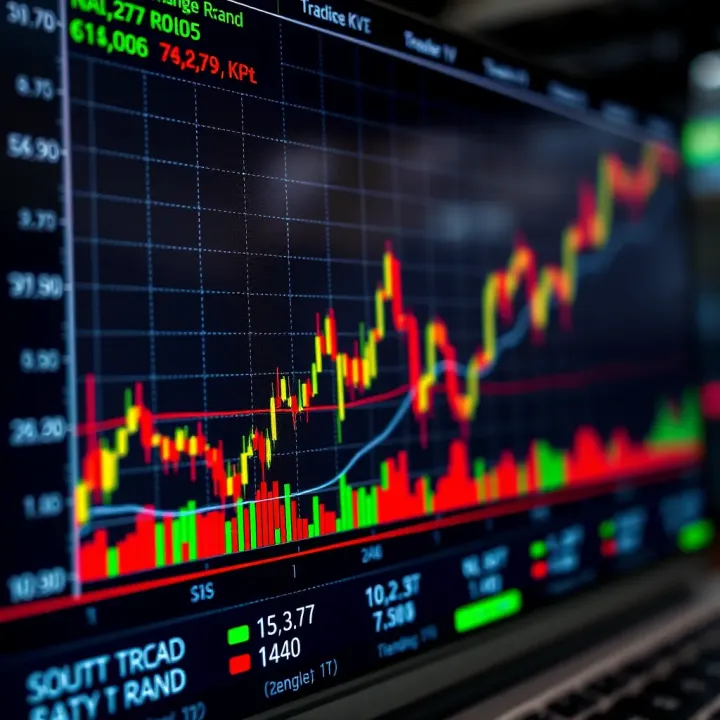
Explore forex trading in South Africa 🇿🇦: learn how it works, local regulations, key players, platforms, strategies, and tips to trade safely and smartly.
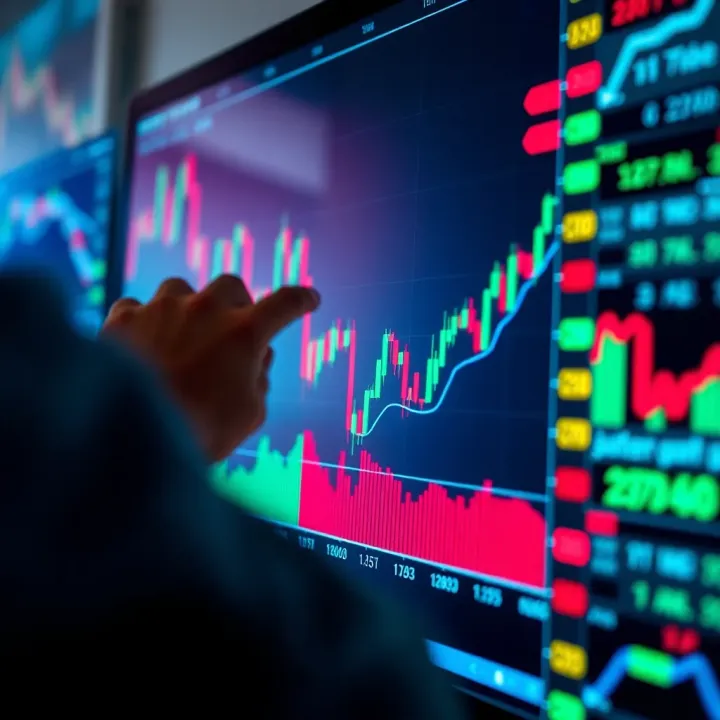
Ready to trade forex with confidence? 💹 Learn smart risk management, market basics, and strategies made for South African traders to build lasting success.
Based on 5 reviews