
Understanding Forex Trading Scams in South Africa
🚨 Learn to spot and avoid common forex trading scams in South Africa. Stay informed on warning signs and protect your investments confidently. 💼💡
Edited By
Oliver Bennett
Forex trading offers an accessible way to engage with global finance, but success depends on understanding key principles, especially for South African traders navigating unique market conditions.
South Africa’s exchange controls, local taxation on foreign earnings, and specific brokerage options create a distinctive trading environment. Recognising these factors helps traders avoid common pitfalls early on.
Most traders start without a solid plan and quickly fall foul of emotional decisions driven by greed or fear. Developing discipline and a tested strategy is crucial before risking your hard-earned Rand.
Consistent profitability in forex doesn’t come from chasing every market tip but from diligent study, risk management, and adapting to changing global and local market dynamics.
Starting point for any South African trader involves:
Understanding forex basics: currency pairs, pips, leverage, margin, and spreads
Choosing a regulated broker that complies with South African regulations and offers clear Rands funding
Setting realistic goals aligned with your risk tolerance and trading capital
Keep in mind that forex is not a shortcut to wealth. Markets react to geopolitical events, commodity prices (gold, platinum), and the rand’s performance, all of which South African traders should monitor closely.
Lastly, mastering trading platforms and tools like MT4, MT5, or web-based broker platforms preferred here makes execution smooth and speeds up your learning curve.
Building a strong foundation through knowledge and practical experience is the first step to a sustainable forex trading journey in South Africa.
Grasping the fundamentals of forex trading is essential for anyone looking to participate profitably in the foreign exchange market. South African traders, in particular, must understand the market's nuts and bolts to navigate its complexities effectively and to avoid costly mistakes. The forex market operates differently from stock or commodity markets, with distinct currency pairs, exchange rate mechanics, and key players influencing price movements daily.
Forex trading always involves buying one currency while simultaneously selling another—these are known as currency pairs. Each pair shows how much of the quote currency you need to buy one unit of the base currency. For example, the USD/ZAR pair reflects how many South African rand are needed to buy one US dollar. Understanding pairs helps traders assess currency strength against each other, crucial when deciding when to enter or exit trades.
Pairs are typically categorised into majors, minors, and exotics. The USD/ZAR is considered an exotic pair because it involves an emerging market currency. This means spreads tend to be wider, and liquidity can be lower compared to majors like EUR/USD. A South African trader needs to consider these factors for cost efficiency and timing.
Currency values fluctuate because of supply and demand affected by economic data, geopolitical events, and market sentiment. When investors anticipate higher interest rates in the US, for example, demand for USD rises, pushing up its value against other currencies including the rand. Exchange rates also respond to trade balances; a country importing more than it exports usually sees depreciation in its currency due to higher foreign currency demand.
Rates at any moment result from countless individual trades reflecting these factors. For example, if South Africa announces better-than-expected GDP growth, traders may buy ZAR in response, causing the USD/ZAR rate to drop. Understanding these drivers helps traders anticipate price moves rather than just react.
Major currencies dominate the forex market, accounting for the bulk of daily volume. These include the US dollar (USD), euro (EUR), Japanese yen (JPY), British pound (GBP), Swiss franc (CHF), Canadian dollar (CAD), and Australian dollar (AUD). The USD tends to be the main reserve currency globally, affecting most forex transactions.
For South African traders, the USD and EUR hold particular importance since many trade goods are priced in these currencies. Movements in these majors often ripple through exotic pairs like USD/ZAR. Keeping an eye on major currency trends is key to understanding broader market sentiment.
Large banks and financial institutions handle the lion's share of forex volumes, often executing trades for their clients or managing currency risks for their own portfolios. They contribute to market liquidity and price discovery.
For traders in South Africa, knowing that these big players can affect market swings highlights the importance of timing and order size. For instance, sudden moves might happen around the US or European market open times when banks ramp up trading.
Retail traders - individual investors - participate via brokers who provide access to trading platforms. In South Africa, brokers must comply with the Financial Sector Conduct Authority (FSCA) regulations, ensuring client protection and fair trading conditions.
Retail traders face challenges like wider spreads and slippage compared to institutional players but gain accessibility and leverage options. Choosing a reputable broker with transparent fees is critical to effective trading.
Central banks, such as the South African Reserve Bank (SARB) or the US Federal Reserve, can influence forex markets through interest rate decisions and direct intervention. When a central bank adjusts rates, it alters currency attractiveness; higher rates typically boost currency value.
In some cases, central banks intervene directly by buying or selling their currency to prevent excessive volatility or support economic objectives. For example, SARB may intervene if the rand weakens too quickly, influencing USD/ZAR rates.
Understanding who moves the market helps traders anticipate and react to both planned and unexpected forex moves more confidently.
Mastering these basics sets up South African traders with the practical knowledge needed to make informed decisions, manage risk, and understand price action beyond charts alone.

Starting your journey in forex trading without a solid foundation is like setting out on a braai without good firewood—your chances of success dwindle fast. Building a strong trading foundation means understanding key factors that affect your everyday trading experience, from your broker selection to knowing when the market is most active. These basics help you minimise risks, manage costs, and position yourself to take advantage of market moves.
South African traders should always check that their broker is regulated by the Financial Sector Conduct Authority (FSCA). This offers a layer of protection against fraud and malpractice. For example, an FSCA-regulated broker must hold client funds separately and provide transparent reporting. This oversight gives traders peace of mind — especially in a market where scams happen from time to time.
The trading platform is your main interface with the market. It needs to be reliable, fast, and equipped with useful tools like live charts, technical indicators, and news feeds. Many local brokers offer platforms like MetaTrader 4 or 5, which are industry standards. Some also add value with proprietary platforms tailored to South African traders. Picking a platform that suits your style—whether you rely on fundamental analysis, technical signals, or automated trading—is key to smooth execution.
Brokers offer a range of accounts from mini to standard and ECN types, each with different spreads and commissions. Watch out for hidden fees on deposits, withdrawals, or inactivity. For instance, some accounts have tighter spreads but charge a commission per trade; others charge no commission but have wider spreads. Since these costs chip away at profits, understanding fee structures tailored for South African traders—especially regarding currency conversion charges—is essential before committing.
Forex operates 24 hours during weekdays due to overlapping international markets. The main sessions are London, New York, Tokyo, and Sydney. Most volatility and liquidity happen during overlaps, like London/New York. South African traders tuning in during London hours find deeper liquidity since London and Johannesburg time zones overlap from about 9 am to 5 pm SAST.
Time differences affect when markets open and close, influencing volatility and trading opportunities. For example, Tokyo’s active hours might catch you off guard if you trade during early South African mornings. Understanding these shifts helps plan trades better—avoiding thin liquidity periods that often lead to wider spreads and more slippage.
While the South African market isn’t a major forex hub, local traders must factor in their active hours relative to global sessions. Trading from 9 am to 5 pm SAST aligns with London’s afternoon and New York’s early hours, covering peak activity for most currency pairs involving USD, EUR, and GBP. Planning trades around these times improves execution and reduces surprises like sudden spread widening during quieter hours.
Matching your trading schedule to global market rhythms and choosing a regulated broker with the right tools will give you a clear edge. Laying down this strong foundation doesn’t just protect you; it sets you on a path to trade smarter and more confidently.
Understanding how to analyse the forex market is key to making informed trades rather than relying on guesswork. Market analysis helps traders spot potential opportunities and assess risks before entering or exiting trades. In South Africa, where factors like local business cycles and global economic events interact, mastering these techniques can greatly improve your chances of consistent profits.
Fundamental analysis revolves around economic indicators that reveal the health of a country's economy and currency strength. For South African traders, indicators like GDP growth, inflation rates, and employment data from countries such as the US, Eurozone, and especially South Africa itself can influence currency pairs significantly. For instance, a surprising uptick in South Africa’s Consumer Price Index (CPI) might hint at inflation pressure, which could push the South African rand (ZAR) weaker.
Keeping an eye on these numbers lets you anticipate currency moves tied to economic performance instead of reacting randomly. Many traders leverage economic calendars to track scheduled releases, avoiding surprises that often cause sudden market volatility.
Interest rate changes are among the most powerful drivers in forex markets. When the South African Reserve Bank (SARB) adjusts its repo rate, it directly affects ZAR’s attractiveness. Higher interest rates typically lure foreign capital seeking better returns, which can strengthen the rand. On the flip side, if SARB cuts rates, traders might see capital flight, causing depreciation.
Furthermore, interest rate differentials between currencies, like between USD and ZAR, shape trends. A growing gap with the US Federal Reserve hiking while SARB holds steady may spell weakness for ZAR. Understanding these dynamics allows you to align trades with monetary policy shifts and avoid being blindsided by rate-driven moves.
Major news events—whether geopolitical developments, central bank meetings, or unexpected announcements—can trigger sharp currency swings. Staying updated through a reliable economic calendar helps you prepare for these high-impact moments. For example, if a report on US non-farm payrolls suggests stronger-than-expected job growth, USD pairs often react swiftly.
In South Africa, local political developments or sudden shifts in Eskom’s load shedding schedules can indirectly influence market sentiment. Being aware of such events means you avoid getting caught off guard and manage open positions more carefully during volatile periods.
Charts reveal price movements over time, showing patterns that traders use to predict future direction. Drawing trendlines—for instance, connecting higher lows in an uptrend—helps identify support levels where price may bounce. Equally, spotting reversal patterns like head and shoulders or double tops on ZAR/USD charts signals potential market turns.
Identifying these patterns isn’t foolproof but provides a visual framework. For example, many South African traders spot an ascending triangle on the USD/ZAR pair before a breakout, using it to time entry points more confidently.
Technical indicators such as the Relative Strength Index (RSI) or Moving Average Convergence Divergence (MACD) help gauge momentum and market strength. RSI signals overbought or oversold conditions, which can hint at impending reversals. Meanwhile, MACD crossovers often mark trend shifts.
Choosing straightforward, reliable indicators tailored to your trading style suits most South African traders better than cluttering charts with complex signals. Finding the right balance improves trade timing without overwhelming analysis.
Deciding exactly when to enter or exit a trade can make the difference between profit and loss. Using technical tools like support and resistance zones, combined with confirmation from indicators, helps set these points precisely. For instance, entering a buy trade near a well-tested support level on the ZAR/EUR pair, with RSI confirming oversold conditions, increases odds of success.
Similarly, setting stop-loss and take-profit levels around these key zones guards your capital against sudden reversals. This measured approach balances risk and reward, which is vital for long-term trading success.
Mastering both fundamental and technical analysis equips South African traders with practical, actionable insights. This blend moves trades from guesswork to strategy, boosting confidence and control in the often volatile forex market.
Effective risk and money management is the backbone of sustainable forex trading. Without it, even the sharpest analysis or most promising strategies can lead to substantial losses. South African traders face unique challenges such as local market volatility, fluctuating rand exchange rates, and variable brokerage costs, making proper risk controls vital. Managing risk ensures you protect your capital and avoid emotional trading that often spirals out of control.
Setting stop-loss and take-profit levels is about defining clear exit points before entering a trade. A stop-loss order helps cap your loss if the market moves against you, while a take-profit order locks in gains when the price hits a target. For example, if you buy USD/ZAR at R15.00, setting a stop-loss at R14.80 limits your downside to 20 cents per unit, preventing larger losses if the pair weakens. Take-profit might be set at R15.20, where you aim to realise a 20 cent gain. Without these limits, you risk leaving trades open to wild market swings, especially during unpredictable events like South African Reserve Bank (SARB) interest rate decisions.
Understanding position sizing means deciding how much of your trading capital to risk per trade based on your stop-loss level. Say you have R10,000 and are willing to risk 2% (R200) on a trade. If your stop-loss is 20 cents, you adjust the volume of units bought or sold so that a 20 cent move against you doesn't cost more than R200. This prevents risking too much on any single trade and spreads your capital prudently across opportunities. Position sizing also avoids emotional stress by keeping losses predictable rather than letting them spiral unexpectedly.
Avoiding over-leverage is especially important in forex, where brokers can offer high leverage levels — sometimes 100:1 or more. While leverage can boost profits, it magnifies losses just as quickly. For South African traders, who might be using margin accounts with brokers regulated by the FSCA (Financial Sector Conduct Authority), maintaining reasonable leverage levels—like 10:1 or less—helps control risk. Over-leveraging can wipe out an account in a short time. The trick is to view leverage as a risk amplifier, not a free ticket to bigger trades.
Goals and risk tolerance set the foundation for your trading plan. Define what you want to achieve—be it steady monthly income, capital growth, or supplementary earnings—and decide how much loss you can stomach without going off the rails. For instance, a trader might aim for 5% monthly returns but only tolerate 3% drawdowns to avoid sleepless nights. Knowing your risk appetite shapes position sizes, stop-loss levels, and the types of strategies you should pursue.
Consistency and discipline are what separate casual dabblers from successful traders. Sticking to your trading plan, following your rules without exception, prevents impulsive decisions based on greed or panic. Setting reminders to review open trades, following your entry and exit criteria strictly, and refusing to chase losses helps maintain order. Over time, disciplined trading leads to more predictable results and reduces the damage that emotional swings can cause.
Reviewing and adapting strategies keeps your approach resilient. Markets change; SARB policies, global events, and local economic conditions can shift trends. Regularly analysing your trades — wins and losses alike — helps identify what works and what doesn’t. This might mean tweaking your risk management, adjusting stop-loss distances, or trying different currency pairs popular in South Africa like ZAR crosses. Reflection and adaptation are ongoing tasks essential for long-term success.
Good money and risk management isn’t just about avoiding losses—it’s about preserving your ability to keep trading another day. In South Africa’s often volatile financial environment, this approach is non-negotiable for any serious forex trader.
Remember, managing risk smartly will save your skin and keep you in the game much longer while also bringing peace of mind that your trading decisions don't threaten your financial health.
Having the right mindset is just as important as understanding charts or economic indicators when it comes to forex trading. In South Africa, where market volatility and global uncertainties often collide, controlling your mental approach can make the difference between losses and profits. Developing a disciplined mind ensures you stick to your strategy even when the market tries to throw you off balance.
Losses are part and parcel of trading, but how you handle them shapes your future success. For example, if you blow a trade by ignoring your stop-loss because you hoped the market would turn around, that’s emotional trading creeping in. Instead, accept losses as learning moments and stick to your predefined limits. Over time, this builds resilience—imagine treating losses like a rugby player accepts a tough tackle and gets back on the field.
Greed tempts traders to hold onto winning positions too long, hoping for more gains, which can quickly backfire. Fear, on the other hand, may cause you to exit trades too early or avoid opportunities altogether. Both emotions disrupt rational decision-making. A practical approach is to set clear profit targets and stop-loss limits before entering a trade, so greed and fear don’t steer your decisions. For instance, a trader might decide to take profit once they hit 50 pips rather than chasing an uncertain 100 pips.
Patience is a quiet strength in forex. Instead of chasing every signal, good traders wait for the right setup that fits their strategy. This is tough, especially in fast-moving markets, but rash decisions typically lead to losses. Staying focused means keeping an eye on your trading plan and ignoring noise like sudden news or social media hype. Think of it like waiting for a green robot at a busy Johannesburg intersection; rushing ahead only causes crashes.
A trading journal is your personal back-up for memory. It captures your decisions, emotions, trade outcomes, and lessons learned. For South African traders who juggle forex alongside jobs or studies, this record helps prevent repeating the same errors. Writing down why you entered or exited a trade gives clarity that mere numbers in your MT4 or MT5 platform won't.
Looking back at your trading history without blame or euphoria helps spot patterns—both good and bad. Did you lose more often after skipping your usual setup check? Perhaps holding on too long cost you profits? Objective analysis is like reviewing your performance after a rugby match: it identifies strengths to build on and weaknesses to fix.
Forex markets evolve, and so should your strategy and mindset. Continuous improvement involves learning new techniques, adjusting to market changes, and most importantly, being honest with yourself about what works. In practical terms, this might mean updating your watchlist of currency pairs or tweaking your risk settings. South African traders might also stay alert to local factors like Eskom loadshedding schedules affecting trading during certain hours.
Mindset isn't a one-time fix but an ongoing commitment—cultivating patience, discipline, and self-awareness will set you apart in South Africa's forex markets.
🚨 Learn to spot and avoid common forex trading scams in South Africa. Stay informed on warning signs and protect your investments confidently. 💼💡

📈 Explore top forex trading seminars in South Africa! Discover benefits, key topics, and tips to select the right seminar to boost your trading skills effectively.

📚Thinking of learning forex trading in South Africa? Discover top schools, how they work, tips for choosing the right program, and resources for success.💡
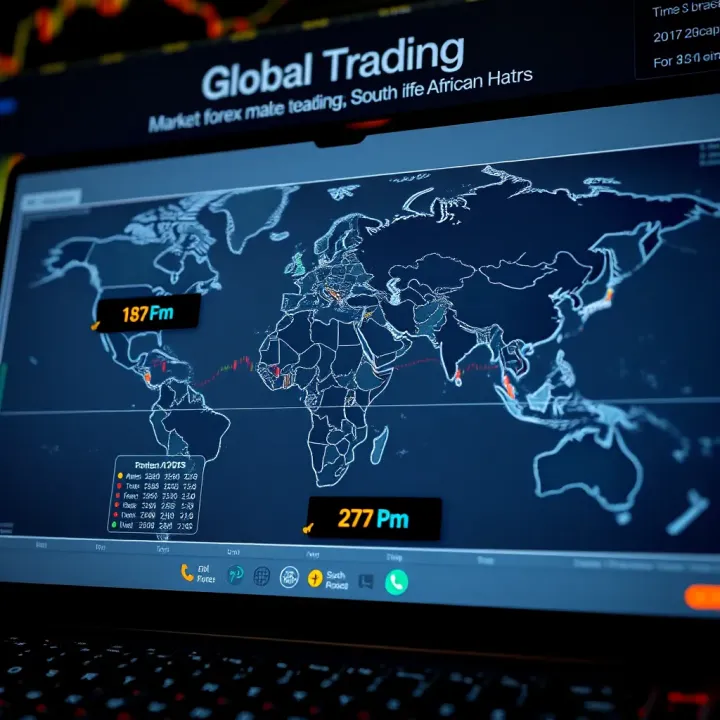
📈 Explore forex trading sessions from a South African perspective! Learn key market hours, optimize strategies, and download helpful forex PDFs today.
Based on 15 reviews