

Effective Forex Trading Tips for Beginners
📈 New to forex? Learn beginner forex trading strategies, risk management, demo accounts, platform tips, and psychology to trade smart and grow confidence.
Edited By
Charlotte Davies
Forex trading, the exchange of one currency for another, offers an accessible way for South Africans to tap into the global financial markets. For beginners, the promise of making money might sound straightforward—buy low, sell high—but the reality requires understanding how the forex market operates day-to-day.
Starting out, you must open a trading account with a reputable broker registered with the Financial Sector Conduct Authority (FSCA). This ensures your money is protected and trades are fair. Many brokers offer demo accounts, a vital tool to practice trading without risking real cash.

Like learning to drive a bakkie on Gauteng’s busy roads, choosing the right currency pairs is crucial. Major pairs like USD/ZAR or EUR/USD tend to have more liquidity and tighter spreads, meaning lower costs to trade. But emerging market pairs, such as ZAR/BRL, can offer volatility that might suit you if you're chasing bigger moves, though they come with higher risk.
Risk management is your best friend in forex. Using stop-loss orders—automatic sell orders at predetermined levels—helps shield your account from big losses when the market swings against your position. Never risk more than 1-2% of your trading capital on a single trade to avoid wiping out your balance in a few bad moves.
Developing a strategy that fits your style and schedule counts. Some traders prefer quick, intraday trades hoping to catch minor price movements, while others focus on longer-term trends, holding positions for days or weeks. Either way, staying updated on local and international news affects forex rates—a surprise hike in South Africa’s repo rate or Eskom load-shedding schedules can move the rand significantly.
Consistency beats luck in forex. Treat trading like a job, keeping records and learning from each trade.
To sum up, successful forex trading for beginners hinges on proper account setup, selecting suitable currency pairs, strict risk control, and a well-defined approach. That said, no method guarantees profit, so be prepared for a learning curve and only trade with money you can afford to lose.
Grasping the basics of forex trading lays the groundwork for any trader wanting to succeed, especially beginners. This knowledge not only helps you understand how the global currency market moves but also equips you with the practical tools needed to make informed decisions. For instance, knowing what drives currency values can prevent you from falling prey to emotional trading or noisy market chatter.
Definition of forex trading: Forex trading involves buying and selling currencies with the aim of making a profit from changes in exchange rates. Think of it as swapping rands for dollars, or euros for yen, at different times based on expected value shifts. It’s the largest financial market worldwide, processing over $6 trillion daily, which means plenty of opportunities but also significant volatility.
How the forex market operates globally: This market never sleeps — it runs 24 hours a day during weekdays, spanning international financial hubs across different time zones like London, New York, Tokyo, and Johannesburg. Traders interact digitally through brokers, with prices influenced by factors such as economic reports, geopolitical events, and central bank decisions worldwide. This global nature keeps liquidity high, meaning there are always buyers and sellers around.
Major currencies and pairs: The mainstay currencies in forex are referred to as the "majors," including the US dollar (USD), euro (EUR), British pound (GBP), Japanese yen (JPY), and, relevant here, the South African rand (ZAR). These currencies are traded in pairs, like USD/ZAR or EUR/USD. Understanding which pairs behave more predictably and their typical volatility is crucial — for example, USD/ZAR can be quite sensitive to domestic political changes.
Pips, lots, and leverage explained: A pip stands for "percentage in point" and represents the smallest price move in a currency pair, usually the fourth decimal place (e.g., 0.0001). A lot is the standard trading size — a standard lot equals 100,000 units of the base currency, but there are mini and micro lots for smaller trades. Leverage lets you control a big position with a relatively small amount of your own money; in South Africa, brokers often offer leverage up to 1:100, but this magnifies both potential profits and losses.
Spread and how brokers make money: The spread is the difference between the bid (selling) and ask (buying) price quoted by brokers. This gap is essentially the broker’s fee for facilitating your trade. For example, if the spread for USD/ZAR is 50 pips, you start the trade 50 pips in the red. Low spreads are better, but sometimes higher spreads reflect the market’s volatility.
Long and short positions: Going long means buying a currency pair, anticipating the base currency will strengthen against the quote currency. Shorting means selling first, expecting the base currency to weaken so you can buy back later at a lower price. For instance, if you think the euro will weaken against the rand, you might short EUR/ZAR.
Knowing these terms and how the forex market functions globally is vital for shaping a sound trading approach. It helps you understand the risks involved and the mechanics that influence your potential to make money.
Understanding forex basics is like learning to read a map before a road trip—without it, you're just driving blind in a complex financial landscape.
Before jumping into forex trading, setting up the right foundation is key, especially within the South African context. Setting up properly means choosing a reliable broker, understanding account types, and figuring out how you'll fund your trading. Solid groundwork reduces the chances of stumbling over avoidable mistakes and increases the odds of sticking with it for the long haul.
Local versus international brokers: Many South African traders face a choice between local brokers and international ones. Local brokers often provide the comfort of ease with Rand accounts and support that’s geared towards South African traders. International brokers usually offer a broader range of currency pairs and sometimes lower spreads, but transferring funds can attract extra fees or delays through currency conversion. For example, a trader using a local broker like IG South Africa might find it simpler to deposit R10,000 via EFT, while one using an international platform might pay extra for currency conversion or experience slower fund access.
Regulation by the Financial Sector Conduct Authority (FSCA): The FSCA regulates financial services providers in South Africa, including forex brokers, to protect traders from scams or unfair practices. Opting for an FSCA-licensed broker means they must meet compliance standards, including transparent fee structures and segregation of client funds. Given the rise in fraudulent platforms pretending to be legitimate, checking FSCA registration is a simple but necessary step.

Choosing a broker with FSCA regulation safeguards your investment, especially in a market increasingly targeted by unscrupulous operators.
Comparing fees, platforms, and support: Costs can vary significantly between brokers, affecting your profitability. Look beyond just spreads—consider commissions, overnight financing (swap rates), and withdrawal fees. Platform usability is another factor; some brokers offer MetaTrader 4 or 5, favoured for its charting tools, while others push proprietary platforms that vary in ease-of-use. Good customer support, from WhatsApp access to call centre availability during South African business hours, also adds value. Remember, efficient support can be the difference when you need urgent help with trades.
Account types available for beginners: Many brokers offer accounts tailored for novices, often with lower minimum deposits and simplified leverage options. For example, a beginner account might require R1,000 to open and restrict leverage to 1:10, which helps manage risks. These accounts allow new traders to lose less money while learning the ropes. Having multiple account types is useful; you might start with a demo or beginner account before upgrading to a standard or professional account.
Funding methods commonly used in South Africa: Local deposit options like EFT (electronic funds transfer), Credit/Debit cards, and instant PayFast payments dominate South Africa's funding landscape. EFTs tend to be free but take a day or two to clear, while PayFast offers instant deposit at a small fee. Some brokers also accept Bitcoin or other cryptocurrencies, though these carry their own risks and complexities. Familiarise yourself with a broker’s deposit and withdrawal processes before committing funds.
How to start with a demo account: Demo accounts let you trade with virtual money, replicating live market conditions. Starting here is crucial for getting comfortable with the platform without risking a cent. Use the demo to try out various strategies, practise managing trades, and observe how spreads or swap rates affect your positions. Treat it seriously—spending enough hours on demo trading equips you to handle the real thing better and avoid emotional blunders.
Before you fund your live account, ensure you’ve tested everything on demo, understand your broker’s terms, and have a plan to trade with discipline. That foundation will steer you clear of unnecessary headaches down the line.
Crafting a practical forex trading strategy is essential for anyone aiming to turn a profit rather than just guess market moves. Without a solid approach, trading becomes little more than gambling. A strategy blends market understanding, risk controls, and clear rules on when to enter or exit trades. For South African traders, this means not only picking the right currency pairs but also aligning trades with local economic factors and global trends.
Trend following asks traders to align with the prevailing market direction—think of it as sailing with the wind, not against it. When a currency pair shows consistent rising or falling prices, trend followers buy in the uptrend and sell in the downtrend. For example, if the USD/ZAR pair steadily climbs over a few days due to US economic data, buying into this trend would be the savvy move. Trend trading can reduce stress since it avoids fighting the market, though it requires patience to let profits run.
Range trading works best when prices bounce between clear support and resistance levels, like a ball trapped between two walls. Here, traders buy near the support (the price floor) and sell near resistance (the ceiling). South African traders might spot these ranges during quieter market periods or for pairs less affected by immediate news. Range trading demands discipline to exit when prices break out and slip into a new trend, but it offers multiple entry points and clear risk limits.
Breakout trading revolves around the idea that when the price breaks key levels—like a resistance barrier or support floor—a strong move often follows. For instance, if the Euro suddenly breaches a resistance level against the Rand, breakout traders jump in early, aiming to catch the momentum. This strategy requires quick action and careful confirmation signals, as false breakouts can lead to losses. Proper stop-loss settings become vital to protect capital.
Reading charts and indicators gives traders a visual grip on price action and potential turns. Popular tools include moving averages, relative strength index (RSI), and candlestick patterns. For example, spotting a "double top" in the GBP/ZAR chart might warn of a price reversal. Technical analysis helps remove guesswork by focusing on historical price behaviour and patterns.
South African economic data plays a key part in forex decisions. Figures like interest rate announcements from the South African Reserve Bank (SARB), employment stats, inflation rates, and trade balances can sway the Rand significantly. Traders should watch the SARB’s repo rate statements closely, as unexpected changes can spark rapid Rand moves.
Global events also affect forex markets broadly. Political instability, commodity price shifts (like gold or oil), and major economic reports—from the US non-farm payrolls to Eurozone GDP—create ripples that reach local currency pairs. For South African traders, following both domestic updates and global developments is crucial for timing trades well.
Building a successful forex trading strategy means combining reliable entry rules, solid risk management, and ongoing attention to economic data and global shifts. Good preparation cuts down on surprises and helps traders stick to their game plan.
By understanding and applying these strategies, new traders in Mzansi can approach forex trading with more confidence and method, improving chances to earn consistently and avoid common traps.
Trading forex carries a fair bit of risk, especially for beginners. Managing that risk properly isn't just common sense — it’s the difference between staying in the game or blowing your account. Getting stuck in common traps wastes money and time, so learning to manage risk and avoid mistakes is key to making sustainable profits.
Setting stop-loss and take-profit levels is essential for protecting your capital. A stop-loss automatically closes a trade at a certain loss level, while a take-profit closes it at a goal profit. Without these, you could watch losses pile up if the market moves against you. For example, say you buy the EUR/USD at 1.1000; setting a stop-loss at 1.0950 limits loss to 50 pips, while a take-profit at 1.1100 targets a 100 pip gain. This keeps your trades disciplined and prevents emotional decision-making.
Using appropriate leverage cautiously matters a lot, especially in South Africa where brokers often offer leverage up to 1:200 or more. Leverage magnifies both gains and losses, so it’s tempting to take big positions with small money. But this can quickly wipe you out. Starting with lower leverage, say 1:10, helps you manage risk while learning. Use leverage as a tool, not a shortcut to fast money.
Position sizing means deciding how much capital to risk on each trade based on your account size and risk tolerance. For instance, risk no more than 1-2% of your trading capital per trade. If your account holds R10,000, risking R100-R200 per trade means you can survive losses without stress. This keeps you in the game long enough to benefit from winning trades and grow steadily.
Overtrading and emotional decision-making often happen when traders chase the excitement or try to make up for losses fast. Opening too many trades without a plan burns through your margin and increases stress. When emotions take the wheel, poor decisions multiply. Remember, sticking to your strategy and trading plan prevents impulsive losses.
Chasing losses is a pitfall where traders increase trade sizes or loosen rules after a losing streak, hoping to recover quickly. This usually results in even larger losses. Accept that losses are part of trading; trying to 'win it all back' in one go is a quick path to disaster.
Neglecting to keep a trading journal means missing out on learning from your own trades. Recording details like entry and exit points, reasons for taking the trade, and emotions during the trade helps spot patterns and mistakes. Over time, this habit sharpens your strategy and keeps you honest about what works and what doesn’t.
Smart risk management is less about avoiding losses entirely and more about protecting your capital so you can trade profitably in the long run. Avoiding common mistakes improves discipline and builds resilience — crucial traits for successful forex trading.
Entering the world of forex trading can feel like setting off into unfamiliar terrain, especially for beginners. This phase is all about building a solid foundation without risking your hard-earned cash, then carefully stepping into live trading with a clear plan. Understanding how to practise and grow your trading journey effectively is essential — it helps you avoid common traps and steadily improves your chances of success.
Before risking real money, practising with a demo account offers a risk-free environment to test your trading strategies and get comfortable with the platform. These accounts use virtual funds, so if a trade goes south, it doesn't eat into your savings. For example, a beginner in Johannesburg might use a demo to track how currency pairs like USD/ZAR react during different times of the day or news events.
Testing in this way helps you understand order execution, spreads, and leverage without pressure. It’s a safe space to make mistakes and learn from them. Plus, many South African brokers offer demo accounts tailored to local market hours and currency pairs, which adds practical relevance.
Tapping into online resources is a smart move for ongoing learning. Platforms like MyBroadband and Moneyweb host forums and articles that break down trading concepts specifically for South Africans. Engaging in forex trading communities on social media or specialised chat groups can provide real-life insights and peer support.
By exchanging ideas with others, you’ll discover new strategies, spot common pitfalls, and get timely tips about market changes—important when economic announcements from South Africa or abroad affect forex markets. These communities also help keep you motivated when the market gets tough.
Once confident, it’s wise to start trading live with a modest amount — this limits potential losses while you adjust to the emotional side of trading. For instance, a trader might begin with R1,000 and slowly increase their stake as their skills and confidence improve. Gradual scaling allows you to refine your risk management and avoid blowing out your account early on.
This approach also gives you room to learn about brokerage fees on real trades and the effect of slippage during volatile periods.
Many new traders dream of instant profits, but the truth is forex trading requires patience and discipline. Expecting consistent gains every day is unrealistic; losses are part of the process. Setting achievable goals helps maintain a level head—for example, aiming for steady monthly growth rather than hitting the jackpot.
Maintaining a balanced view reduces stress and avoids impulsive decisions like chasing losses, which often lead to bigger problems.
Keeping a detailed trading journal is essential. Recording your trades, reasons for entry and exit, and emotions involved provides valuable insights over time. This practice helps identify which strategies work in South Africa’s forex market and which don’t.
Additionally, continuous learning through webinars, latest market updates, and economic analysis keeps you sharp and adaptable. For example, awareness of SARB interest rate announcements can be the difference between profit and loss.
Starting small, practising wisely, and continuously learning form the pillars of a sustainable forex trading journey.
Taking the time to build skills carefully will serve you well more than rushing into large trades. This measured approach blends practical experience with steady growth, giving you a better chance to make money in forex trading.
📈 New to forex? Learn beginner forex trading strategies, risk management, demo accounts, platform tips, and psychology to trade smart and grow confidence.
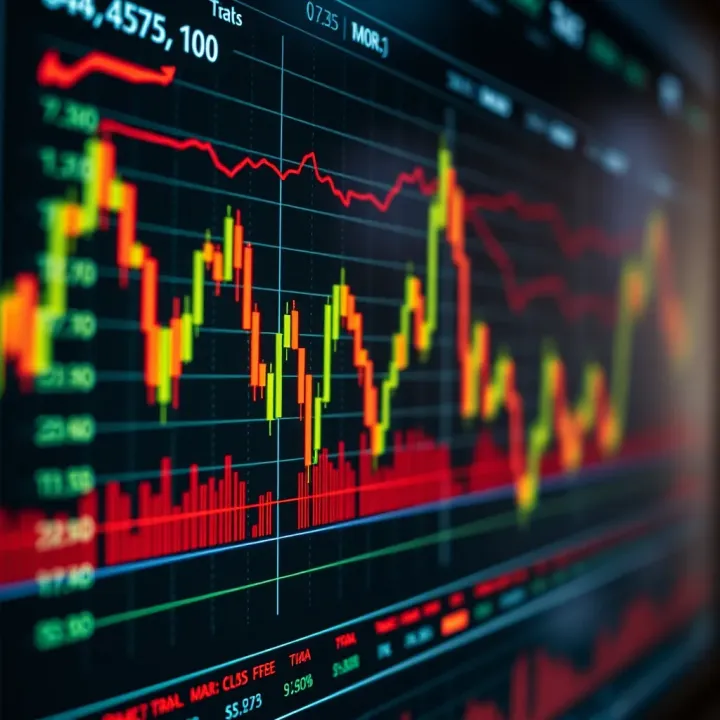
💹 Learn practical steps to earn with forex trading in South Africa. Understand market basics, smart strategies, risk control, and the mindset for steady gains.
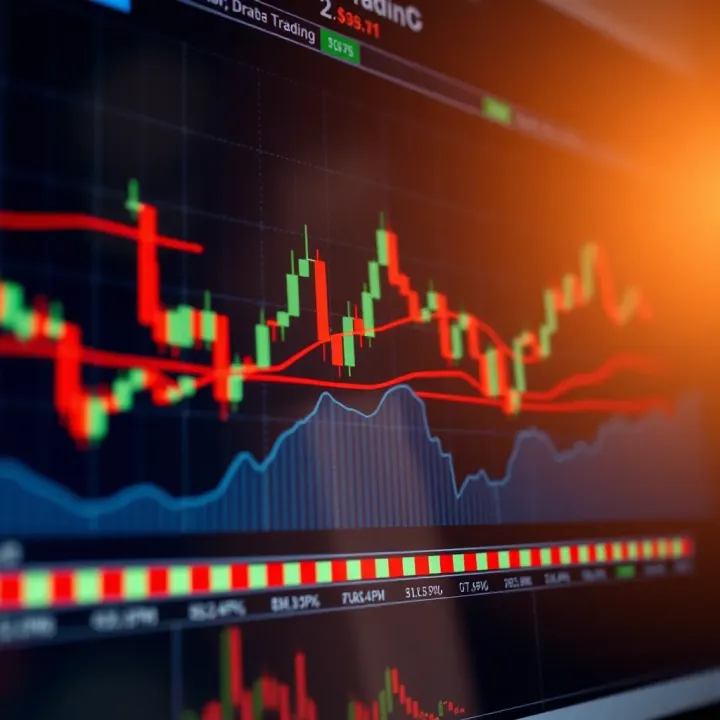
🔑 Dive into clear forex trading tips for beginners in South Africa! Learn to manage risks, analyse markets, and trade confidently for better profits. 📈
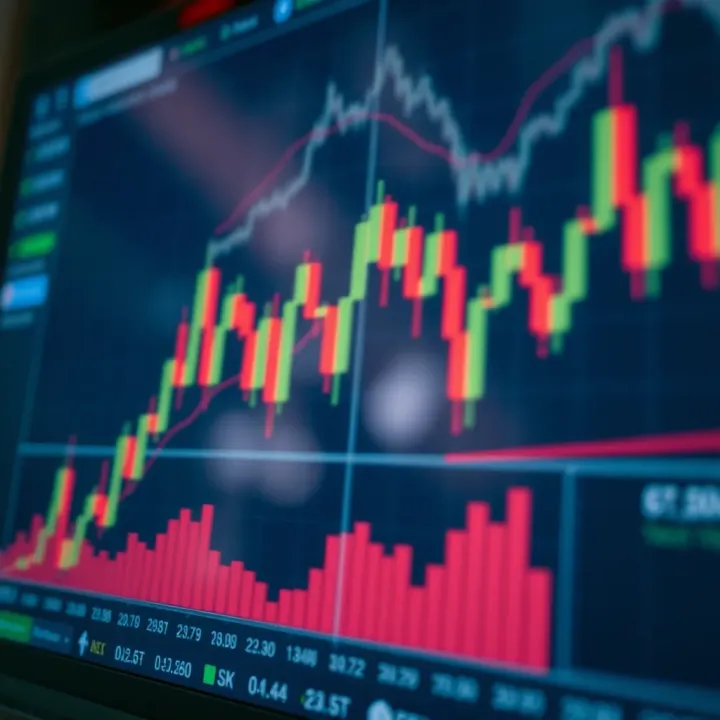
Learn effective forex trading strategies designed for beginners 📊. Practical tips, risk management, & PDF resources to boost your confidence in forex trading.
Based on 6 reviews