
Understanding Forex Trading Scams in South Africa
🚨 Learn to spot and avoid common forex trading scams in South Africa. Stay informed on warning signs and protect your investments confidently. 💼💡
Edited By
Charlotte Davies
Forex trading, or currency trading, lets you buy and sell different currencies to make a profit from their changing values. For South African traders, this means having a window into the global market right from the comfort of your home or office — but it’s not a quick ticket to easy cash. You need a solid grip on how the forex market works and a practical plan tailored to your local financial context.
The forex market is the largest financial market worldwide, with trillions of rands exchanged daily. In South Africa, platforms such as IG, EasyEquities, and local brokers regulated by the Financial Sector Conduct Authority (FSCA) provide access to currency pairs like USD/ZAR, EUR/ZAR, and GBP/ZAR. These pairs are especially relevant since their fluctuations directly impact importers, exporters, and investors here.
Successful forex trading isn't about chasing every trend but managing risks carefully and sticking to tested strategies.
24-hour market: Trading can happen anytime, fitting different schedules and time zones.
High liquidity: Major currency pairs have tight spreads, making entry and exit easier.
Leverage: You can control large amounts with relatively small capital, though this raises risks.
Choose a trustworthy broker: Prefer brokers with FSCA registration and transparent trading conditions.
Understand currency pairs: Base currency versus quote currency; for example, USD/ZAR shows how many rands you need for one US dollar.
Learn technical and fundamental analysis: Track economic news and use charts to anticipate price moves (e.g., inflation data, South African Reserve Bank interest rate decisions).
Use a trading demo account: Practise risk-free before committing real money.
Start small: Limit initial trades to amounts you can afford to lose while you gain confidence.
Knowing these basics sets you up to make smarter trades, reducing costly mistakes while building skills to grow your capital. In South Africa’s ever-changing economy, staying informed about local and global financial events will give you an edge.
Next, we'll explore specific trading strategies and risk management techniques to keep your forex journey steady and sustainable.
Getting a solid grip on forex trading basics lays the groundwork for making informed trading decisions and managing risks effectively. For traders and investors, understanding what drives the forex market and how to interpret its language can mean the difference between consistent profit and costly mistakes.
Forex trading, or foreign exchange trading, involves buying one currency while simultaneously selling another. These currency pairs, like the popular USD/ZAR (US Dollar to South African Rand), reflect the relative value between two economies. When you trade forex, you’re essentially speculating on how these values will shift.
This market differs from stocks or bonds because it operates as a decentralised global marketplace. Banks, corporations, governments, and individual traders across all continents take part, which keeps it highly liquid and competitive. For example, a trader in Johannesburg can trade USD/EUR against someone in London without a central exchange acting as middleman.
Trading hours span across different global time zones, which is excellent for South African traders. The forex market never truly sleeps, with the Asian session starting around 9 am SAST, followed by the European session around 9 am SAST as well, and the US session kicking in from about 3 pm to 11 pm SAST. Knowing these peak times helps traders take advantage of increased volatility and liquidity.
Knowing the lingo is vital for understanding trading costs and opportunities. The bid price is what buyers are willing to pay for a currency, while the ask price is what sellers want. The difference between them is the spread — essentially your trading cost. For example, if USD/ZAR has a bid of 17.45 and an ask of 17.50, the spread is 0.05.
Leverage lets traders control larger positions with a smaller amount of their own capital. If your broker offers 1:100 leverage, you can trade R1,000 but control R100,000 worth of currency. While this can increase profits, it equally magnifies losses if the market moves against you.
Margin is the amount of money needed to open a leveraged position. It acts like a security deposit. For instance, a 1% margin on a R100,000 position means you must have R1,000 available.
Pips are the smallest price movements in a currency pair, often the fourth decimal place in most pairs. For USD/ZAR, since ZAR is a less stable currency, the pip might differ but the concept remains. Lots refer to the size of the trade — a standard lot is 100,000 units of the base currency, but mini and micro lots allow smaller investments, making forex accessible to more traders.
Familiarising yourself with these basics sharpens your ability to read the market and execute trades more confidently.
Understanding forex trading basics equips you with practical tools to approach the market sensibly, starting you on a path toward consistent and informed trading in South Africa's dynamic economic environment.
Starting forex trading on the right foot makes a major difference in your chance of success. Setting up involves picking a trustworthy broker, creating and funding your account properly, and practising before you commit real cash. These steps aren’t just bureaucratic hurdles; they protect your investment and build a solid foundation for making money in the volatile forex market.
Regulatory bodies and why they matter (FSCA) The Financial Sector Conduct Authority (FSCA) regulates brokers in South Africa to ensure fair dealing and protect traders. Choosing an FSCA-registered broker means you have a watchdog making sure the broker follows strict rules on transparency, funds security, and fair execution. Without FSCA oversight, you risk dealing with unregulated entities that might vanish with your money or offer unfair trading conditions.
Beyond regulation, study the broker’s fees carefully. Look at spreads, commissions, and any hidden charges like withdrawal fees. Lower costs keep your profits intact. The trading platform should be stable, user-friendly, and accessible on your devices — whether desktop or mobile. Also, efficient customer service matters. In fast-moving markets, quick support during technical or account issues can save you losses or missed opportunities.

Some South African traders prefer brokers like IG, EasyEquities for regulated access, or internationally known platforms like Pepperstone with local support. These brokers combine robust regulation, competitive prices, and solid platforms that suit both new and experienced traders.
South African brokers require you to complete registration steps that comply with the Financial Intelligence Centre Act (FICA). This involves submitting identity documents and proof of address to prevent fraud and money laundering. It may feel tedious, but completing FICA verification up-front keeps your account safe and speeds up withdrawals later.
Funding your account is the next step. Brokers typically allow instant deposits via EFT, credit/debit cards, or mobile wallets like SnapScan. Since you’re trading forex, understanding currency conversions is key — depositing in ZAR might involve conversion fees if the broker trades in USD or EUR. Look for brokers who offer straightforward conversion or multi-currency accounts to avoid unnecessary costs.
Demo accounts are invaluable for practising without risking real money. They mirror live market conditions, allowing you to test strategies, learn the trading platform, and build confidence. Before trading with actual cash, spend time on a demo account — it’s the difference between flying blind and landing your trades safely.
Setting up properly is the first big step to making money with forex. Don’t rush it; choose a regulated broker, clear FICA requirements, and practise thoroughly before investing your hard-earned rand.
Developing a solid forex trading strategy is key to making money in the currency markets. Without a clear strategy, trading is more like gambling. A good plan guides your decisions, helps you manage risks, and optimises your chances for consistent profits. It should be practical, based on real market data, and tailored to your risk appetite and trading style.
Technical analysis involves studying price charts and using historical patterns to predict future movements. For example, many South African traders watch moving averages or Relative Strength Index (RSI) readings to spot potential buy or sell signals. By interpreting chart trends, support and resistance levels, and volume indicators, you can time your entries and exits better, avoiding hasty decisions based on emotions.
Fundamental traders focus on economic indicators, interest rates, and geopolitical events that affect currency values. For instance, if the South African Reserve Bank (SARB) raises rates, the rand could strengthen, influencing your trade decisions. Knowing the story behind price moves helps you anticipate longer-term trends rather than just short-term ups and downs.
Many effective traders blend technical and fundamental analysis. You might use fundamental news to pick a currency pair and technical tools to find the precise moment to trade. For example, after strong economic data from the US, you could wait for a bullish chart pattern in USD/ZAR before entering. This combined approach reduces guesswork and improves trade timing.
Moving averages smooth price data to reveal trends and help you spot reversals. The 50-day and 200-day moving averages are popular for watching long-term momentum. RSI measures whether a currency is overbought or oversold, signalling potential price corrections. These tools help keep your trading more objective and less influenced by market noise.
Patterns such as head-and-shoulders or double tops suggest trend reversals, while candlestick shapes like doji or hammer indicate market indecision or potential shifts. For example, spotting an engulfing candlestick after a downtrend might prompt you to buy. Recognising these visual signals can improve your timing and reduce costly mistakes.
Modern platforms allow setting price alerts or automate trades based on preset conditions. This means you don’t have to stare at charts all day. For instance, you can set a stop-loss level and have the system exit trades automatically to protect your capital. These tools are especially useful during busy South African trading days affected by global news spikes.
Stop-loss orders automatically close a trade at a predefined loss level, preventing bigger-than-expected losses. Take-profit closes the position when a certain gain is achieved. By setting these limits before trading, you lock in profits and cap losses, keeping your account safe from wild market swings.
Deciding how much to risk on each trade matters as much as choosing the trade itself. A standard rule is risking no more than 1-2% of your trading capital per position. For example, if you trade with R10,000, risking R100 to R200 per trade keeps you afloat through losing streaks without blowing your account.
Rather than putting all your money on one pair like USD/ZAR, spread your trades across different currency pairs or timeframes. This reduces risk if one market suddenly turns against you. Diversification helps balance the portfolio and smooth out returns over time.
Solid strategy, disciplined risk management, and the use of effective tools form the backbone for making money in forex trading. Without these, even the best insights struggle to pay off.
Having the right mindset is just as important as understanding forex strategies if you want to make consistent profits. Many traders get caught up in chasing quick wins or reacting impulsively to market moves. A steady mindset helps you stick to your plan and avoid costly mistakes that come from emotional decisions.
Following your trading plan is the backbone of disciplined trading. Imagine you’ve tested a strategy that works well in certain market conditions, but halfway through the trade, fear or greed tempts you to close it early or change your approach. Sticking to your original plan improves your chances of long-term success because you're acting on reason rather than impulse. For example, if your plan says to exit a trade at a 50-pip loss, honouring that limit keeps you from losses spiralling out of control.
Handling losses and setbacks is part and parcel of the forex game. No trader wins every time. Instead of trying to recover losses by doubling positions or risking more than usual, accept small losses as part of your learning curve. Think of losses as feedback, not failures. This mindset allows you to learn from mistakes, fine-tune your approach, and avoid emotional overreactions that could cost you dearly.
Avoiding emotional decision-making is crucial when the market twists unexpectedly. Emotions like fear, greed, or frustration can cloud your judgment. For instance, after a winning streak, some traders may take oversized risks due to overconfidence. Others who lose a few trades might panic and close positions prematurely. Mindfulness or simply taking a moment to breathe before executing a trade can help curb these impulses.
Staying calm and collected isn’t just for zen-minded yogis—it’s vital for traders aiming to protect and grow their capital steadily.
Keeping up with market news relevant to forex is essential because the forex market is hugely influenced by global economic events, especially those affecting major currencies like the US dollar, euro, or rand. Whether it’s a sudden SARB interest rate announcement or political shifts in the region, these factors can move prices sharply. Making the effort to follow news from reliable sources like BusinessTech or MyBroadband empowers you to anticipate or quickly react to market shifts.
Reviewing and analysing past trades helps you spot patterns in your own behaviour and improve your strategy. Regularly going over your trades, seeing what worked or flopped, provides practical feedback. For instance, you might discover you tend to exit winning trades too early or hold losing ones for too long. Writing down these insights can sharpen your decision-making moving forward.
Seeking educational resources and mentorship broadens your understanding and speeds up your growth as a trader. Forex trading isn’t a set-and-forget deal—it requires ongoing learning. Attending webinars, joining local forex communities, or finding a mentor who’s walked the path can give you perspective beyond charts and indicators. Mentors often share personal experiences about the challenges and pitfalls that no textbook can teach.
Building and maintaining the right mindset takes time and effort. It’s the foundation that supports all the strategies and tools you use. Without it, even the best systems can falter under pressure or emotional strain.
Understanding common trading errors can save you a heap of time, money, and frustration. Many traders start with enthusiasm but fall into pitfalls that chip away at their capital. Avoiding these mistakes helps you stay on track for consistent profits rather than chasing quick wins that rarely last.
Overtrading happens when you open too many trades in a short period or size positions beyond what your account can handle. It’s easy to get carried away, especially when markets move fast or after a few successful trades. However, this can blow up your account in no time.
Leverage allows you to control bigger positions with a smaller amount of capital, but it works both ways. For example, using 100:1 leverage means a tiny market movement against you can wipe out a large chunk of your balance quickly. Many South African traders might be tempted to use high leverage on platforms like ForexTime or IG Markets, but the risks often outweigh the rewards. Instead, keeping leverage conservative, such as 10:1 or 20:1, gives you more room to manage losses and stay in the game longer.
Risk management isn’t just jargon — it’s the backbone of survival in forex trading. A common rule is to risk no more than 1–2% of your total capital on a single trade. Ignoring this means one bad trade could undo weeks of hard work. For example, if you risk R1,000 on a trade and your account is R10,000, a couple of losses will wipe you out.
Stop-loss orders are essential tools that limit your losses when the market goes against you. Despite this, many traders skip placing stop-losses, hoping the market will turn around. That hope often leads to much larger losses than necessary. Always decide beforehand how much you are willing to lose and set your stop-loss accordingly.
Losing streaks happen even to experienced traders, but letting emotions control your decisions is a fast track to bigger losses. Chasing losses means opening riskier trades to recover money quickly, usually without a sound strategy. For instance, after a loss on the USD/ZAR pair, jumping into another big trade hoping to win it all back rarely ends well.
Emotional trading often manifests as revenge trades, fear of missing out (FOMO), or second-guessing your plan. To counter this, stick to your trading rules and review your trades rationally. Keeping a trading journal helps identify emotional patterns and prevent costly decisions.
Discipline is your best ally in forex trading. Avoid overtrading, respect your risk limits, and don't let emotions dictate your moves. This approach helps build steady returns instead of burning through your capital in wild attempts to win quick profits.
By steering clear of these common mistakes, you increase your chances of making forex trading a sustainable side hustle or even a full-time endeavour. Remember, it’s not about how much you win today, but how consistently you can trade over time.
🚨 Learn to spot and avoid common forex trading scams in South Africa. Stay informed on warning signs and protect your investments confidently. 💼💡

📈 Explore top forex trading seminars in South Africa! Discover benefits, key topics, and tips to select the right seminar to boost your trading skills effectively.
📚Thinking of learning forex trading in South Africa? Discover top schools, how they work, tips for choosing the right program, and resources for success.💡
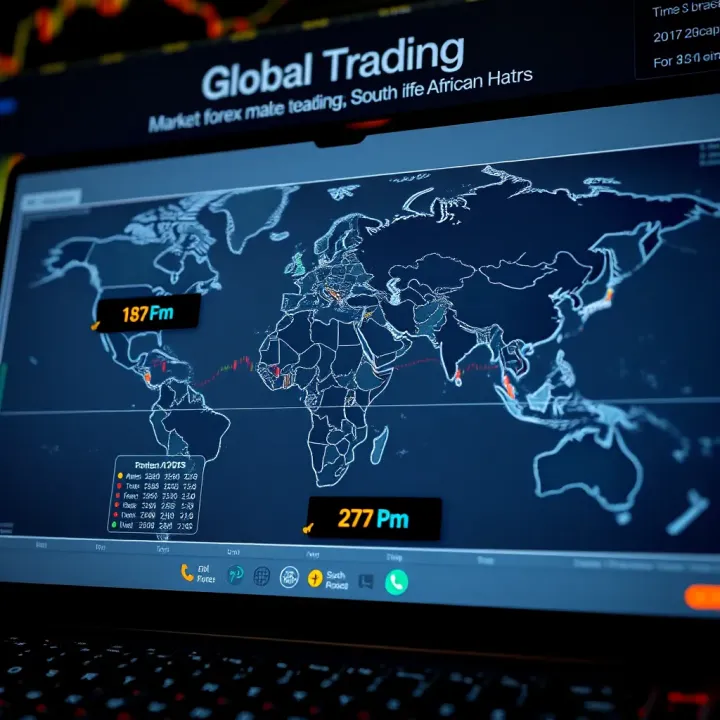
📈 Explore forex trading sessions from a South African perspective! Learn key market hours, optimize strategies, and download helpful forex PDFs today.
Based on 11 reviews