
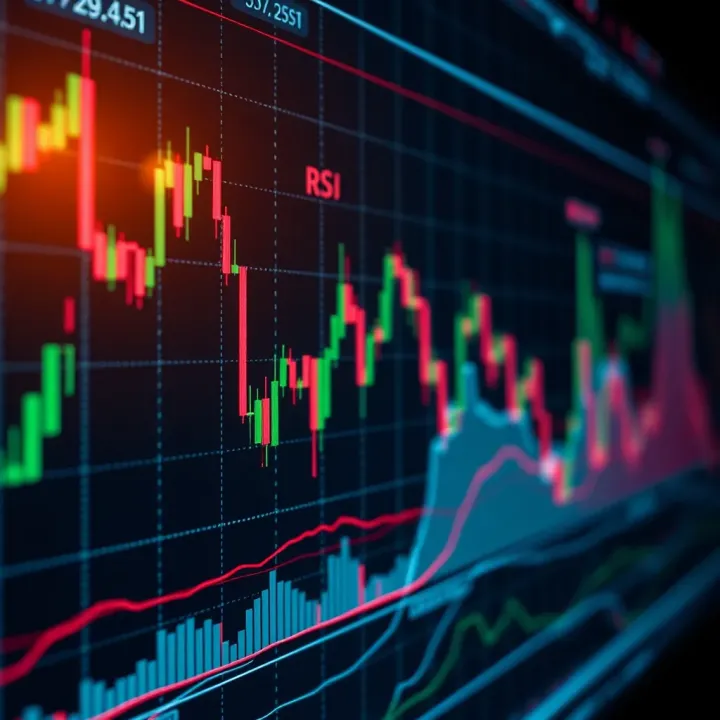
Forex Trading Indicators Explained
📉 Master forex trading indicators to analyse currency trends and make sharper decisions. Learn key tools, tips and tricks tailored for South African market conditions. 💱
Edited By
Liam Foster
Forex trading has gained significant traction worldwide, including among South African investors. However, for Muslim traders and investors, the question arises: Is forex trading haram according to Islamic principles? This is a topic that often sparks debate within the Muslim financial community.
Islamic finance is governed by clear rules designed to promote fairness, transparency, and ethical behaviour. Key concerns that shape Islamic rulings on financial activities include riba (interest), gharar (excessive uncertainty), and maysir (gambling or speculation). Any financial practice involving these elements is generally deemed impermissible (haram).
Forex trading involves buying and selling currencies, often on margin and with significant leverage. This can introduce elements of interest (through rollover fees), high uncertainty, and what some scholars view as speculative gambling. Yet, different Islamic scholars offer varying opinions on the matter, weighing the mechanics and intentions behind the trades.
Understanding these principles helps Muslim traders navigate the complexities of modern financial markets, especially when trying to balance profit-making with religious adherence.
Here are some practical considerations:
Interest (Riba): Islamic law forbids earning or paying interest. Many forex brokers charge overnight fees called swaps, which are interest in nature, making those trades problematic.
Excessive Uncertainty (Gharar): Trading based purely on speculation with no intrinsic value or excessive risk can be classified as gharar, rendering the activity questionable.
Gambling (Maysir): Games of chance or speculative behaviour with the hope of quick wins tend to be frowned upon.
That said, certain forex transactions conducted on a spot basis (immediate exchange) without interest, and with full ownership transfer, may be permissible to some extent. However, this often requires trading through brokers offering Islamic or swap-free accounts.
South African Muslim traders need to consider these factors carefully. Local brokerage firms and Islamic finance scholars can provide guidance tailored to the South African context. In the sections that follow, we'll explore these points further, outlining various scholarly viewpoints and offering practical advice for compliant trading.
Forex trading is a financial activity that requires careful examination through the lens of Islamic principles. In Islam, ethical trade is more than just profit and loss; it involves adherence to rules that prevent injustice and exploitation. This section sheds light on these core principles: riba (interest), gharar (excessive uncertainty), and maysir (gambling), which significantly shape the conversation about forex trading's permissibility.
Riba in Islamic law refers to any guaranteed interest or usury received on loans or investments. It is strictly prohibited because it leads to unjust enrichment and exploitation. Practically, this means one cannot earn money simply by loaning out capital or by trading transactions that inherently involve interest.
When it comes to currency exchange, riba applies if one transaction results in an unequal exchange or involves deferment without immediate settlement. Islamic law requires currency trades to happen on the spot and at equal amounts to avoid riba—delayed exchange or profit from time-based interest breaches this rule.
Interest-bearing accounts complicate matters because they generate income from riba. For Muslims engaging with forex markets, using standard accounts that earn or pay interest on balances or trades would violate the prohibition. Islamic forex accounts often offer swap-free trading to circumvent this issue, removing overnight interest charges.
Gharar means excessive uncertainty or ambiguity in contracts that can lead to unjust outcomes. For a transaction to be valid, its terms must be clear and certain. Excessive uncertainty undermines fairness and can cause disputes.
Examples of gharar in finance include selling goods that one does not own or selling what cannot be delivered. In trading, any contract with unclear terms, unknown quantities, or ambiguous timing would fall under gharar.
The forex market, known for its volatility, naturally involves uncertainty. Rapid price swings and unpredictability can create situations of excessive gharar. Traders sometimes enter deals without full knowledge or risk exposure, which raises concerns under Islamic principles.
Maysir refers to gambling and games of chance, which Islam forbids due to the harmful impact on individuals and society. The key difference between gambling and legitimate investment lies in intention and risk management. Investment is meant to generate wealth responsibly, while gambling is relying mainly on chance.
Forex trading often blurs this line, as high leverage and speculative bets resemble gambling. Trading based solely on short-term market flickers without adequate analysis or purpose aligns with maysir, thus becoming problematic.
Scholars differ in their interpretations of maysir related to forex. Some argue that forex trading with proper knowledge, transparency, and without interest is permissible, while others caution against the speculative aspect, considering it too close to gambling. The distinction hinges on how risk is managed and how trading activities align with Islamic ethics.
The thrust of Islamic finance in trading rests on avoiding unjust gain, uncertainty, and speculation, which together govern the halal versus haram debate in forex.
Understanding these principles helps traders navigate choices that respect Islamic values while participating in global financial markets.
Among Muslims, especially those trading or investing in financial markets, there is considerable debate on whether forex trading aligns with Islamic principles. Several objections focus on the mechanics of forex transactions and their adherence to Sharia, making this a vital area to understand for anyone navigating halal finance.
Islamic rules require currency exchanges to be conducted on a spot basis, meaning the transaction occurs immediately with the exchange of assets at the same time. This principle ensures transparency and avoids uncertainty in dealings. For instance, when exchanging rands for dollars, both currencies must be exchanged right away to comply with Sharia.
However, many forex trades involve deferred settlements or leveraging, where the actual transfer happens later, sometimes days after the trade. These deferred trades can introduce elements of uncertainty and speculation that Islam discourages. For example, leveraged trades allow traders to control larger positions with a small deposit, effectively borrowing capital, which complicates the clear immediate exchange required.
Modern forex platforms try to address this by offering "Islamic accounts" or swap-free accounts. These accounts avoid interest charges linked to overnight positions, and some insist on immediate settlement to comply with Islamic requirements. Still, the challenge remains in whether these mechanisms fully meet Sharia's spot transaction rules, since many trades occur electronically without a physical exchange of currency.
Riba — or interest — is explicitly forbidden in Islam, and traditional forex accounts often charge swap or roll-over fees when positions are held overnight. These fees resemble interest, as they compensate the broker for the cost of holding the position, effectively charging or paying interest based on the currency pair’s interest rate differentials.
Islamic forex accounts are designed to eliminate these swap fees to avoid riba. Brokers offering these accounts typically remove or replace swap fees with alternative charges to comply with Islamic finance principles. For South African Muslims considering forex trading, such accounts can help mitigate concerns about interest.
That said, these swap-free accounts may come with hidden costs or conditions, such as higher spreads or limited trading features. Traders strictly adhering to Sharia must carefully scrutinise account terms to avoid inadvertently engaging in transactions with interest elements.
Forex markets are notorious for their speculative nature, where traders attempt to profit from rapid price fluctuations. This speculative behaviour can resemble gambling, which Islam forbids under the concept of maysir. Unlike investing in tangible assets, forex trading often lacks physical backing and is driven by short-term bets on currency movements.
Furthermore, market manipulation is a significant ethical concern. Large financial institutions or traders with deep pockets can influence currency prices, distorting fair trading conditions. Such manipulation raises questions about justice and fairness, key concerns in Islamic ethics.
Due to speculation and market manipulation, some scholars argue that forex trading involves excessive uncertainty (gharar) and unfair practices, rendering it haram. They caution Muslims to avoid forex trading unless it is done under strict conditions that eliminate speculation and ensure fairness.
Understanding these common objections empowers traders and investors to make informed decisions about whether forex trading aligns with their religious and ethical values. It also highlights the importance of choosing brokers and accounts designed with Islamic principles in mind.
Islamic scholars around the world differ on the permissibility of forex trading, reflecting the complexity of modern financial markets and Islamic law. Understanding these various viewpoints is crucial for Muslim traders and investors in South Africa who want to make informed decisions aligned with their faith. These interpretations offer practical guidance on whether and how forex trading can be approached without violating principles like riba (interest), gharar (excessive uncertainty), and maysir (gambling).
Some scholars argue forex trading is permissible if certain conditions are met. A key condition is ensuring that transactions are immediate (spot trading) rather than deferred, thus avoiding elements of interest or delay. This means the currency exchange occurs instantly without any credit or rollover, reducing exposure to interest charges.
The use of Islamic-compliant trading accounts plays a pivotal role here. These accounts, often called "swap-free" accounts, remove overnight interest fees (swap or rollover fees) typically charged in regular forex accounts. Brokers offering such accounts allow Muslim traders to participate in the forex market without contravening the prohibition on riba. For example, brokers like XM and HotForex provide swap-free accounts tailored to Islamic requirements.
Transparency and immediate settlement also matter deeply to scholars permitting forex trading. Transactions must be transparent and settled without delay to avoid uncertainty or speculation. This aligns with Islamic principles favouring clarity and fairness in trade. A practical way to ensure this is using brokers regulated by recognised authorities, offering clear contract terms and immediate confirmation of trades.
On the other hand, some scholars caution against forex trading due to inherent risks and ambiguities. Situations that might warrant prohibition include leveraged trades, where investors use borrowed funds. Leverage amplifies potential gains but also exposes traders to high risks and possible involvement in interest-bearing arrangements.
Further, the risk of gharar (excessive uncertainty) and potential harm is especially relevant given the volatile nature of the forex market. Sudden price swings and market manipulation can cause financial harm, which Islam discourages. Traders might unintentionally engage in what resembles gambling, conflicting with the Islamic ban on maysir.
These scholars recommend focusing instead on ethical, low-risk investment avenues that comply with Islamic finance, such as Islamic share trading, sukuk (Islamic bonds), or property funds. Prioritising investments with tangible assets and clear ownership helps avoid excessive uncertainty and promotes financial stability.
In South Africa, local scholars offer mixed opinions on forex trading’s permissibility. Some endorse cautious engagement through Islamic-compliant accounts, while others advise abstention given the market’s speculative aspects. Prominent Muslim finance bodies occasionally publish guidelines reflecting these views, helping the community navigate such decisions.
South African Muslim traders report varied experiences. Some successfully use swap-free accounts and rigorous risk management, staying within Islamic guidelines. Others face challenges with brokers that do not fully comply with Sharia rules, risking inadvertent involvement with riba.
Thankfully, the market is gradually expanding Sharia-compliant investment options relevant in South Africa. These include Islamic unit trusts, sukuk funds, and ethical shares on the JSE. Such alternatives provide practical routes for Muslims seeking growth without straying from Islamic principles.
Muslim traders in South Africa should balance scholarly guidance with practical realities, ensuring their investments respect both faith and local market conditions for ethical and sustainable financial growth.
Navigating forex trading as a Muslim involves more than just understanding the markets—it requires aligning investment choices with Islamic principles. This is crucial because certain features common in forex trading, like interest and gambling aspects, can conflict with Sharia law. Clear guidance helps traders identify halal options and avoid pitfalls that could render their trading impermissible.
Islamic forex accounts, often called "swap-free" accounts, are designed without overnight interest charges, which typically involve riba (interest). These accounts usually ensure immediate settlement of trades and avoid leveraged positions that accrue extra fees. For example, brokers offering such accounts delay or cancel swap fees that would otherwise accumulate if a position is held overnight.
Before committing funds, traders should verify that their broker genuinely offers Sharia-compliant services rather than simply branding accounts as "Islamic". This might involve checking broker policies on fees, settlement times, and leverage limits. South African traders can rely on broker reviews from local financial forums or consult with scholars who understand modern financial markets to ensure that broker practices align with Islamic finance.
Traders must be cautious about hidden commissions or fees that effectively resemble interest. Some platforms may charge overnight fees disguised under different names or engage in speculative activities that border on gambling. Selecting brokers transparent about all charges, with clear terms on trade execution and settlement, helps avoid unintended violations of Islamic ethics.
Leverage amplifies both gains and losses by borrowing funds to increase trade size. However, excessive leverage increases risk and can verge on speculation, which goes against Islamic principles. For instance, using leverage of 1:100 might increase potential profits but also risk losing the entire investment fast. Responsible traders should keep leverage low and fully understand the risks before trading.
Forex trading can sometimes resemble gambling if undertaken without analysis or with an intent for quick, risky profits. Such behaviour conflicts with the prohibition of maysir (gambling) in Islam. Traders should focus on informed decision-making, using technical and fundamental analysis rather than chasing uncertain market moves or lottery-like bets.
Successful and halal trading calls for solid understanding and discipline. Emotional decision-making or impulsive trades often lead to losses and unethical speculation. Developing a clear trading plan, studying market behaviour, and consistently reviewing performance helps reduce risks and maintain alignment with Islamic values.
Many Muslims turn to share trading within Sharia-compliant companies or invest in Islamic property funds. These options avoid interest and gambling by focusing on businesses that meet strict ethical and financial criteria, like avoiding alcohol, gambling, and riba. South African investors can find property funds structured to meet halal standards, offering steady rental income without violating Islamic rules.
Sukuk are akin to bonds but structured to avoid interest by representing ownership in a tangible asset or project. They provide predictable income streams and are widely available through Islamic financial institutions. Sukuk are a popular choice for those seeking fixed income in a Sharia-compliant manner.
Products like Islamic unit trusts, takaful (Islamic insurance), and savings accounts offered by some South African banks cater to Muslims wanting to avoid riba and gharar. Additionally, some fintech platforms now provide halal savings and investment options, blending modern convenience with compliance.
For Muslims in South Africa contemplating forex trading, understanding these practical steps safeguards both their faith and finances. Choosing the right broker, managing risk wisely, and exploring alternative investments can help maintain harmony between faith and financial goals.
📉 Master forex trading indicators to analyse currency trends and make sharper decisions. Learn key tools, tips and tricks tailored for South African market conditions. 💱
📈 Discover the essentials of forex trading in Durban. Learn how to pick brokers, manage risks, and understand SA’s regulations and economic factors.
🤖 Learn how to pick the right forex trading robot for your style. Explore tips to evaluate and use automated bots to improve trading outcomes and control risk.

Stay ahead in forex trading by understanding how key news moves markets 🌍. Get tailored insights for South African traders and ways to manage risk effectively 📈.
Based on 15 reviews