
Understanding Halal Forex Trading Principles
Explore how halal forex trading aligns with Islamic finance principles📈. Learn effective methods, ethical rules, broker tips, and practical advice for Muslim traders.
Edited By
Oliver Hastings
Forex trading news directly moves currency markets, often with lightning speed. Understanding these updates isn't just useful – it’s essential for anyone aiming to stay ahead in forex markets. News events can rapidly shift pricing, offering opportunities to capitalise on short-term moves or signals for longer-term strategies.
News impacting forex markets comes in many forms – from economic data releases like the US employment report, to central bank decisions on interest rates, to geopolitical developments influencing investor sentiment. For example, when the South African Reserve Bank (SARB) adjusts its repo rate, the Rand usually reacts quickly, reflecting changes in borrowing costs and investment flows.

Timely and accurate forex news helps traders anticipate market moves before they happen, reducing guesswork.
Major sources for forex news include global agencies like Reuters and Bloomberg, as well as local platforms such as MyBroadband and BusinessTech. South African traders should also monitor announcements from SARB and government departments, as domestic news often triggers Rand volatility.
Strategies for using forex news effectively involve:
Setting alerts for key economic releases relevant to the currency pairs you trade
Understanding the context of news – not just what was announced, but what the market expected
Managing risk by adjusting trade size or using stop-loss orders around high-impact news
Successful traders keep a clear schedule of news events and avoid overtrading during uncertain periods. It's worth noting that news windows can cause sudden spikes in volatility, so being prepared can prevent costly surprises.
Local realities, like Eskom loadshedding, can also indirectly influence forex by affecting economic performance and investor confidence. Keeping an eye on these links between domestic issues and currency strength is part of a solid trading routine.
In sum, forex news isn’t just background info – it’s a tool. Knowing how and when to use it will help you trade smarter and better manage risks in an ever-changing market environment.
Forex trading news plays a major role in moving currency prices every day. Knowing how different news releases affect forex markets helps traders make informed decisions and avoid nasty surprises. The news shapes moods and market expectations, often causing swift reactions that open opportunities if you understand what to look out for.
Inflation figures and exchange rates Inflation data essentially signals a country's economic health and affects purchasing power. If inflation rises faster than expected, a currency often weakens because higher prices dampen economic growth prospects. For instance, when South Africa's inflation jumped unexpectedly, the rand (ZAR) dipped against the US dollar as investors anticipated interest rate hikes.
Interest rate announcements and their effects Central bank interest rate changes are among the most watched indicators. Higher rates attract foreign capital seeking better returns, usually strengthening the currency. For example, when the South African Reserve Bank raises rates to curb inflation, the rand tends to gain strength. Traders often position themselves before official announcements, making volatility spike around these times.
Employment reports and market reactions Jobs data like South Africa's Quarterly Labour Force Survey influences market sentiment as a gauge of economy’s vigor. Strong employment growth hints at higher consumer spending and potential rate hikes, supporting the currency. Conversely, weak employment numbers can push the rand lower as worries about economic slowdown grow. Market participants track these releases closely to adjust their positions accordingly.
Political instability and currency volatility Unrest, protests, or uncertain elections cause jitters among investors as they raise doubts about policy continuity. South Africa's local political scandals have previously led to rand sell-offs. This kind of volatility often creates risk, prompting traders to demand higher returns or pull out temporarily.
Trade agreements and tariffs Changes to trade policies affect currency flows by altering export and import dynamics. When South Africa signs trade deals that boost exports, demand for the rand can rise. However, tariffs or trade disputes usually hurt exporting sectors, weakening the local currency. Traders monitor announcements from trade negotiations closely to gauge future implications.
Global crises and safe-haven currencies Events like wars, pandemics, or financial crashes spark risk-off modes where investors flock to perceived safe assets. Currencies like the US dollar and Swiss franc often appreciate during these times, while emerging market currencies such as the rand soften. Understanding these patterns helps traders anticipate moves and adjust exposure during uncertain global periods.
Staying in tune with how news influences currency markets equips you to spot risks and opportunities before others react. From inflation stats through to geopolitical tension, being aware sharpens your trading edge.
Having access to trustworthy forex trading news allows traders to anticipate market movements and make informed decisions. In an environment where currency values can swing sharply, relying on verified sources helps avoid misinformation and costly mistakes. For instance, a trader who follows credible news can prepare for an interest rate announcement rather than reacting blindly to sudden volatility.
Reuters and Bloomberg stand out as go-to sources for up-to-the-minute financial news worldwide. Their comprehensive coverage of forex markets, economic indicators, and geopolitical events provides traders with a global perspective that impacts currency values directly. For example, a sudden political development reported first by Reuters can cause immediate ripples in the rand's value, so accessing these platforms helps traders stay ahead.
Similarly, Financial Times and The Wall Street Journal deliver deep analysis and timely reports that go beyond headline news. Their detailed insights allow traders to understand broader economic trends and central bank policies that shape long-term forex movements. South African traders benefit from their global outlook combined with coverage on emerging markets, including nuances affecting commodities linked to the rand.
For local context, platforms such as BusinessTech and Moneyweb offer essential coverage of South African markets. They report on domestic economic data, corporate news, and political developments that directly influence the rand (ZAR). These outlets often provide updates faster than international sources on events like SARB decisions or government fiscal policy.
Updates from the South African Reserve Bank (SARB) are especially critical for traders. SARB’s interest rate decisions, inflation reports, and monetary policy statements can cause swift market reactions. Monitoring SARB releases ensures traders interpret the implications correctly and adjust their strategies accordingly.
Economic reports specific to the rand, such as trade balances, mining output, and inflation figures, offer further clarity on currency performance. Understanding these reports helps traders anticipate the rand’s strength or weakness, particularly when global commodity prices fluctuate.
Economic calendars serve as practical tools, listing scheduled releases of financial data—like GDP growth, employment stats, or central bank meetings. Knowing when these events occur allows traders to plan trades cautiously around expected volatility. It’s useful to not just note the timing but grasp the likely impact each release might have on currency pairs.
Real-time data feeds and alerts complement calendars by delivering instant notifications as news breaks or data deviations appear. This immediacy is crucial for traders using short-term strategies like scalping or day trading where seconds matter. South African platforms and international providers offer these services, enabling traders to react promptly without constantly monitoring multiple sources.
Keeping a balance between global coverage and local insight, supported by real-time data, forms the backbone of an effective forex news strategy. This approach reduces surprises and helps manage risk effectively.
In short, a reliable mix of international and local news sources, combined with smart use of economic tools, gives traders an edge in navigating the often unpredictable forex market.
Applying forex news to trading strategies is essential for both short-term traders and long-term investors. Knowing how a particular announcement or event might affect currency prices enables you to make informed decisions rather than guessing. For instance, a surprise interest rate cut by the South African Reserve Bank (SARB) can cause a sharp drop in the rand, which traders can take advantage of if they have prepared properly.
Short-term traders, like day traders and scalpers, often rely heavily on forex news because price swings during news releases can be swift and significant. For example, when the US Nonfarm Payroll data drops, the USD/ZAR currency pair can experience rapid movements within minutes. Scalpers seek to capitalise on these intraday swings by entering and exiting positions quickly, sometimes within seconds or minutes. However, this requires staying alert to economic calendars and being ready to act as news breaks.
Day traders use news to identify potential setups but must also be wary of false breakouts common during volatile periods. Accurate timing and quick executions can lead to profitable trades, but this style also carries risks of unpredictable spikes.
Long-term investors tend to focus on broader economic trends highlighted in forex news. Fundamental analysis involves assessing key economic indicators — such as inflation rates, GDP growth, and trade balances — to forecast the direction of a currency over months or years. For instance, consistently high inflation in South Africa compared to trading partners may weaken the rand over time, signalling long-term traders to adjust their portfolios accordingly.
Positioning based on fundamental shifts rather than short bursts of volatility aligns with a buy-and-hold approach. This method demands patience but tends to smooth out the noise from day-to-day market chatter.
News releases often bring sudden volatility, which can quickly trigger stop-loss orders unexpectedly. A fundamental rule is to adjust stop-loss levels to accommodate increased market swings, especially during high-impact events like SARB rate decisions or US Federal Reserve reports. Placing stops too tight might result in premature exits, while overly loose stops expose you to bigger losses.
For example, just before a major economic announcement, widening stop-loss ranges can help avoid being caught in erratic price jumps. Monitoring historical volatility around similar past events can guide how much buffer to allow.
Effective stop-loss management during volatile news is about balancing protection with flexibility.
During news events, forex liquidity often dips and spreads tend to widen, resulting in slippage — where your executed price differs from your intended entry or exit. This can unexpectedly increase trade costs or losses. For instance, the rand can see wide spread swings during local political unrest or unexpected SARB statements, catching many traders off-guard.
Traders should anticipate wider spreads by checking their broker’s typical news event behaviour and consider using limit orders instead of market orders when possible. Being aware of these factors helps avoid unpleasant surprises.
Limiting position size is crucial when trading around news events due to unpredictable price moves. Lowering your exposure reduces potential losses if the market takes an unfavourable turn. This is especially relevant if you trade thinly liquid currency pairs or during off-peak trading hours.
For example, if you usually risk 2% of your capital per trade, dropping to 0.5% or 1% during SARB policy announcements or US employment data releases helps protect your account from sharp moves. Consistent position sizing adjustments aligned with news risks improve long-term survival in forex trading.
In summary, using forex news within your trading strategies requires a balance between capturing opportunities and managing risks. Whether you’re scalping on a volatile rand move or holding through shifting fundamentals, understanding the news's impact helps fine-tune your approach and improve outcomes.
In the fast-moving world of forex, staying ahead means having quick access to the right information and understanding how local conditions affect your trades. For South African traders, this is especially true because the rand (ZAR) often behaves differently from major currencies like the dollar or euro. Tools and practical tips tailored to our context can make a big difference in spotting opportunities and managing risks.
One of the most efficient methods to keep on top of forex news is via mobile apps that offer real-time updates and alerts. Apps from global news providers like Bloomberg and Reuters, as well as local sources like BusinessTech and Moneyweb, can send push notifications for major market-moving events. This immediate delivery is crucial when you need to react quickly during volatile moments, such as sudden announcements from the South African Reserve Bank (SARB) or unexpected geopolitical shifts.
Additionally, specialised forex trading apps incorporate economic calendars, letting you schedule alerts for specific news releases. For example, getting a heads-up just before the release of employment data or inflation figures can help you adjust your positions before the market swings. This practical advantage prevents missing out on crucial moves or waking up to unexpected losses.
Social media platforms have become vital sources for real-time market chatter. Following credible accounts on Twitter or LinkedIn, such as analysts from local financial institutions or forex experts, can provide sharp insights and immediate commentary. However, it's important to filter out noise from speculation; relying on established voices like analysts from FNB or Standard Bank can boost the quality of your information.
Moreover, social media allows engaging with trading communities and seeing how others interpret breaking news, which provides alternative viewpoints useful for decision-making. For South African traders, this might mean joining forums or groups discussing rand volatility alongside global trends, thus broadening your understanding beyond dry data points.
The ZAR often reacts sharply to domestic statistics such as GDP growth rates, inflation trends, and SARB’s interest rate decisions. For example, a surprising increase in South Africa’s inflation rate can weaken the rand as investors anticipate tighter monetary policy or reduced economic growth. Conversely, strong employment numbers might bolster confidence and strengthen the currency.
Understanding these links helps you interpret the significance of local reports and avoid treating them the same as international data. For instance, while a US jobs report has global ripple effects, South African unemployment figures can cause more pronounced, immediate swings in the rand, especially during politically unstable periods.
Loadshedding remains a unique risk for South African markets, affecting investor confidence and business activity. When Eskom announces higher stages of loadshedding, traders often see the rand lose ground as concerns about economic disruption rise. This factor can challenge technical analysis by introducing sudden, less predictable volatility.
Political events, like upcoming elections or policy changes, also weigh heavily on forex markets. For example, uncertainty ahead of a national election might deter foreign investment, causing the rand to soften even before any policy shifts occur. By tracking local political news alongside global developments, traders can better anticipate these effects and adjust their strategies accordingly.
Staying updated isn’t just about international news; understanding local twists — like loadshedding and SARB policies — is vital for anyone serious about trading the rand.
Keeping these local realities in mind and using efficient tools will give South African forex traders a practical edge. Combining immediate news access with an awareness of local influences helps manage risks and spot opportunities that others might miss.
Explore how halal forex trading aligns with Islamic finance principles📈. Learn effective methods, ethical rules, broker tips, and practical advice for Muslim traders.
📈 Learn how forex trading signals work, where to find them, and tips to spot reliable ones so you can trade smarter and boost your success in the market.
📈 Understand forex trading systems: how they work, types used, testing, tweaking, and tips on risk management to fit your style and goals. 💹
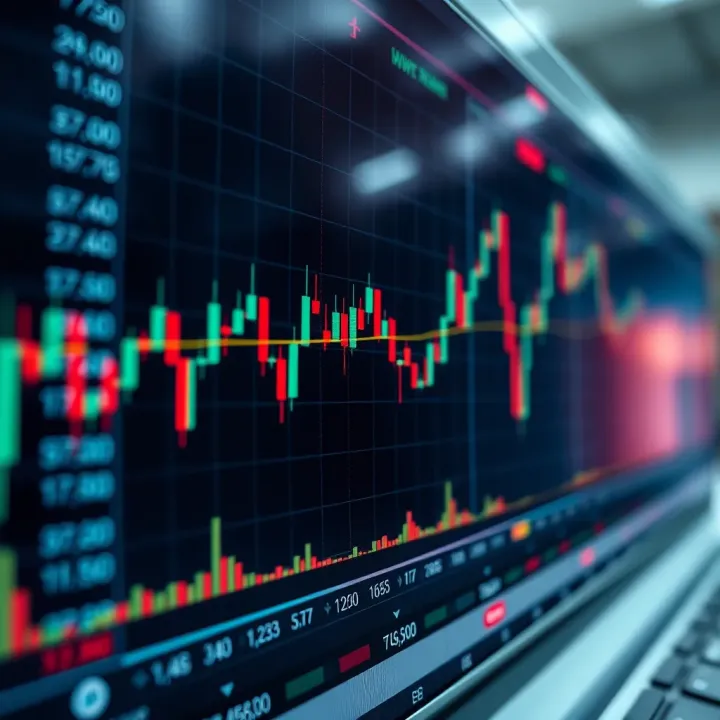
📈 Explore forex trading in South Africa with a clear guide on currency markets, trading strategies, risks, and practical tips to help you trade smarter today.
Based on 9 reviews