
Understanding Forex Trading in South Africa
📈 Explore forex trading in South Africa with a clear guide on currency markets, trading strategies, risks, and practical tips to help you trade smarter today.
Edited By
Charlotte Mitchell
Forex trading companies act as gateways into the global foreign exchange market, connecting South African traders to currency pairs from around the world. These companies provide the platforms, tools, and access needed to buy and sell currencies, but not all of them operate the same way—understanding their structure and regulatory setup is key for anyone looking to trade confidently.
In South Africa, forex brokers – a common type of trading company – serve as intermediaries between individual traders and the wider forex markets. They offer various account types, market access options, and levels of support. Most operate online platforms where you can trade major pairs like USD/ZAR or EUR/USD, alongside minors and exotics.
Choosing the right forex trading company requires paying close attention to their regulatory compliance. The Financial Sector Conduct Authority (FSCA) oversees brokers that have authorised licences to operate locally. Regulated brokers follow strict rules designed to protect your funds, ensure fair pricing, and provide transparency. Trading with an unregulated broker, by contrast, exposes you to higher risks like fraudulent practices or poor execution.
Beyond regulation, South African traders should consider the trading conditions offered:
Spreads and commissions: Lower spreads reduce costs, but watch out for broker markups.
Leverage options: While leverage can boost profits, excessive use risks significant losses.
Deposit and withdrawal procedures: Efficient, straightforward processes save time.
Trading platform usability: Platforms like MetaTrader 4, MetaTrader 5 or proprietary software offer different tools—choose what suits your style.
Customer service quality is often overlooked but essential. Local support with quick response times can make a big difference, especially when resolving urgent issues or navigating technical glitches.
A well-regulated, transparent forex trading company paired with responsible trading habits lays a solid foundation for success in South Africa's forex environment.
Understanding these basics equips you to sift through the many companies that claim to offer the best deals and ensures you pick a partner aligned with your trading goals and risk tolerance.
Forex trading companies serve as the essential link between individual traders and the global currency markets. Their main role is to provide access to buy and sell various currency pairs, which isn't something most people can do directly without going through a broker or an intermediary. In South Africa, where global economic fluctuations can quickly impact rand value, having a reliable forex company facilitates timely and efficient currency trading.
Forex companies act as intermediaries that connect you to the international foreign exchange market. They offer access to real-time market prices and enable you to execute trades instantly through their trading platforms. For example, a trader wanting to exchange rand (ZAR) for US dollars (USD) will do this via a forex broker’s system, which handles the actual currency conversion and trade execution. The broker also provides leverage, allowing traders to control larger positions with a smaller amount of capital — a common yet risky feature in forex trading.
Beyond just executing trades, these companies provide tools and systems to monitor currency price movements and place different types of orders — like limit or stop-loss orders — to help manage risks.
Trading platforms and software: The technology forex companies provide determines much of the trading experience. Most companies use user-friendly platforms such as MetaTrader 4 or MetaTrader 5, which offer charting tools, technical indicators, and automated trading options. These platforms are accessible on both desktop and mobile, making it easier for traders to stay connected to the markets anywhere in South Africa, whether at home, in the office, or on the move.
Educational resources and market analysis: Knowledge is power in forex trading. Leading forex companies often supply a range of educational content like webinars, tutorials, and articles tailored for different skill levels. They also provide daily or weekly market updates and analysis, highlighting key currency trends and economic events. This info empowers traders to make informed decisions rather than flying blind, which is especially helpful for South Africans keen to understand how international events might impact the rand.
Account management and customer support: Managing your account efficiently is crucial, and forex companies offer support services to handle everything from account setup to technical assistance. Good customer support ensures that if you run into issues with payments, trading platforms, or withdrawal processes, you get timely help. For South African traders, local or regionally aware support teams who understand the specific challenges around banking or payment methods make a big difference in a smooth trading experience.
Choosing a forex company isn't just about low fees or flashy ads; it's about the full suite of services that help you trade confidently and securely, with ready access to tools, learning, and support tailored to your needs.
In short, a solid forex trading company acts not only as a bridge to currency markets but also as a partner offering technology and guidance to help South African traders navigate the fast-changing currency world.
Regulation and safety measures play a vital role in forex trading, especially for South African traders navigating both local and global currency markets. These regulations aim to create a trusted environment, ensuring traders' funds are safeguarded and trading practices remain transparent and fair.
The Financial Sector Conduct Authority (FSCA) is the main regulatory body overseeing financial markets in South Africa, including forex trading companies. Its role involves licensing and supervising these companies to ensure they comply with rules designed to protect traders. The FSCA’s supervision covers issues like client fund segregation, capital adequacy, and transparent operational practices.
Many South Africans might overlook the FSCA's role, but their approval means a forex company has met minimum regulatory standards, reducing the risk for traders. For example, the FSCA requires firms to separate client money from the company’s operational funds, so if a broker experiences financial problems, your funds should remain protected.
Protecting client funds is a cornerstone of good regulatory practice. In South Africa, the FSCA mandates that licensed forex companies keep traders’ deposits in segregated accounts. This separation prevents misuse of funds and offers a safety net if the company faces insolvency. For instance, in the event of a broker collapsing, segregated accounts make it easier for traders to recover their investments rather than being lumped with the company’s creditors.
Ensuring fair trading practices is another important measure. The FSCA enforces rules that prevent brokers from manipulating prices or trade execution. This ensures traders receive genuine market prices and fair treatment when opening or closing positions. Without this, some unregulated brokers might delay executing trades or offer price quotes that disadvantage traders. Fairness in trading builds confidence and helps maintain a healthy market.
Mitigating fraud and scams is crucial in any investment sector, and forex is no exception. The FSCA actively monitors complaints and conducts investigations to protect South Africans from fraudulent schemes masquerading as legitimate brokers. For example, unlicensed entities often promise guaranteed returns or ask for upfront payments with no delivery of services. Regulatory oversight helps weed out these bad players and informs the public which companies to avoid.
Before trading, verify a company’s licence directly with the FSCA. This can be done by checking the FSCA’s public register, which lists all authorised forex companies. It's advisable to cross-check the company name, licence number, and contact details. Beware of companies using similar names to reputable brokers—always confirm the exact spelling and details.
Additionally, licensed companies will typically display their FSCA licence number on their website and marketing materials. If in doubt, reach out to the FSCA or consult trusted trading forums where other South African traders share their experiences.
Always confirm a forex company’s FSCA registration before committing funds—this simple step can save you from falling victim to scams or unreliable services.
In summary, respecting regulation in South Africa helps forex traders trade with peace of mind. The FSCA's framework protects funds, promotes fairness, and combats scams, making it easier to identify trustworthy trading companies in the local market.
Picking the right forex trading company can make a world of difference to your trading experience, especially here in South Africa where regulatory compliance and local market conditions matter. You want a broker who aligns well with your strategy, budget, and comfort level with risk. It’s not just about low costs or flashy platforms — the right company also supports safe and transparent trading, offers useful tools, and responds swiftly when you need help.
Cost structures and spreads play a big role in your potential profits. Brokers typically charge through spreads—the difference between the buying and selling price—or commissions. For example, a spread of 2 pips on the EUR/USD pair means you need the price to move at least that much before breaking even. Watch out for brokers advertising ultra-low spreads but making up for it with hidden fees like withdrawal charges or inactivity penalties. Always request a clear breakdown of all costs before signing up.
Range of currency pairs is about variety and diversification. Some forex companies offer a handful of major pairs like USD/ZAR or GBP/USD, while others list dozens of exotic pairs including emerging market currencies. If you want to trade the South African rand against less common currencies, confirm that your chosen broker provides access to those pairs. This variety also helps when you’re looking to hedge positions or try different strategies.
Leverage and margin options can amplify your gains but also your losses. A leverage of 1:100 means you can trade with 100 times your invested capital. While tempting to boost buying power, South African traders should be cautious, especially with volatile pairs like USD/ZAR. Look for brokers offering adjustable leverage and solid margin call policies to avoid blowing your account during sudden market swings.
Customer reviews and reputation give insight into a broker’s trustworthiness. Check forums like MyBroadband or trader communities for feedback on how the company handles withdrawals, platform issues, or disputes. For instance, a broker with lots of unresolved complaints about delayed payments might cause you headaches down the line. South Africans often report on local brokers’ responsiveness during high loadshedding periods — this is a good litmus test of their service reliability.
Ease of use and accessibility should match your trading experience and tech skills. For beginners, platforms like MetaTrader 4 offer simple interfaces and plenty of tutorials. More advanced traders may prefer MetaTrader 5 or cTrader for custom indicators and automated strategies. The point is that you shouldn’t feel lost trying to place a trade or check your balance.
Mobile and desktop availability matter because trading isn’t always confined to your desk. A broker with a robust, fast mobile app can save you when you’re away from home but need to act quickly on market moves. Compare features across devices: some apps limit charting tools or order types, which could restrict your style. For South Africans juggling daily commutes, having a reliable mobile platform is often a deal breaker.
Speed of execution and reliability impact your ability to enter and exit positions at intended prices. Look for brokers that advertise low latency and have servers close to Johannesburg or Cape Town to reduce delays. A slow or unstable platform can cause missed opportunities or unwanted losses, especially during volatile periods caused by events like SARB interest rate announcements or unexpected Eskom load shedding. Reliable uptime above 99.5% should be your minimum expectation.
Always test a broker’s platform using a demo account first. This helps you assess all these features in real trading conditions without risking any capital.
Making the right choice means balancing costs, platform performance, and trustworthiness. Given the local market’s quirks and regulations, picking a broker that fits your personal needs will give you a solid foundation for trading success.
Forex trading isn’t for the faint-hearted. It comes with risks that can cause significant losses if not properly managed. Understanding these common risks and how forex companies work to reduce them is vital for any South African trader wanting to step in with confidence.
The forex market is incredibly volatile, meaning prices can swing wildly in minutes. For example, unexpected political news in the US or a sudden change in the South African Reserve Bank's interest rates can cause sharp currency moves. While volatility offers profit chances, it also increases the risk of heavy losses.
Leverage allows traders to control larger positions with a relatively small deposit. South African companies often offer leverage ratios ranging from 1:10 to 1:100. But misuse can amplify losses beyond your initial investment, especially if the market moves against your position quickly. Traders must carefully consider their risk tolerance and avoid chasing large returns with excessive leverage.
Counterparty risks refer to the chance that the forex company itself might fail to meet its financial obligations or act against your interests. For South African traders, this risk becomes real if the company isn’t regulated by the Financial Sector Conduct Authority (FSCA). Some offshore brokers, which aren’t subject to local rules, may vanish or freeze accounts, making it hard or impossible to get your money back.
Platform outages happen when the trading software or website suddenly stops working. This can be a nightmare during volatile market hours when prices are moving fast, and decisions must be made instantly. For instance, if your platform goes down during the release of a major economic report, you might miss a stop-loss trigger or fail to enter exit trades on time. Reliable forex companies invest in robust infrastructure and back-up servers to minimise these disruptions.
Hidden fees can quietly eat into your profits and make trading more costly than expected. These might include deposit or withdrawal fees, inactivity charges, or widened spreads during volatile periods. South African traders should look for transparent fee schedules and read the fine print carefully before signing up. Some companies may advertise low spreads but charge hefty fees elsewhere, so it pays to do homework.
Stop-loss orders are essential tools that let traders set a limit on how much they can lose on a trade. When you place a stop-loss, your position automatically closes if the market reaches that price, protecting your capital during sudden swings. For example, if you buy USD/ZAR at 15.00, you can set a stop-loss at 14.50 to cap your loss at 50 cents per unit. Most South African brokerages provide this feature, but not all platforms execute stop-loss orders instantly, so confirm execution quality with your provider.
Negative balance protection is a safeguard that prevents traders from losing more money than they have in their accounts. This is particularly useful in South Africa during unexpected extreme events that cause rapid market gaps. With this protection, even if your leveraged positions suddenly go south beyond your deposit, your balance won't dip below zero. Many reputable FSCA-regulated companies include this feature to shield clients from catastrophic debt.
Understanding these risks and using the tools forex companies provide can mean the difference between a sustainable trading career and steep losses. Always choose a broker that is transparent, reliable, and offers solid risk management to support your trading journey.
Navigating the forex market can be tricky, especially with the variety of companies offering their services. This section provides practical advice tailored to South African traders, focusing on essential steps to start trading, as well as managing tax and legal responsibilities. These tips help ensure you engage with reputable companies and comply with local regulations.
Opening and funding an account is the first real step into forex trading. Most companies require basic identification documents due to South Africa's FICA (Financial Intelligence Centre Act) regulations. After account verification, funding options will vary but often include EFT, credit/debit cards, and increasingly digital wallets popular in SA like SnapScan. Choosing a broker that supports South African payment methods can save you high international transaction fees or lengthy delays.
Using demo accounts is a great way to familiarise yourself with the trading environment without risking real money. Demo accounts simulate real market conditions, giving you a feel for price movements and platform navigation. It's especially useful if you’re new to forex or switching to a new broker’s platform — you can test execution speed, tools, and order options before committing funds.
Access to local payment options matters more than many realise. Brokers that accept South African payment methods such as instant EFT or even QR payment apps reduce hassle and make funding and withdrawals faster. For example, brokers compatible with popular SA banks like FNB, Standard Bank, or Capitec help avoid costly foreign exchange and banking fees. This can also speed up your cash flow between trading and your bank account.
South African traders must report earnings to SARS (South African Revenue Service). Forex profits usually fall under capital gains or income tax, depending on your trading activity. Keeping detailed records of trades, deposits, and withdrawals helps during tax assessment and can prevent trouble later. Using accounting tools or apps to track these details is highly recommended.
When it comes to forex trading taxation, South Africans face specific rules. Frequent traders or those running trading as a business are typically taxed on profits as normal income, meaning you’ll pay tax according to your marginal rate. Casual traders might be subject to capital gains tax on profits after deducting allowable expenses. Either way, it’s wise to consult a tax professional familiar with forex to ensure compliance and optimise tax liabilities.
Remember: Staying transparent and accurate with tax declarations not only keeps you on SARS’ good side but builds trust with your broker, especially those registered in South Africa.
Being mindful of these practical steps and legal details will make your trading journey smoother and protect you from unexpected pitfalls. Traders who start with demo accounts, use local payment options, and manage their taxes properly are better prepared to trade confidently and safely in the local market.
📈 Explore forex trading in South Africa with a clear guide on currency markets, trading strategies, risks, and practical tips to help you trade smarter today.
🚨 Learn to spot and avoid common forex trading scams in South Africa. Stay informed on warning signs and protect your investments confidently. 💼💡
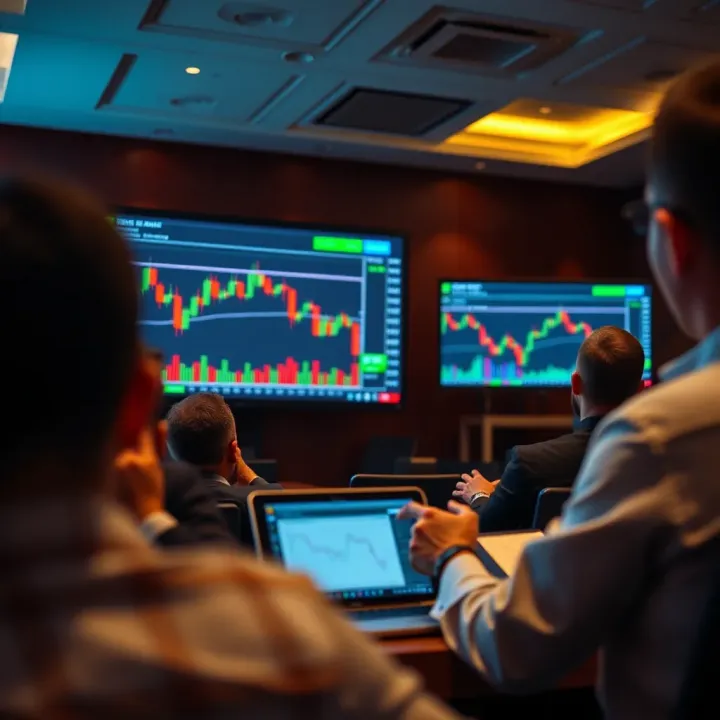
📈 Explore top forex trading seminars in South Africa! Discover benefits, key topics, and tips to select the right seminar to boost your trading skills effectively.

📚Thinking of learning forex trading in South Africa? Discover top schools, how they work, tips for choosing the right program, and resources for success.💡
Based on 15 reviews