

Where to Study Risk Management in South Africa
Explore top South African schools for risk management 🎓. Learn about courses, accreditation & career paths to choose the best study option locally 📚.
Edited By
Oliver Hughes
Postgraduate studies in risk management offer a sharp edge for professionals navigating South Africa’s complex economic and regulatory environment. Whether you're a trader, investor, financial analyst, broker, or stockbroker, understanding risk beyond the basics is essential to safeguard investments, optimise decision-making, and comply with local regulations.
Risk management at this level goes deeper than just spotting threats—it blends theory with hands-on skills, from analysing market volatility to assessing political and operational risks unique to South Africa. For example, when dealing with Eskom’s loadshedding impact on industries or the regulatory shifts in the JSE, a solid grasp of risk helps professionals adapt and anticipate setbacks.
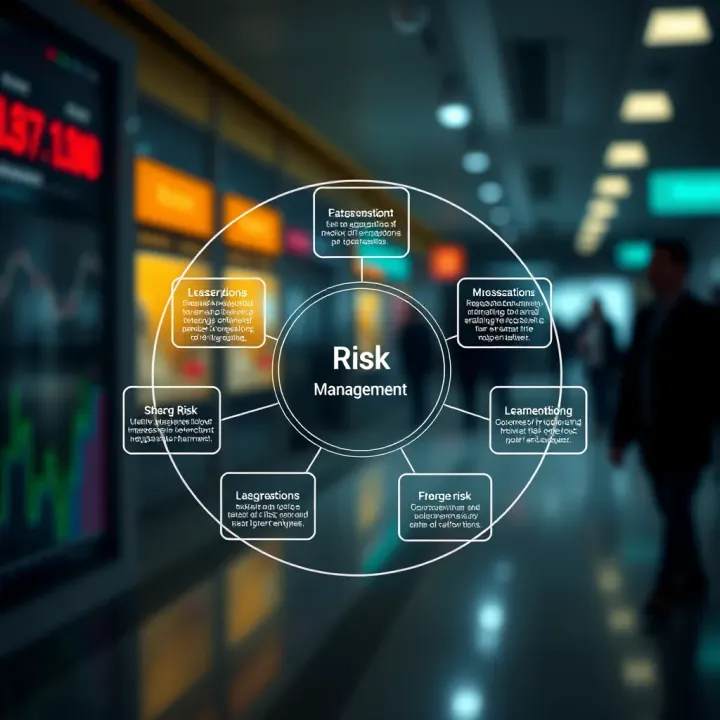
Risk identification and assessment tailored to financial markets and business contexts
Legal and regulatory frameworks relevant to South African institutions
Quantitative methods for measuring and modelling financial risk
Practical strategies for mitigation across sectors such as banking, insurance, and public services
Honours and Masters programmes at universities like University of Cape Town or Wits
Diplomas offered by recognised private colleges and professional bodies
Online courses designed to fit working professionals’ schedules
The sector promises expanding career prospects. Graduates often find roles in risk advisory, compliance, portfolio management, and strategic planning, addressing challenges like exchange rate fluctuations or credit risk.
Strong risk management skills can mean the difference between hefty losses and sustainable growth, especially in South Africa’s fast-evolving markets.
Navigating this field means equipping yourself not just academically but with real-world savvy. This guide aims to help you map out your postgraduate journey and sharpen your expertise to thrive in South Africa’s financial and business sectors.
Grasping the basics of risk management is essential for anyone looking to work in finance, trading, or investing in South Africa. Understanding risk isn't just about avoiding losses; it's about recognising potential challenges and finding ways to manage them before they impact your goals. This section breaks down what risk means, types of risks you'll encounter, and how you assess and mitigate these risks in practice.
Risk comes in various forms, especially in financial markets and corporate environments. For example, market risk involves fluctuations in share prices or interest rates that can affect investments. Then there’s credit risk, which arises when a borrower defaults on loans, something banks and bond investors are wary of. South African businesses also face operational risks, like system failures or fraud, and regulatory risks stemming from changing laws and compliance requirements.
Beyond finance, South African society deals with risks such as political uncertainty, which can affect investor confidence, and socio-economic challenges like high unemployment and infrastructure weaknesses. Take the energy sector: Eskom’s ongoing load shedding introduces a direct risk to manufacturing and service industries that rely on consistent power supply.
Studying risk management teaches you how to identify, measure, and reduce risks in a structured way. Assessment starts with recognising risks that could affect your objectives, followed by analysing their likelihood and potential impact. Tools like risk matrices or value-at-risk (VaR) models help quantify exposure.
Mitigation involves actions to limit risk impact. This could be diversifying investments to reduce market exposure or having backup power systems in a factory to counter outages. The key is to develop plans that balance risk and reward, ensuring businesses or portfolios don't take on more risk than they can handle.
"Effective risk management isn’t about eliminating risk but managing it wisely to preserve value and seize opportunities."
South Africa's unique economic landscape shapes the risk environment significantly. Volatile exchange rates, especially the rand’s fluctuations, can affect import costs and investment returns. Rising inflation alters consumer spending, challenging businesses' forecasting.
Social factors such as inequality and political shifts influence consumer confidence and market stability. For instance, protests or strikes often disrupt supply chains, causing delays and additional costs. Understanding these local conditions helps risk managers tailor strategies that anticipate such disruptions.

South Africa has a robust legal framework governing risk management, particularly in banking, insurance, and financial markets. Regulations like the Financial Sector Conduct Authority (FSCA) guidelines and the King Reports on Corporate Governance require organisations to implement sound risk practices.
Compliance with laws such as the Protection of Personal Information Act (POPIA) adds another layer of risk relating to data privacy, especially for financial institutions handling sensitive data. Postgraduate students specialising in risk management learn to navigate these regulations, ensuring their future employers meet regulatory obligations and avoid costly penalties.
Understanding these basics sets the foundation for more advanced risk management studies, equipping you to handle practical challenges in South African financial and corporate sectors effectively.
Postgraduate studies in risk management offer a pathway to deepen your understanding and sharpen your skills for managing uncertainty in South Africa's complex economic and regulatory environment. For traders, investors, and financial analysts, a formal qualification not only enhances credibility but also equips you with techniques to identify risks beyond the surface—be it in markets influenced by political shifts, fluctuating commodity prices, or regulatory developments.
South Africa's universities and business schools provide a range of postgraduate options in risk management. Typically, you can enrol for master's degrees such as the Master of Commerce in Risk Management or postgrad diplomas focused specifically on financial risk or enterprise risk management. Institutions like the University of Pretoria, University of Witwatersrand, and Stellenbosch Business School lead these offerings. These programmes are tailored to suit working professionals aiming to deepen their expertise without a full PhD commitment.
With the busy schedules common in financial sectors, South African postgraduate programmes often allow for flexible enrolment. You can choose full-time study if you’re starting afresh, or part-time options if you’re balancing work and study. Online courses are increasingly popular, especially due to travel constraints and loadshedding disruptions. Choosing the right mode depends on your professional commitments and preferred learning style—whether it’s face-to-face interaction or the convenience of remote lectures.
Quantitative risk analysis and modelling: This subject develops your ability to apply statistical tools and financial models to measure and forecast risk. For example, you might learn to use Monte Carlo simulations or Value at Risk (VaR) calculations to evaluate investment portfolio risks under volatile market conditions common in emerging economies like South Africa’s.
Strategic risk management and leadership: Beyond numbers, this area trains you to align risk strategy with organisational goals and to communicate effectively with stakeholders. You’ll explore how leaders navigate risk culture and influence decision-making—skills crucial for roles such as compliance managers or risk consultants in local banks or asset management firms.
Regulatory frameworks and ethics: South Africa’s dynamic legal environment demands careful compliance. Postgraduate courses cover laws like the Financial Sector Regulation Act and King IV Report principles, while emphasising ethical conduct. This ensures you’re not only following the letter of regulations but also fostering transparent, accountable practices within your organisation.
A solid grounding in both technical skills and leadership qualities prepares you to anticipate risks early and steer your team or clients through uncertain waters, whether that’s a sharp rand depreciation or shifting market regulations.
In sum, postgraduate studies in risk management are practical investments for South African finance professionals looking to stay ahead. They combine theory and real-world application tailored to local market nuances, setting you up to make smart, informed decisions amid rapid change.
Risk management qualifications open doors across various sectors, especially in South Africa where economic and regulatory environments are often unpredictable. Postgraduate studies equip you with the skills to identify, assess, and manage risks effectively, making you an asset to employers looking to protect their operations and investments.
Financial services and banking
The financial sector registers a strong demand for risk professionals due to constant market fluctuations, regulatory changes, and credit risks. Banks and insurers, such as FNB and Old Mutual, rely on risk managers to develop models that anticipate potential losses and ensure compliance with the Financial Sector Conduct Authority (FSCA). For traders and investors, understanding risk frameworks in banks enhances decision-making and portfolio management.
Energy and infrastructure
South Africa faces unique risks in energy, largely thanks to Eskom's loadshedding and infrastructure maintenance challenges. Risk managers here assess operational, financial, and regulatory risks, often working with Eskom or private renewable energy firms. Their role extends to evaluating the impact of policy changes, investment risks in new technologies, and environmental compliance. This is especially important in infrastructure projects where delays or cost overruns affect both public services and private investors.
Manufacturing and supply chain
Manufacturers and supply chain operators face risks related to logistics, supplier reliability, and demand fluctuations. Companies in Gauteng or the Durban port precinct often employ risk managers to monitor these risks, ensuring minimal disruption and safeguarding supply lines. Given South Africa’s vulnerabilities, such as transport strikes or customs delays, proactive risk assessment keeps production on track and inventory lean.
Risk analyst, compliance officer, and consultant roles
Risk analysts dig into data, spotting trends that could lead to financial losses or regulatory breaches. Compliance officers focus on ensuring companies meet the requirements set by bodies like the FSCA and the South African Reserve Bank (SARB). Risk consultants advise businesses on custom strategies, often tailoring solutions for South African market realities—think regulatory nuances or B-BBEE-related risks. These roles typically overlap but require a sharp eye for detail and firm grasp of local and international regulations.
Emerging roles in cyber and environmental risk
With digital threats rising, cyber risk managers are essential for protecting sensitive financial data. South African banks and firms increasingly invest in cybersecurity risk professionals who manage threats from fraud to ransomware attacks. Environmental risk roles, by contrast, have grown due to climate change impact and stricter environmental laws. Companies in mining or agriculture, for example, hire experts to evaluate risks related to water usage, land degradation, and carbon emissions.
Building a career in risk management not only widens your job prospects but also places you at the centre of decision-making that shapes South Africa's economic resilience and sustainability.
Risk management in South Africa requires a tailored approach due to the country's unique socio-economic conditions, regulatory frameworks, and infrastructural challenges. Organisations and public bodies must navigate not only financial and operational risks but also risks stemming from economic inequality, unemployment, and loadshedding. Applying risk management effectively in local settings helps prevent costly project delays, regulatory penalties, and damage to reputation.
Service delivery in South Africa’s public sector frequently faces hurdles like inadequate funding, skills shortages, and community protests. Risk management here means identifying factors that could disrupt projects early on, such as supplier delays or failure to comply with tender regulations. For example, a municipality rolling out water infrastructure must plan for potential contractor bankruptcies or extended loadshedding that hampers construction schedules. Proactive risk strategies, like diversifying suppliers or scheduling critical work during Eskom’s lower loadshedding stages, can prevent stalls.
Strong governance frameworks help contain risks linked to corruption, fraud, and mismanagement which have historically challenged public projects. Effective risk management in this arena involves implementing transparent procurement processes, regular audits, and clear reporting lines. The Public Finance Management Act (PFMA) acts as a backbone ensuring accountability. Officials trained in risk oversight can detect early warning signs of project misdirection, allowing swift course corrections before issues escalate.
Businesses operating in South Africa face specific risks related to Broad-Based Black Economic Empowerment (B-BBEE). Non-compliance or misalignment with B-BBEE codes can result in lost tender opportunities and damage to corporate reputation. Risk management professionals help firms assess their B-BBEE status continuously and adapt strategies accordingly, such as engaging in meaningful supplier development or skills initiatives. This proactive approach safeguards access to government contracts and supports sustainable growth.
Besides regulatory demands, companies are expected to contribute positively to society, especially in historically marginalised communities. Managing risks tied to corporate social responsibility (CSR) involves aligning projects with genuine community needs while avoiding token gestures that could backfire. For instance, a mining company investing in local schools must ensure long-term commitment to avoid community distrust. Proper risk assessment balances business goals, community expectations, and environmental stewardship to strengthen social licence to operate.
Effective risk management in South African contexts goes beyond ticking boxes — it’s about understanding local realities and crafting practical, ethical solutions that protect both business and communities.
In summary, applying risk management in South Africa means blending technical skills with an acute awareness of local challenges and opportunities. Postgraduate training equips risk managers to navigate these complexities, ensuring both public projects and corporate ventures thrive amid uncertainties.
Strong practical skills in risk management are essential for navigating South Africa’s complex business and economic environment. These skills enable postgraduate students and professionals to identify, assess, and respond effectively to risks, from market volatility to regulatory changes. Whether working in finance, energy, or public sectors, applying hands-on techniques sharpens decision-making and ensures organisations stay resilient against unexpected shocks.
Data analysis software plays a vital role in modern risk management, offering the means to sift through vast datasets to spot risk patterns and trends. In South Africa, platforms like SAS, Microsoft Power BI, and open-source options such as R and Python are commonly used for quantitative analysis. These tools help risk managers model scenarios, forecast outcomes, and quantify exposure levels efficiently. For instance, banks often rely on these software suites to monitor credit risk exposure while considering local economic indicators such as inflation rates and exchange fluctuations.
Scenario planning and stress testing are practical techniques that prepare organisations for adverse situations. Scenario planning involves creating detailed, plausible future risk events—like escalations in load shedding or sudden shifts in commodity prices—and then developing response strategies. Stress testing, often mandated in the financial sector by regulators, simulates extreme but possible conditions to see how firms’ portfolios would react. Together, these methods improve organisational readiness and reveal vulnerabilities before they become critical.
Engaging stakeholders effectively involves clear, transparent communication tailored to different audiences. Risk managers must bridge gaps between technical teams, executives, and regulators, ensuring everyone understands potential risks and mitigation plans. In South Africa, where organisations may engage a diverse workforce and partners, cultural sensitivity and attentiveness to local contexts strengthen these efforts. This skill helps build trust and fosters collaborative risk ownership.
Influencing decision-making and risk culture means more than presenting facts; it requires inspiring a shared commitment to managing risks proactively. Risk managers often guide boards and leadership teams in embedding risk awareness into everyday business practices. This shifts organisational culture toward one that values foresight and accountability. For example, encouraging open discussions about compliance with B-BBEE requirements or emphasising cyber risk preparedness promotes a stronger, risk-informed workplace.
Developing both technical and interpersonal skills equips postgraduate students in risk management to meet South Africa’s unique challenges head-on, ensuring they add real value across sectors.
Explore top South African schools for risk management 🎓. Learn about courses, accreditation & career paths to choose the best study option locally 📚.

Understand a degree in risk management in South Africa 🏢. Learn about key modules, career paths in finance, insurance & governance, all within our unique business climate.

🔍 Learn effective fraud and risk management strategies tailored for South African businesses to detect, prevent, and respond to threats confidently.

Manage forex risks smartly with practical tools, strategies, and local insights 🇿🇦. Learn to assess and plan effectively for South African traders & businesses.
Based on 11 reviews