

Effective Fraud and Risk Management in South Africa
🔍 Learn effective fraud and risk management strategies tailored for South African businesses to detect, prevent, and respond to threats confidently.
Edited By
Henry Collins
Risk management isn’t just a corporate buzzword in South Africa—it’s a vital discipline that helps businesses navigate uncertainty and make smarter decisions. A degree in risk management offers more than just theory; it builds practical skills to spot potential threats and develop strategies to reduce their impact.
In South Africa, where financial markets can be volatile and socio-economic challenges are frequent, understanding risk is crucial. This degree prepares students to analyse risks in industries like banking, insurance, mining, and corporate governance. You’ll learn to balance risk and reward in decision-making processes, a skill prized by employers managing portfolios or overseeing compliance.

Beyond textbooks, South African universities shape modules around local business realities. For example, credit risk analysis is tailored to a market where consumer credit demand changes sharply during the festive season or when municipal services affect cash flow. Operational risk management emphasises strategies to cope with loadshedding disruptions and supply chain hiccups.
Students typically engage with subjects such as:
Risk assessment methods and quantitative analysis
Financial risk management including market and credit risk
Corporate governance, compliance, and ethics
Insurance principles and claims management
Disaster recovery and business continuity planning
Completing this degree opens doors to roles like financial risk analyst, compliance officer, insurance underwriter, or corporate risk consultant. Many graduates find themselves working closely with compliance teams to meet regulations like the Financial Sector Conduct Authority (FSCA) requirements or protecting assets from economic changes.
A solid grounding in risk management is a practical investment for South Africans navigating a complex economic environment fraught with uncertainties.
In short, this qualification helps you think critically about what can go wrong—and how to make things right again. Whether your focus is on markets, insurance, or governance, understanding risk in South Africa’s unique context is a must.
A degree in risk management provides a solid foundation in recognising and handling potential threats that could impact businesses. This is vital for traders, investors, and financial analysts who face fluctuating markets and economic pressures regularly. Knowing which risks to watch out for, how to evaluate them, and ways to respond can save companies millions and keep operations running smoothly.
Risk identification and assessment techniques focus on spotting possible dangers before they become a problem. For example, in trading, this means recognising market volatility, credit risks, or geopolitical events that could influence investment returns. Students learn to use tools like risk registers and scenario analysis to pinpoint vulnerabilities.
Strategies for risk mitigation and control teach how to reduce or manage identified risks. This can range from hedging strategies in financial markets to implementing controls in operational processes. Practical examples include diversifying asset portfolios to spread investment risk or setting credit limits to prevent bad debt.
The use of quantitative and qualitative analysis tools is crucial. Quantitative methods like statistical modelling and Value at Risk (VaR) calculations give precise estimates of potential losses. Meanwhile, qualitative tools involve expert judgement and stakeholder input to assess risks less easily measured by numbers, such as reputational damage or regulatory changes.
Finance and investment risk are front and centre for many local professionals. South Africa’s evolving markets, currency fluctuations, and interest rates require thorough risk assessment. For instance, traders must keep a close eye on rand volatility against the dollar, which affects import/export costs and investment values.
Operational risks in mining and manufacturing are another focal area. Mining companies need to manage risks related to safety, machinery breakdowns, or unstable commodity prices. Manufacturers must consider supply chain disruptions exacerbated by loadshedding or transport strikes, affecting production schedules.
Compliance with regulatory frameworks such as FICA (Financial Intelligence Centre Act) and POPIA (Protection of Personal Information Act) is mandatory for South African firms. Risk managers help companies avoid hefty fines and reputational damage by ensuring proper due diligence and data protection. This means creating robust systems to verify customer identities and safeguard sensitive information.
A risk management degree equips you with specific techniques and knowledge to assess and handle a wide spectrum of risks, tailored to South Africa's unique economic and regulatory environment.
Having a clear grasp on these areas prepares graduates for real-world challenges, especially in finance and industry sectors crucial to the South African economy.
Understanding the structure of a risk management degree is key to recognising how the course prepares you for real-world challenges. The layout of modules—from foundational subjects to advanced topics and hands-on training—builds a solid knowledge base while sharpening your practical skills. This combination ensures that when you step into sectors like finance or corporate governance, you can assess and address risks effectively.
Introduction to risk management principles sets the groundwork by explaining what risk means in various contexts and why managing it matters. It covers how risks can affect financial assets, operations, or compliance, introducing you to common terms and techniques. For example, understanding the difference between inherent risk and residual risk will help when evaluating investment portfolios or company exposures.
In financial markets and instruments, the focus shifts to how markets function and the types of tools used for investments. You get to grips with stocks, bonds, derivatives, and how these instruments carry different risk profiles. This knowledge is vital for traders and analysts who must factor market volatility or credit risk into their decisions.
Quantitative methods and statistics bring numbers into the picture. You'll learn how to apply statistical models and data analysis to predict potential losses or probabilities of adverse events. A solid grasp here is useful for creating risk models that suit particular South African market conditions, such as dealing with exchange rate swings or inflation impacts.
Enterprise risk management (ERM) frameworks raise the perspective to a company-wide level, teaching how to implement systems that identify, evaluate, and manage a variety of risks across departments. Knowing frameworks like COSO or ISO 31000 equips you to build cohesive strategies that keep businesses resilient.
Project risk management focuses on pinpointing and managing threats that could derail specific initiatives. For instance, a mining project in a South African province might face environmental or regulatory risks. This module trains you to plan contingencies and allocate resources efficiently.
Finally, case studies and internships in South African companies offer a hands-on glimpse into everyday risk challenges. Working with firms dealing with loadshedding or compliance to POPIA adds real-world weight to your learning, helping you see how concepts translate into actions in local settings.

Gaining exposure to both theoretical frameworks and practical application through internships can set you apart when entering South Africa's competitive job market in risk management.
Together, these course components provide a rounded education, ensuring you're ready to tackle the unique risks present in South African industries and financial markets.
A degree in risk management opens doors across various sectors in South Africa, reflecting the country's diverse economic landscape. Graduates gain skills sought after in banking, insurance, corporate governance, and public service. This range offers flexibility, enabling career growth in areas that directly influence financial stability and organisational resilience.
These sectors remain the biggest employers of risk management graduates. Banks in South Africa require risk professionals to monitor credit risk, market fluctuations, and operational lapses especially in times of economic uncertainty and currency volatility. For instance, a risk analyst at a major bank might analyse the impact of rand depreciation on foreign investments or loan repayment abilities.
Insurance companies also rely heavily on risk managers to estimate insurance premiums and manage claims risks, particularly for sectors affected by weather events or economic shifts. Careers here offer a hands-on role in designing policies that balance customer needs and company solvency.
Risk management graduates step into corporate governance roles tasked with ensuring companies operate within the laws and regulations of South Africa. Companies listed on the Johannesburg Stock Exchange must comply with the King IV report on governance, requiring dedicated personnel to oversee risk and compliance.
These roles involve developing frameworks to manage risks related to fraud, corruption, or non-compliance with financial reporting standards. Graduates may work for multinational corporations or local businesses navigating complicated legal environments.
The public sector in South Africa increasingly recognises the value of robust risk management. Government departments and municipalities face challenges such as service delivery risks, corruption and infrastructure maintenance.
Risk graduates can contribute to strengthening these areas through roles focused on audit, risk assessment and policy development. For example, a municipal risk officer may develop strategies to manage water supply risks amid drought conditions, ensuring continuity of essential services.
Starting points for many graduates include risk analyst and officer roles where they gather data, identify potential threats, and recommend mitigation measures. Analysts play a critical role in scanning for signs of financial instability or operational disruptions within an organisation.
In South Africa, this could mean identifying risks posed by loadshedding schedules on supply chains or tracking compliance with the Financial Intelligence Centre Act (FICA). These roles build a foundation for understanding business risks at multiple levels.
With experience, risk professionals can progress to chief risk officer (CRO) positions, responsible for the overall risk strategy and reporting directly to executive management and boards.
The CRO’s task is complex, balancing risk appetite with business growth goals, for instance deciding how much exposure a bank should accept during uncertain global markets. In South Africa, CROs must also consider social risks like labour unrest that could impact operations.
Many seasoned risk graduates turn to consultancy, advising clients on risk frameworks and compliance. Consultants often help businesses adapt to changing regulations such as the Protection of Personal Information Act (POPIA).
These roles require strong analytical skills and local knowledge. For example, consulting firms might support mining operations in assessing environmental risks or assist startups in building enterprise risk management from scratch.
A degree in risk management not only equips you with technical skills but connects you with roles that shape how South African companies and institutions navigate complex risks.
These career routes demonstrate the real-world impact and growing need for risk professionals in South Africa’s dynamic economic environment.
Accreditation, membership of professional bodies, and options for further study form the backbone of a credible risk management qualification in South Africa. They ensure that your degree holds value, aligns with industry standards, and opens doors for career growth. For traders, investors, financial analysts, brokers, and stockbrokers, understanding and choosing accredited programmes and recognised certifications can be the difference between getting hired and missing out.
The Council on Higher Education (CHE) is the official body responsible for quality assurance of higher education in South Africa. When a risk management degree programme is accredited by the CHE, it guarantees that the curriculum meets national standards and covers the necessary competencies. This accreditation also means that the qualification is recognised by employers, professional bodies, and other educational institutions. For you, that means your degree is backed by a recognised authority, which helps when applying for jobs or postgraduate studies.
Risk Management South Africa (RMSA) is a professional organisation dedicated to representing risk practitioners locally. Being a member or having a qualification recognised by RMSA signals that you adhere to industry ethics and best practices. It also provides access to networking opportunities, industry updates, and continuing professional development. For professionals trading or working within regulated environments, membership offers a platform to stay current with South African regulatory changes, especially in sectors impacted by FICA and POPIA.
South Africa’s National Qualifications Framework (NQF) sets levels and standards for all qualifications. A risk management degree aligned with the NQF ensures that the knowledge and skills acquired meet national benchmarks, making your qualification portable and recognised across industries. This compliance is important for career advancement or when pursuing further study, as it allows for credit recognition and seamless progression within the education system.
After completing your undergraduate degree, pursuing an honours or master’s degree in risk management or a related field like finance or business administration sharpens your expertise. Advanced studies often focus on strategic and enterprise risk management, research methodologies, or specialised areas such as cyber risk. This deepened knowledge boosts your credibility and prepares you for senior roles like chief risk officer or consultancy positions.
Certifications like the Certified Risk Manager (CRM) complement academic qualifications by focusing on practical skills and industry standards. These designations are widely respected within South African financial sectors and provide an edge when competing for roles requiring specific risk management competencies. They also tend to be shorter, modular courses, enabling working professionals to upgrade skills without prolonged study absence.
The risk landscape, especially in South Africa, evolves constantly with regulatory shifts, technological advances, and unique challenges like loadshedding. Workshops and short courses offer a practical way to stay ahead—covering topics like cyber security, compliance updates, or environmental risk management. They often involve case studies and interactive sessions tailored for busy professionals aiming to quickly apply new knowledge in their roles.
Staying accredited and engaged with professional bodies not only elevates your resume but ensures your skills remain relevant in a fast-changing market. For anyone investing or analysing financial risk in SA’s complex environment, this ongoing commitment pays off.
A degree in risk management holds particular value in South Africa due to the specific business hurdles faced here. The country's economic landscape is influenced by factors like Eskom's loadshedding schedules, complex regulatory frameworks, and evolving governance standards. Understanding how this qualification prepares graduates to navigate these challenges offers practical insights for anyone involved in finance, investment, or business operations.
Eskom’s loadshedding disrupts electricity supply unpredictably, directly affecting business productivity and costs. A risk management graduate learns to anticipate these interruptions, develop contingency plans, and assess the financial implications. For example, a manufacturing plant can schedule critical production phases around known loadshedding blocks or invest in backup power solutions like generators or solar systems. These measures help maintain operational continuity and safeguard revenue.
South African industries often face supply chain risks due to infrastructure bottlenecks, transport delays, or strikes. The risk management degree covers techniques to identify weak points in supply chains, evaluate supplier risks, and implement mitigation strategies. For instance, businesses might diversify suppliers or use local sourcing to reduce vulnerability. These proactive steps reduce downtime and avoid costly disruptions, keeping supply lines more reliable.
Preparing for unexpected events goes beyond loadshedding—risks include labour strikes, cyber attacks, or sudden regulatory changes. Graduates learn to design business continuity plans that enable companies to keep running during crises. These plans include clear communication protocols, emergency resource allocation, and backup operational processes. A retailer in Gauteng, for example, can use such planning to stay open during supply delays or alerts from municipal service disruptions.
The Protection of Personal Information Act (POPIA) sets strict rules for data handling. Risk management students are trained to assess compliance risks and address cyber security threats that put sensitive client information at risk. This includes recommending data security measures like encryption, staff training, and incident response strategies. Compliance not only avoids hefty fines but also builds client trust, a vital asset in financial and brokerage services.
Financial institutions operate under layers of regulation from bodies like the South African Reserve Bank and the Financial Sector Conduct Authority. Degree holders understand how to implement risk controls to comply with these rules, manage capital adequacy, and prevent money laundering. For example, a risk analyst may develop monitoring systems ensuring that transactions meet Financial Intelligence Centre Act (FICA) requirements, reducing the firm's exposure to regulatory penalties.
South African businesses increasingly face pressure to consider environmental, social, and governance (ESG) factors. Risk management graduates evaluate the impact of business activities on communities and ecosystems, aligning strategies with global and local sustainability criteria. This is critical for investor confidence and long-term viability. A mining company might, for instance, assess risks related to water usage or community relations to avoid backlash and secure operating licences.
Risk management education tailored to South African specifics equips graduates to handle real-world challenges—from Eskom's loadshedding to POPIA compliance—and positions them as valuable assets within any industry.
This pragmatic approach ensures that students aren't just learning theory but gaining tools to protect businesses in a uniquely South African context.
🔍 Learn effective fraud and risk management strategies tailored for South African businesses to detect, prevent, and respond to threats confidently.

🔍 Learn practical fraud risk management tactics tailored for South African businesses—identify, prevent, detect, and respond effectively to reduce losses and protect your reputation.

Explore top South African schools for risk management 🎓. Learn about courses, accreditation & career paths to choose the best study option locally 📚.
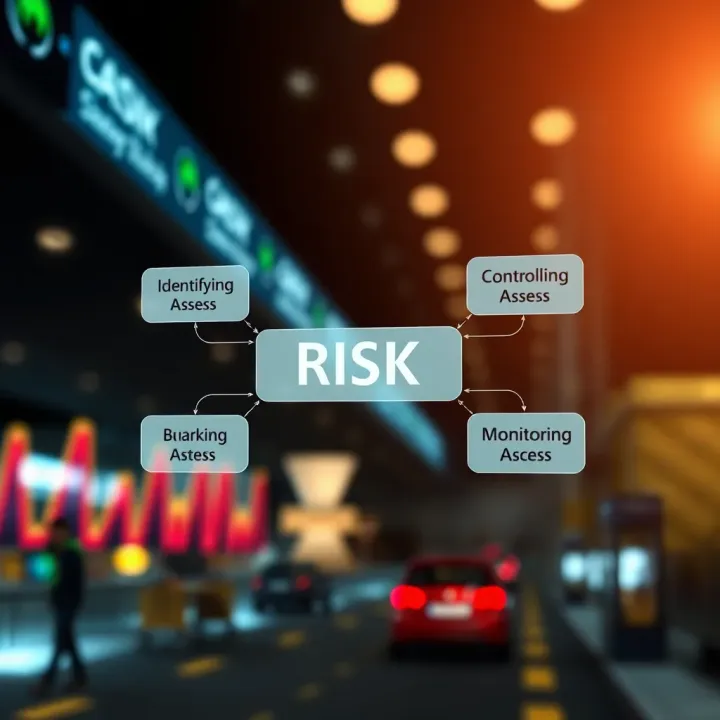
📊 Explore the core functions of risk management—identify, assess, control, monitor—to protect your business and aid smarter decisions in South Africa.
Based on 12 reviews