

Fraud Risk Management Strategies in South Africa
🔍 Learn practical fraud risk management tactics tailored for South African businesses—identify, prevent, detect, and respond effectively to reduce losses and protect your reputation.
Edited By
Charlotte Moore
Managing risk in forex trading involves more than just guessing exchange rate moves. It requires a clear plan, practical tools, and discipline. Traders and businesses in South Africa face unique challenges, such as rand volatility, regulatory requirements like FICA (Financial Intelligence Centre Act) compliance, and the impact of global events on currency pairs.
Understanding forex risk is the starting point. Common types include:
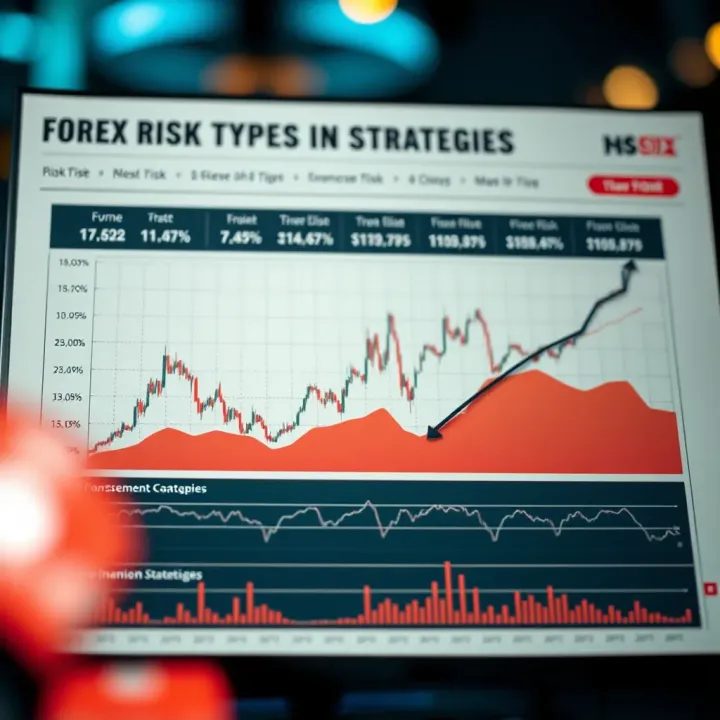
Market risk: Changes in exchange rates affecting positions
Liquidity risk: Difficulty entering or exiting trades without big price shifts
Credit risk: Counterparty failure in settlements or contracts
Effective management means actively controlling these risks rather than just reacting. For instance, a Johannesburg-based importer might hedge by locking in forward contracts to avoid nasty surprises from rand-dollar swings.
Risk management in forex isn’t about eliminating risk but managing exposure to protect capital and ensure sustainable profit margins.
South African traders should use tools such as stop-loss orders and position sizing aligned with their risk tolerance. Assessing risk also involves checking forex broker credibility, reviewing spreads, and monitoring leverage carefully — high leverage can magnify both gains and losses.
Developing a robust risk management plan includes:
Defining clear risk limits for each trade
Implementing real-time tracking of open positions
Regularly reviewing and adjusting strategies based on market conditions
One practical insight is to keep abreast of economic indicators like SARB interest rate decisions or US Federal Reserve moves, which heavily influence forex volatility. Several forex guides and PDF handbooks tailored to South African markets can simplify these concepts.
In short, risk management is an essential element of forex trading success. It helps protect your capital, manage expectations, and navigate the rollercoaster of currency movements with more confidence and control.
Grasping the basics of forex risk is the foundation of trading success. Without a solid understanding, traders might find themselves exposed to unexpected losses or blown positions. Knowing how different risks affect the foreign exchange market helps you prepare strategies tailored to your trading style and financial goals.
Market risk in forex trading refers to the chance of losing money due to changes in currency prices. The forex market is inherently volatile because currencies fluctuate constantly based on supply and demand, economic data, and global events. For instance, if you bought USD/ZAR expecting the rand to weaken but instead it strengthens due to better-than-expected economic data from South Africa, you face a market loss. This risk is the most visible and commonly considered in forex trading.
Credit and liquidity risks concern the reliability and ease of executing trades. Credit risk happens if your broker or counterparty fails to fulfil their obligations, potentially leaving you unable to close a position or withdraw funds. Liquidity risk arises when markets thin out, making it harder or costlier to enter or exit trades. During major events or outside of South African trading hours, you might see wider spreads or delays, increasing trading costs unexpectedly.
Operational and political risks can be less obvious but just as impactful. Operational risk involves technical failures, human error, or fraud. Imagine a system crash during loadshedding disrupting your trade execution. Political risks, especially relevant in South Africa, include sudden policy changes or instability affecting currency values. The rand often reacts sharply to political developments or government announcements, which can lead to abrupt price swings.
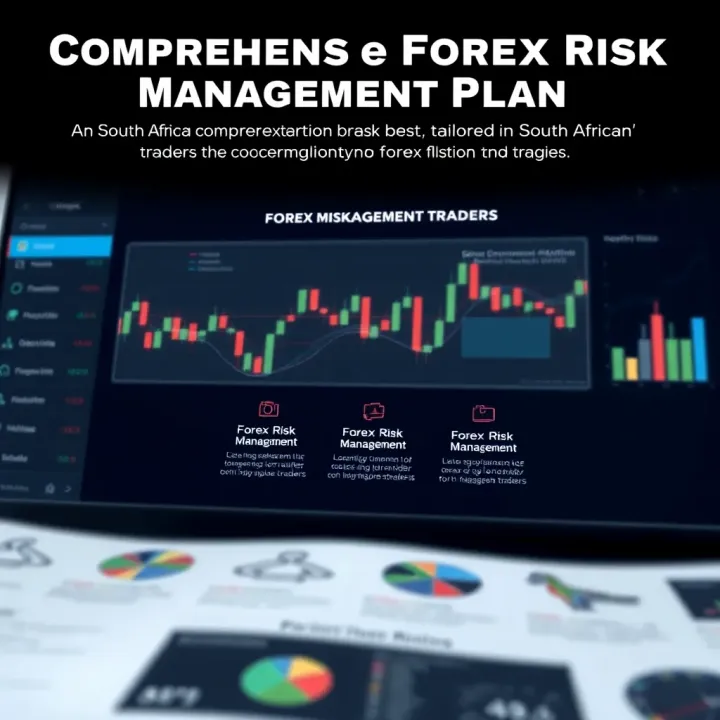
Volatility and exchange rate fluctuations mean that currency values can swing fast and unpredictably. Volatility spikes during events like interest rate announcements or geopolitical crises. For South African traders, the rand’s volatility is influenced by both domestic factors—like mining output or economic growth—and global factors like commodity prices or US Federal Reserve decisions.
Leverage and margin considerations amplify both potential gains and losses. Many forex brokers offer leverage ratios that can be quite high, sometimes up to 1:100 or more. While this means you only need to put down a fraction of the trade value as margin, it also magnifies losses. A small adverse move can wipe out your initial margin, so managing leverage carefully is vital.
Economic indicators and geopolitical events affect forex prices by shaping investor confidence and expectations. In South Africa, indicators like GDP growth, inflation rates, and unemployment figures influence the rand’s value. Geopolitical events such as elections, strikes, or trade disputes can create uncertainty, making traders nervous and causing sudden market moves. For example, during periods of election uncertainty, the ZAR often comes under pressure as investors hesitate.
Understanding these risks helps you build a trading plan that reflects market realities and your own financial situation. Better knowledge means better decisions.
Managing forex risk effectively is about having a set of strategies that help you control potential losses without missing chances for profits. Traders who approach forex mindfully use tools that set clear limits and protect capital, especially in volatile markets like those South African traders often face when the rand swings unexpectedly. Let’s break down some of the main methods that make risk manageable.
Stop-loss orders let you cap losses by automatically closing a trade once a set price level is hit. Think of it as your safety net when the market moves against you. For example, if you buy EUR/ZAR at R18.00 hoping for a rise, you might set a stop-loss at R17.50 to prevent a heavy loss should the rand strengthen unexpectedly. On the other hand, limit orders are about locking in profits; they close your trade when the currency hits a desired target price. Both order types remove emotion from decision-making, helping you stick to your plan even if the market gets choppy.
Diversification means spreading your bets across different currency pairs to avoid the risk of one bad move wiping out your gains. For instance, mixing trades in USD/ZAR, EUR/USD, and GBP/ZAR can balance the exposure to different economies and geopolitical events. Position sizing is just as critical—choosing how large each trade should be relative to your total capital. If you risk too much on a single trade, a sharp move could cause serious damage. A common approach is risking no more than 1–2% of your trading capital per trade, which keeps losses manageable if things go south.
Forward contracts are agreements to buy or sell a currency at a predetermined rate on a future date. South African exporters and importers often use forwards to fix exchange rates and avoid uncertainty. For example, a company expecting to receive €100,000 in three months could lock in the current EUR/ZAR rate. This shields them from the rand strengthening and reducing their rand income.
Options and futures give you the right (but not the obligation) to buy or sell currencies at set prices. Options offer flexibility; if the market moves favourably, you can let the option expire and trade freely. Futures are more binding contracts, which traders use to hedge larger exposure or speculate with clear risk limits. Both tools are useful for managing risk without taking an outright position immediately but require understanding of premiums and margin requirements.
Currency swaps involve exchanging principal and interest in one currency for another, often between institutional traders or large businesses. This method helps manage currency exposure and cash flow risks over longer periods. For example, two companies—one in South Africa and one overseas—might swap debt obligations in their respective currencies to benefit from favourable interest rates and hedge their forex risk concurrently.
Effective forex risk management involves blending these strategies to safeguard your trades and support steady growth, especially in unpredictable markets. Combining stop-losses, diversification, and hedging keeps you prepared for whatever the forex tides bring.
Establishing a forex risk management plan is a vital step for anyone who trades currencies seriously. Without it, you might find yourself caught in unpredictable market swings or irrational decisions that erode capital. A solid plan maps out clear boundaries and procedures tailored to your unique trading style and financial goals, making it easier to stay disciplined and avoid emotional trades.
At the heart of any risk management plan is an honest evaluation of your risk tolerance and financial goals. Risk tolerance reflects how much loss you can stomach without losing sleep or abandoning your strategy. For instance, a conservative trader might limit losses to 1% per trade, while an aggressive one could accept 5% or more. Your goals matter, too – are you looking for steady income, or aiming for high returns with bigger swings? Understanding these upfront helps shape position sizes, choice of currency pairs, and leverage levels, all key to protecting your capital.
Proper risk limits act like roadside barriers, preventing your trading activity from spiralling out of control when the market throws a curveball. This means setting stop-loss orders, maximum daily losses, or overall exposure caps. For example, you might decide never to risk more than R500 on a single position or keep your total open trades below three at any time. These guidelines enforce discipline regardless of emotions or sudden market news. Make sure the rules are practical and reviewed regularly, not just pulled from thin air.
Without defined limits, it's all too easy to overtrade or let losses snowball, especially during volatile periods.
Markets never stand still – neither should your risk management. Monitoring keeps you alert to changing conditions, while regular strategy reviews ensure your risk controls still fit your current trading style. If your circumstances change – say, you shift from day trading to swing trading – your plan must adapt. Keep track of wins, losses, and drawdowns, then adjust stop-loss levels or position sizes accordingly. Monitoring can be as simple as weekly reviews or using software alerts for breaches, but the key is consistency.
In practise, developing a Forex Risk Management Plan is about being proactive rather than reactive. It instils a professional approach, preventing one-off bad days from derailing your trading career. For South African traders coping with factors like Eskom loadshedding or unpredictable rand volatility, these steps become even more critical for steady progress.
Accessing practical resources like Forex risk management PDFs plays a key role in shaping an effective trading approach. These documents offer concentrated knowledge on risk controls, trading rules, and market conditions, all in a readily accessible format. Especially for South African traders, relying on well-structured PDFs means you can refresh your strategy on-the-go or during offline periods, which is handy when load-shedding disrupts internet access.
Regulatory bodies and financial institutions provide some of the most trustworthy documents available. Organisations such as the Financial Sector Conduct Authority (FSCA) publish guidance notes and regulations relevant to forex trading within South Africa. These PDFs cover compliance requirements, risk disclosure, and fair trading practices. Additionally, banks and forex brokers like FNB and Standard Bank often share their own educational PDFs to help clients understand risks tied to currency trading and how they manage them effectively.
Educational websites and trading platforms also host a rich trove of risk management guides. Platforms like MetaTrader and IG offer downloadable PDFs explaining basic to advanced risk concepts, often including examples specific to forex markets. South African-focused trading education sites can provide materials that tie global strategies to the realities of our volatile rand and local economic factors. These resources often focus on practical steps like setting stop-loss levels or adjusting leverage, which are crucial for beginners and experienced traders alike.
Extracting key information quickly is essential when time is of the essence in forex. Skim headings, bullet points, and highlighted sections first to identify critical tactics or warnings. Many PDFs organise information according to risk themes, such as market events or position sizing, making it easier to pinpoint relevant advice fast. For instance, if you’re assessing your forex exposure during rand volatility, you might jump directly to the section on managing exchange rate risk instead of wading through the entire document.
Applying concepts to your trading strategy involves not just understanding but tailoring the advice. Use the PDFs as a baseline to form your own rules based on your capital, risk appetite, and trading objectives. For example, if a PDF suggests a stop-loss at 2% of your trade size, test that limit in demo trades to see if it fits your style or needs tweaks for local market conditions. Over time, you can build a personalised playbook incorporating these insights while balancing protections against South Africa’s unique forex risks.
Generic forex risk management PDFs often lack context for South Africa’s distinct market dynamics. Customising these files could mean annotating them with notes on how rand volatility often spikes around major political events or Eskom disruptions. You might overlay local economic data or integrate stats on how load-shedding impacts market liquidity and price swings. Making these adjustments turns universal advice into practical, relevant strategies suited to our environment.
Reliable and tailored Forex risk management PDFs act like your personal risk advisor that’s always ready, helping you trade more confidently in the ever-shifting terrain of forex markets, especially here at home in South Africa.
By scouting trusted sources, honing your ability to extract useful info quickly, and adapting the content to local needs, you strengthen your capacity to manage forex risks professionally and with confidence.
🔍 Learn practical fraud risk management tactics tailored for South African businesses—identify, prevent, detect, and respond effectively to reduce losses and protect your reputation.
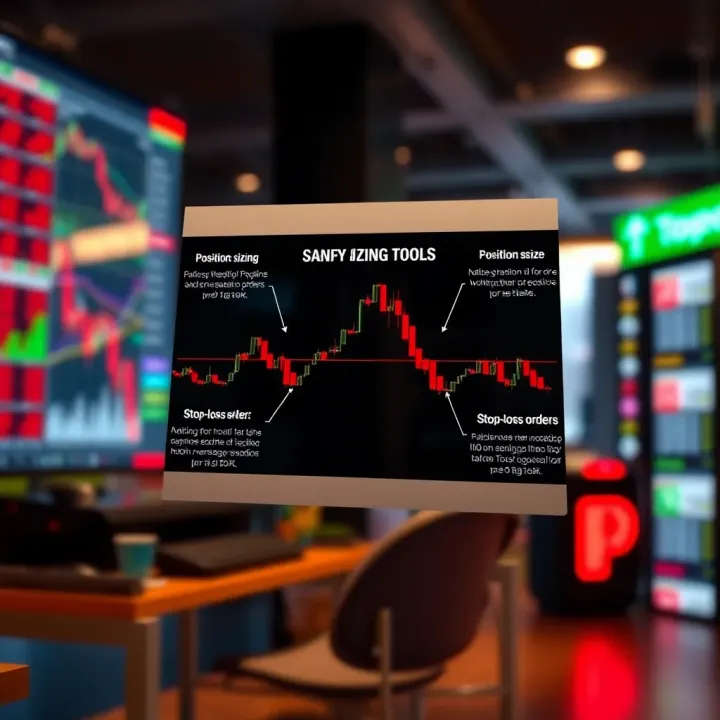
📉 Master forex risk management with tips on position sizing, stop-loss orders & mindset. Tailored for South African traders to guard capital & trade smartly.

Understand a degree in risk management in South Africa 🏢. Learn about key modules, career paths in finance, insurance & governance, all within our unique business climate.
📈 Master essential Forex trading strategies in South Africa! Learn trading styles, risk management, chart analysis, & how to use strategy PDFs effectively. 💹
Based on 11 reviews