

Effective Forex Trading Strategies That Work
Explore proven forex trading strategies tailored for traders in South Africa. Learn smart risk management and pick the right tools 📈💰 to trade effectively.
Edited By
Ethan Wells
Managing risk is the backbone of successful forex trading. Without a clear plan to protect your capital, even the most promising trades can quickly turn sour. This is especially relevant in the South African context, where currency volatility and economic shifts demand caution and a sharp eye.
Risk management starts with understanding how much you're willing to lose on a single trade. Traders often use position sizing to control exposure — for example, risking no more than 1% to 2% of your trading capital per trade. Suppose you have R100,000 in your trading account; your maximum risk on any position should be between R1,000 and R2,000. This ensures a few losing trades won't wipe your account.
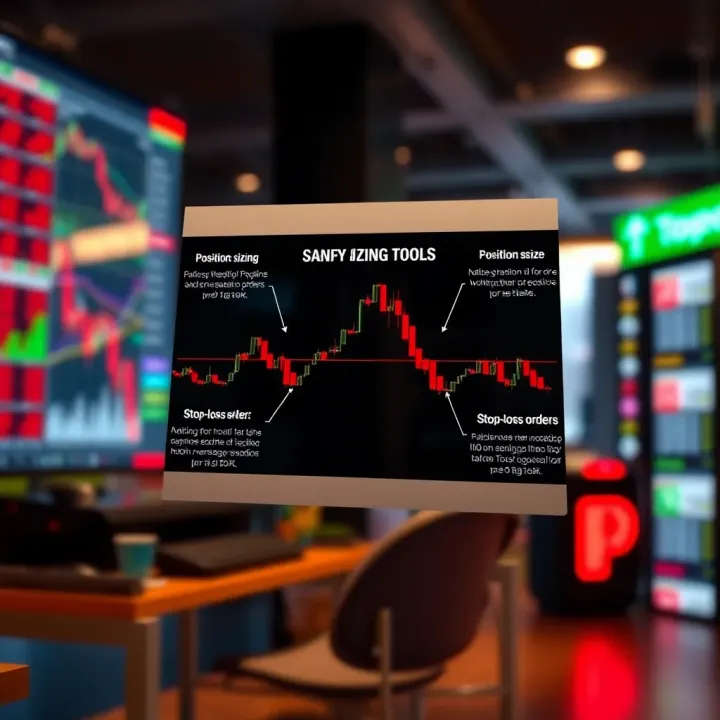
Stop-loss orders are another essential tool. Setting a stop-loss protects you from unpredictable market moves. For instance, if you enter a USD/ZAR long position at R15.20, placing a stop-loss at R15.00 limits your loss to R0.20 per unit. South African traders must be mindful when setting stops due to occasional sharp spikes caused by Eskom news or political developments.
Beyond tools, mindset is crucial. Emotional discipline keeps impulsive decisions at bay. Many traders fall into the trap of chasing losses or holding onto losing positions, hoping for a turnaround. Building a routine that includes a solid trading plan with defined entry, exit, and risk parameters helps maintain consistency.
"Preservation of capital is the first rule of forex trading. Without it, profits don’t matter much."
South African traders should also factor in local market conditions: high spreads during certain hours and the influence of global currencies on the rand. Using demo accounts or small live trades initially helps adapt strategies while managing psychological pressure.
Always calculate position size based on your risk tolerance.
Use stop-loss orders suited to local market volatility.
Maintain emotional discipline by sticking to your strategy.
Consider external factors like news events and trading hours.
This foundation sets you up for consistent and safer forex trading in the South African market. Next, we’ll explore deeper into position sizing and how to adjust stops smartly, keeping your capital secure.
Managing risk in forex trading is the backbone of long-term success. Without solid foundations, even the most promising trades can quickly wipe out profits. Risk management is about protecting your capital from the unpredictable swings inherent in currency markets. Think of it as setting a fence around your investment farm—without it, you risk losing everything to a sudden storm or stray animals.
Financial risk in forex trading revolves around the possibility of losing money due to price movements in currency pairs. Currencies don’t move in straight lines; they fluctuate constantly because of economic data, interest rates, and global events. For example, the South African rand (ZAR) can drop sharply against the US dollar after a surprising SARB policy announcement. These swings create risk and opportunity, but the key is knowing when and how much exposure you have.
Even the best traders lose sometimes, but controlling those losses keeps the overall business afloat. Without limiting losses, a couple of bad trades can eat into your capital so much that recovering becomes near impossible. Imagine starting with R50,000 and allowing losses of 30% per trade—that's a quick trip to zero. By capping losses to say 2-3% per trade, you survive downturns and still have the firepower to trade well when the market favours you.
Volatility measures how fast and how much prices move within a certain period. Forex markets can switch from calm to stormy without warning. For instance, the ZAR can be fairly steady one week then become wildly volatile the next if there’s political unrest or unexpected economic data. High volatility means higher risks but also higher chances for profit — balancing this is crucial.
Leverage allows you to control a much larger position with a smaller amount of capital, which can magnify gains but also escalate losses. If you use 100:1 leverage on a R1,000 margin, you’re controlling R100,000. Just a 1% adverse move wipes out your entire margin, possibly leading to a margin call. South African brokers often offer different leverage limits, so understanding your exposure and using leverage sparingly is a must.
Events such as SARB interest rate decisions, GDP reports, or unexpected political developments can cause sudden, sharp moves in currency prices. For example, an announcement about Eskom’s loadshedding levels affecting economic activity can rattle the rand. Traders caught on the wrong side during these events might face slippage or wider spreads, increasing risk.
Effective forex risk management means recognising these risks and planning how to respond. Whether it's adjusting position sizes during volatile periods or keeping an eye on upcoming economic releases, proactive strategies can protect your capital and keep you trading for the long haul.
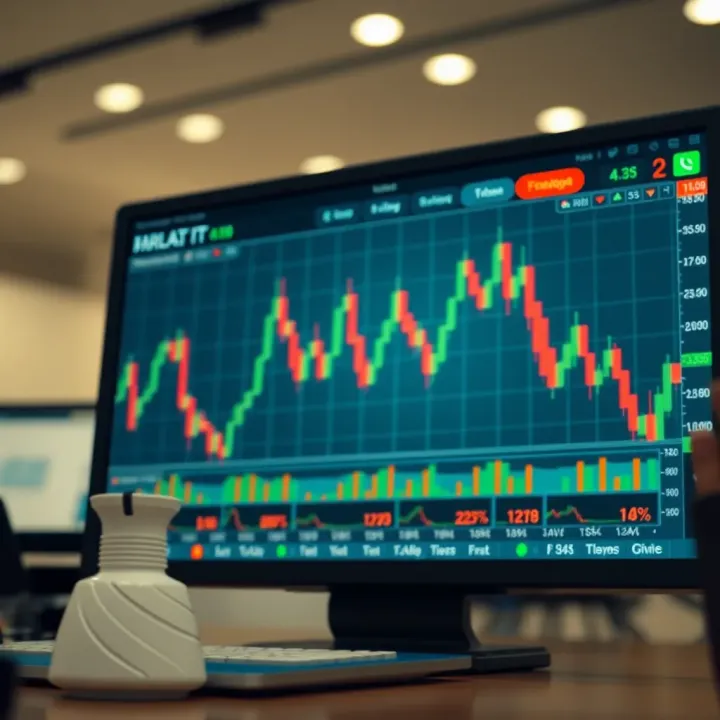
Managing losses effectively is a central part of maintaining a healthy forex trading account. These techniques help you avoid wiping out your capital after a few bad trades and keep you in the game for the long haul. The main goal is to set clear boundaries on how much you’re willing to lose on any single trade and to follow those rules strictly.
Setting stop-loss points based on volatility means adjusting where you exit losing trades according to how much a currency pair typically moves. For example, if the South African rand (ZAR) against the US dollar (USD) is jittery with daily swings of 100 pips, placing a stop-loss just 10 pips away doesn't make much sense. Instead, you'd set it further out—say 50 or 70 pips—so normal daily noise doesn’t kick you out too soon. This approach avoids being stopped out prematurely due to the usual market ups and downs.
At the same time, stop-loss levels should be tight enough to limit losses to an amount you can stomach, protecting your trading balance from unexpected shifts. Traders often use the Average True Range (ATR) indicator to help determine an appropriate stop-loss distance based on recent price volatility.
Balancing risk and reward with take-profit levels is about defining clear targets for gains relative to your allowed losses. A common rule is a risk-to-reward ratio of at least 1:2, meaning you aim to gain double what you risk losing. If your stop-loss is 50 pips, your take-profit should ideally be set around 100 pips.
This strategy ensures your winners more than cover your losers over time. For instance, even if only half your trades hit the take-profit target, you’ll still be ahead. Properly balancing these levels stops emotions from pushing you to hold onto losing trades too long or exit winning trades too early.
Calculating appropriate trade sizes involves determining how many units of currency to buy or sell based on your account size and risk tolerance. Say you have an account with R100,000 and decide to risk 1% per trade (R1,000). If your stop-loss is set 50 pips away, you calculate the trade size so a 50-pip move hits your loss limit of R1,000.
This method keeps losses predictable and manageable, allowing you to trade without exposing your whole account to big downsides. Many platforms and brokers offer position size calculators – a useful tool to avoid overtrading or risking too much in volatile markets.
Determining an acceptable risk percentage per trade is arguably one of the most important decisions. Most experienced forex traders cap risk per trade between 0.5% and 2% of their account to avoid catastrophic drawdowns. Take for example a novice who risks 5% per trade and hits a losing streak of five trades in a row – this can quickly erode their account.
By sticking to smaller, consistent risk levels, you maintain capital and confidence in your strategy. This discipline is especially critical in the rand pairs, where sudden spikes or SARB policy shifts can increase risk unexpectedly.
Effective risk management through properly placed stop-loss and take-profit orders, combined with careful position sizing, protects your capital and helps build steady, consistent trading results. Without them, even the best trading ideas will struggle to succeed over time.
Psychological discipline can make or break a forex trader's success. Managing the emotional side of trading is just as important as understanding market moves or using technical tools. When emotions like fear or greed creep in, they often lead to impulsive choices that blow the carefully crafted risk management plan. South African traders, dealing with volatile rand movements and unexpected economic shifts, need to keep a clear head to stay on track.
Avoiding impulsive decisions is critical in forex trading. Quick reactions to market swings can be tempting—like closing a losing position too soon or jumping into trades based on a sudden hunch. But these knee-jerk actions usually harm your bottom line more than help it. For example, if a trader panics during sudden rand weakness and exits trades indiscriminately, they risk locking in unnecessary losses. Taking a moment to pause and check whether decisions align with a predetermined plan can prevent such costly mistakes.
Sticking to a risk management plan requires firm discipline but pays off in the long run. A well-designed plan outlines risk limits, stop-loss levels, and profit targets. When traders hold themselves accountable to these rules, they reduce the influence of emotion. Consider a trader who sets a maximum 2% risk per trade but faces a losing streak. It's easy to want to increase stakes to recover losses quickly, yet maintaining the original plan avoids the gamble trap. This steady approach preserves capital and promotes confidence.
Understanding losses as part of trading helps traders avoid frustration and burnout. Losses are inevitable—even the most skilled traders accept that. Viewing losses as a learning tool, rather than failure, encourages better analysis and adjustment. A South African example: during volatile periods like SARB’s unexpected repo rate changes, even conservative positions might incur losses. Accepting this reality makes the trader more resilient.
Focusing on consistent, steady growth beats chasing big wins. Chasing rapid, large profits often leads to reckless risk-taking and bigger losses. Instead, aiming for small, regular gains helps build a solid trading foundation. For instance, compounding a 1–2% gain daily can outpace sporadic 10% wins over time but with less stress. South African traders mindful of rand fluctuations and operational costs (like spreads and commissions) benefit greatly from this patient strategy.
Staying in control of your emotions and setting realistic goals turn forex trading from a rollercoaster into a manageable race. Practising discipline, accepting losses, and focusing on steady growth improve your chance to stay in the game and protect your capital.
In sum, a trader who combines solid risk management techniques with emotional discipline is well placed to withstand forex’s ups and downs. Psychology isn’t just a side-note—it shapes every trade and can be the difference between success and failure in this demanding market.
Adapting risk management strategies to suit the South African context is essential for traders who want to protect their capital and navigate the unique challenges of this market. Local factors such as rand volatility, economic policies by the South African Reserve Bank (SARB), and broker regulations can significantly influence trading outcomes. Understanding these elements helps traders fine-tune their approach, improving their chances of consistent success.
The South African rand (ZAR) is known for its volatility, partly due to its status as an emerging market currency sensitive to global commodity prices and investor sentiment. For example, fluctuations in the price of gold and platinum often cause sharp swings in the rand's value against major currencies like the US dollar and euro.
This volatility requires traders to adjust their risk tolerance carefully. For instance, setting stop-loss points too close might result in premature exits during typical rand fluctuations, while too wide a stop could expose the trader to heavy losses. Concentrating on liquid major pairs involving ZAR, such as USD/ZAR, can offer better spreads but still demands close monitoring of local and international factors.
Economic indicators and SARB's monetary policy decisions cause regular ripples in the forex market. Interest rate changes announced by SARB, inflation reports, and GDP growth figures can trigger swift moves in the rand value.
Traders need to be alert around these events, adapting position sizes or opting to reduce market exposure. For example, SARB's repo rate decisions often lead to increased volatility minutes after release. Staying updated with the SARB calendar and South African economic announcements helps in planning trades to mitigate risks linked to sudden market shifts.
Selecting a broker regulated by the Financial Sector Conduct Authority (FSCA) ensures compliance with South African financial laws and protection of your funds. Brokers well-versed in SARB regulations offer better clarity on tax implications and leverage restrictions, avoiding surprises related to local compliance.
Regulated brokers also tend to provide more reliable execution and transparent fee structures. For instance, a trader choosing between an FSCA-regulated broker and an offshore, unregulated option could face far fewer risks with the former, particularly around fund withdrawals and dispute resolution.
Trading costs can quickly eat into profits, so understanding spreads and commission fees is vital. South African traders often deal with wider spreads on certain currency pairs, especially those with less liquidity locally.
It pays to compare brokers not just on advertised spreads but also on other trading costs like withdrawal fees, overnight financing, and minimum deposit requirements. Keeping these factors in check allows traders to manage risk better and maintain healthier margins, especially when trading smaller account sizes.
Traders who master adapting their risk management to South African market conditions will be better equipped to handle volatility, regulatory nuances, and cost structures—key to protecting capital and trading sustainably.
For forex traders, especially those active in the South African context, having the right tools and resources is a solid foundation for managing risk effectively. In a market as dynamic as forex, relying on instinct alone can lead to costly mistakes. Practical tools help you spot hazards early, measure risk exposure, and adjust strategies quickly to protect your capital.
Tracking trades to identify risk patterns is vital if you aim to sharpen your trading game. A trading journal offers a straightforward way to record every trade with details like entry and exit points, position size, stop-loss levels, and market conditions at the time. This practice makes it easier to spot recurring mistakes or risky habits that might otherwise go unnoticed. For example, you might realise you consistently leave stop-loss orders too wide during Rand volatility, exposing yourself to unnecessary losses.
Adapting strategy based on performance data flows naturally from keeping a detailed journal. When you can analyse what worked and what didn’t over time, you’re in a much stronger position to recalibrate your approach. Say your data shows that trades held during major SARB announcements result in bigger swings than anticipated – you might decide to lower your trade size or avoid those periods altogether. Analytics empower you to move from guesswork to decisions backed by your own trading footprint.
Setting price alerts and automated orders is a great way to maintain control without glued eyes on the screen 24/7. Many South African brokers’ platforms support customised alerts that notify you when a currency hits a certain level, allowing you to respond quickly without constant monitoring. Automated stop-loss and take-profit orders protect your positions by closing trades once specified thresholds are reached, eliminating emotional hesitation that might otherwise prompt poor choices.
Using demo accounts to test risk approaches offers a safe playground to evaluate new tactics without risking real money. Many platforms available to local traders provide demo environments with live market data. This lets you try different position sizing, stop-loss strategies, or timing methods in conditions that mirror the actual market, all without the stress of real losses. Once confident in your tested approach, you can transition those lessons directly to your live account, reducing uncertainty.
Practical tools like journals, alerts, and demo accounts are not luxury extras – they are essential to managing risk and improving discipline in forex trading.
With solid resources, you’re better equipped to ride the ups and downs of the currency markets while keeping a clear eye on your risk exposure. That groundwork crucially supports the other strategies covered earlier for long-term success.
Explore proven forex trading strategies tailored for traders in South Africa. Learn smart risk management and pick the right tools 📈💰 to trade effectively.
📊 Master essential forex trading strategies to boost your skills! Learn market analysis, risk management, and practical techniques for smarter trading.
📈 Discover proven forex trading strategies for consistent profits. Learn risk management, technical & fundamental analysis, plus tips to refine your plan.
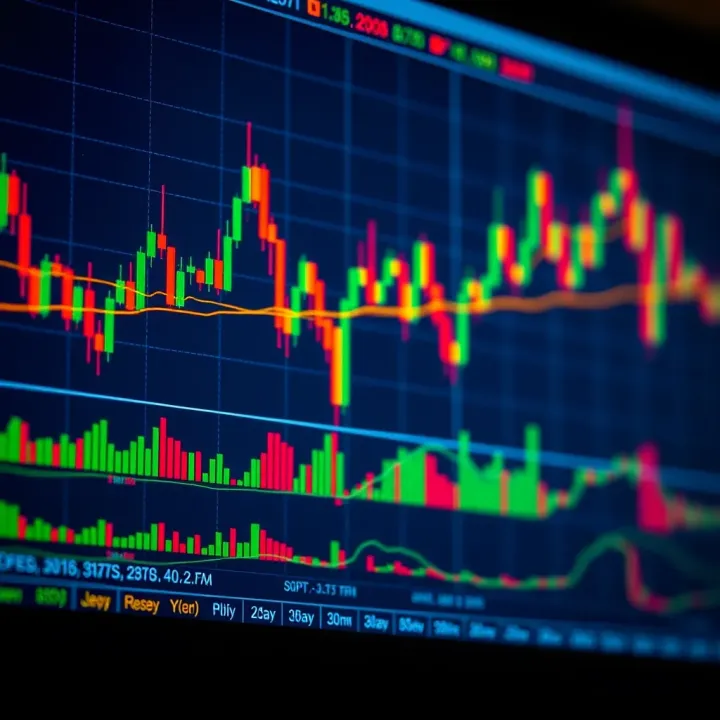
📈 Master essential Forex trading strategies in South Africa! Learn trading styles, risk management, chart analysis, & how to use strategy PDFs effectively. 💹
Based on 13 reviews