
Seven Steps of Risk Management Explained
Learn the seven steps of risk management with clear, local examples 🛠️—helping South African businesses spot, assess, and control threats while keeping operations smooth.
Edited By
Amelia Turner
Managing a fleet in South Africa comes with its own set of challenges. From navigating busy urban centres in Johannesburg and Cape Town to long hauls across the N1 and N3, the risks businesses face can hit your bottom line hard if ignored. Effective fleet risk management means more than just watching costs – it’s about protecting your assets, people, and reputation.
A strong fleet safety strategy tackles several fronts simultaneously:
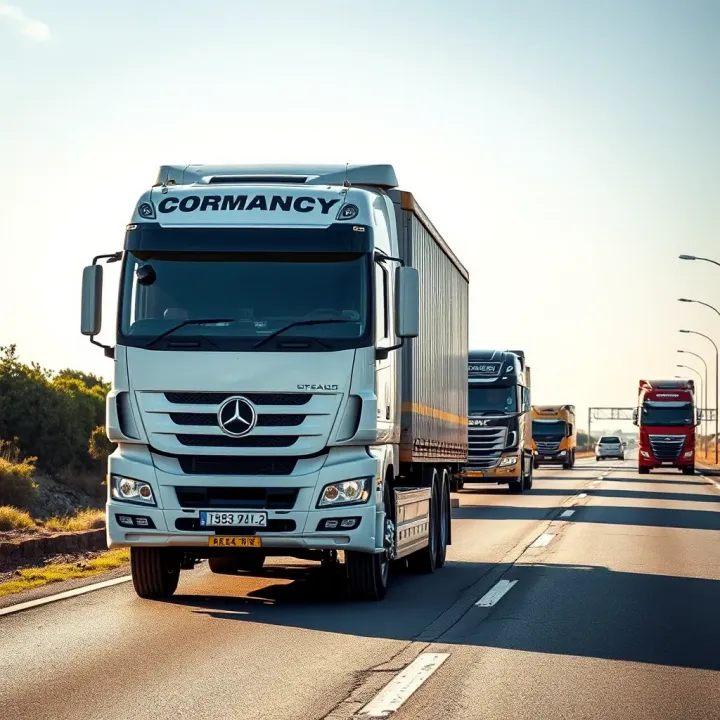
Road safety compliance: South Africa’s roads present hazards like unpredictable drivers, varying road quality, and frequent traffic robots malfunctioning. Ensuring drivers follow the National Road Traffic Act and understand local conditions reduces accident risk.
Vehicle maintenance: Neglect can lead to breakdowns, costly repairs, and even accidents. Scheduling regular checks and servicing per manufacturer recommendations keeps your vehicles roadworthy.
Driver behaviour monitoring: Fatigue, speeding, and distracted driving are major contributors to crashes. Using telematics or driver scorecards helps identify risky patterns early.
Regulatory adherence: From proper vehicle licensing to compliance with the Road Traffic Management Corporation’s rules, staying up to date avoids fines that can pile up quickly.
Beyond avoiding fines and accidents, effective risk management improves fleet efficiency and morale. For example, one Gauteng logistics firm cut fuel costs by 15% and reduced accidents by enforcing strict driver rest periods and basic vehicle checks.
When drivers feel supported with clear guidelines and reliable transport, they perform better – leading to safer roads and healthier profit margins.
Ultimately, the goal is a proactive system where risks are identified before they snowball. That means embracing data, training staff well, and tailoring policies specifically for South African road realities.
Getting it right isn’t just a box-ticking exercise. It’s a necessary foundation to keep your fleet running smoothly, especially with Eskom’s loadshedding often affecting operating hours and driver schedules. Done well, fleet risk management protects your investment while supporting growth in this complex environment.
Managing fleet risk means spotting and dealing with the potential problems that come with running a group of vehicles. For South African businesses, this is particularly important given the challenges of road safety, vehicle upkeep, and staying on the right side of regulations. By understanding these risks, companies can cut down on unexpected costs, avoid disruptions, and protect their reputation.
Road accidents remain one of the biggest risks for fleets in South Africa. Whether it’s a minor fender-bender or a serious crash, the consequences can be significant both in human terms and financially. Poor road conditions, aggressive driving, and driver fatigue often contribute. Businesses face claims, vehicle repair costs, and potential injury payouts. A simple example: a delivery bakkie driver speeding to meet tight schedules may miss a robot as it switches, resulting in an accident that delays multiple deliveries.
Vehicle theft and vandalism pose a real threat, especially in high-crime areas. Stolen vehicles cost not only in replacement but also disrupt client commitments. For instance, a courier company losing a van to theft might struggle to fulfil urgent deliveries that day, affecting customer satisfaction. Vandalism, though less severe, leads to repair expenses and time off the road. Without protective measures like secure parking or immobilisers, the risk escalates.
Neglecting vehicle maintenance can cause breakdowns that freeze operations. Imagine a fleet of refrigerated trucks transporting perishables experiencing breakdowns due to poorly maintained cooling systems — the losses could run into thousands of rand from spoiled goods alone. Regular checks and servicing prevent sudden failures, ensuring vehicles stay roadworthy and efficient.
Operating fleets without full compliance exposes businesses to fines and legal trouble. In South Africa, strict rules govern driver licences, vehicle roadworthiness, and hours on the road. Failure to adhere might result in heavy penalties or even vehicle impoundment. For example, failing to produce valid roadworthy certificates during roadside inspections can halt a fleet’s operations abruptly.
Unmanaged risks directly hit the bottom line. Accidents, thefts, and penalties add unexpected expenses. Over time, too many claims push insurance premiums higher, inflating operating costs. Consider a logistics company that suffers several vehicle thefts in quick succession — insurers may hike premiums or refuse cover, forcing the business to pay more out of pocket.
Repeated disruptions or unsafe practices tarnish business standing. Clients expect timely and reliable service. When fleet incidents cause delays or safety concerns, customers start looking elsewhere. A local retailer’s delivery promise falters due to fleet breakdowns; their reputation for dependability suffers, affecting future contracts.
Unexpected vehicle issues or driver unavailability lead to delays, slowing operations and reducing productivity. This has ripple effects, from missed deadlines to higher labour costs. For instance, a waste management company missing collection times because of vehicle problems faces complaints and increased overtime pay for hurried catch-ups.
Understanding these risks gives businesses the edge to act before problems snowball. Knowing the common pitfalls helps in setting up policies that keep fleets safe, efficient, and compliant.
By tracking and managing these risks properly, South African businesses can safeguard their assets and keep their operations running smoothly despite local challenges.
A solid fleet risk management programme is the backbone of any business relying on vehicles in South Africa. It helps flag potential hazards early, puts controls in place, and keeps operations running smooth and safe. Getting to grips with key elements like risk identification, control strategies, and ongoing monitoring isn’t just best practice — it can save your company significant costs and downtime.
Performing fleet audits and hazard analysis involves a thorough check-up of the entire fleet. This means looking at vehicle conditions, routes, driver habits, and external factors like traffic patterns or weather. For instance, a delivery business operating during winter in Gauteng might uncover risks specific to icy patches or fog. Regular audits help pinpoint weak points before they escalate, such as worn tyres or outdated maintenance logs.
Evaluating driver behaviour and training needs goes hand in hand with the audit process. Drivers’ habits — speeding, harsh braking, distracted driving — directly influence fleet risk. Monitoring through observation or technology offers insights into where refresher training would be useful. For example, a construction company may notice its drivers struggling with fatigue due to long haul routes, signalling a need for fatigue management workshops.
Implementing driver safety programmes encourages a culture of responsibility behind the wheel. These can include mandatory defensive driving courses, incentive schemes for accident-free records, or clear driver codes of conduct. A courier company might introduce monthly safety talks and reward systems to keep drivers alert and engaged.

Regular vehicle maintenance schedules are critical to preventing breakdowns and accidents caused by mechanical failure. A rigid calendar for checks—covering brakes, lights, tyres, and engine status—ensures each vehicle is roadworthy. For example, a taxi fleet in Cape Town that sticks to a strict monthly service plan can reduce emergency repairs, shortening vehicle downtime and saving costs.
Using technology for monitoring and reporting sharpens control over fleet operations by providing real-time data. GPS tracking, telematics, and onboard diagnostics enable immediate alerts for unsafe behaviour, route deviations, or overdue maintenance. This instant feedback helps fleet managers act quickly and avoid costly damages or delays.
Tracking incidents and performance metrics is the foundation for ongoing fleet improvement. Collecting data on accidents, near misses, fuel consumption, and journey times lets businesses identify trends. An example: a regional delivery service might observe an increase in accidents during certain hours, prompting route or schedule adjustments.
Consistent data analysis transforms reactive problem-solving into proactive risk management.
Adjusting policies based on data insights ensures the fleet risk management approach stays relevant. If crash records show repeated driver fatigue, stricter hours-of-service limits or additional rest breaks might be necessary. Likewise, maintenance alerts from telematics can trigger policy updates to prevent future failures. Regular reviews keep the programme efficient and aligned with real-world conditions.
Embedding these key elements will help South African businesses tackle fleet risks head-on, improving safety, compliance, and bottom-line results.
Technology plays a vital role in managing risks associated with fleet operations, especially in South Africa where challenges like road safety and regulatory compliance are constant. Implementing the right tools helps businesses monitor vehicle use in real-time, streamline maintenance, and promote safer driving habits, cutting down losses and improving efficiency.
Telematics and GPS tracking provide live location data for each vehicle, allowing fleet managers to keep tabs on vehicle movements and respond quickly if anything goes awry. For instance, if a delivery bakkie deviates from its route or stops unexpectedly near a high-theft area, managers can act immediately to investigate or provide assistance.
Moreover, live tracking improves logistical decision-making by identifying bottlenecks and optimising routes. In congested urban areas like Johannesburg or Cape Town, this can save both time and fuel, reducing operating costs while minimising exposure to road risks.
These systems capture driver habits such as speeding, harsh braking, or rapid acceleration. Flagging these behaviours allows businesses to address unsafe driving quickly, preventing accidents before they happen. In a country where road conditions vary widely and driver training levels differ, such feedback is invaluable.
For example, if a fleet driver repeatedly ignores speed limits on provincial roads, immediate intervention and coaching can help curb this dangerous behaviour, ultimately lowering insurance premiums and protecting company assets.
Advanced monitoring tools now detect signs of driver fatigue through monitoring steering patterns, blink rates, or erratic vehicle movements. This early warning can prompt drivers to take breaks before fatigue leads to an accident — a key safety measure in long-distance haulage common in South Africa’s freight industry.
Speeding and harsh braking detection further ensure adherence to safer driving standards. These insights enable fleet managers to identify risky behaviours promptly, reducing crash risks and related downtime.
Beyond just monitoring, many systems now offer driver scorecards or reward schemes tied to safe behaviour. This positive reinforcement encourages drivers to stay alert and follow rules, fostering a culture of safety rather than just punishment.
For instance, a logistics company could implement monthly awards or bonuses for the safest drivers based on system reports, boosting morale and reducing incidents.
Fleet management platforms automate reminders for vehicle servicing, licence renewals, and insurance checks. This ensures vehicles remain roadworthy and compliant with South African regulations like the National Road Traffic Act, helping to avoid costly fines or breakdowns.
For example, a fleet manager overseeing dozens of trucks can set alerts for upcoming roadworthy certificate renewals, preventing any lapses that might otherwise cause legal trouble or fleet downtime.
These systems consolidate diverse data streams—from telematics, driver behaviour, to maintenance logs—into unified reports. This centralisation offers a clear overview of fleet risk profiles, making it easier to identify trends and areas for improvement.
Having this single source of truth supports informed decisions, whether it’s adjusting driver training programmes, updating safety policies, or negotiating insurance terms. It also aids compliance reporting to stakeholders and regulatory bodies.
In short, integrating technology into fleet risk management not only sharpens oversight but also helps South African businesses reduce costs and safeguard their operations effectively.
Navigating legal requirements and compliance is essential for South African businesses managing fleets. Ignoring these can lead to hefty fines, insurance complications, and operational disruptions. Understanding the key regulations helps mitigate risks and ensures smooth fleet operations.
Every driver operating a fleet vehicle must hold a valid licence corresponding to the vehicle type. For commercial vehicles—like heavy trucks or passenger transport—it’s not enough to have a standard driving licence. Drivers require professional driving permits, ensuring they meet special competency and medical standards. This protects businesses from employing unqualified drivers who might increase accident risks.
For instance, a transport company in Gauteng faced regulatory penalties after several drivers were caught without valid professional permits. Ensuring all drivers are properly licensed avoids such costly compliance breaches.
The Vehicle Roadworthiness Certificate confirms a vehicle’s safe operating condition according to the National Road Traffic Act. Regular inspections check brakes, lights, tyres, and emissions. In business fleets, keeping all vehicles roadworthy prevents breakdowns and legal penalties.
Take the case of a courier service in Durban that neglected its annual inspections. One bakkie broke down during a delivery, leading not only to operational delays but also fines for not holding a current roadworthy certificate. Staying on top of these inspections safeguards both safety and business continuity.
Employers must provide a safe working environment for drivers under the Occupational Health and Safety Act. This includes addressing hazards, providing proper safety gear, and ensuring vehicles meet safety standards. Neglecting driver welfare can lead to workplace injury claims and lowered morale.
For example, employers need to provide regular health assessments and training on safe driving practices. This engagement helps reduce accidents and supports compliance with labour laws.
Fatigue among commercial drivers is a serious safety issue. Regulations govern maximum driving hours and mandatory rest periods to prevent accidents caused by tiredness. Businesses must implement schedules that respect these limits.
Failing to monitor hours can lead to accidents and legal action. A mining logistics firm faced scrutiny after a fatigued driver fell asleep at the wheel, leading to a costly collision. Proper rostering and driver monitoring systems are vital to meet these obligations and keep your fleet safe.
South African law requires all motor vehicles to have compulsory third-party (CTP) insurance. This covers damage or injury claims by third parties resulting from accidents. Businesses must ensure every fleet vehicle has valid CTP insurance to avoid legal and financial consequences.
A Johannesburg haulage company saved thousands by upholding CTP obligations after an accident where the uninsured party was liable for costs. This example highlights why CTP insurance isn't merely a formality.
Effective claims management is key to minimising financial risk after accidents. Businesses should have clear processes to report and handle insurance claims promptly to reduce delays and disputes.
Additionally, many companies use risk transfer tools like contractual indemnities or specialised fleet insurance policies to protect against high-value claims. For instance, tailored insurance can cover goods in transit and driver injuries, aspects standard policies might miss.
Ensuring compliance with South African legal frameworks reduces risks, cuts costs, and keeps your fleet rolling without costly interruptions.
Understanding and adhering to these legal requirements is not just about ticking boxes but about actively managing fleet risks and protecting your business’s bottom line.
Effective fleet risk management hinges on implementing practical steps that stand up to South Africa's unique transport and regulatory challenges. Structured policies and proactive measures lower accident rates, reduce maintenance costs, and keep fleet operations compliant with local laws.
Creating unambiguous policies sets a firm foundation for managing fleet risks. These policies should outline expectations for driver behaviour, adherence to traffic laws, and vehicle use. For instance, a policy banning the use of mobile phones while driving helps curb distracted driving, a common cause of accidents. Including a driver code of conduct fosters accountability and reinforces safety culture. It's essential these documents are easy to understand and regularly updated to reflect changes in regulations or company standards. Clear policies also aid in fair disciplinary processes when misconduct occurs.
Driver competence directly affects fleet safety. Continual training that addresses defensive driving, hazard identification, and fatigue management can significantly cut accidents. Practical workshops and refresher courses tailored to South African roads—from city robots to rural gravel roads—prepare drivers for real-world conditions. Awareness programmes could include modules on load security and managing road rage, issues frequently encountered by local operators. Using a mix of classroom and hands-on training keeps drivers engaged and improves retention.
Having a plan ready for emergencies or incidents is vital. Protocols should clarify steps after an accident or breakdown, including first aid priorities, reporting procedures, and communication lines with fleet managers and emergency services. For example, instructing drivers on exactly whom to call, how to secure the scene and preserve evidence can minimise liability. Businesses might equip vehicles with emergency kits and ensure drivers carry contact cards. Practising these protocols through simulations builds confidence and readiness.
Risk management is not a once-off exercise. Regular reviews enable companies to spot trends and adjust strategies. This can involve analysing incident reports, comparing GPS and telematics data to identify risky behaviour, and gathering driver feedback. For example, if speeding incidents increase during a particular shift, managers can investigate and intervene accordingly. Periodic audits ensure maintenance schedules are followed and compliance documents are up to date. Documenting improvements and setbacks helps maintain continual progress and justifies further investment in risk-reduction initiatives.
A practical, hands-on approach to fleet risk management saves money, protects drivers, and ensures your business navigates South Africa's roads safely and efficiently.
In sum, combining clear policies with driver training, emergency preparedness, and ongoing review forms a robust shield against the risks inherent in fleet operations. This hands-on roadmap fosters safer fleets that keep business moving smoothly from Johannesburg’s busy highways to the more remote corners of the country.
Learn the seven steps of risk management with clear, local examples 🛠️—helping South African businesses spot, assess, and control threats while keeping operations smooth.
Explore effective risk management frameworks 📊 that help organisations in South Africa navigate challenges and boost decision-making with practical insights.

🌍 Manage currency risks for South African businesses with practical steps like hedging, diversification, and understanding exchange impacts. Protect your currency exposures effectively.

Understand a degree in risk management in South Africa 🏢. Learn about key modules, career paths in finance, insurance & governance, all within our unique business climate.
Based on 8 reviews