

Binary Options Demo Accounts Explained
🤔 Learn how to use binary options demo accounts safely in SA 🇿🇦. Get tips on setup, benefits, and legal checks before trading with real cash. 💸
Edited By
Ethan Wells
Binary options demo accounts offer a risk-free way to practise trading skills using virtual money. For traders in South Africa, these accounts simulate real market conditions without any financial risk, helping to build confidence and test strategies before committing your hard-earned rand.
Unlike live accounts, demo versions let you explore different binary options like high/low or one-touch trades without the pressure of losing capital. You can experiment with various expiry times and asset classes, including Forex pairs, commodities, and indices, gaining a feel for price movements and platform interfaces.
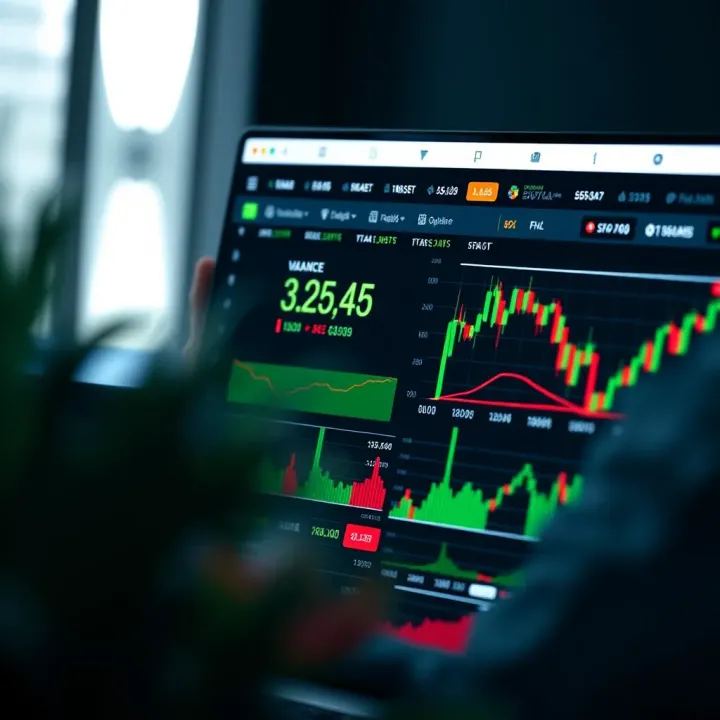
Demo accounts are essential for anyone new to binary options trading or those looking to refine their approach without the distraction of real money losses.
Virtual Funds: Typically, you get R10,000 or more in simulated capital.
Real-time Data: Markets update live, mirroring actual trading conditions.
Full Access: Most platforms provide all tools and charts as with the live version.
No Financial Risk: You won’t lose any real money while learning.
Trading binary options in South Africa involves navigating local regulations and volatile markets influenced by factors like the rand’s exchange rate and economic shifts. Demo accounts allow you to:
Develop a clear understanding of how binary options contracts work.
Test strategies during different trading sessions, whether local or international.
Evaluate brokers’ platforms to find the interface that suits you best.
Treat demo trades as if real money is at stake to build discipline.
Keep track of your successes and mistakes to refine your tactics.
Transition to small live trades only when confident.
By practising consistently on a demo, you prepare yourself to trade smarter once you step into the actual market. Especially with South Africa’s unique challenges, from loadshedding interruptions to regulatory shifts, demo accounts can serve as a reliable training ground.
The next step is selecting the right platform that fits your trading style and complies with South African financial laws. Before that, make sure you have a solid grasp of the demo tools available to you here.
Binary options demo accounts are training tools that let traders practise buying and selling options without risking real money. They're especially relevant for newcomers or even experienced traders looking to test strategies without financial exposure. In South Africa’s volatile market landscape, where proper preparation can save traders from rash decisions, demo accounts serve as a safe learning ground.
A binary options demo account replicates the live market conditions but operates with virtual currency. This means you can place trades, see real-time price movements, and experience market fluctuations just as you would with a live account. For example, if the share price of a company listed on the JSE moves up or down, the demo platform reflects this in the same way. This practical exposure allows traders to get accustomed to pace and style without the pressure of losing money.
Using a demo account removes the risk of losing real Rands, which is crucial during the early stages of trading. One can try out different trading strategies, understand timing, and assess how market news impacts options without the fear of financial loss. For instance, a trader unsure about using a particular technical indicator or expiry time can experiment freely. This risk-free learning solidifies skills and builds confidence before committing actual funds.
Demo accounts come pre-loaded with a set amount of virtual funds, say R10,000, which you use to place trades. These accounts mimic current market prices and reflect realistic volatility, so the price chart movements and final binary option outcomes follow the actual market, not a fixed simulation. This ensures that the practice environment feels authentic. If you choose to trade the rand-dollar currency pair or local stocks, the demo reflects the market’s behaviour at those specific moments.

Most demo accounts share the same platform features as their real-money counterparts — including trading tools, expiry types, asset lists, and chart indicators. For example, if the live account offers 60-second expiry options or call/put orders on forex pairs, these will also be available in the demo. However, some brokers might limit demo access duration or restrict withdrawal options since no real money is at stake. Understanding these differences helps set the right expectations for the transition from demo to live trading.
Using a demo account is like learning to drive in a simulator before hitting the roads. You get a true sense of controls, road conditions, and hazards, without the risk of collisions or fines.
In short, binary options demo accounts provide a near-identical trading environment, allowing traders to hone their skills and test strategies safely. For South African traders keen on mastering binary options, these accounts are invaluable stepping stones.
Demo accounts play a key role in helping traders sharpen skills without the pressure of losing real money. They offer a safe playground to practise scenarios, test strategies, and get to grips with platforms before committing capital. For anyone interested in binary options, demo trading reduces the guesswork and builds confidence.
Practising trade execution is where demo accounts first come into their own. These accounts mirror live market conditions, letting you place trades using virtual funds. Practising here helps you understand the timing of opening and closing trades, along with managing expiry times, without worrying about losing R. For instance, if you're testing short-duration trades that expire within minutes, demo accounts help you recognise how market fluctuations affect outcomes in real time.
Evaluating strategies before real money investments is another critical benefit. You might have a hunch about a particular approach, like following economic news or using trend-following methods. Trying these out with demo funds allows you to verify if your strategy consistently yields profits or if it needs adjustment. For example, someone testing a strategy based on South African Reserve Bank interest rate announcements can see its impact on currency asset prices in the demo account, refining timing and decision-making before going live.
User interface navigation matters more than many realise. Each broker’s platform has its quirks — some may feel slick and intuitive, others a bit clunky. Demo accounts give you the chance to explore how to place trades, access asset lists, and find account features without stress. Imagine using a demo account to discover where the history of past trades is stored or how to set alerts; this familiarity spares you costly hesitation when switching to live trading.
Using tools and indicators effectively can paint a clearer picture of market trends. Most trading platforms offer tools like moving averages, RSI (relative strength index), and Bollinger Bands. Demo accounts provide an ideal environment to experiment with these indicators without pressure. If a trader wants to learn how a specific tool reacts during volatile periods — for example, measuring rand/dollar swings during Eskom announcements — the demo allows trial and error. This hands-on use strengthens a trader’s ability to combine indicators for better decision-making in live markets.
Demo accounts are vital stepping stones. They bridge the gap between theory and actual trading, helping you avoid rookie mistakes and develop a trading style that suits your risk appetite and goals.
Exploring demo accounts isn't just about avoiding losses but understanding how the market works in practice. This practical, risk-free approach builds a solid base for smarter, more confident trading in South Africa’s binary options arena.
Picking the right binary options demo account matters because it sets the stage for effective learning and testing. Not all demo accounts are created equal — differences in broker reliability, platform features, and demo terms can impact your ability to practise realistic trading and build skills. Choosing well means you’ll avoid bad habits from faulty software or unreliable pricing and prepare better for live trading.
Checking licences and regulation status
Trustworthy brokers usually hold licences from respected financial authorities. In South Africa, regulatory bodies like the Financial Sector Conduct Authority (FSCA) oversee trading activities to protect consumers. Make sure the broker offering the demo is regulated — this lowers the risk of unfair practices or sudden platform closures. For instance, a broker licensed by the FSCA or an equivalent international regulator generally offers fair pricing and timely payments.
Verify licensing information typically displayed on the broker’s website or promotional materials. Brokers without clear regulatory status should raise red flags, as they might not follow standard industry practices.
Reading user reviews and industry feedback
Reviews from other traders and expert analysis help you understand the broker’s real-world reputation. Look for common threads: Do users report smooth platform operation? Are withdrawal processes straightforward? Or do complaints mention glitches, high spreads, or poor customer support? Sites like Trustpilot or finance forums can give balanced insights.
Beware of overly enthusiastic reviews that sound scripted or too negative ones without context. User experiences offer practical evidence about whether a demo account reliably simulates live trading conditions.
Availability of assets
A good demo account should offer a range of underlying assets comparable to its live counterpart. Common choices include forex pairs, stock indices, commodities, and cryptocurrencies. This variety lets you practise strategies across different markets, testing which suits your style best.
For example, if you’re interested in trading gold or oil, check that the demo includes these options. Without access to relevant assets, you won’t get a clear picture of how your strategy performs under real trading conditions.
Demo account duration and reset policies
Understand how long the demo account remains active and whether you can reset the virtual funds. Some brokers offer unlimited demo periods and let you refill your practice balance, giving you room to improve steadily. Others restrict demo access to a few weeks, which might feel rushed.
Unlimited resets can encourage repeated practise, but also risk complacency if you treat the demo too casually. Conversely, shorter demos encourage focused, disciplined sessions. Choose a demo account duration that matches your learning pace and trading goals.
Choosing a reliable demo account means you’re not just practising trades — you’re preparing for the real thing under conditions as close to live trading as possible.
Getting the most out of your binary options demo account is vital if you want to build real trading skills without the risk of losing money. A demo account acts as your training ground, but it only benefits you if you treat it like the real deal and set clear practice goals. Developing good habits early — like sticking to a routine and reviewing your trades — sets you up for smoother progress when you move to live trading.
Simulating a disciplined trading routine means approaching your practice sessions with the same seriousness as a live trading day. For example, setting specific hours to trade, deciding on your daily risk limits, and avoiding impulsive trades sharpens your focus and self-control. This discipline makes it easier to handle the pressures and unpredictability of real money trading later on.
Rather than just clicking around, you might start with a plan: study market trends for 30 minutes, execute 5 trades within your strategy parameters, then reflect on the outcome. Over time, this consistent routine trains you to manage time and stress, key elements most beginners overlook.
Tracking performance and reviewing mistakes is just as important as practising trades themselves. Use the demo account’s history or journal your trades outside the platform to spot patterns—like consistent losses with certain assets or during specific market conditions. Suppose you repeatedly lose on short-term expiry trades; recognising this early helps you adjust or rethink your strategy before risking real cash.
Regularly reviewing mistakes builds self-awareness and analytical skills. You should ask: Did I follow my plan? Was I distracted? Did I ignore warning signs? This honest assessment turns a simple demo account into a powerful feedback tool.
Managing emotions and expectations is often the biggest hurdle when shifting to live trades. Unlike demo accounts, real investments activate fear and greed, which can cloud judgement. For instance, losing a R1,000 trade in demo mode feels different from seeing actual money go. Being mentally prepared for this emotional shift helps you stay calm and stick to your strategy.
A practical tip is to remind yourself that losses are part of the process. Don’t expect to be a pro overnight—focus on steady improvement. This mindset makes it easier to avoid rash decisions based on temporary setbacks.
Starting with small real-money trades is a sensible way to ease into live trading. Begin with amounts you can comfortably afford to lose—maybe R100 or R200 per trade. This limits emotional stress and financial impact while still providing real-world experience.
Even if you’re confident, placing a few smaller trades lets you test your demo-honed skills under real conditions. You’ll notice the difference in how you react when actual money is at stake, allowing for gradual adjustments.
Successfully moving from demo to live trading is not about perfect strategy but about confident, disciplined decision-making and emotional control. Starting small and learning from each trade helps secure a more sustainable trading journey.
Taking demo accounts seriously, setting measurable goals, and making a wise transition to live trades enhances your chances of long-term success in South Africa’s binary options market.
South African traders face unique conditions when dealing with binary options demo accounts. Understanding local regulations and practical challenges, such as payment methods and power interruptions, helps traders make informed decisions and avoid unnecessary risks. This section addresses these South Africa-specific elements, giving you tools to navigate demo trading effectively.
The legal status of binary options trading in South Africa is a mixed bag. While the Financial Sector Conduct Authority (FSCA) oversees financial markets, most binary options brokers operate offshore without FSCA licencing. This means South African traders often deal with unregulated platforms, increasing the risk of fraud or unreliable service. For example, several brokers have been blacklisted due to questionable practices. Understanding this reality helps traders remain cautious and verify broker reputations before investing real money.
Meanwhile, the Protection of Personal Information Act (POPIA) plays a key role in safeguarding traders' financial data. Brokers collecting South African clients' data must comply with stringent POPIA requirements, ensuring your personal and financial information is stored securely and used responsibly. This can affect the brokers you choose, as non-compliance increases risks of data breaches or misuse. Always check whether a broker states clear privacy policies aligned with POPIA to protect your information.
Using Rand (ZAR) accounts and local payment options can simplify your trading experience. Many offshore brokers now accept Rand deposits through local payment systems like EFT (Electronic Funds Transfer), Visa/Mastercard issued by South African banks, or even popular e-wallets like Skrill and Neteller. This streamlines money transfers, reducing currency conversion costs and delays often associated with international transactions. For example, depositing R5,000 via EFT to a Rand-enabled account typically clears faster than through foreign currency pathways.
However, South African traders must also factor in load shedding when trading online. Scheduled power outages by Eskom can disrupt both trading sessions and internet connectivity. This is particularly critical when switching from demo to live accounts, where fast execution matters. Preparing for load shedding by using an uninterruptible power supply (UPS) or backup mobile data can save you from missed opportunities or unexpected losses. Planning your trading hours around load shedding schedules can also help maintain consistent access.
Keep in mind: Balancing regulatory awareness, payment convenience, and infrastructural challenges is crucial for successful binary options trading as a South African. These practical considerations help you get the most from demo accounts while minimising risk.
🤔 Learn how to use binary options demo accounts safely in SA 🇿🇦. Get tips on setup, benefits, and legal checks before trading with real cash. 💸
📊 Discover how free binary trading demo accounts let South African traders practise risk-free, learn key features, and pick the right platform effectively.

📈 Explore how free binary options signals software works, its benefits, risks, and tips to choose and use it wisely in your trading strategy ⚖️
📚 Discover free binary options trading books perfect for South African traders! Learn key tips & apply strategies without spending a rand. Start now!
Based on 9 reviews