

Effective Forex Trading Strategies That Work
Explore proven forex trading strategies tailored for traders in South Africa. Learn smart risk management and pick the right tools 📈💰 to trade effectively.
Edited By
Emily Prescott
Binary options trading has gained popularity around the globe, including here in South Africa, thanks to its simplicity and relatively fast returns. However, the appeal often masks the risks involved. This section outlines key strategies that traders can use to improve their chances of success in binary options markets.
Binary options are financial contracts where you predict whether an asset, such as a stock or commodity, will rise or fall within a specified timeframe. Unlike traditional investing, the payoff is fixed, and you either earn a predetermined amount or lose your stake. Because of this all-or-nothing nature, getting your strategy right is essential.
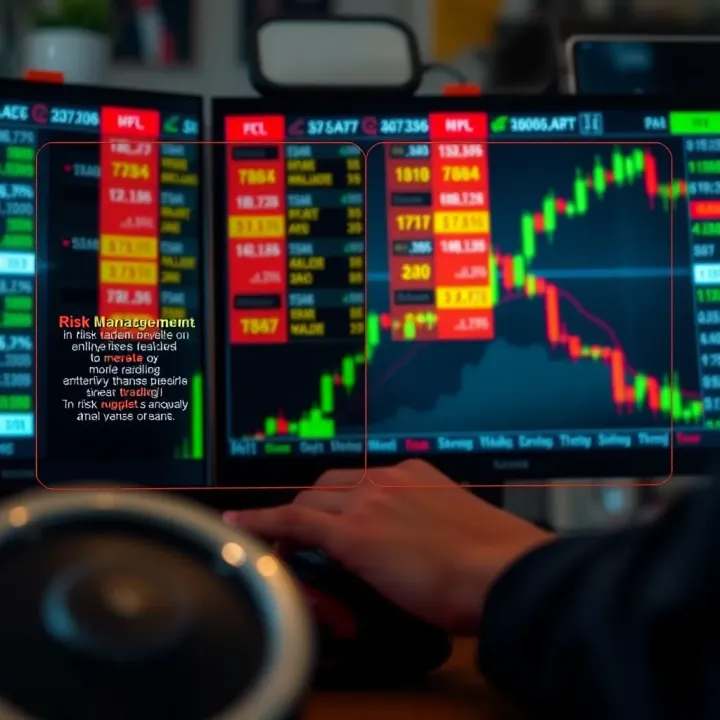
No strategy works in isolation without an understanding of market trends and patterns. Traders should focus on:
Technical analysis: Using charts and indicators like moving averages, RSI (Relative Strength Index), and Bollinger Bands to identify entry and exit points.
Fundamental factors: Monitoring economic news and events, such as interest rate decisions by the South African Reserve Bank (SARB), trade figures, and political developments that influence asset prices.
For example, when the SARB signals a possible interest rate hike, the rand usually strengthens, impacting currency options accordingly.
Successful traders often combine methods:
Trend Following: Betting that price movements will continue in their current direction. This means buying 'call' options when prices are rising or 'put' options when falling.
Range Trading: Identifying sideways markets where prices fluctuate within a range, useful during quiet periods or before major announcements.
News Trading: Capitalising on quick moves following economic releases or earnings reports.
Each approach demands a clear entry point, an understanding of expiry times, and strict adherence to your trading plan.
Effective decision-making in binary options requires discipline, continuous learning, and adapting strategies to evolving market conditions.
By mastering these basics, along with sound risk management (which we'll cover later), traders can improve consistency and keep losses under control. The following sections will explore analysis tools and risk controls tailored for South Africa’s unique trading environment.
Grasping the essentials of binary options trading is key before placing any trades. This type of trading involves predicting whether an asset's price will move up or down within a set time frame, typically short-term like minutes or hours. Knowing how these instruments work can help avoid costly mistakes and improve timing, especially in volatile markets such as forex or commodities.
At its core, a binary option is a simple 'yes' or 'no' wager based on price movement. If you think the price of gold will be higher after 30 minutes, you place a 'call' option; if lower, a 'put'. The payout is fixed if your prediction is right — usually a percentage of your stake — or you lose it all if wrong. This all-or-nothing nature makes it easier to understand than traditional trading but also riskier without solid strategy.
There are a few common types of binary options: the classic High/Low option, One Touch, and Range options. High/Low is the most straightforward, predicting whether the price goes above or below a point. One Touch options pay out if an asset hits a target price once before expiry. Range options require price to finish inside or outside a defined range. Each has unique risks and suits different market conditions.
Forex pairs, like USD/ZAR or EUR/USD, dominate binary options trading due to their liquidity and constant price movement. Indices such as the JSE Top 40 or the Dow Jones offer a way to trade overall market sentiment rather than single stocks. These are good for traders following economic cycles or technical trends.
Commodities like gold, oil, and platinum reflect global supply-demand shifts and political events. Stocks, including those of companies listed on the JSE or international giants like Apple, provide opportunities to benefit from company news or earnings reports. Each market has its own rhythms, so understanding the asset helps time trades better.
Trading binary options legally in South Africa requires awareness of the local regulatory setup. The Financial Sector Conduct Authority (FSCA) oversees financial products but binary options have limited regulation locally, leading many traders to rely on offshore brokers. This creates potential pitfalls, including scams or lack of investor protection.
Therefore, it’s crucial to choose brokers that are FSCA-registered or have strong international licences like from CySEC or ASIC. Reputable brokers offer transparent pricing, proper client fund segregation, and reliable customer support. Avoid platforms promising guaranteed profits or those without clear terms — many South African traders have been burnt by such schemes.
Knowing how binary options work and the legal landscape equips you to trade smarter while avoiding common traps. Always combine market knowledge with choosing trustworthy brokers to protect your capital effectively.
In trading binary options, relying on strategies that have stood the test of time can make a meaningful difference. These approaches offer structure and discipline, helping traders avoid impulsive decisions. South African traders, in particular, stand to benefit by focusing on strategies tailored to prevailing market conditions, where sudden shifts can come from local rand fluctuations or global events.

Identifying market trends is fundamental to capturing profitable moves in binary options trading. Markets tend to move in clear directions—up, down, or sideways—and spotting these trends early can lead to more confident trades. For example, if the USD/ZAR pair shows rising momentum over several hours, placing call options aligned with this trend can increase your odds of success. It’s not about predicting randomness but recognising persistent price movements.
Using moving averages effectively helps smooth out price data to reveal the underlying trend. Traders often use the 20-day and 50-day moving averages; when the shorter average crosses above the longer one, it signals a potential uptrend. Conversely, a downward cross hints at a decline. In practice, combining moving averages with other indicators, such as RSI, can help confirm signals before placing binary options trades, reducing guesswork.
Recognising support and resistance levels plays a key role when the market lacks a clear trend. Support levels mark prices where demand tends to prevent further falls, while resistance levels show where selling pressure limits rises. For example, if the JSE Top 40 index repeatedly bounces around a price range between 60,000 and 61,000 points, traders can capitalise by buying “call” options near support and “put” options near resistance, provided the market stays within that channel.
Best practices for sideways markets include patience and smaller stake sizes to manage risk. Sideways or range-bound markets can trap impatient traders. It’s wise to wait for prices to approach defined boundaries and avoid placing options when the price is stuck in the middle of the range. Moreover, keep a close eye on potential breakouts, as these can quickly change market behaviour, turning a range into a trending scenario.
Interpreting economic data releases demands quick thinking but can be highly rewarding. Events like South Africa’s Reserve Bank interest rate announcements or global employment figures can cause sharp price swings. Knowing the calendar and understanding what the numbers mean for specific assets, such as the rand or commodity prices, prepares you to make informed binary options bets around these times.
Managing volatility during announcements is crucial for preserving capital. Volatility spikes can produce unpredictable price moves that last minutes or hours. To navigate this, some traders opt for shorter expiry times immediately after announcements, while others avoid trading during the busiest news windows altogether. Setting tight limits on stakes or even stepping away briefly can prevent heavy losses when the market behaves erratically.
Sticking to tried and tested strategies not only builds confidence but also helps weather the ups and downs specific to South Africa’s trading landscape. That solid foundation can turn trading from guesswork into a skill.
By mastering trend identification, range boundaries, and news impact, traders have a versatile toolkit to face different market moods. This versatility is especially valuable where global and local factors often interact, shaping opportunities for those paying close attention.
Technical tools are essential for carrying out binary options strategies effectively. They provide traders with a clearer picture of market behaviour, helping to spot patterns and signals that influence entry and exit decisions. Without these tools, trading becomes guesswork rather than informed decision-making.
Recognising common candlestick patterns gives traders a real edge. Patterns like the hammer, shooting star, or engulfing candles often reveal potential market reversals or continuations. For example, spotting a bullish engulfing pattern after a downtrend could hint at a coming upward move, signalling a 'call' option. These visual cues are like road signs, warning you of upcoming changes in price direction.
Chart reading extends beyond candlesticks to understand trends and momentum. By combining patterns with support and resistance levels, traders can confirm signals or spot false ones. This skill helps prevent rushing into trades prematurely or holding onto losing positions too long.
Identifying precise entry and exit points is crucial. Candlestick patterns often mark these moments—enter when momentum aligns with a bullish or bearish pattern, and exit when signs suggest weakening trends. For instance, if a doji candle appears at a known resistance point, it might be time to close a position.
The Relative Strength Index (RSI) measures how overbought or oversold an asset is, ranging from 0 to 100. Typically, readings above 70 suggest overbought conditions, while below 30 indicates oversold. For binary options, RSI can guide when to place a 'put' or 'call' option, especially on shorter timeframes. If the rand is oversold against the dollar, trading a bounce-back could be wise.
MACD (Moving Average Convergence Divergence) offers insight into trend direction and momentum by comparing moving averages. When the MACD line crosses above its signal line, it hints at bullish momentum; a cross below signals bearishness. Bollinger Bands track price volatility, widening with bigger price moves. When prices touch or break the bands, it may signal an overextension, prompting traders to consider reversals.
Using alerts can help catch timely opportunities without staring at charts all day. Traders can set notifications for specific price levels or indicator events, such as RSI crossing a threshold or a MACD crossover. This frees up time while ensuring no promising setups are missed.
That said, automation comes with pros and cons. Automated signals reduce emotional trading and keep you disciplined. Yet, they aren’t foolproof — false signals still occur, especially in choppy markets. Relying solely on automation can disconnect you from the market's nuances. The best approach combines automated tools with manual checks and sound judgment.
Technical tools support smarter strategy execution but aren’t a magic bullet. Understanding their signals within the broader market context is key to lasting success.
Overall, mastering candlestick patterns, familiarising yourself with indicators like RSI, and wisely using automated alerts can sharpen your binary options game. This toolkit builds confidence and consistency, essential traits for traders navigating South Africa’s dynamic markets.
Managing risks and maintaining consistency are key if you want to survive and thrive in binary options trading. Unlike traditional investing, binary options come with fixed payouts and fixed risks, so knowing how to control your exposure will protect your capital from sudden losses. Consistent trading means sticking to your plan, avoiding wild decisions, and steadily growing your account rather than facing big swings or risking it all on a single trade.
Daily and weekly profit goals help keep your expectations grounded. Instead of chasing large gains every day, setting achievable targets like aiming for 2-3% profits per week helps maintain discipline. For instance, if you start with R10,000, a 2% weekly profit target means R200 growth, which may seem moderate but builds sustainable progress over time. Setting such goals avoids the trap of overtrading or taking reckless bets just to "make a quick buck".
Stop-loss concepts adapted to binary options may feel different since you can’t limit losses mid-trade. However, you can effectively use stop-loss by deciding how many consecutive losing trades you're willing to tolerate before pausing or reassessing your strategy. For example, if you’ve agreed not to risk more than 5% of your capital on losses in a trading session, you stop trading once losses hit R500 on a R10,000 account. This approach preserves your bankroll and prevents emotional chasing of losses.
Fixed and percentage-based stake sizing directly affect how long you last in the trading game. Using a fixed stake means betting the same amount every trade, say R100, regardless of your current balance. Meanwhile, percentage-based sizing means you'd trade a fixed portion of your balance, such as 1%, adapting as your account grows or shrinks. The percentage method is often safer as it reduces risk when your capital decreases and scales up naturally with profits.
Balancing risk and reward ratios is less straightforward with binary options due to fixed payouts, but you can still manage risk by choosing trades with favourable payout percentages and accuracy expectations. For example, if an option pays 85% on a correct prediction but you estimate your success rate around 60%, your overall returns can be positive. Avoid trades that pay less than 70% unless you are very confident, as low returns make it harder to recover from losses.
Overtrading and emotional decision-making often lead newcomers to wipe out quickly. It’s easy to get caught up in the excitement and place trades nonstop, especially after a loss, hoping to win back money fast. However, this behaviour usually worsens losses and clouds judgment. Sticking to your plan, taking breaks, and reviewing what went wrong help keep your cool.
Recognising unreliable market signals is another challenge. Not all indicators or news events move prices as expected, and fake signals can trick traders into bad decisions. For example, low liquidity in off-hours can cause price spikes not backed by fundamentals. Always cross-check signals with multiple tools and remain sceptical of "sure things" or tips from unverified sources.
Managing your risks sensibly and trading consistently are the backbone of long-term success in binary options. Protect your capital, be patient with growth, and avoid knee-jerk reactions to keep your trading on track.
Adapting trading strategies to South Africa’s unique economic and market conditions can be the difference between success and frustration. Local factors, such as currency volatility, regulatory frameworks, and infrastructure, all influence how traders approach binary options. Tailoring strategies ensures you align your trading decisions with what’s actually happening on the ground, not just global trends.
The South African rand (ZAR) can move sharply against major currencies due to domestic political developments, economic data, or global risk sentiment shifts. For binary options traders focusing on forex pairs involving ZAR or commodities priced in rand, these swings matter. For example, unexpected statements from the South African Reserve Bank (SARB) about interest rates can cause sudden price moves. Being aware of these dynamics helps you anticipate potential volatility bursts and avoid false signals in your trades.
Local news, such as changes in government policies, load-shedding updates, or mining sector reports, often shape market sentiment sharply. Global factors, like shifts in commodity prices or US Federal Reserve interest rate changes, also ripple through rand pairs and commodities. As a trader, keeping tabs on these stories through reliable local sources helps you react before markets price them in, especially since binary options often depend on short-term price moves around such events.
With many brokers offering binary options globally, choosing one trustworthy and fair in South Africa is key. Check if brokers are licensed by reputable regulators, perhaps in the FCA or CySEC, even if not locally regulated, as South Africa lacks specific binary options legislation. User reviews and platform transparency on payout percentages and withdrawal times reveal much. For instance, some brokers inflate success claims or charge hidden fees. Solid pricing means considering return rates and trade conditions without surprise costs.
Practical access is overlooked often. Good brokers should accept South African payment methods like EFT (Electronic Funds Transfer), credit/debit cards issued by local banks, or wallets such as Skrill or Neteller. This matters because quick deposits and withdrawals reduce downtime and frustration. Some platforms also integrate with SnapScan or Zapper, popular mobile payment apps, further smoothing funds transfer and lowering foreign exchange fees.
Many South African traders rely on mobile data, which can be costly or limited. Trading binary options requires live chart updates and alerts. Minimising data use by choosing lightweight, mobile-optimised platforms saves cash and prevents disruptive disconnections during trades. Some brokers offer offline chart analysis tools or periodic data update options to help. Also, combining trading times with times when you have Wi-Fi access can stretch your data further.
Keep an eye out for broker promotions or South African-specific deals, such as bonus deposits, referral incentives, or lower trading fees during certain periods. These offers can reduce your trading costs or help boost capital. However, always read the fine print, as some promotions come with restrictive terms. Still, using these deals smartly can enhance your trading budget without extra risk.
Tailoring your approach to South Africa’s market realities isn’t just smart — it’s necessary. From understanding rand volatility to picking brokers that work with local payment systems, your edge often lies in the details.
By focusing your binary options strategy around these local specifics, you’re more likely to trade with confidence and avoid pitfalls common to those who treat the South African market like any other.
Explore proven forex trading strategies tailored for traders in South Africa. Learn smart risk management and pick the right tools 📈💰 to trade effectively.

📈 Learn practical binary trading strategies tailored for South African traders with tips on risk management, PDF guides, and trusted resources to build your skills confidently.

📈 Learn how binary options trading signals work and how South African traders can assess their reliability, risks, and costs for smarter decisions in this market.

📊 Dive into graphic trends in binary options trading! Learn chart patterns, technical indicators & strategies tailored for South African traders. 🇿🇦
Based on 11 reviews