

Understanding Free Binary Options Signals
Explore how free binary options signals can assist South African traders 🎯. Learn to spot reliable providers, avoid scams, and smartly use signals for better trades 📉📈.
Edited By
Thomas Fletcher
Binary options trading signals are alerts that suggest potential opportunities to buy or sell binary options based on market analysis. These signals typically indicate whether a trader should expect the price of an asset to rise or fall within a set period. For example, a signal might advise a trader to ‘buy’ a call option on a JSE-listed stock if the analysis shows a likely price increase within the next hour.
Unlike traditional stock trading, binary options have fixed payouts and expiry times, making timely and reliable signals especially valuable. Traders often rely on signals generated through technical indicators, fundamental news, or algorithms, helping them make quicker decisions without having to analyse the markets intensely themselves.
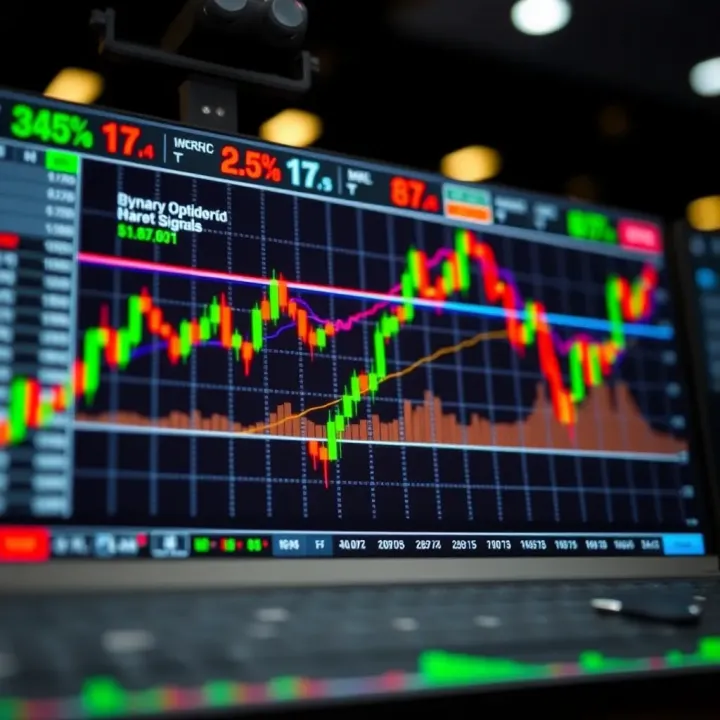
Manual Signals: Produced by experienced traders or analysts using chart patterns, market sentiment, or economic indicators. These signals often come with explanations, allowing traders to understand the reasoning behind the recommendation.
Automated Signals: Generated by computer software or trading bots analysing vast amounts of data for patterns or trends. While faster, they occasionally misinterpret sudden market shifts caused by local events or news.
Hybrid Signals: Combine human insights with algorithmic processing to balance speed and context awareness.
Not all signals carry equal accuracy. A South African trader must scrutinise the source of signals - is the provider transparent about their success rate and methods? As a rule of thumb, signals associated with consistent, verifiable track records hold more weight.
Blindly following random signals is risky. Wise traders pair signals with their own market understanding and risk management.
Suppose a signal suggests buying a put option on a currency pair like USD/ZAR ahead of an economic announcement. The trader should assess whether the signal aligns with prevailing local economic news or SARB monetary policy forecasts before acting.
In summary, binary options trading signals can speed up decision-making and identify opportunities. However, South African traders should critically evaluate signal reliability and always tailor decisions to their own strategies and market context.
Binary options trading signals are suggestions or alerts that indicate when to buy or sell a binary option. These signals aim to simplify decision-making by offering traders a direction based on analysis of the market. In the fast-moving world of binary options, where trades often expire within minutes or hours, having a reliable signal can be a handy tool to know when the odds are leaning towards a rise or fall in an asset's price.
For example, a signal might tell you to 'buy a call option' on a stock expected to rise in the next 15 minutes. This gives a clear, actionable cue rather than relying solely on gut feel or scattered research. But signals are not foolproof and should be weighed alongside personal analysis and risk tolerance.
Trading signals act like signposts that point to potential profitable trades. They come from either expert traders observing the market or from algorithms analysing price movements and volumes. The trader receives advice such as "expect the currency pair EUR/USD to rise in the next 30 minutes". Practically, this means a trader might enter a 'call' trade if they agree.
By following these signals, traders can save time and reduce the guesswork involved. Still, it's essential to understand that signals don't guarantee success but rather indicate opportunities worth considering.
Signals typically arrive in straightforward formats: text alerts, email notifications, push messages on mobile apps, or through specialised trading platforms. Some providers add charts or short explanations to back their calls, which can help traders understand the reasoning—important when deciding whether to trust the signal.
In South Africa, many traders get signals via mobile apps like Telegram or WhatsApp groups, allowing quick access even when out and about. Clear, quick delivery is crucial because timing is everything in binary options.
At its core, a trading signal is an attempt to predict whether an asset's price will go up or down within a set time. This prediction depends on technical indicators like moving averages or RSI (Relative Strength Index), combined with price patterns and recent market events.
For instance, if a signal provider notices a stock breaking a resistance level on high volume, they might issue a 'put' or 'call' signal depending on the expected move. This kind of insight helps traders anticipate shifts before they happen, rather than reacting after the fact.
Binary options have fixed expiry times—from 30 seconds to several days. Signals come with recommendations tied to these time frames. Following a 15-minute signal but choosing a 1-hour expiry can lead to mismatches and lost trades.
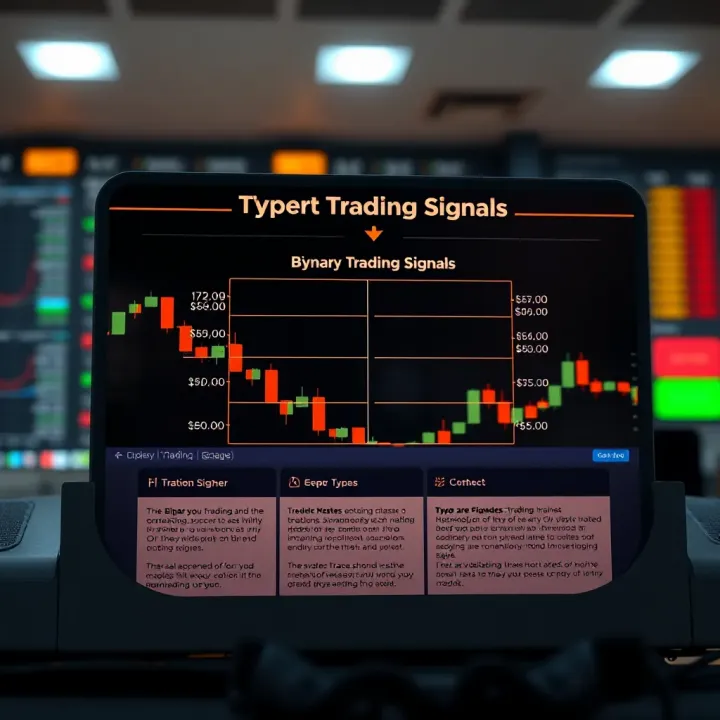
Traders must pay close attention to the expiry time suggested by the signal. If the signal is based on very short-term momentum, longer expiry times might miss the point. This is especially relevant in volatile markets like forex or commodities where prices change rapidly.
Timing mismatches between signal recommendations and chosen expiry times are a common pitfall for new traders, leading to disappointing outcomes despite following signals.
By understanding signals and fitting them correctly into your trading schedule, you can use them as one part of a balanced strategy—not the sole decision-maker. This mindful use preserves control and reduces overdependence on external advice.
When trading binary options, understanding the different types of trading signals can shape your approach and improve your results. Signals come in various forms, mainly differing by their source and cost, which affect their reliability, speed, and how much you can trust them to guide your trades.
Human analysis and expert alerts rely heavily on market knowledge, experience, and judgment. These signals come from experienced traders or analysts who study the market’s ebb and flow, news events, and technical charts before issuing buy or sell recommendations. For instance, a seasoned strategist might spot a formation on the chart signalling a likely price jump and send out an alert. Manual signals offer the benefit of context and understanding of bigger-picture factors, like upcoming economic reports in South Africa or sudden global events. However, they can be slower to react, and human bias may influence their decisions.
Algorithm-driven signals and software are produced by computer programs that crunch market data, price patterns, and volume with mathematical models. These automated signals run 24/7 without fatigue and can identify opportunities quickly — ideal in fast-paced, volatile markets. South African traders might find algorithmic signals particularly helpful during high-volatility times, like Eskom load shedding announcements or unexpected rand fluctuations. Yet, algorithms depend on the quality of their coding and data input; sudden market shocks or inaccurate data can lead to false signals or missed opportunities.
Advantages and drawbacks of free signals are straightforward. Free signals offer a low-risk way for traders, especially beginners, to get a feel for signal-based trading. Services on social media platforms or trading forums often distribute free tips or alerts based on general analysis. However, their accuracy and timeliness can be hit and miss, and providers may not have transparent track records. South African traders should be cautious, as some free signals may encourage impulsive decisions without guaranteeing success.
When paid signals add value is often when you want consistent accuracy backed by data and accountability. Paid subscriptions usually come with detailed reports, performance histories, and customer support. Some providers specialise in the South African market, factoring in local economic events or market nuances that generic signals might miss. Investing R500 to R1,000 monthly for a reliable signal service can be worthwhile if it saves you from costly mistakes or helps refine your strategy. Still, always vet providers carefully to avoid scams and unrealistic promises.
Knowing whether to rely on human or automated signals, and free versus paid services, can make a meaningful difference in your binary options trading outcomes. Tailor your choice to your trading style, experience, and budget.
Manual signals offer expert insight but may be slower and biased.
Automated signals excel on speed but depend on quality algorithms.
Free signals are accessible but less reliable and often generic.
Paid subscriptions promise more accuracy and support but require careful vetting and investment.
Choosing the right combination depends on your comfort with risk and how hands-on you want your trading to be.
In binary options trading, not all signals carry the same weight. Assessing their reliability is essential to avoid costly mistakes and to make informed decisions. Reliable signals can help you time trades better and improve your chances of profit. On the flip side, untrustworthy signals might lead you down the wrong path, costing both time and money.
The most obvious factor is how often a signal provider’s alerts lead to successful trades. A good track record means that the signals have repeatedly predicted market movements correctly over time. For example, if a signal promises a 75% success rate but provides no history or proof of it, that’s a red flag. In contrast, a provider that openly shares verified statistics, preferably from independent platforms or user reviews, shows confidence in their product. Keep in mind, however, that no signal can guarantee success every time because markets are inherently unpredictable.
Understanding who is behind the signals matters a great deal. Providers who are transparent about their methodology, team credentials, and trading models tend to be more trustworthy. Transparency can include clear information about how signals are generated — whether by expert analysts, automated algorithms, or a mix of both — and how frequently updates occur. Without this clarity, you’re left in the dark, which makes it harder to judge whether the signals suit your trading style or risk appetite.
Trustworthy signal services are upfront about their process and show proof of their claims through verifiable results.
Be cautious of any provider that guarantees extremely high returns with little or no risk. Claims like "earn 90% daily profits guaranteed" should raise eyebrows. Markets don’t work like that — especially in binary options trading, where volatility can spike unexpectedly. These over-the-top promises often lure inexperienced traders and may be linked to scams or unreliable services. A more reasonable provider will give balanced forecasts and highlight the risks involved.
Signals without evidence backing their past performance are difficult to trust. This includes providers that only offer testimonials without data or show selective success stories while hiding failures. In South Africa, several trustworthy forums and review sites allow traders to compare signal providers on transparency and results. Checking these resources before subscribing can save you a lot of heartache. If you can’t find any independent verification, it’s usually safer to look elsewhere.
Assessing these factors honestly helps reduce reliance on misleading signals and improves your overall trading experience. Keeping a healthy dose of scepticism is a good start – signals should guide your decisions, not make them for you.
Using binary options trading signals isn’t without its pitfalls. While signals can offer helpful guidance, understanding their risks and limitations is vital for managing expectations and protecting your capital. Overlooking these factors could lead to avoidable losses or poor trading decisions.
Market volatility impact can cause even the most accurate signals to fail. Financial markets, especially in South Africa's context, can shift rapidly due to unexpected events like policy changes, economic reports, or Eskom loadshedding disruptions. A signal might suggest a price will rise within an hour, but sudden volatility could push it the other way, resulting in a loss. Traders must accept that signals are not guaranteed predictions but probability indicators sensitive to changing conditions.
Another risk lies in false positives and missed opportunities. Signals occasionally indicate a strong trade setup that turns out wrong, known as a false positive. For example, a signal might suggest a rise in the Rand against the US dollar, but local economic shocks or global forex moves can reverse the trend swiftly. Conversely, signals might miss out on profitable trades if the algorithm or analyst fails to detect emerging trends. Relying solely on signals could mean missing these chances without your own market awareness stepping in.
Ignoring your own analysis is a common trader mistake when using signals. Some new traders treat signals as gospel, blindly entering trades without question. This habit can stunt learning and lead to poor risk management. For instance, a signal might recommend a risky option near expiry, but your own research shows weak volume or unfavourable technical indicators. Ignoring those signs just because the signal calls for it can cause unnecessary losses. Combining signals with your judgement is always smarter.
Then there’s the risk of scams and misinformation. The binary options space has attracted dubious providers promising guaranteed returns via their signals. Some sell overpriced subscriptions or push clients into aggressive trades under false pretences. South African traders should be wary, checking for licences from regulators and reading user reviews carefully. Credible sources seldom promise ridiculous success rates, so trust your instincts and steer clear of overhyping.
Trading signals can be valuable tools but remember: they don’t replace good research, risk controls, and cautious scepticism. Awareness of their limitations safeguards your trading journey.
Traders in South Africa need to approach binary options trading signals with a keen eye, especially given the variety of providers and the fluctuating market conditions. Practical advice helps you cut through the noise and avoid costly mistakes. For example, a trader relying solely on signals without verifying the source or understanding local market trends risks losing more than just money—they risk their confidence and strategy.
One of the first things you should do when selecting a signal provider is to verify if they comply with South African financial regulations. The Financial Sector Conduct Authority (FSCA) monitors financial services providers operating in the country, so a registered and compliant provider is generally more trustworthy. This means they’re subject to oversight, must follow rules that protect traders, and are less likely to be involved in scams.
If you're considering an international signal service, ensure that it has a sound reputation and complies with regulations in its home country, but always check if this translates well to South Africa's specific legal framework. Regulatory compliance does not guarantee success, but it’s a solid starting point.
Checking reviews and feedback from other South African traders can give you valuable insights into how reliable and useful a signal provider actually is. Look beyond marketing hype; forums and social media groups focused on trading often feature honest experiences, both good and bad. For instance, some providers may deliver accurate signals but have poor customer service or slow response times, which can be crucial when timing trades.
Be wary of overwhelmingly positive reviews without details. Authentic feedback usually covers specifics like signal accuracy, delivery speed, and transparency. Also, remember that some negative reviews might stem from unrealistic expectations, so balance what you read with your own goals.
Trading signals should never replace your own research. Use them as a tool alongside analysing market trends, news events, and technical indicators. For instance, if a signal suggests a call option on a particular stock, cross-check what’s happening locally and internationally that might affect that stock’s price today.
Personal research lets you confirm or question signals, reducing the risk of blindly following advice that may not fit your risk appetite or market timing. For example, during Eskom-related loadshedding announcements, energy sector signals may behave unpredictably, so your own awareness can help you decide whether to trust these signals.
It’s important to go into binary options trading with clear expectations about potential returns and losses. Signals can guide you, but they’re no crystal ball. Setting limits on how much you’re willing to risk per trade or per day prevents emotional decisions that often lead to unnecessary losses.
Suppose you decide to risk R500 per day. If signals lead to a losing streak, sticking to that limit protects your capital. Likewise, set achievable profit targets—chasing unrealistic gains based on signals alone is a quick road to disappointment. In South Africa’s sometimes volatile markets, discipline around goals is what keeps traders steady, not relying on signals alone.
When used thoughtfully, trading signals are a helpful aid, but your own research and disciplined limits are what really make the difference in consistent trading success.
Explore how free binary options signals can assist South African traders 🎯. Learn to spot reliable providers, avoid scams, and smartly use signals for better trades 📉📈.
📊 Dive into graphic trends in binary options trading! Learn chart patterns, technical indicators & strategies tailored for South African traders. 🇿🇦

📈 Explore how free binary options signals software works, its benefits, risks, and tips to choose and use it wisely in your trading strategy ⚖️
📚 Discover free binary options trading books perfect for South African traders! Learn key tips & apply strategies without spending a rand. Start now!
Based on 12 reviews