
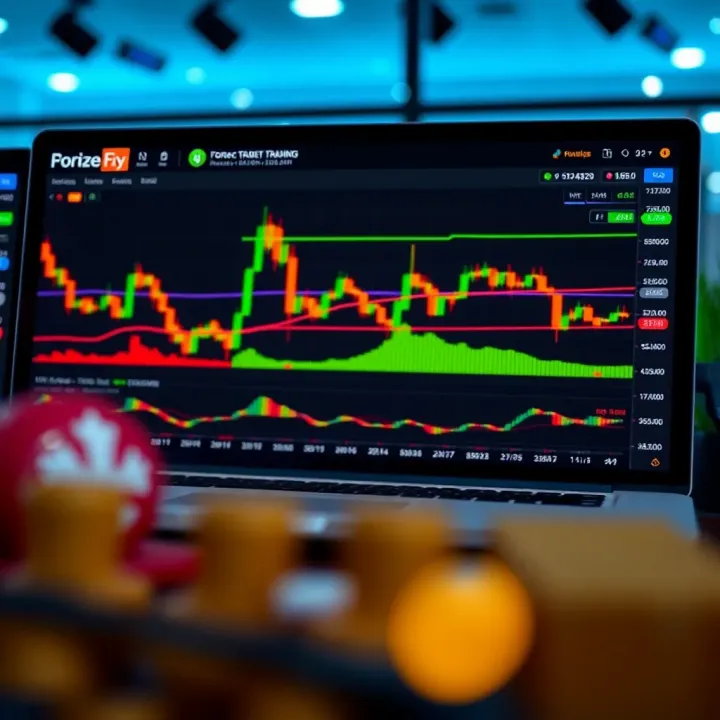
How to Use a Free Forex Demo Account: Download & Benefits
Learn how to download and use a free forex demo account 📊 to practice trading risk-free, test strategies, and gain confidence before live trading 🇿🇦
Edited By
Amelia Richards
For South Africans stepping into the world of forex trading, getting comfortable with the market before risking real money is smart. A forex trading demo account offers this safe space to practise. It’s like a dress rehearsal where you can test how trading works without the pressure of losing big.
Demo accounts mimic real market conditions using virtual funds. This means you can try out strategies, get familiar with trading platforms, and understand currency pairs like the USD/ZAR or EUR/ZAR without spending a cent. For example, a trader might try short-term scalping on a demo before going live.

Using a demo account helps you learn from your mistakes without financial pain. That’s the real value.
With rising interest in forex from South Africans curious about earning in foreign currency, demo accounts are more important than ever. They provide:
Risk-free practise to build confidence
Familiarity with trading software common among brokers like ForexTime or IG
Insight on how spreads and leverage affect trades
A chance to develop discipline before real stakes come into play
Before downloading, focus on platforms that offer features relevant to your goals:
Real-time market data
Access to major forex pairs and local favourites
User-friendly interfaces adjustable to your style
Educational tools embedded within the platform
Getting started generally involves registering with a broker, downloading their trading platform (often MetaTrader 4 or 5), and activating the demo. Most let you reset balances, so you can practise fresh whenever you want.
Ready to sharpen your skills and trade smarter without the worry? A demo account helps you understand the ins and outs of forex trading here in South Africa, setting a solid base for when you decide to jump into live trading.
Forex demo accounts serve as a no-risk environment where traders can practise currency trading without putting real money on the line. They mirror live market conditions, offering valuable experience for beginners and seasoned traders who want to test strategies. By understanding what a demo account offers and how it differs from a live account, you'll be better positioned to develop your skills and transition smoothly into actual trading.
A forex trading demo account is essentially a free practice account provided by brokers that allows you to trade currencies using virtual funds. This means you can make trades just like in the real market but without risking any actual cash. For instance, you might receive R100,000 in virtual money to buy and sell pairs like USD/ZAR or EUR/USD, enabling you to experience market movements firsthand.
Unlike a live account, your demo trades do not result in real gains or losses. This setup makes it ideal for learning the ropes or trialing new tactics without the stress of losing real rand. Some brokers even replicate live spreads and volatility to ensure the experience feels authentic.
Practising without risking real money is the biggest advantage of a demo account. New traders can make mistakes and learn from them without the sting of financial loss. For example, you can experiment with leverage or order types until you understand their impact.
Getting familiar with trading platforms is another key benefit. Platforms can look intimidating at first, with numerous indicators, charts, and order options. Using a demo account helps you navigate these tools comfortably. You might discover that MetaTrader 4 works better for your style than cTrader or vice versa.
Lastly, demo accounts help in building confidence before investing real funds. Trading can be nerve-wracking, especially under pressure. By seeing how your trades perform in a simulated environment, you can develop the discipline and emotional control needed for live markets. For instance, practising stop-loss orders on a demo may teach you to cut losses quickly rather than holding losing positions out of hope.
Demo accounts bridge the gap between theory and real trading, helping you sharpen skills, test strategies, and understand market dynamics before risking your hard-earned money.
Getting a handle on forex demo accounts early puts you on sound footing, making your transition to real trading less daunting and more informed.
Finding and downloading a reliable forex demo account is essential for building your trading skills without risking real money. Choosing the right demo platform is not just about ease of access; it’s about making sure your practice environment replicates live trading as closely as possible. For South African traders, the broker’s reputation, regulation by the Financial Sector Conduct Authority (FSCA), and platform reliability are key factors.
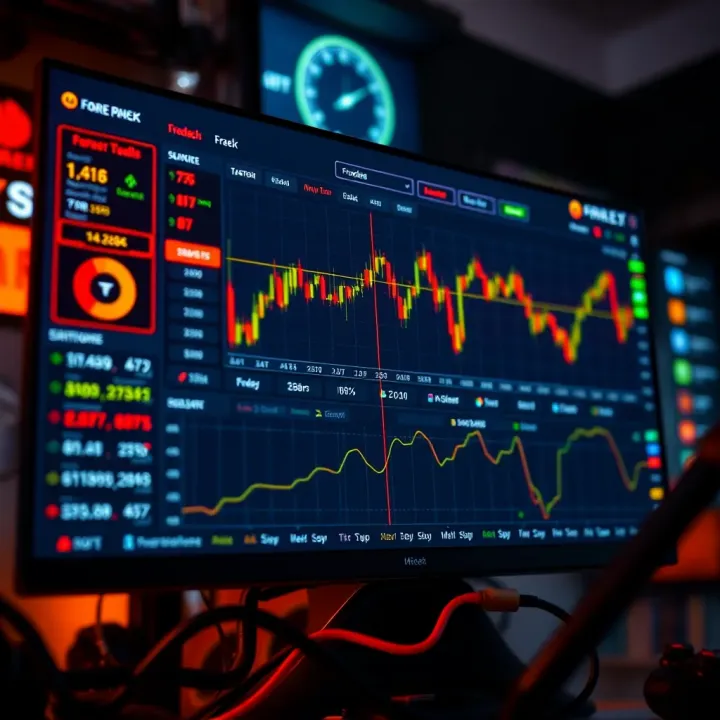
Checking broker reputation in South Africa
Before you download any demo account, it’s important to check the broker’s reputation locally. Many brokers operate globally, but those with a solid presence in South Africa tend to be more accountable and familiar with local market needs. For example, brokers like GAINSCOPE or HotForex have established offices or support tailored for South African clients. You want a broker who is transparent about fees and has a good track record with South African traders, especially since forex scams are a concern here.
Looking for FSCA regulation
The FSCA regulates financial service providers in South Africa. Make sure your broker is FSCA-authorised because this means they follow strict rules protecting traders’ funds and ensuring fair trading. Demo accounts from unregulated brokers might look tempting but could leave you vulnerable, especially if you plan to transition to a live account. FSCA regulation is a firm sign of trustworthiness — it means the broker submits to regular checks and must comply with South African financial laws.
Read user reviews and platform reliability
Checking online forums and review sites helps you gather real experiences from other traders. Look for consistent reports about how stable the demo platform is—does it crash, freeze, or lag during volatile market moves? Platform reliability is crucial because you want to test strategies under conditions similar to live trading. If lots of users complain about technical glitches, it’s better to steer clear and try another broker.
Visit the broker’s website
Start at the official broker website—it should be easy to navigate and clearly offer a demo account option. For instance, if you’re interested in trading via MT4 or MT5, confirm the broker supports these platforms and that the download link is directly on their site. Avoid third-party sites to sidestep phishing risks.
Create a demo account profile
Once on the site, sign up for a demo account by entering your details. This usually includes your name, mobile number, and email. Some brokers ask if you’re trading from South Africa to adjust the platform settings accordingly, like defaulting to ZAR as your base currency. This profile allows you to track your demo trades and sometimes save your strategy setups.
Download installation files for desktop or mobile
Choose your device type—desktop (Windows or Mac) or mobile (iOS or Android). Most brokers provide versions for all. Sometimes, demo trading is also available via a web browser without downloads, which is handy if you’re just testing the waters without wanting to commit to installation. If you prefer mobile trading, check if the app supports push notifications for price alerts.
Installation and set-up tips
After download, follow the broker’s instructions carefully. Keep your internet connection stable during installation to avoid corrupt files. Once installed, log in with the demo account details received by email. You might need to adjust settings such as chart timeframes or add preferred indicators before you start practising. Don’t rush into trading immediately—spend time familiarising yourself with the platform’s layout and order types.
Taking the time to choose the right broker and installing your demo properly means you’ll get the most out of your practice session. It’s the first step to becoming a confident and skilled forex trader in South Africa.
When choosing a forex demo account, it's essential to focus on key features that closely mimic live trading conditions. This ensures your practice is realistic and prepares you for real market challenges. Let's unpack the main elements you should prioritise.
Accurate live price feeds are vital because they show up-to-date prices as they move in the actual market. Without these, your demo trades won't reflect real-world market swings, which can mislead your strategy testing. For example, if the price of the EUR/USD pair jumps suddenly due to economic data, your demo should show this movement instantly so you can react as you would in a live setting.
Simulated spreads and execution speeds in demo accounts should closely match what brokers offer in live trading. Spreads—the difference between buy and sell prices—impact profitability, so unrealistic tight spreads in a demo might create false expectations. Similarly, execution speed matters because delays can affect trade outcomes, especially during volatile sessions, like the London or New York open. A quality demo platform replicates these conditions so you learn how to manage such quirks.
Charting tools enable you to analyse price trends and patterns. In a demo account, access to comprehensive chart options, like multiple timeframes and technical indicators (MACD, RSI, Bollinger Bands), lets you practise technical analysis effectively. Imagine trying to spot a reversal without proper charts—it’s like navigating without a map.
Order types include market, limit, stop-loss, and take-profit orders. A demo account should offer these to simulate actual trading scenarios. Practising with stop-loss orders, for instance, helps build discipline and protects from big losses when you move to live trades.
Risk management features are crucial. Look for demo accounts that let you set clear stop-loss and take-profit levels, and possibly position sizing tools. Mastering these controls helps you keep emotions in check and manage your exposure, a skill every trader must develop before trading real funds.
A user-friendly interface simplifies learning and reduces errors. Clear menus, responsive controls, and intuitive layouts help you focus on strategy instead of fumbling with software. For example, brokers like MetaTrader 4 or 5 offer straightforward platforms familiar to many South African traders.
Minimal technical issues in demo accounts mean fewer distractions and frustration. Frequent crashes or slow loading can disrupt practice sessions and harm your learning curve. Reliable demos provide smooth performance, reflecting what you can expect in live environments.
A demo account's value lies in how closely it mirrors live trading conditions. Choosing one with realistic pricing, useful tools, and dependable performance sets you up for genuine success once you take the leap into real forex trading.
Using your forex demo account effectively is more than just clicking around the interface. It's about replicating real trading scenarios to sharpen your skills and test ideas without risking any actual cash. For South African traders, this approach can build solid ground before stepping into the live market, where emotions and real financial stakes come into play.
Trial different approaches without financial risk: One of the biggest advantages of a forex demo account is the freedom to experiment. You can try out different trading strategies—from scalping on short time frames to swing trading over days—without the pressure of losing money. For example, if you want to test how a moving average crossover strategy works with South African rand-dollar pairs, the demo environment lets you observe its performance clearly before committing real funds.
Track performance and adjust tactics: Demo trading also offers a safe space to record your outcomes. Keep a trading journal, noting what worked and what didn’t. Suppose you notice that your strategy struggles during high volatility periods or news releases, you can tweak your rules accordingly. This reflective process helps improve decision-making and prepares you better for live trading.
Setting stop-loss and take-profit levels: Managing risk is vital, and demo accounts allow you to practise setting stop-loss and take-profit orders effectively. This habit ensures you limit losses and lock in gains promptly. For instance, practising a 1% risk per trade stop-loss on your demo trades can teach discipline that’s essential when real money is on the line.
Learning to manage emotions: Although demo accounts use virtual money, they still help you understand the psychological side of trading. You'll face situations where a trade moves against you, and though no money is lost, your reaction can reveal emotional tendencies like impatience or fear of missing out (FOMO). Recognising these early helps develop steadiness for live markets.
Understanding the differences between demo and live trading: It’s crucial to grasp that demo and live trading don’t feel the same. Demo accounts don't simulate issues like slippage, broker execution delays, or the emotional weight of actual losses. For example, the quick moves you make in a demo might change when the real reward—and risk—is real. Knowing this gap will prepare you mentally to face the jump.
When to switch to a real account: The right time to switch depends on your consistency and confidence during demo trades. If you’ve consistently applied sound risk management, tested various strategies, and understand market dynamics, you might be ready. Avoid rushing into live trading just because you feel bored or eager. Instead, make sure you have a clear plan for starting small and scaling up.
Effective demo trading is a rehearsal, not the main show. Treat it seriously, and it can provide you the practice ground needed to handle the unpredictable real-world forex market.
Downloading and installing a forex demo account can occasionally throw up issues that delay your start or impact your experience. Knowing common troubles and having quick answers makes a big difference. This section covers practical problems traders face during download and installation, plus some key demo account limitations you should be aware of. It’s about saving you time and frustration before you even place a trade.
Demo platforms don’t demand super-advanced computers, but they do need a compatible system to run smoothly. For instance, many brokers require Windows 10 or later, macOS Mojave or higher, and at least 4GB of RAM for desktop installations. Trying to run these on an older machine might result in crashes or painfully slow performance, which ruins the purpose of practising. Before downloading, check the broker’s specifications carefully to avoid hitting snags. This is especially relevant in South Africa, where older laptops or budget devices are common.
A stable internet connection is key for both downloading the platform and receiving live market data. Interrupted downloads often mean wasted time or corrupted files. South African traders often face load-shedding-related disruptions or fluctuating broadband speeds. Using a wired connection where possible reduces interruptions, especially during installation. If you see strange errors like ‘‘unable to connect to server,’’ double-check your firewall or antivirus settings—they sometimes block the broker’s software from communicating online.
Most brokers set time constraints on demo accounts, usually between 30 to 90 days. This encourages traders to move on to a live account eventually. For example, a broker might suspend demo trading after 60 days unless you open a funded account. This means you should plan your learning curve accordingly and not rely on the demo platform indefinitely. If you find the time expires before you feel ready, simply register for a fresh demo with another broker to keep practising.
Demo accounts simulate trade execution but can’t replicate all nuances of live markets. Orders might execute instantly in demo mode, while on a live account slippage (price difference) can occur during fast-moving markets. Also, liquidity constraints or requotes rarely show up on demos but affect real trades. South African traders who jump too quickly from demo to live often find these differences frustrating. Understanding that demo trading is about practising strategy rather than perfect execution helps manage expectations.
Knowing these technical and operational quirks of forex demo accounts puts you ahead. With this clear insight, you can avoid common pitfalls, make efficient use of your demo platform, and move confidently towards live trading without nasty surprises.
Learn how to download and use a free forex demo account 📊 to practice trading risk-free, test strategies, and gain confidence before live trading 🇿🇦
Learn how to find, download, and use forex trading systems wisely 📉📈. Tips for South African traders on sources, customization, and performance checks.
📈 Enhance your Forex skills risk-free with a trading simulator. Practice strategies, gain confidence, and trade smarter before using real money in South Africa.

📹 Learn how to safely find, evaluate, and download forex trading videos for better skills. Tips for beginners & pros to maximise learning in South Africa.
Based on 14 reviews