

Understanding the Risk Management Process
🔍 Learn how risk management helps businesses protect goals and assets. Explore key steps, challenges, and top methods for handling risks effectively.
Edited By
Emily Carter
Risk management is a vital practice for South African businesses, especially given the unpredictability of local markets and operational challenges such as loadshedding and fluctuating exchange rates. It's about identifying what could go wrong, assessing how likely and severe those risks are, and deciding how to deal with them before they disrupt your operations or investments.
Effective risk management isn't just for big corporations; traders, investors, analysts, and brokers all stand to benefit. When you understand the risk management process, you gain a better grip on protecting your capital and making informed decisions in dynamic markets.
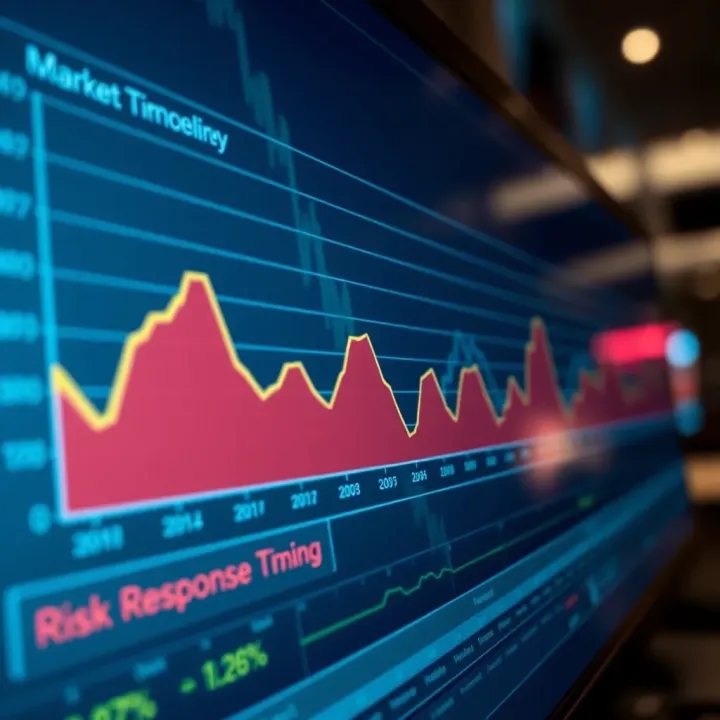
The risk management process typically follows structured steps:
Identify Risks: Spot potential threats that could impact your activities. These might include market volatility, credit default, changes in regulation, or even supply chain interruptions.
Assess Risks: Evaluate the likelihood and impact of each risk. For example, an investor might weigh the chance of a company’s share price dropping against potential returns.
Plan Responses: Decide on actions such as avoiding, reducing, transferring, or accepting the risk. Financial analysts might recommend diversification or hedging strategies here.
Implement Controls: Put your plans into practice, whether that’s buying insurance, setting stop-loss orders, or tightening internal controls.
Monitor and Review: Risks evolve, so continuous monitoring is necessary to spot new threats or changes in existing ones. It’s also a chance to evaluate if your response measures are effective.
Remember: Risk management is a continuous cycle, not a one-time task. Staying alert to changes in the business environment and updating your plan keeps you ahead.
In the South African context, practical application means considering local factors like regulatory shifts from the FSCA or SARS changes, or external risks like currency depreciation and load shedding.
By mastering these steps, financial professionals can better safeguard portfolios, navigate complex markets, and seize opportunities while staying prepared for unexpected challenges.
Understanding risk management equips you to approach uncertainty with confidence rather than hesitation, essential for sustained success in today’s ever-changing financial landscape.
Defining the risk management process is the foundation for any organisation aiming to handle uncertainties effectively. By laying out the exact steps and responsibilities, businesses can avoid costly surprises and focus on sustainable growth. In practice, this means creating a clear framework that identifies potential threats, assesses their impact, and plots out measures to control or mitigate their effects.
For instance, a Johannesburg-based mining company faces unique risks such as fluctuating commodity prices and operational safety. Defining their risk management process helps the company spot early warning signs, such as sudden drops in gold prices or equipment failures, ensuring they respond quickly to protect profits and workers' safety.
At its core, risk management means spotting potential problems before they snowball into major issues. It’s more than just ticking boxes – it involves constantly monitoring factors that could derail projects or affect financial stability. For a stockbroker, this might include tracking sudden market shifts or changes in regulatory policies that could impact client portfolios.
Effective risk management also requires collaboration across different teams. For example, a financial services firm integrating input from compliance, trading, and IT departments can better anticipate and manage risks like cyber threats or non-compliance penalties. In reality, risk management is an ongoing practice, not a one-off exercise.
Practical risk management involves blending data analysis, professional judgement, and flexibility to adapt as conditions change.
Without a clear strategy, companies risk reacting to problems only after damage has been done. A well-defined strategy aligns risk management with overall business goals, making it easier to prioritise risks and allocate resources. For instance, a retailer operating in Gauteng battling loadshedding must factor power disruptions into their risk strategy to avoid stock losses or service delays.
Having a strategy also improves communication with stakeholders. Investors and partners want assurance that risks are identified and controlled to safeguard their investments. Furthermore, in South Africa’s regulated environment, organisations must comply with frameworks like the King IV Report on Corporate Governance or POPIA (Protection of Personal Information Act). A risk management strategy ensures these requirements are met and supports ethical business practices.
In short, defining the risk management process and developing a strategy isn’t just a tick-box exercise. It’s a necessary step that keeps South African businesses resilient, agile, and able to turn challenges into opportunities.

Managing risk well isn't just ticking off boxes; it’s about spotting potential pitfalls before they throw your plans off course. For traders, investors, and business analysts, understanding these key steps helps to reduce surprises that can hit the pocket hard. Here’s how the risk management process breaks down.
The first step is to spot what might go wrong. Think of it as taking a good look around your operations or investments to highlight anything that could derail your goals. In South Africa, this might include factors like load shedding disrupting production, sudden changes in exchange rates, or political unrest impacting markets. Gathering input from different departments or experts can uncover risks no single person might spot alone.
Once risks are on the table, the next move is to assess their likelihood and potential impact. This stage turns vague worries into clear priorities. For example, a forex trader will look at the volatility of certain currencies and how that could affect returns. Evaluating risks typically involves both qualitative judgment and quantitative data — such as loss estimates or probability percentages — to rank which risks need urgent attention.
After evaluating, it’s time to decide how to handle each risk. Responses usually fall into these categories:
Avoidance: Steering clear of an activity with too much downside.
Mitigation: Putting controls in place to reduce the likelihood or impact.
Transfer: Shifting the risk elsewhere, like through insurance or contracts.
Acceptance: Sometimes the cost of action is higher than the risk, so accepting it makes sense.
Choosing the right approach depends on resources, risk appetite, and the potential fallout.
Plans are only as good as their execution. Here, you put measures in place—such as diversifying investment portfolios, tightening credit checks, or installing backup generators—to keep risks in check. Effective communication and training ensure the team understands their role in this risk control, helping prevent breakdowns.
Risk isn’t static. What seemed harmless last year could become a major threat today. Monitoring involves regular checks, updated reports, and keeping an eye out for new issues. In practice, this might mean monthly risk review meetings or using software dashboards. Reviewing the overall process helps refine strategies, picking up lessons and adjusting for better results.
A solid risk management process turns uncertainty into informed decisions. It ensures your business or investments aren't left scrambling when challenges crop up.
By following these clear, practical steps, South African businesses and investors become more resilient, ready to face local challenges with confidence and foresight.
Risk management isn't just about spotting potential problems; it involves structured tools and techniques to keep things on track. These tools help traders, investors, and financial analysts quantify and control risks effectively, especially in a volatile market like South Africa's, where economic shifts and regulatory changes can be sudden.
A risk register is a fundamental tool that records identified risks, their potential impact, likelihood, and the measures taken to control them. Think of it as a detailed checklist for the team, ensuring no risk flies under the radar. For example, an investment house might use a risk register to track risks related to currency fluctuations or changes in the JSE regulations. Each entry includes who is responsible for monitoring the risk and the current status, so updates are transparent.
This register supports clear communication and accountability – crucial in fast-moving financial environments.
Risk analysis breaks down into qualitative and quantitative methods, both offering valuable insights. Qualitative analysis relies on expert judgment, interviews, and categorization to score risks based on their severity and probability. For instance, a boutique asset manager might score the reputational risk of a client investment saga as high qualitative risk even if it’s hard to measure numerically.
On the other hand, quantitative analysis uses numerical data and statistical models to give measurable risk values. Analysts often pull historical price movements or volatility stats from South African equities to calculate value at risk (VaR) or stress test portfolios against hypothetical market crashes.
Using both methods together gives a fuller picture — qualitative methods flag concerns that raw data might miss, while quantitative techniques add precision.
Scenario planning lets organisations imagine different future states and how these would affect their investments or operations. For example, a corporation might consider how worsening Eskom loadshedding stages could disrupt production and plan accordingly. It’s less about predicting exactly what will happen, more about preparing for plausible outcomes.
Risk mapping complements this by visually plotting risks on a matrix or heatmap according to their likelihood and impact. A broker might map risks of political unrest or market downturns, helping to prioritise which risks need urgent attention.
Combining these visual and narrative tools ensures decision makers can swiftly grasp complex risks in a glance and act decisively.
In South African markets, where external factors often shift quickly, knowing how and when to use these tools can make the difference between weathering storms or being caught off guard.
South African businesses operate in a unique environment where risk management goes beyond theory and becomes essential for survival. Factors like economic volatility, frequent loadshedding, regulatory complexity, and social dynamics mean companies must tailor their risk strategies locally. Applying risk management effectively helps organisations stay resilient amid these challenges, safeguard investments, and comply with legal requirements.
One of the pressing challenges is loadshedding: scheduled electricity cuts by Eskom disrupt production, logistics, and IT systems. For instance, a manufacturing plant in Gauteng might lose hours of output if backup power isn't secured, leading to costly delays. Another hurdle is exchange rate volatility which can impact import costs and pricing strategies, especially for exporters dealing in foreign currencies. Besides economic factors, social issues like labour unrest or community protests can halt operations, underscoring the need for thorough risk identification. Crime, including asset theft and cybercrime, also adds a layer of risk unique to the South African context.
South African compliance demands shape how risks are managed. Local laws such as the Protection of Personal Information Act (POPIA) introduce data security risks that companies must address to avoid fines. Tax legislation from the South African Revenue Service (SARS), including VAT and customs duties, requires strong internal controls to mitigate financial exposure. Companies also navigate B-BBEE scorecard requirements, which affect tender eligibility and reputation. Aligning risk management with these frameworks ensures legal adherence and supports business continuity.
While large corporates typically have dedicated risk teams, small and medium enterprises (SMEs) often juggle risk management with limited resources. SMEs should focus on prioritising risks that could jeopardise cash flow and customer trust, like supplier failures or fraud. Simple tools such as risk registers and regular reviews can help track these issues. Corporates benefit from integrating risk management into governance, linking it with strategy and operations. For example, banks listed on the Johannesburg Stock Exchange (JSE) actively monitor credit and market risks to protect shareholder value. Regardless of size, embedding a risk-aware culture and continuous monitoring remains key.
Effective risk management in South Africa is about understanding local risks, staying compliant, and scaling efforts according to organisational capacity. This approach helps companies anticipate challenges and sharpen their decision-making.
Overall, South African businesses that apply risk management with attention to these practical aspects are better positioned to navigate uncertainty. Recognising the local risk landscape and adapting controls accordingly can prevent setbacks and propel growth even when conditions are tricky.
🔍 Learn how risk management helps businesses protect goals and assets. Explore key steps, challenges, and top methods for handling risks effectively.

Learn how to spot, assess, and control risks affecting your business or daily life in SA 🇿🇦. Practical steps to manage uncertainties with local insights 📊🔍.
📊 Learn how effective risk management protects your business by identifying, assessing, and controlling risks for safer, smarter decisions in SA markets.
📊 Learn how a risk management plan helps South African businesses spot, assess, and manage threats that could disrupt operations or goals. Stay prepared! ⚠️
Based on 10 reviews