

Understanding the Risk Management Process
🔍 Learn how risk management helps businesses protect goals and assets. Explore key steps, challenges, and top methods for handling risks effectively.
Edited By
Thomas Whitaker
Risk is part and parcel of any business or investment decision, especially in South Africa's dynamic market. From fluctuating forex rates to unpredictable loadshedding schedules, understanding how to manage risk can be the difference between success and setback.
Risk management isn't about avoiding all risks—that's neither practical nor possible. Instead, it’s about identifying potential threats early, assessing their impact, then putting in place measures to control or mitigate them. This process gives traders, investors, analysts, and brokers a clearer view of the uncertainties they face.

Effective risk management arms you with the tools to make informed decisions, balancing opportunities against potential downsides.
The risk management process typically unfolds through several key stages:
Risk Identification: Spotting possible risks before they become issues. This could involve scanning economic indicators or monitoring political developments that affect the JSE.
Risk Assessment: Measuring how likely these risks are and the scale of their impact. For instance, assessing how a rand depreciation might affect import costs.
Risk Treatment: Deciding on steps to reduce risk exposure, such as diversifying your investment portfolio or using derivatives to hedge.
Monitoring and Review: Keeping an eye on new risks and the effectiveness of treatments, ensuring your approach adapts to changing conditions.
Communication and Consultation: Engaging with stakeholders and sharing risk information to foster collective understanding and response.
Applying this method locally means considering specifics like volatility in commodities relevant to South African markets (platinum, gold), regulatory changes from SARS or the FSCA, as well as infrastructure concerns like Eskom's load-shedding plans which can disrupt businesses.
For example, a financial analyst working with retail clients might regularly update risk models to account for shifts in exchange rates and inflation rates announced by the SARB. Similarly, brokers could advise clients on asset diversification to shield against sector-specific risks in mining or agriculture.
Understanding and implementing these practical steps creates a solid foundation for managing uncertainty. It’s not just about reacting to risks but planning ahead in a way that’s grounded in South African economic realities and market behaviour.
Spotting risks at the outset is vital for traders, investors, and financial analysts. Early identification prevents unpleasant surprises and gives you time to plan sensible responses. It’s not just about avoiding losses but also about recognising opportunities hidden in uncertainty.
Defining risks relevant to your context means understanding what threats could realistically impact your objectives. For example, a trader dealing in equities must consider market volatility, regulatory changes, and economic indicators. On the other hand, an investor in property might weigh risks like municipal by-law changes, tenant defaults, or infrastructure upgrades. The key is tailoring risk definitions to your environment rather than applying generic terms.
Examples of common risks in business and daily life include fluctuating interest rates impacting loan repayments, loadshedding affecting business operations, and political developments causing currency instability. For financial professionals, risks might also stem from cyber threats targeting sensitive data or delays due to stock exchange technical glitches. Being aware of such risks sharpens your decision-making.
Brainstorming and checklists remain straightforward yet effective tools. Gather your team or peers and list everything that could derail your plans — no matter how unlikely it seems. Using checklists based on past experiences or industry standards ensures you don’t overlook common pitfalls. For instance, a stockbroker might have a checklist covering market sentiment shifts, client defaults, and regulatory updates.
Consulting experts and historical data offers insight beyond what you might anticipate alone. Economic reports, SARB announcements, and past market performances reveal patterns that flag potential risks early. Reaching out to seasoned analysts or attending local indabas provides context-specific knowledge, especially important in SA’s unpredictable economy.
Using scenario planning and local insights sharpens your foresight. Imagine different future scenarios—from a sudden rand depreciation to unexpected policy shifts—and assess how each affects your portfolio or business model. Including factors unique to South Africa, such as electoral cycles or regional droughts, ensures your risk assessment isn’t just theoretical but grounded in practical realities.
Identifying risks early is like tuning into the local weather before a braai—you want to know if rain’s on the way so you can prepare, not be caught off guard.
Adopting these methods helps build a solid foundation for risk management. It keeps you proactive, nimble, and ready to face the ups and downs specific to the South African market and environment.
Evaluating risks based on their impact and likelihood is a vital step in risk management. This approach helps you separate minor threats from serious ones that can affect your bottom line or strategic goals. For traders, investors, or financial analysts, understanding which risks can potentially harm a portfolio or business operations enables better preparation and targeted responses. Without this assessment, time and resources might be wasted managing inconsequential risks, while critical issues get overlooked.
When evaluating risks, you can choose between qualitative and quantitative methods. Qualitative assessment relies on subjective judgements, often using categories like "high," "medium," or "low" for both impact and likelihood. This method is quicker and useful when hard data is unavailable. For example, a small investment firm may assess the risk of regulatory changes qualitatively by consulting experts and rating the potential disruption without crunching numbers.
Quantitative approaches, on the other hand, employ numerical data and statistical models to estimate risk severity and chance. This method demands more effort and reliable data but yields measurable outputs like probabilities or expected losses. A stockbroker analysing currency risk might use historical price fluctuations to calculate potential financial exposure quantitatively. Both approaches have merit; often, a combination allows businesses to balance speed with accuracy.
Applying a clear risk rating scale helps uniform assessment across teams and projects. Many South African firms use a 5x5 matrix combining impact (financial loss, reputational damage, operational disruption) with likelihood (frequency or probability). Scores range from 1 (low) to 5 (extreme) for each axis, helping visualise which risks demand urgent attention.
For instance, a risk with a high likelihood of causing moderate financial loss might score 4 on likelihood and 3 on impact, resulting in a combined risk score of 12. This quantitative summary guides management on which risk mitigation actions are warranted. Adopting such scales improves clarity, especially in volatile local markets where infrastructure challenges or political shifts can quickly change risk profiles.
Ranking risks boils down to combining the assessed impact and likelihood to determine severity. The principle is straightforward: risks with the highest potential damage and chance of occurrence take precedence. This helps focus attention and budgets where they're most needed. For example, in a financial services firm, a cyber-attack risk with a high likelihood and severe impact should be prioritised well above a rarer, less damaging equipment failure.

A practical approach is to list risks alongside their scores from an assessment matrix and arrange them from highest to lowest. Doing this regularly ensures your team tracks emerging threats and reallocates resources efficiently.
South Africa’s unique business environment significantly influences risk evaluation. Market volatility is high, influenced by currency fluctuations, changing interest rates by the South African Reserve Bank (SARB), and global economic shifts. Infrastructure bottlenecks, such as frequent loadshedding by Eskom, add operational risks that may not be visible elsewhere. For instance, a retail business relying on electronic payment systems must factor in the likelihood of power interruptions disrupting sales.
Additionally, social risks like labour unrest or sudden regulatory changes are much more pronounced locally. Incorporating these local realities allows investors and businesses to develop a risk profile aligned with true operating conditions. This contextual awareness prevents underestimating risks that may seem minor in a global model but could be damaging right here in Mzansi.
In risk management, evaluating potential impact and likelihood with clear methods and local insight keeps strategies grounded and effective, especially in South Africa’s dynamic environment.
Developing strategies to manage risks is where the theoretical meets the practical. Once risks are identified and evaluated, businesses and investors must decide how to respond to them. This phase is about choosing the right mix of actions that balance risk exposure with resources available and the potential impact on business objectives. Proper risk treatment helps avoid costly surprises and supports more confident decision-making in complex markets.
Risk treatment involves four main approaches: avoiding, reducing, sharing, or accepting risk. Avoiding risk means steering clear of activities or investments that carry threats beyond your appetite. For instance, a portfolio manager might avoid stocks in highly volatile sectors during uncertain economic times to minimise potential loss.
Reducing risk focuses on lessening either the likelihood or impact. This could be through diversification, hedging strategies, or operational improvements. Sharing risk involves transferring some or all risk to another party, such as through insurance or partnerships. Accepting risk means consciously acknowledging certain risks without immediate action, usually when the cost of mitigation outweighs potential harm.
Choosing the right treatment depends on your organisation’s capacity and the risk's severity. Resource constraints or budget limits often steer smaller businesses towards risk-sharing strategies like insurance or outsourcing aspects of operations. Larger firms might have the bandwidth to develop in-house controls to reduce specific risks. The key is aligning risk treatment with your organisation’s goals and risk appetite rather than applying a one-size-fits-all solution.
Designing control measures is the next step, where strategies translate into tangible actions. Controls are the policies, procedures, or tools that help keep risk exposure within acceptable limits. A strong control framework should be realistic, clearly defined, and suited to the specific risk context. For instance, a financial services company might institute tighter credit checks and automated monitoring to reduce defaults.
Effective controls in South African organisations often reflect sector-specific challenges. In mining, strict safety protocols and regular equipment maintenance reduce operational risks and protect workers. In retail, close management of supply chains combined with technology like barcode scanning helps avoid stock theft and losses. Banks use layered cybersecurity systems alongside staff training to guard against fraud and data breaches.
Integrating controls isn't just about ticking boxes—it’s about embedding risk awareness into everyday actions and decision processes.
Implementation is ongoing. Controls must evolve as risks shift due to market trends, regulatory changes, or new technologies. Monitoring and refining these measures ensures your risk management remains effective and fit for the local environment.
By thoughtfully developing strategies and embedding controls, South African businesses can better navigate uncertainty and protect their investments and operations from preventable setbacks.
Implementing the risk management plan is the stage where strategy meets action. It's not just about having a plan on paper — it's about making sure those plans take shape effectively in real-world operations. This stage ties all the earlier work of identifying, assessing, and planning risks into concrete steps that protect business objectives. A well-executed implementation helps prevent surprises and prepares the organisation to act swiftly when risks materialise.
Assigning clear accountability is vital. Typically, senior management or risk management officers take the lead in coordinating the risk plan. However, support staff from various departments must be brought on board to handle specific risk controls. For example, the finance team might oversee financial risks whereas the IT department manages cybersecurity threats. Without clear leadership, risk activities can become fragmented, delaying response times or leading to gaps in coverage.
Communication acts as the glue that binds risk management efforts together. Establishing straightforward channels ensures everyone knows their roles, deadlines, and what information to report. This is especially important in a South African business environment where operations may span multiple provinces or involve remote teams impacted by infrastructure challenges like loadshedding. Regular updates and open lines between departments reduce misunderstandings and help spot emerging risks earlier.
When scheduling risk management activities, it pays to be practical. Unrealistic deadlines can put pressure on teams, causing corners to be cut or tasks to remain incomplete. For instance, if a risk control requires training a sales team unfamiliar with compliance basics, allow enough time for proper learning — rushing this might backfire. Building buffer periods into the schedule accounts for unforeseen delays like supplier issues or data gathering problems.
Resources matter. You need enough budget and skilled personnel to carry out the risk plan diligently. Consider a retail business facing supply chain disruptions; setting aside funds for alternative suppliers and having a dedicated logistics team ready to respond makes the difference. At times, reallocating existing staff or hiring consultants with specific expertise provides better value. Without adequate resources, even the best risk plans are unlikely to succeed.
Effective implementation means clear ownership, smooth communication, realistic timing, and sufficient resources. These elements work together to ensure risk management moves from a concept into successful practice in South African businesses.
In summary, putting the risk management plan into action demands focused leadership and teamwork, a practical approach to scheduling, and careful budgeting. These steps help guard against uncertainties so your business stays on course amid a shifting risk landscape.
Monitoring the controls put in place to manage risk is not a one-off task; it's an ongoing process that ensures your plans remain relevant and effective. For traders and financial analysts, this stage can mean spotting early warning signs before losses mount or opportunities slip away. Sound monitoring helps catch when risk levels shift due to market volatility, regulatory changes, or operational issues. Staying on top of controls also aids compliance efforts, especially given South Africa's regulatory environment under the Financial Sector Conduct Authority (FSCA).
KPIs serve as measurable signals of how well your risk treatments are working. For instance, a stockbroker might track the percentage of trades executed within set risk limits or the frequency of margin calls to understand exposure better. Selecting KPIs relevant to your specific risks allows you to pinpoint areas needing attention without getting overwhelmed by data. This approach keeps monitoring focused and actionable.
Scheduled checks or audits provide a formal review of whether controls are applied correctly and remain fit for purpose. In South Africa, firms often link these audits to financial year planning or specific projects. For example, a fund manager might perform quarterly reviews of position limits alongside an external audit at year-end to verify adherence to risk policies. These regular examinations help uncover gaps early, preventing risk management from becoming a mere paper exercise.
Markets don’t stay still, so your risk controls shouldn’t either. If you notice KPIs signalling shifts—say, a spike in volatility or new regulatory directives—you must tweak your strategies promptly. This could mean tightening stop-loss orders, revising credit exposure, or updating compliance protocols. In South African contexts, where economic or political developments can impact risk rapidly, agility is critical. Firms that respond quickly reduce potential damages and sometimes even turn challenges into new openings.
Every monitoring cycle offers lessons that feed future risk management improvements. South African investment houses, for example, often hold post-mortem discussions after significant market events to identify what went well and what failed. This reflection leads to refined policies and better employee training. Adopting a culture of continuous improvement means treating risk management as a living system, not a set-and-forget task, which ultimately strengthens resilience.
Consistent monitoring and readiness to adjust form the backbone of effective risk management — crucial for surviving and thriving in South Africa's dynamic financial environment.
This ongoing process of tracking and adjusting risk controls transforms theoretical plans into practical safety nets that protect your investments and operations step-by-step.
Clear communication and transparent reporting are vital in the risk management process. Keeping the right people informed ensures everyone understands the current risk landscape and the measures in place. For traders and financial analysts, timely updates about market risks or investment risks can prevent costly surprises and help adjust strategies proactively. Reporting progress shows accountability and helps pinpoint what’s working and what needs improvement.
Sharing updates with stakeholders involves regularly informing those with an interest or role in the risk process, such as investors, board members, or portfolio managers. These updates could be monthly summaries of risk exposures or immediate alerts about significant market shifts impacting investment positions. In the South African stock market context, where volatility can spike due to geopolitical events or local policy changes, timely sharing of risk updates becomes even more essential to maintain trust and allow responsive adjustments.
Tailoring messages for different audiences means recognising that traders, investors, and brokers each require different levels of detail and focus. For example, a detailed risk analysis with statistical data suits analysts, while a high-level summary with key takeaways benefits executive decision-makers. Even within the same organisation, adapting communication to suit technical expertise or strategic roles can enhance clarity. This prevents misunderstanding and encourages quicker, well-informed responses.
Maintaining clear records of risk assessments, decisions made, and control measures implemented builds a factual trail that is crucial for audits, regulatory compliance, and performance reviews. In practice, this could mean storing all risk registers, incident logs, and mitigation plans in a central, accessible place using tools familiar to financial trading firms. Accurate documentation allows teams to review past decisions when market conditions change, learning from outcomes without repeating mistakes.
Using reports to inform decision-making provides management and stakeholders with evidence-based insights. Well-structured risk reports can show trends, flag emerging risks, and highlight the effectiveness of controls. For instance, if a broker notices increasing exposure to currency fluctuations in a portfolio, these reports can justify taking up hedging strategies or adjusting asset allocations. This evidence-backed approach encourages proactive management, which is key to safeguarding investments in unpredictable markets.
Regular, clear communication combined with thorough documentation forms the backbone of effective risk management. It helps keep everyone aligned, supports swift decision-making, and ultimately reduces the chance of unexpected losses.
Regularly reviewing and updating your risk management cycle is key to keeping pace with the ever-changing business and market environment. It ensures that strategies remain relevant, helping you catch new risks early and adjust to shifts in conditions. For traders and financial analysts, this means your risk controls are not set in stone but evolve alongside the market and organisational realities.
Planning periodic evaluations means scheduling formal check-ins to assess how well your risk controls and mitigation strategies are working. Typically, this can be quarterly or biannually, depending on your industry and exposure. For example, a stockbroker might set reviews after each financial quarter to tally up risk incidents and examine how new regulations affect trading strategies. These evaluations provide a chance to spot weaknesses and verify that all risk indicators are being tracked properly.
Meanwhile, addressing new risks and changing conditions helps you stay proactive rather than reactive. Markets can fluctuate due to political uncertainty, exchange rate swings, or even local events like loadshedding affecting operational continuity. Incorporating ongoing environmental scans into your review process can highlight emerging risks that hadn’t been on your radar before. For example, the rise of fintech platforms brings new cyber risks requiring fresh controls.
Encouraging a risk-aware culture means making sure everyone from junior traders to senior investors understands how their actions affect the firm’s risk profile. This could include regular briefings on risk exposure and case studies of recent incidents. When risk awareness becomes part of the everyday mindset — spoken about openly during team meetings, for instance — you reduce surprises and strengthen collective vigilance.
Training and capacity building underpin this culture by equipping your team with necessary skills and knowledge. Risk workshops, updates on compliance standards from the Financial Sector Conduct Authority (FSCA), and scenario-based exercises help staff internalise procedures. This is particularly important in South Africa’s dynamic regulatory environment where legislation can shift quickly. A well-trained team can spot and respond to risks quicker, limiting potential losses.
Regular reviews paired with an engaged, informed team make the risk management process a living system — not just a paper exercise.
Together, these steps support a robust approach where risk management adapts naturally to shifting circumstances, safeguarding both your operations and investments.
🔍 Learn how risk management helps businesses protect goals and assets. Explore key steps, challenges, and top methods for handling risks effectively.
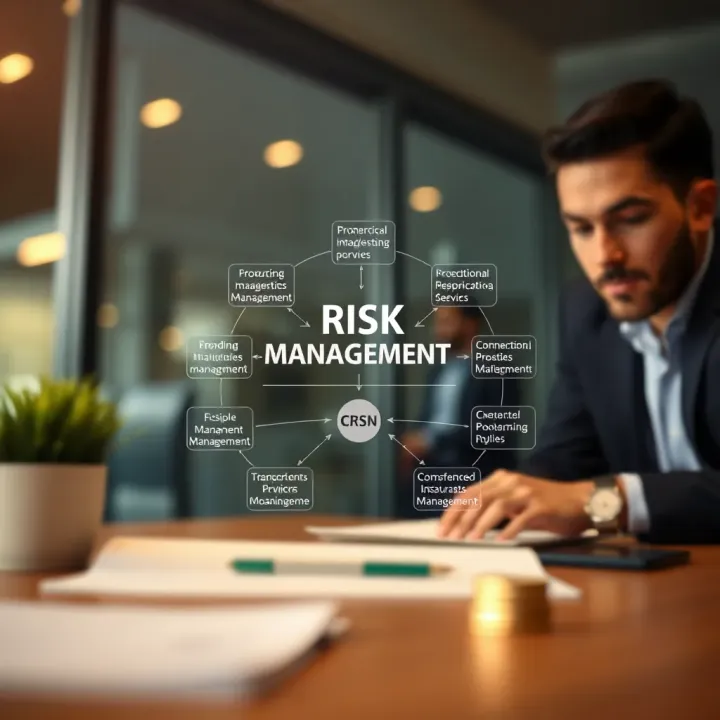
📊 Learn how effective risk management protects your business by identifying, assessing, and controlling risks for safer, smarter decisions in SA markets.

Explore top South African schools for risk management 🎓. Learn about courses, accreditation & career paths to choose the best study option locally 📚.

📊 Explore the core functions of risk management—identify, assess, control, monitor—to protect your business and aid smarter decisions in South Africa.
Based on 5 reviews