
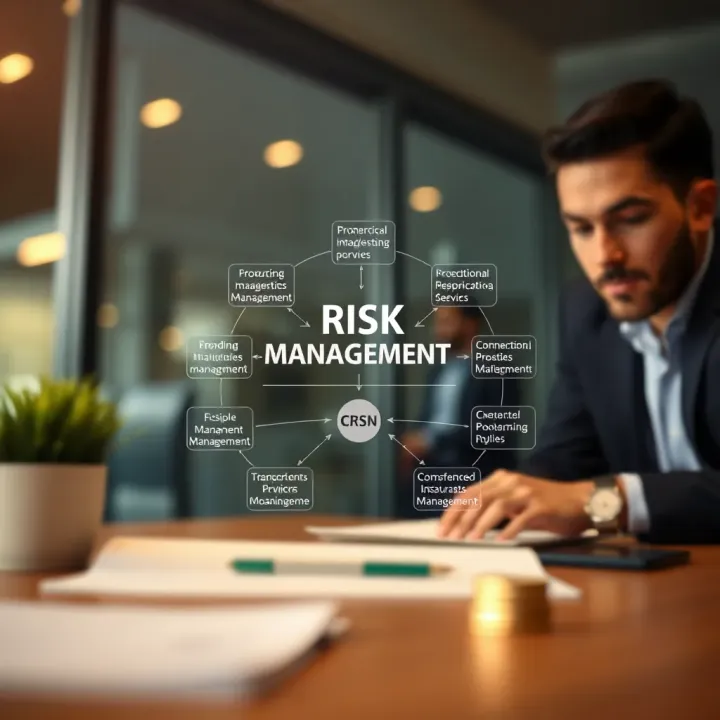
Understanding Risk Management Basics
📊 Learn how effective risk management protects your business by identifying, assessing, and controlling risks for safer, smarter decisions in SA markets.
Edited By
Amelia Foster
Risk management isn't just a buzzword thrown around in boardrooms—it's a practical necessity for anyone dealing with investments or trading. In the fast-paced world of stocks, forex, and commodities, knowing how to pinpoint, understand, and handle risks can make the difference between a portfolio that thrives and one that tanks.
This guide digs into the nuts and bolts of risk management, spotlighting key stages like identification, assessment, and mitigation. We'll break down the process in a way that’s directly relevant to traders, investors, and financial pros, helping you safeguard your assets and meet your financial goals.
Understanding risk management is like having a trustworthy compass in the unpredictable terrain of financial markets—without it, you’re navigating blind.
Whether you're a seasoned stockbroker juggling client portfolios or a fresh investor learning the ropes, grasping this process can help you avoid costly pitfalls and seize opportunities more confidently. We’ll tackle common challenges, share practical methods, and offer insights grounded in real-world scenarios to make the abstract tangible.
By the end, you'll have a clear view of how organized risk management keeps your strategies on a steady path, even when markets throw curveballs your way.
Risk management is more than just a buzzword in trading and investing—it's the backbone of staying afloat when markets toss curveballs. Simply put, it involves spotting potential pitfalls before they evolve into real threats, then figuring out how to handle them. This section unpacks what risk management really means and why traders, investors, analysts, brokers, and stockbrokers shouldn’t overlook it.
Risk management refers to the process of identifying, assessing, and prioritising risks to minimise their negative impact on your financial goals and assets. For example, a day trader might set stop-loss orders to limit losses if stock prices drop suddenly. Meanwhile, a portfolio manager may diversify investments across sectors and asset types to avoid putting all eggs in one basket.
Essentially, this process is about being proactive, not reactive. It’s about understanding the uncertainties inherent in financial markets and crafting a plan to either reduce exposure or prepare for when things don’t go as expected. Instead of guessing blindly, risk management offers a structured approach to safeguard investments.
Without a clear grasp of risk, even the most promising trades can sink a portfolio faster than you can say "bear market."
Managing risk effectively protects your capital and ensures long-term sustainability in trading or investment activities. When risks aren't recognized or are ignored, losses can snowball — think of the 2008 financial crisis, where poor risk oversight by many firms led to a widespread shakeup.
More practically, risk management:
Prevents catastrophic losses by setting thresholds on acceptable risk levels.
Enhances decision-making with clearer insight into possible outcomes.
Builds investor confidence, since controlled risks mean more predictable results.
For example, a stockbroker who understands the volatility and liquidity risks in different markets can advise clients more wisely, avoiding investments that might tie up funds or cause sudden losses.
In short, managing risk isn’t about avoiding all dangers—it’s about knowing which ones you can live with and which ones to address head-on, so you keep your financial ship on course regardless of the weather.
This foundation sets the stage for exploring the actual steps involved in risk management, where every action counts towards making informed, smarter financial choices.
Risk management is not a one-off task but a continuous cycle that keeps businesses ahead of potential pitfalls. Understanding the main stages of risk management equips traders, investors, and financial analysts with a clear framework to spot, assess, and handle risks effectively. It’s a practical tool that helps protect investments, ensure compliance, and maintain confidence in financial decisions.
Spotting risks early is like finding cracks in a dam before a flood hits. Without early detection, risks can sneak up and cause bigger damage.
Common techniques include brainstorming sessions, interviews with front-line staff, and analysing past project reports. For example, a broker might use scenario analysis to foresee market downturns impacting client portfolios. Some traders use SWOT (Strengths, Weaknesses, Opportunities, Threats) analysis to map out internal and external risks comprehensively. The key is involving people from different levels to get a full picture. It’s about uncovering risks before they cause trouble.
Financial markets, regulatory changes, and technological glitches rank high as risk sources. For example, new taxation laws might suddenly hit investment returns or compliance expenses. Market volatility caused by geopolitical events can disrupt portfolios overnight. Even operational mistakes like data entry errors can snowball into greater losses. Recognising where risks commonly emerge helps organisations focus their efforts where it matters most.
After identifying risks, the next step involves judging how serious each one is.
This means deciding how likely a risk is to happen and what damage it could cause. Imagine an investor eyeing a volatile penny stock; the chance of sudden loss (likelihood) and the possible amount lost (impact) determine if they should proceed. Using a risk matrix is a simple way to visualise risks by plotting likelihood against impact, helping to sort out what needs urgent attention.
When juggling multiple risks, it's critical to tackle those that pose the greatest threat first. Prioritisation enables effective use of limited resources. For example, in a portfolio containing diversified stocks and bonds, a risk affecting a major asset class should take precedence over a minor, isolated one. This focus prevents spreading efforts too thin and ensures key vulnerabilities are managed.
Once risks are understood, the next move is deciding how to handle them.
Generally, responses fall into four categories: avoid, mitigate, transfer, or accept. For instance, a stockbroker might avoid investing in high-risk emerging markets (avoid), reduce exposure by diversifying portfolios (mitigate), buy insurance to cover potential losses (transfer), or accept minor fluctuations as part of normal trading (accept). Selecting the appropriate response depends on the risk's nature and the organisation's risk appetite.
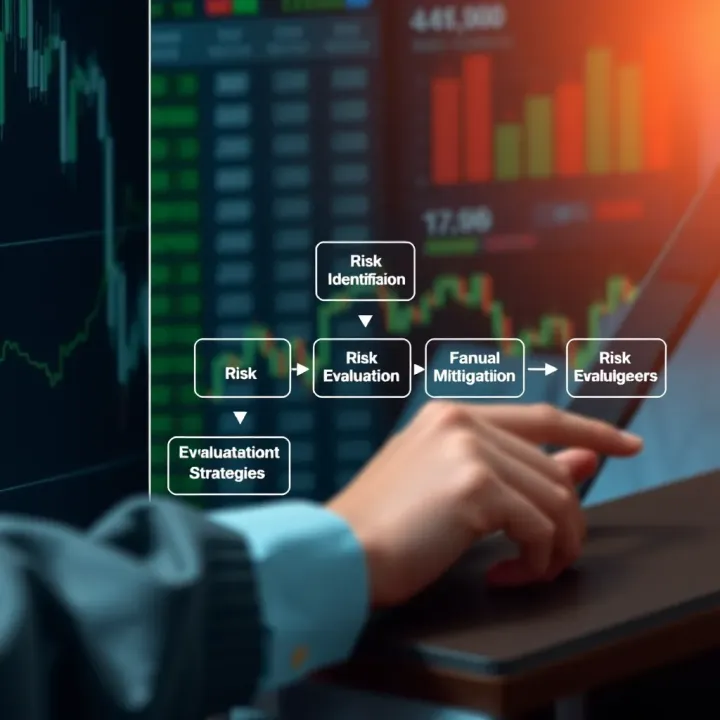
An investor spotting a currency risk when holding foreign assets might hedge using futures contracts. A trading firm facing cyber threats may install advanced firewalls and train staff to spot phishing attempts. Sometimes, minor risks are noted but accepted without action, especially if mitigation costs outweigh benefits. Each response should balance protection with practical cost considerations.
Risk management isn’t a set-and-forget deal. Continuous oversight ensures the strategy stays relevant.
Markets evolve, and so do risks. Monitoring systems can include regular audits, risk dashboards, and updated financial indicators. A financial analyst, for example, may flag changes in credit ratings that affect bond portfolios. Spotting shifts early lets organisations adjust their plans before problems escalate.
Adjusting policies, controls, and contingency plans based on new information keeps risk management dynamic. If a new regulatory rule emerges, investment approaches might be revised to stay compliant. Periodic reviews ensure the chosen risk responses still fit the shifting landscape, avoiding outdated or ineffective measures.
"Risk management is not just preventing losses but enabling better decision-making under uncertainty."
By following these stages—identifying, evaluating, responding, and monitoring—organisations can turn risk from a threat into a manageable aspect of their financial strategy.
Understanding the right tools and methods is vital for anyone dealing with risks, especially in the finance world where decisions need to be sharp and timely. These tools help break down complex scenarios and bring some order to what might feel like chaos. More than just buzzwords, practical approaches to risk assessment allow traders, investors, and analysts to get a clear snapshot of potential troubles and their impact before making moves.
Risk management typically involves two broad approaches: qualitative and quantitative. Each has its place and serves different purposes depending on the context and available data.
Qualitative methods lean heavily on expert judgement and descriptive insights. For instance, a portfolio manager might assess risks based on market sentiment, geopolitical events, or regulatory changes that are tough to pin down with numbers alone. Techniques like brainstorming sessions, interviews, or risk mapping fall under this category.
Quantitative methods dive into numbers, often crunching historical data to estimate probabilities and financial impacts. A financial analyst might use Value at Risk (VaR) models or Monte Carlo simulations to quantify the chance of losing money in a portfolio under various conditions. These methods offer hard data, making it easier to compare risks systematically.
Both approaches have limitations on their own. While qualitative insights add context and flexibility, they can be subjective. On the other hand, quantitative methods rely on past data and assumptions that might not always hold. Combining both gives a more balanced and real-world view.
Established frameworks provide a solid structure so companies and individuals don’t have to reinvent the wheel with every new situation. Two leading examples are the ISO standards and the COSO framework.
The International Organization for Standardization (ISO) has developed a range of standards to guide risk management practices — with ISO 31000 being the most relevant. This standard outlines principles and a clear process for identifying, evaluating, and treating risks.
What makes ISO 31000 especially useful is its flexibility. It’s designed to fit any organisation across sectors, including finance. It encourages integrating risk management into all organisational activities, rather than treating it as a tick-box exercise.
In practice, ISO 31000 helps firms build resilience by ensuring risks are assessed with consistent criteria and that risk responses align with business objectives. For financial traders, following ISO guidelines can support better decision-making amid volatile markets.
The Committee of Sponsoring Organizations of the Treadway Commission (COSO) framework is another heavyweight player in risk management. COSO focuses on enterprise risk management (ERM), stressing the importance of linking risk to strategy and performance.
Key features of COSO include setting clear risk appetite and tolerance levels, embedding risk at every level of an organisation, and continuously monitoring risks. For financial analysts, COSO's emphasis on integrating risk with decision-making ensures a more proactive and comprehensive approach.
COSO also provides a common language across departments, which means risk discussions aren’t stuck in jargon but are understandable by all stakeholders. This clarity is precious in financial environments where quick yet informed decisions matter.
Using frameworks like ISO and COSO ensures your risk process isn't just random actions but a disciplined, repeatable endeavor improving accuracy and trust.
In sum, employing the right combination of tools, from qualitative assessments and quantitative models to robust frameworks like ISO 31000 or COSO, equips financial professionals to navigate risks with confidence. This practical, structured approach is what transforms risk from a looming threat into a manageable component of strategic planning.
Embedding risk management into the fabric of an organisation’s culture isn’t just a formality—it’s what truly gives risk management legs to stand on. For traders, investors, and financial analysts, this means risk awareness becomes part of everyday decision-making rather than a box-ticking exercise. Without this cultural buy-in, even the best-risk assessment frameworks risk gathering dust.
When risk management is ingrained in the culture, staff at all levels naturally consider potential pitfalls before acting—think of it like having a built-in radar for danger spots. It also fosters a mindset where sharing concerns is welcomed rather than stifled, helping catch issues early on. For example, a Johannesburg-based investment firm recently integrated regular “risk huddles” into daily routines, which boosted transparency and quick decision-making in volatile markets.
Creating this culture requires commitment beyond policies or procedures. It means consistent messaging from leadership, clear roles, and ongoing training to embed risk thinking into the organisation’s DNA. The benefits are practical:
Improved decision-making rooted in real understanding of risk
Greater agility to respond to market changes or operational surprises
Stronger resilience against unexpected shocks
Moreover, in a sector like financial services where compliance is tight and stakes are high, an embedded culture reduces chances of compliance breaches or costly oversights.
Leadership sets the tone for risk consciousness across the business. Without visible commitment from the top, risk management efforts often lose steam. Leaders don’t just approve risk policies—they model risk-aware behaviours that others follow.
For instance, a CEO openly discussing recent market risks faced and the lessons learned shows the team that risk isn’t something to fear but to understand and manage. In South Africa’s dynamic economy, this transparent approach keeps teams alert and engaged.
Key responsibilities include:
Defining clear risk appetite and tolerance levels
Communicating risk priorities consistently
Allocating resources for risk management activities
Holding teams accountable but also encouraging honest reporting
A financial analyst might feel more comfortable flagging a potential exposure when they know leadership supports openness without retribution. This atmosphere fosters quicker identification and response.
Every employee is a vital link in the risk management chain, especially in financial institutions where small mistakes can snowball. Engaging staff actively cultivates a shared responsibility, turning risk management into a collective effort rather than a siloed function.
Practical ways to boost engagement include:
Regular training sessions tailored to specific roles, like portfolio managers versus brokers
Interactive workshops presenting real-life case studies relevant to the local market
Incorporating risk topics into everyday meetings to keep awareness fresh
Recognising and rewarding proactive risk identification to reinforce positive behaviour
Consider a retail bank branch in Cape Town that runs monthly risk quizzes with small incentives. This not only tests knowledge but also sparks friendly competition and ongoing learning.
When staff at all levels share risk awareness, the entire organisation detects cracks sooner and responds faster. Embedding this mindset transforms risk management from a checklist into a competitive edge.
In summary, embedding risk management in organisational culture means leaders lead by example and everyone else feels part of the process. For traders, investors, and financial teams navigating uncertainties, this foundation is what ultimately steadies the ship.
Risk management isn't just about ticking boxes or following steps; it's a dynamic activity that faces real-world challenges, especially in fast-moving sectors like finance and investment. Understanding these hurdles helps traders, investors, financial analysts, brokers, and stockbrokers make smarter decisions under pressure. Challenges can stem from unpredictable market conditions, complex financial products, or even organizational factors that slow risk control efforts. Recognizing these challenges early can save time, protect assets, and improve the chances of meeting financial goals.
Uncertainty is the stock market’s bread and butter, yet it’s also what makes managing risk so tricky. No one knows exactly how global events—say, a sudden change in trade policies or a geopolitical flare-up—will ripple through markets. Financial instruments like derivatives and structured products add layers of complexity because their risks aren't always straightforward to measure.
For example, during the 2008 financial crisis, many investors underestimated the complex risks behind mortgage-backed securities. This poor grasp of complexity led to massive losses. Traders today must navigate not only volatility but also the intricate interplay of economic indicators, news events, and investor sentiment. To tackle this, risk management should incorporate scenario analysis and stress testing, imagining worst-case situations rather than relying solely on past data.
Effective risk management in finance requires embracing uncertainty—not fearing it—and crafting flexible strategies that can adapt as new information emerges.
Even seasoned professionals slip up in risk management. A common pitfall is overconfidence—believing a model or analysis is more accurate than reality permits. For instance, relying entirely on quantitative models without considering qualitative factors like market rumors or regulatory changes often leads to missed risks.
Another frequent mistake is poor communication within teams. When risk insights don’t flow naturally between analysts, traders, and decision-makers, warning signs can be overlooked. This bottleneck can cause delayed responses to emerging dangers.
Additionally, ignoring smaller risks is a trap. These might seem insignificant but can accumulate and create big problems, like overlooked cybersecurity threats or minor regulatory infractions. Regular audits and encouraging a culture of open discussion about risks help avoid these issues.
A practical tip: Encourage diverse viewpoints and question assumptions regularly to prevent blind spots in your risk approach.
In sum, the challenges in risk management—ranging from handling unpredictability to sidestepping common errors—are part of what makes skilled risk handling valuable. By staying alert to these hurdles, the financial community can protect investments and make more informed choices.
Case examples are like the bread and butter of understanding how risk management works outside the textbooks. They show us how theoretical frameworks and step-by-step processes translate in the day-to-day decisions businesses make to fend off losses or exploit opportunities. For traders, investors, financial analysts, brokers, and stockbrokers in South Africa, these real-world snapshots are essential for grasping the practical challenges and benefits of risk management.
In practice, risk management helps mitigate unexpected shocks—like sudden market crashes or geopolitical shifts—that could otherwise derail portfolios or projects. It’s not just about avoiding disaster; it’s also about making informed decisions that accept some risks for higher reward. By studying how organisations handle risk in business operations or government projects, you can pick up valuable lessons on balancing caution with opportunity.
Managing risk in business operations boils down to safeguarding the core activities that keep a company afloat and growing. For example, a mining company in the Northern Cape deals with risks like fluctuating commodity prices, equipment failure, and labour disputes. By identifying these risks early, they can develop contingency plans such as locking in certain prices through futures contracts or scheduling preventative maintenance to reduce downtime.
Another case is a South African retail chain facing supply chain disruptions caused by strikes or transport delays. Risk managers here implement strategies like diversifying suppliers and using local sources to maintain stock levels. These practical moves stop a hiccup from snowballing into lost sales or damaged reputation.
In both cases, the takeaway for anyone involved in financial markets is clear: understanding operational risks helps prepare for external shocks that might affect company valuations or investment returns.
Public sector projects, like infrastructure upgrades or community development programs, deal with a unique set of risks—ranging from budget overruns to political interference and delays. For example, consider the Gauteng Freeway Improvement Project. The risk management plan included stakeholder engagement to avoid public backlash, financial controls to manage cost escalation, and thorough timeline evaluations to keep the project on schedule.
Without such risk oversight, these massive projects could stall or run up enormous debts, impacting taxpayers and investor confidence alike. Similarly, state-owned enterprises, such as Eskom, face operational and financial risks that need constant assessment to maintain service delivery and manage debt.
For investors and analysts, spotting how public projects manage or fail to manage risks can impact decisions on government bonds or infrastructure funds.
In a nutshell, these case examples reinforce that risk management isn't just some box-ticking exercise but a living process that steers real outcomes. Understanding these scenarios equips financial professionals to better assess company and project health beyond surface numbers.
Incorporating lessons from actual business and public sector risk management practices provides a grounded perspective that complements your market acumen, making your risk assessments sharper and more relevant.
📊 Learn how effective risk management protects your business by identifying, assessing, and controlling risks for safer, smarter decisions in SA markets.
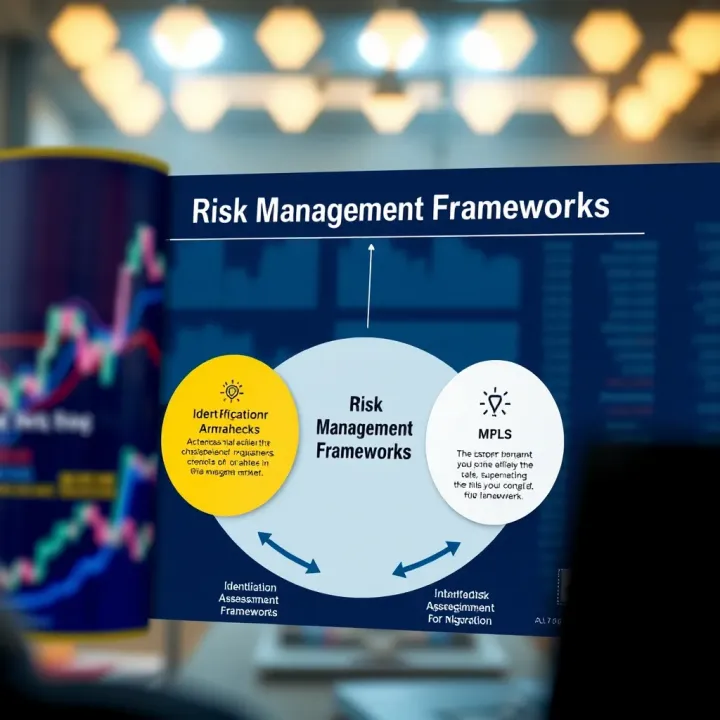
Explore effective risk management frameworks 📊 that help organisations in South Africa navigate challenges and boost decision-making with practical insights.
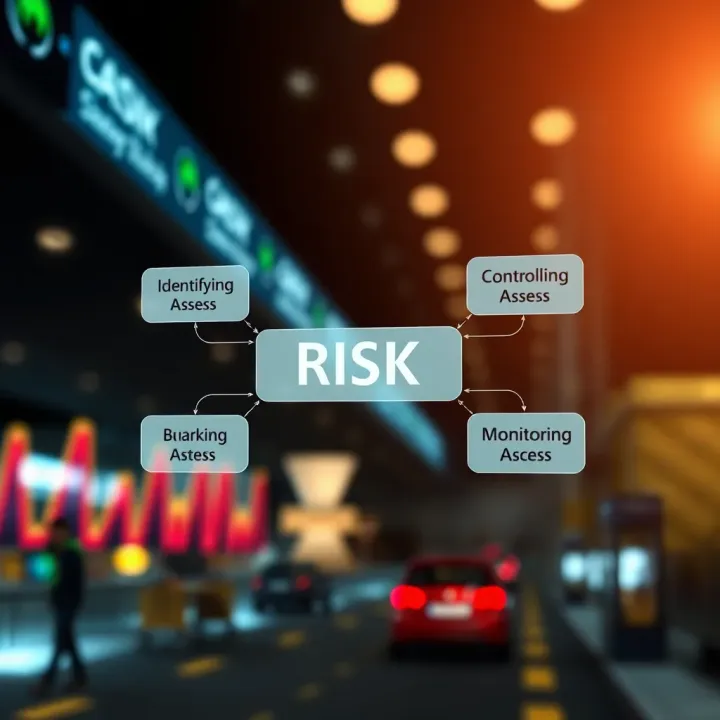
📊 Explore the core functions of risk management—identify, assess, control, monitor—to protect your business and aid smarter decisions in South Africa.

Discover why risk management matters in business and daily life 🛡️. Learn how it protects assets, enhances decisions, and builds resilience for the future.
Based on 5 reviews