
Forex Trading Basics for South African Beginners
Ready to start forex trading in South Africa? Learn market basics, find reliable platforms, understand legal rules, and get tips to overcome beginner challenges 💹🌍
Edited By
Edward Sinclair
Forex trading, or foreign exchange trading, has become increasingly popular in South Africa as a way to tap into global currency markets. Unlike traditional share trading, forex trading involves buying and selling currency pairs such as the US dollar versus the South African rand (USD/ZAR). This provides opportunities for profit from fluctuations driven by economic events, interest rates, and political developments.
South African traders can participate in the forex market through authorised brokers regulated by the Financial Sector Conduct Authority (FSCA). These brokers offer platforms where you can trade currencies 24 hours a day, five days a week. It’s vital to use FSCA-compliant brokers to ensure fair dealing and protection against fraud.
The forex market is highly liquid but also volatile, which means risks are significant. For example, unexpected changes in Eskom’s power supply or political shifts in Pretoria can cause rapid rand swings impacting currency trades deeply. Managing these risks requires careful strategy and understanding.
Tax implications in South Africa mean profits from forex trading are taxable as income or capital gains depending on how often and for what purpose you trade. Keeping clear records and consulting a tax adviser can prevent headaches come tax season.
"Always verify your broker’s FSCA registration before depositing funds—it’s the first step to trading safely in South Africa."
Traders have access to multiple strategies, from scalping quick profits on small price moves to holding positions based on fundamental economic trends, such as SARB’s repo rate changes or global trade patterns. Platforms like MetaTrader and TradingView are popular for their analytics and real-time data, helping South African forex traders to make informed decisions.
Ultimately, forex trading here blends local market realities with international financial currents. Whether you’re an investor looking to diversify or an analyst tracking currency flows, understanding legal frameworks, risk management, taxation, and platform options is essential for success.
Grasping the basics of forex trading is essential for South Africans looking to engage with the global currency markets safely and effectively. Forex trading isn’t just about buying and selling foreign currencies; it’s a dynamic market influenced by local economic factors, exchange control rules, and international trends. For South African traders, understanding how forex works locally helps to make informed decisions, manage risks, and comply with regulations.
Forex trading always involves pairs of currencies, such as ZAR/USD or EUR/GBP. When you trade forex, you buy one currency while simultaneously selling another. The value quoted represents how much of the second currency (called the quote currency) is needed to buy one unit of the first currency (called the base currency). For example, if the ZAR/USD pair is trading at 0.065, it means 1 South African rand buys 0.065 US dollars. In practice, this allows traders to speculate on the direction of currency movements by taking positions accordingly.
The forex market operates 24 hours a day across different time zones, starting in Asia, moving through Europe, and then the Americas. South African traders mostly trade during the London and New York sessions, when liquidity peaks and spreads tend to tighten. This liquidity is critical because it ensures trades execute quickly and at predictable prices. However, off-peak hours may have wider spreads, making timing a practical consideration.
Forex trading comes with its own language. Terms like "pip" (the smallest price movement), "spread" (difference between buying and selling price), "leverage" (borrowing to increase position size), and "margin" (required collateral) are part of daily use. Knowing this jargon prevents confusion and helps traders better understand broker offers, market news, and trading platforms.
Online forex trading platforms have made access easier than ever for South Africans. With just a laptop or cellphone and a stable internet connection, traders can enter the market from anywhere, even from townships or smaller towns. Many local brokers, as well as international ones regulated by the Financial Sector Conduct Authority (FSCA), offer platforms that cater to different experience levels and provide educational resources.
Unlike traditional investments, forex markets offer opportunities to profit whether currencies rise or fall, provided the trader reads market moves correctly. This flexibility appeals particularly given South Africa’s exchange rate volatility. Forex trading can complement other investments by diversifying risk beyond equities or property.
Compared to unit trusts, the JSE, or fixed deposits, forex trading can offer greater liquidity and immediate order execution. However, it comes with higher volatility and leverage risks. Unlike the relatively slow movements in stock prices, currency markets respond quickly to geopolitical events, central bank decisions, and commodity price swings. For South African investors familiar with mining shares reacting to commodity prices, forex trading offers a similarly fast pace but requires a different skill set.
Understanding forex trading in South Africa means recognising both the opportunities and the challenges unique to the local market. By mastering fundamentals such as currency pairs, market hours, and common terminology, traders can navigate this vibrant market more confidently and responsibly.
Navigating the legal and regulatory environment is a key step for anyone interested in forex trading in South Africa. Without understanding the rules, traders risk falling foul of the law or losing money through unscrupulous brokers. These regulations work to protect traders and maintain the integrity of the forex market.
The Financial Sector Conduct Authority (FSCA) is the main watchdog overseeing forex brokers in South Africa. It ensures brokers operate fairly, transparently, and follow the necessary licensing requirements. For example, if a broker claims to be FSCA-regulated but isn’t on their official register, that’s a red flag for traders.
Compliance regulations enforced by the FSCA require brokers to maintain adequate capital and uphold clients' funds separately from operational accounts. This prevents brokers from misusing client money, a common pitfall in unregulated environments. Also, financial firms must regularly report their activities and adhere to fair marketing practices.
Only brokers registered with the FSCA or operating under strict regulatory regimes are recognised as legitimate in South Africa. These brokers are required to comply with rules on risk disclosure, client protection, and transparent pricing. Examples include local branches of international firms like IG Markets or CM Trading.
On the flip side, unregulated platforms or offshore brokers often lure traders with promises of high leverage and quick profits but carry significant risks. Without FSCA oversight, traders might struggle to recover funds or get any recourse if disputes arise. Such platforms might also ignore local exchange control rules, exposing traders to legal issues.
The South African Reserve Bank (SARB) enforces exchange control regulations that limit how much foreign currency residents can move out of the country. These rules are critical for forex traders because they affect the transfer, holding, and repatriation of funds used in trading.
For instance, a trader wanting to move profits made offshore back into South Africa must comply with SARB limits and report accordingly. Restrictions help maintain the rand’s stability but can complicate withdrawing earnings from foreign brokers. Traders should always check with their brokers and SARB guidelines to avoid unexpected penalties.
Knowing where a broker stands legally and understanding SARB’s rules can save you headaches and protect your capital when trading forex locally.
By staying informed about the FSCA’s role, licensing requirements, and SARB’s regulations, South African forex traders get a clearer picture of what’s allowed and what could cause trouble. This knowledge is crucial to building a safe and legal trading approach.
Trading forex in South Africa demands more than just understanding the market; practical choices can make or break your experience. This section highlights critical aspects like broker selection, fees, and the quality of market data—all tailored to local conditions and regulations.
Key features to evaluate Choosing the right broker starts with checking the platform’s reliability, ease of use, and execution speed. In South Africa, where internet stability can vary, a platform that performs well even with slower connections is essential. Also, look for robust charting tools and mobile app support to trade on the go. Security measures like two-factor authentication and clear customer support channels must not be overlooked.
Local versus international brokers South African traders face the choice between local brokers regulated by the Financial Sector Conduct Authority (FSCA) and international ones. Local brokers offer the advantage of complying with South African law, which can simplify deposits, withdrawals, and dispute resolutions. International brokers might provide access to a wider range of currency pairs and leverage options but may involve complex withdrawal procedures and higher risks if they operate without FSCA oversight.
Deposit and withdrawal methods Practical ease in moving funds is critical. Local brokers typically support South African bank transfers, instant EFTs, and popular payment methods like SnapScan. International brokers might rely on credit cards or e-wallets like Skrill and Neteller. Be aware of any withdrawal limits or fees, which can eat into profits, especially for small-scale traders.
Spreads and commissions The spread—the difference between buying and selling price—is the primary cost for most traders. South African brokers often advertise tight spreads on major pairs like USD/ZAR, but it’s wise to confirm if these are variable or fixed. Some brokers also charge commissions per trade, which can add up and affect your break-even point. For example, a tight spread with a sizeable commission could be more expensive than a wider spread with no commission.
Swap rates and overnight fees Holding positions overnight can incur swap fees or rollover charges based on interest rate differences between currencies. For South African traders, this is particularly relevant when trading currencies linked to fluctuating rates, such as the rand or emerging market currencies. Understanding these fees helps avoid unexpected costs, especially for swing or position traders who hold trades for several days.
Economic indicators important to forex South African traders should keep an eye on local economic data like the repo rate set by the South African Reserve Bank (SARB), inflation reports, and employment figures, alongside global trends such as US Federal Reserve announcements or Chinese manufacturing data. These indicators heavily influence currency values, especially for USD/ZAR or EUR/ZAR pairs.
Where to find real-time data Access to up-to-date information is key. Reliable sources include financial news platforms like BusinessTech or MyBroadband, economic calendars, and broker-provided data feeds. Real-time quotes and news alerts on your trading platform can help you react swiftly to market moves, reducing the risk of missed opportunities due to delayed information.
Practical choices—like picking a trusted broker, understanding all related costs, and keeping a close watch on pertinent economic data—are essential steps South African forex traders must take before diving in. These details often separate consistent success from costly mistakes.
Trading strategies and risk management are key to surviving and thriving in South African forex markets. Without a clear plan, traders often fall prey to emotional decisions or losses that could have been avoided. Understanding different strategies helps you tailor your approach to your goals and time availability, while risk management techniques protect your capital and improve the chances of long-term success.
Day trading and scalping involve entering and exiting trades within a single trading day, often holding positions for just minutes or hours. This suits South Africans who can dedicate focused time amid work or study routines. For example, a trader in Johannesburg might scalp small profits from the Rand vs US dollar currency pair during high liquidity hours, carefully watching price fluctuations. While demanding quick decisions, this method lets traders avoid overnight risk and react to daily economic news like South Africa’s inflation data or US Federal Reserve announcements.
Swing trading typically holds positions for a few days to weeks, aiming to profit from medium-term market moves. This strategy suits those who cannot monitor the market constantly but want to capture bigger trends. For instance, a Durban trader might spot a bullish trend in the Rand against the Euro after South Africa’s GDP figures release, holding the position for several days to ride the momentum. Swing trading relies on technical analysis and economic indicators, granting more flexibility compared to day trading.
Position trading is a long-term approach where traders keep positions for weeks or months, focusing on fundamental factors rather than short-term price swings. For example, a Cape Town investor might buy USDZAR expecting the Rand to weaken over months due to persistent trade deficits or political uncertainty. Position traders typically use lower leverage and less frequent trading, making this strategy less stressful but requiring patience and solid understanding of macroeconomic trends.
Setting stop-loss orders is essential for protecting your investment from unexpected market moves. A stop-loss automatically closes your position at a predefined price, capping losses before they escalate. For instance, if you buy EURZAR at 17.00, a stop-loss at 16.80 limits your loss to R200 per 1,000 units. This helps remove emotion from trading and prevents small setbacks from turning into account wipeouts.
Using leverage responsibly means recognising that while it can boost profits, it equally increases potential losses—especially in volatile pairs like Rand crosses. Brokers often offer leverage up to 1:200, but South African traders should use much lower ratios depending on experience. A novice using 1:10 leverage will risk far less and manage margin calls better. Careful leverage use ensures you don’t lose more than you can afford and keeps your trading sustainable.
Importance of demo accounts can't be overstated, especially for beginners. Demo accounts simulate real-market conditions without risking actual money. Practising with virtual funds on platforms like MetaTrader lets you test strategies, understand order types, and familiarise yourself with broker interfaces. Many South African brokers offer demo accounts with local support, making them invaluable for building confidence before committing real capital.
Risk management and strategy selection are not optional extras—they form the backbone of any successful forex trading plan in South Africa. Without these in place, the chances of losing money increase significantly. Choose your strategy wisely, manage your risks actively, and practice until you’re comfortable navigating the market dynamics.
This focused approach helps South African traders balance ambition with caution, essential for weathering market swings and growing steadily over time.
Understanding how taxation applies to forex trading is vital for South African traders. The South African Revenue Service (SARS) treats profits from forex trading either as income or capital gains, depending on the nature of your trading activity. This distinction affects how much tax you pay and how you report these earnings.
SARS differentiates between income tax and capital gains tax (CGT) based on whether trading is occasional or conducted as a business. If you trade forex regularly and rely on it as a source of income, profits are usually treated as business income, subject to income tax rates. For instance, if you scalp forex trades daily or actively manage multiple positions, SARS expects you to declare the earnings as income.
On the other hand, casual traders who buy and hold forex positions for longer periods may be liable for CGT, which is often more favourable, as only a portion of the gain is taxable. However, this depends on your personal circumstances, so it's wise to consult a tax professional.
Record keeping is another critical area. SARS requires forex traders to keep meticulous records of all trades, including dates, amounts, currency pairs, and profits or losses. This information supports your tax submissions and safeguards you during audits. For example, keeping screenshots of platform reports or bank statements showing fund transfers helps provide transparent evidence of your trading activity.
You must declare all forex income or gains on your annual tax return under the appropriate section. Whether your trading results in profit or loss, SARS expects an accurate account. Failure to disclose forex earnings can lead to penalties or interest, especially as SARS improves its ability to trace international transactions.
Common pitfalls include confusing income tax and CGT treatments or neglecting to keep supporting documents. Avoid lumping all forex profits under capital gains if you're actively trading, as SARS considers this tax evasion. Also, failing to report a loss can affect your ability to offset future gains.
Consistently maintaining detailed records and understanding your tax classification help ensure compliance with SARS and prevent costly mistakes.
By staying organised and informed, forex traders can manage their tax obligations effectively and focus on their trading strategies without unwelcome surprises at tax time.
Ready to start forex trading in South Africa? Learn market basics, find reliable platforms, understand legal rules, and get tips to overcome beginner challenges 💹🌍
📈 Learn how forex markets work, from trading hours to top currency pairs. Get practical tips for South African traders on platforms and risk management.
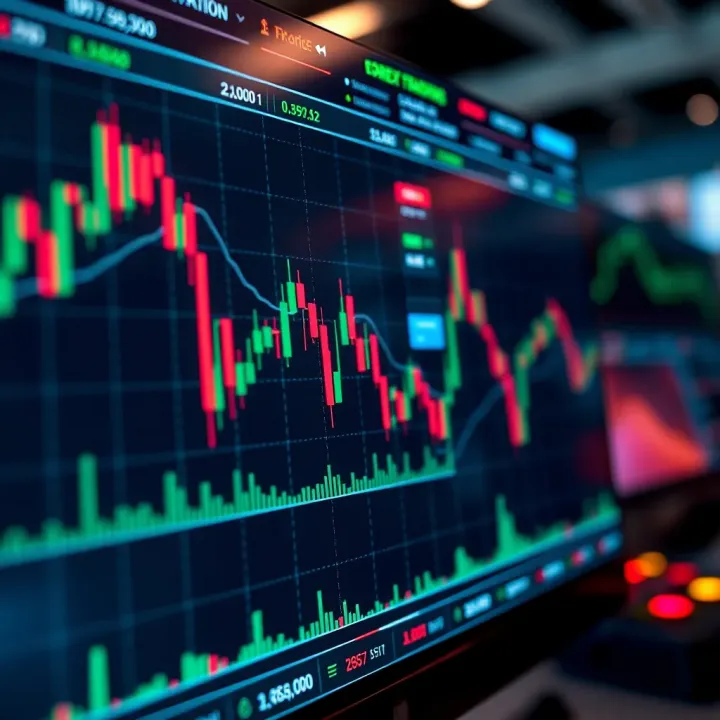
Explore free forex trading opportunities in South Africa! Learn to select brokers, avoid fees, and improve your trading with smart strategies. 💹🇿🇦
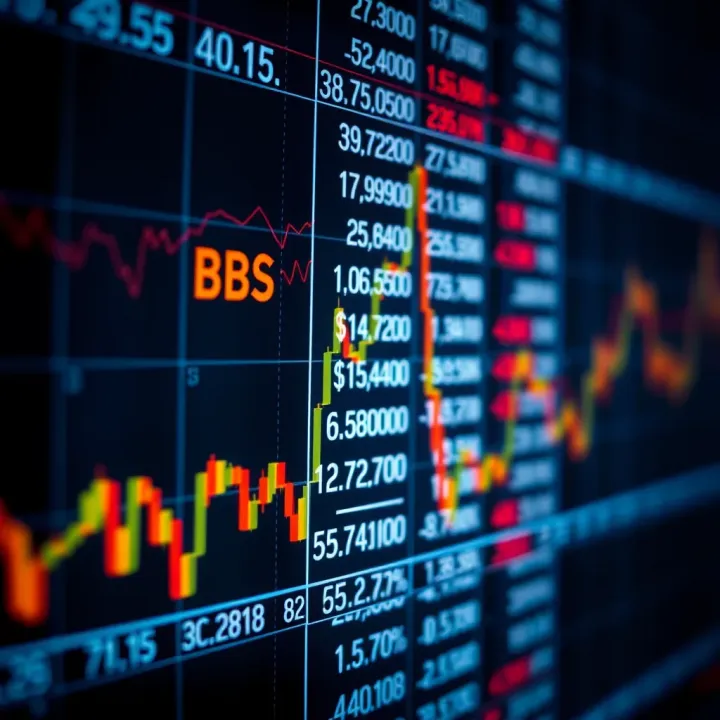
📊 Learn essential forex trading terms every South African trader should know. Understand currency pairs, pips, leverage, and risk management to trade smarter.
Based on 8 reviews