
Free Forex Trading Guide for South African Traders
Explore free forex trading opportunities in South Africa! Learn to select brokers, avoid fees, and improve your trading with smart strategies. 💹🇿🇦
Edited By
Liam Foster
Forex trading may seem like a beast at first, but breaking it down reveals a market that never sleeps and offers plenty of chances to make good trades. For South African traders, understanding the basics of how forex markets work — plus the local twists — sets you up for smarter moves.
Simply put, forex trading involves buying and selling currencies. The market is massive, with daily turnover exceeding US$6 trillion globally. It's not just big; it's open 24 hours five days a week, spanning four main hubs: Sydney, Tokyo, London, and New York. These hubs ensure continuous opportunities, but the action varies depending on the time of day.
Key players in forex markets include central banks, commercial banks, hedge funds, corporations managing currency risk, and retail traders like yourself. For South African traders, access usually comes through regulated brokers who provide platforms for trading popular currency pairs such as USD/ZAR, EUR/USD, and GBP/ZAR.
Local context matters. The South African Reserve Bank (SARB) closely watches exchange rates, and events like Eskom loadshedding or shifts in political landscape can impact the rand's performance. It's important to keep an eye on these factors alongside global news.
Trading platforms available to South Africans range from internationally recognised names like MetaTrader 4 and 5 to local offerings integrated with leading banks for smoother fund transfers. Your choice will affect costs, ease of use, and access to tools like live charts and risk management features.
For South African traders, disciplined money management and realistic expectations go hand in hand with knowing market hours, major currency pairs, and platform nuances.
Right from the start, focus on understanding trading hours, which tend to affect volatility and liquidity. For example, overlap between London and New York sessions often delivers the most active trading moments. Knowing this helps you decide when to trade and when to stand back.
Next sections will guide you through currency pair selections, platform choices, plus tips on managing risk in our local trading environment. This foundation is made to help you trade forex confidently — without chasing myths or getting lost in jargon.
Understanding the core of forex trading markets is essential for South African traders looking to navigate these fast-paced, global arenas. Knowing how forex works, who the main players are, and what drives currency movements can help you make smarter trading decisions and manage risks effectively.
Forex, short for foreign exchange, refers to buying and selling currencies against each other. For everyday traders in South Africa, it means trading pairs like the US dollar (USD) and the South African rand (ZAR) to profit from changes in their exchange rates. Unlike the JSE, which deals with equities, forex markets are decentralised and operate 24/5, giving you flexibility on when to trade.
Currencies are exchanged in pairs because you're always buying one currency while selling another. For example, when you buy EUR/USD, you're buying euros while selling US dollars. This exchange mechanism makes it easy to profit from fluctuations caused by economic events, interest rate changes, or geopolitical shifts.
There are three main types of forex markets:
Spot market: Where currencies are exchanged ‘on the spot’ at current prices. This is the most common market for retail traders.
Forward market: Contracts are made to exchange currencies at a fixed price on a future date, often used by businesses to hedge currency risk.
Futures market: Standardised contracts traded on exchanges, which obligate buying or selling currencies at a set price and date.
For example, an importer in Durban might use a forward contract to lock in the rand price for a shipment from Europe arriving in three months, helping avoid unpredictable currency swings.
Central banks and monetary authorities hold considerable sway over forex markets. The South African Reserve Bank (SARB), for example, manages monetary policy, which influences the rand’s value. When SARB adjusts interest rates or intervenes in the currency market, it can cause significant movements, creating trading opportunities or risks.
Commercial banks and financial institutions act as liquidity providers. Big banks in Johannesburg, London, and New York facilitate trades worth billions daily, ensuring the market runs smoothly. As a trader, you usually access the market via these banks through brokers, so understanding their role clarifies how trades get executed.
Hedge funds and retail traders also shape the forex market, though at different scales. Hedge funds run large portfolios and often bet on broader economic trends, influencing currency prices through sizeable trades. Retail traders, including many in South Africa using platforms like MT4 or MT5, contribute smaller volumes but collectively impact market sentiment.
Knowing the key players helps you grasp why prices move and prepares you better to time entries and exits in your trading strategies.
This foundational knowledge sets the stage for effectively engaging with the forex market, tailoring your approach to local conditions while understanding its global nature.
Forex trading never really sleeps because the market moves across different time zones. For South African traders, understanding global trading hours is key to picking the right moments to hop in or out of trades. The timing affects market activity, volatility, and liquidity — all vital for making informed decisions.
The Asian session kicks off in Tokyo around 9 pm SAST and runs through to about 6 am. It's the quietest of the three major sessions but still important, especially for pairs involving the Japanese yen (JPY) or other Asian currencies. Since the Rand (ZAR) pairs don’t see much action here, this time might be better suited for observing rather than trading, unless you’re following Asian market news or economic releases.
Starting at 9 am SAST, the European session is the busiest and most liquid, largely because London is the forex capital. Here, you’ll find heavy trading in GBP, EUR, and USD pairs, which also overlap with the South African Rand during UK business hours. This session tends to bring out sharper price moves and tighter spreads, so it’s a prime time for trading. For South Africans, it aligns nicely with regular working hours, making it easier to monitor the markets closely.
This session begins at around 2 pm SAST and runs until 11 pm. The New York market moves considerable volumes, especially in USD pairs and tends to be very active in the first few hours. South African traders might find this session appealing for after-hours trading, though it ends late in the evening. Economic updates from the US often drive volatility here, so it's wise to keep an eye on news releases.
The most active times in forex are when sessions overlap. For instance, the London-New York overlap between 2 pm and 5 pm SAST offers plenty of liquidity and bigger price swings. This means tighter spreads and better chances for quick trades. Another overlap between Tokyo and London around 9 am to 11 am SAST tends to see moderate moves, mostly driven by Asian and European currency pairs.
Overlap periods provide south African traders with their best shot at finding good trading opportunities because that's when lots of buyers and sellers are active.
Conversely, during off-hours — such as late at night or early morning SAST — liquidity dries up. Low liquidity means wider spreads and erratic price jumps, which can hit stop-loss orders unexpectedly. Trading during these quiet times demands caution; smaller moves can lead to bigger losses or missed exits. Most South African traders prefer to steer clear or use conservative strategies then.
Understanding these global trading hours gives you a practical edge: knowing when the market buzzes can help you plan your trades, manage risks, and spot opportunities without chasing moves blindly.
Knowing popular currency pairs is key for any forex trader, especially in South Africa where global and local factors shape market moves. These pairs usually offer the best liquidity, tighter spreads and more predictable price action, making them more practical for consistent trading.
The US dollar (USD) sits at the centre of the forex world, involved in about 88% of all trades globally. Popular pairs like EUR/USD, USD/JPY, and GBP/USD are often the first choice for many traders because they tend to have high liquidity and lower transaction costs. This means spreads are narrower which is crucial when you trade frequently or with smaller margins. In the South African context, the USD/ZAR pair also draws attention due to the rand’s volatility and the influence of US economic data on emerging markets.
The euro (EUR) and British pound (GBP) are two of the most traded currencies after the dollar, making pairs like EUR/GBP or EUR/USD attractive for those looking to diversify beyond the US dollar. These pairs are often sensitive to political and economic shifts in Europe and the UK, such as Brexit developments or ECB policy changes. For South African traders, keeping an eye on these is practical because of trade links and financial relationships with Europe. Plus, volatility in these pairs can offer opportunities for swing trading.
The rand (ZAR) is classified as a major emerging market currency, often paired with the US dollar, euro, and British pound. The USD/ZAR pair is among the most actively traded emerging market currencies globally. Its significance stems from South Africa’s economic fundamentals, commodities export reliance, and domestic political events. Volatility tends to spike during local events like interest rate changes from the South African Reserve Bank (SARB) or labour strikes. Understanding the rand’s behaviour helps traders manage risk and capitalise on short-term moves in local and global markets.
Exotic pairs involve one major currency and one from a smaller or emerging market economy — like USD/TRY (Turkish lira) or USD/ZAR. They often come with wider spreads and less liquidity, making them more expensive and volatile to trade. South African traders should be cautious since these pairs can move unpredictably during political or economic shocks, increasing both risk and potential reward. Their appeal lies in greater price swings but requires strict risk management.
Liquidity refers to how easily you can buy or sell a currency without affecting its price too much. Major pairs usually offer deep liquidity and tight spreads, reflecting a competitive market with many buyers and sellers. Exotic pairs, by contrast, see lower liquidity and thus wider spreads, adding to trading costs. For South African traders, focusing on pairs with better liquidity is often a wise move, especially when factoring in the rand’s own volatility and local funding costs. Lower liquidity pairs might suit only more experienced traders who can handle sharper price swings and higher risk.
In forex trading, picking the right currency pairs matters for cost control and spotting opportunities. For South African traders, balancing familiarity with the rand and exploring global majors offers a pragmatic approach to trading forex markets.
Trading forex in South Africa comes with its own particular set of practical considerations. Beyond understanding global forex markets, you need to choose a broker that operates under local rules and offers platforms tailored to your needs. Equally important is setting up your trading account with compliance to South African regulation and selecting convenient funding options. These steps ensure secure, efficient trading in real South African rand (ZAR) while taking local factors like currency conversion and fees into account.
The Financial Sector Conduct Authority (FSCA) regulates forex brokers operating locally to protect traders. Dealing with an FSCA-regulated broker means your trades follow South African laws, and brokers must meet capital and conduct standards. For example, brokers like IG Markets and EasyEquities comply with FSCA rules, providing greater peace of mind when trading.
Unregulated brokers might offer tempting bonuses or high leverage, but they pose significant risks. You could face difficulty withdrawing funds or lack proper dispute resolution. Therefore, choosing a broker under FSCA supervision is a practical necessity to safeguard your capital.
South African traders often prefer platforms like MetaTrader 4 (MT4), MetaTrader 5 (MT5), and cTrader. These platforms provide a user-friendly interface and robust tools for charting, analysis, and order execution. Local brokers typically support these platforms, making them accessible and well-integrated for South African users.
Besides desktop versions, mobile apps allow you to track and manage positions on the go, which is vital given the time zone differences with global forex hubs. Platforms like MT4 also offer automated trading robots (‘Expert Advisors’), useful for systematic strategies.
When picking a trading platform, consider low spreads and execution speed to reduce trading costs. The ability to access different order types such as stop-loss and take-profit is also vital for risk management. Look for platforms offering demo accounts so you can practise strategies without risking real money.
A reputable broker should also provide transparent fee structures, reliable customer support during South African trading hours, and educational resources. Features like real-time news alerts and economic calendars tailored for SADC region events can add an edge.
Opening a trading account in SA requires compliance with RICA (Regulation of Interception of Communications and Provision of Communication-Related Information Act) and FICA (Financial Intelligence Centre Act). These laws ensure brokers verify your identity to prevent fraud and money laundering.
Expect to submit a certified copy of your ID or passport, proof of address (like a municipal bill), and sometimes source of funds documents. While the paperwork might feel a bit cumbersome at first, it’s a necessary step that protects both you and the broker.
South African traders benefit from brokers offering local deposit options such as EFT (electronic funds transfer), debit/credit cards, and increasingly popular e-wallets like Skrill or Neteller. EFT is widely used due to its simplicity and direct connection to your bank account.
Some brokers also accept deposits in rand, reducing currency conversion hassles. However, always check the deposit limits, processing times, and any associated fees before choosing a method.
Forex trading inherently involves currency conversion, especially when you trade pairs like EUR/USD or USD/ZAR. Brokers often quote their account balances in USD, which means depositing rand could trigger conversion costs.
Beware of hidden fees, including spread markups or commissions tied to currency conversion. Some South African banks charge additional fees for international transactions. To avoid surprises, pick brokers that are transparent about these costs or offer accounts denominated in rand.
Taking the time to select the right broker and understand funding compliance will save you headaches and unexpected expenses when trading forex in South Africa. Practical choices here lay the foundation for smoother, more secure trading ahead.
Trading forex without a clear plan to manage risks is like braaing without checking the weather — you’re bound to get caught off guard. Managing risks keeps your capital safe and helps you stay in the game for the long haul. Meanwhile, making informed decisions based on solid analysis minimises guesswork and emotional trading, which is often where traders get into trouble.
Using stop-loss and take-profit orders helps you define exit points before you enter a trade. A stop-loss order limits potential losses by automatically closing your position at a pre-set price. For example, if you buy USD/ZAR at R18.50 and set a stop-loss at R18.00, your broker will close the trade if the rate drops to R18.00, capping your loss. Take-profit orders work the opposite way, locking in profits when a reasonable target price is reached. This strategy avoids the temptation to hold on too long, which can eat into gains if the market reverses.
Position sizing relative to capital is about choosing how much of your trading account to risk on each trade. A common rule is risking no more than 1–2% of your capital on any single position. Suppose you have R100,000 in your account; risking 2% means you allocate R2,000 at maximum loss per trade. By sizing trades carefully, you can handle a string of losses without wiping out your balance. It’s a simple but effective safeguard.
Avoiding overleveraging means not borrowing more than you can handle through margin. While leverage boosts potential returns, it equally magnifies losses. South African traders sometimes get tempted by brokers offering high leverage, say 1:100. But if the trade moves against you by just 1%, your entire invested amount could be wiped out. Keeping leverage low, like 1:10 or less, lets you weather market swings without panic-selling.
Economic data releases affecting currencies play a big role in daily forex swings. Key reports include South Africa’s interest rate decisions by the South African Reserve Bank and US non-farm payroll figures. For example, a higher-than-expected SARB repo rate hike could strengthen the rand as investors seek better yields. Staying updated lets traders anticipate volatility and adjust strategies accordingly.
Geopolitical events and their impact can move currency markets suddenly. Political uncertainty, sanctions, or trade talks influence investor confidence. Take the recent global shifts in US-China trade relations or South Africa’s own political developments as examples. Spotting these factors early helps you avoid shock losses or even capitalise on market reactions.
Local factors influencing the rand often include Eskom’s loadshedding schedules, fiscal policy announcements, and commodity price changes since South Africa exports minerals. For instance, major power outages increase economic risks and can weaken the rand overnight. Keeping an eye on these local elements sharpens your sense of when to be cautious or aggressive in your trading.
Proper risk management and staying informed are not just good habits — they’re the backbone of lasting success in forex trading. Without them, your trading plan is more like a wish than a strategy.
Explore free forex trading opportunities in South Africa! Learn to select brokers, avoid fees, and improve your trading with smart strategies. 💹🇿🇦
📊 Learn essential forex trading terms every South African trader should know. Understand currency pairs, pips, leverage, and risk management to trade smarter.
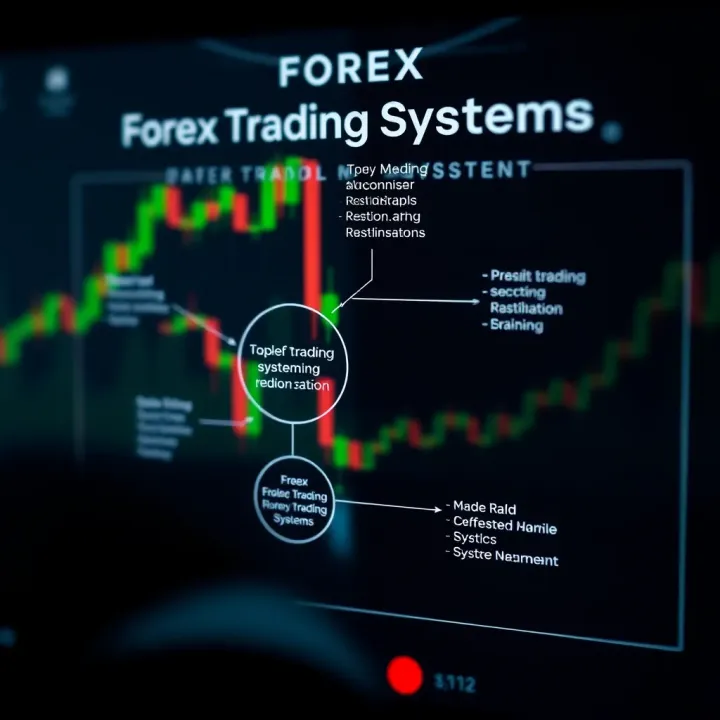
📊 Learn how forex trading systems work and get practical tips tailored for South African traders to build smarter strategies and manage risks effectively.
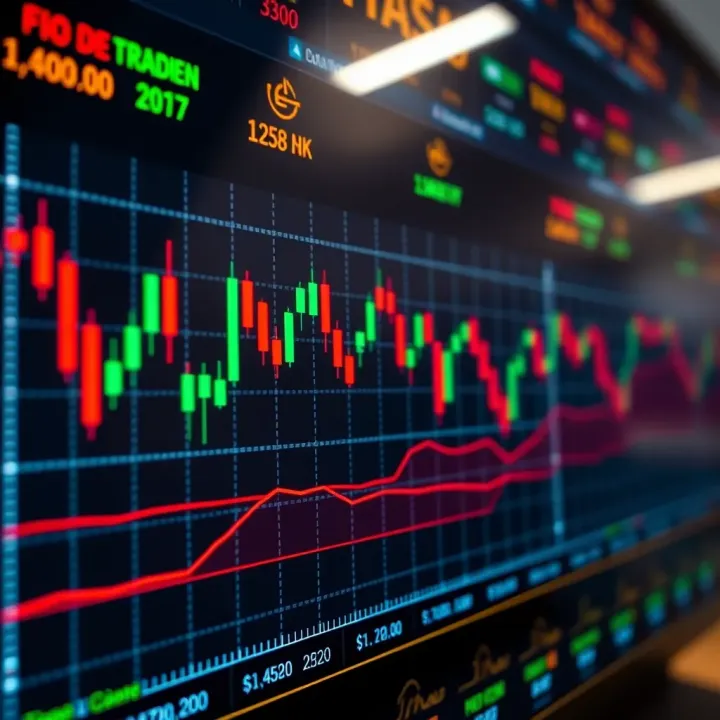
📊 Explore forex trading basics, currency pairs, risks & tips—ideal for South African traders looking to understand and start in the forex market confidently.
Based on 9 reviews