

Best Stocks for Swing Trading in South Africa
📈 Looking to pick the best stocks for swing trading in South Africa? Discover sector tips, proven strategies, and risk management to boost your short-term gains.
Edited By
Edward Green
Swing trading and day trading are two common approaches in South Africa’s financial markets, each with distinct features that suit different trader profiles. At their core, the difference boils down to how long positions are held and the kind of strategies employed to profit from market movements.
Swing trading focuses on capturing gains over a few days to several weeks. Traders spot trends or patterns and ride price swings, aiming to catch significant moves without needing to monitor the markets every minute. This method suits traders balancing other commitments, like full-time jobs or studies, who can check in daily or a few times a week. For example, a swing trader might buy shares in a JSE-listed company after spotting a strong uptrend and sell once resistance levels are hit, holding the position for several days.
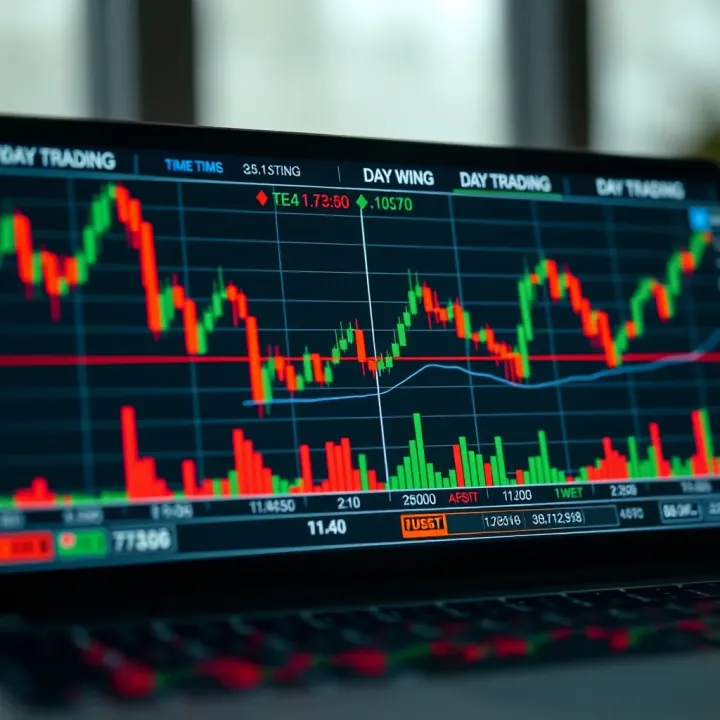
Day trading, on the other hand, involves opening and closing positions within the same trading day. This style demands constant attention to market fluctuations and fast decision-making, capitalising on short-term price changes. Day traders often use technical analysis, charts, and sometimes news events to make quick trades on indices like the Top 40 or currency pairs involving the rand. The risk level tends to be higher with day trading due to leverage use and rapid trade pace.
Understanding your available time, risk tolerance, and market knowledge are key to choosing between these approaches.
Key differences include:
Timeframe: Swing trades last days to weeks, day trades last minutes to hours within the same day.
Intensity: Day trading demands full attention during market hours; swing trading allows for a more flexible schedule.
Risk Exposure: Day trading carries higher risk due to leverage and fast moves; swing trading risk is spread over a longer time but exposed to overnight market shifts.
Costs: Frequent trades in day trading mean higher broker fees; swing trading involves fewer transactions and potentially lower costs.
For South African traders, factoring in local market hours, loadshedding impacts, and volatility in the rand is critical. Swing trading might better suit those dealing with intermittent power cuts or data costs, while experienced traders with fast internet and real-time data feeds might thrive in day trading.
This article will unpack these differences with examples and practical tips to help you pick the right style for your goals and lifestyle in the South African context.
Understanding how swing trading and day trading differ in practice helps traders decide which method suits their goals, time availability, and risk tolerance. The main difference lies in how long positions are held and how often trades are made — changes that influence strategy, required attention, and potential profits or losses.
Swing trading involves holding positions from several days up to a few weeks. This longer timeframe aims to capture larger price moves that unfold over time. For example, a trader might buy shares in a South African mining company when technical indicators suggest an upward trend and hold through market fluctuations until the trend shows signs of reversing. The slower pace means less screen time and more reliance on daily or weekly charts.
In contrast, day trading focuses on executing trades within a single trading day, ensuring no positions carry over overnight. This limits exposure to sudden after-hours news or events. A day trader on the JSE might buy a stock in the morning and sell it by afternoon, profiting from intraday price swings. The necessity to close out each day requires constant attention and quick decision-making.
Swing traders place fewer trades overall, often just a handful each week or month. This lower frequency allows them to research thoroughly and avoid being trapped by short-term noise. They might set entry and exit levels and wait patiently, adjusting only if market conditions change significantly. The more relaxed pace fits well with part-time traders or those balancing other commitments.
Day traders, on the other hand, multiply the number of trades — sometimes dozens in a single day. This high-frequency approach demands real-time data feeds, fast execution, and discipline to stick to tight stop-losses. For example, a day trader might scalp small profits from repeated price movements on fast-moving stocks or ETFs during market open hours. The rapid pace is not for everyone and needs a setup that minimises distraction and technical delays.
Both styles offer opportunities, but the key difference is in time commitment and trade frequency. Swing trading suits those who prefer a steady, less intense approach. Day trading suits those comfortable with fast moves and high engagement.
Choosing between swing and day trading means weighing these practical aspects alongside your personal schedule and trading temperament.
Each trading style relies on specific strategies and tools that suit its pace and goals. Understanding these helps traders choose the right approach and gives them the practical edge to succeed. Swing trading is more about capturing medium-term moves, while day trading zeroes in on quick, often tiny price changes.

Swing traders often stick to trend following because it plays well with holding positions over days or weeks. Essentially, this means identifying when a stock is moving in a clear, steady direction—up or down—and riding that wave until the trend shows signs of reversing. For example, a trader spotting a steady upward trend in a blue-chip share listed on the JSE might buy and hold until momentum slows.
Breakout trading is about catching price moves that break through established resistance or support levels, signalling potential strong moves ahead. Imagine a share price sitting just below R100 for weeks, then suddenly breaking above that threshold with increased volume—that’s a classic breakout that swing traders watch for to enter positions.
Technical indicators help swing traders confirm trends or spot turning points. Moving averages are particularly useful since they smooth out price fluctuations and highlight overall direction. A 50-day moving average crossing above a 200-day moving average, for instance, often signals a bullish phase, prompting traders to consider buying.
Besides moving averages, swing traders may apply others like the Relative Strength Index (RSI) or Bollinger Bands to check if a stock is overbought or oversold, helping fine-tune entry or exit points. These tools support holding trades confidently without staring at the screen all day.
Day trading thrives on rapid activity. Scalping is a technique where traders seek to profit from very small price changes, making numerous quick trades during a session. Picture a trader buying a volatile share that moves in tiny increments and selling it minutes later for a modest gain, repeating this multiple times a day.
Momentum trading in day trades focuses on stocks showing strong price movement due to news, earnings, or large orders. The trader jumps on when momentum builds and exits quickly before the wave subsides. This approach demands sharp timing and nerves of steel.
Because day traders act fast, they need up-to-the-second market data and dynamic charting platforms. Any delay can cost dearly. Platforms like Thinkorswim or local brokers’ apps offer real-time price feeds, level 2 order book data, and advanced charting with indicators that update live.
Good charting software lets traders spot intraday patterns such as breakouts, reversals, or volume spikes swiftly. Combine this with alerts and customisable layouts, and the trader gains an environment tailored to split-second decisions—something less critical for swing traders holding trades overnight.
The right mix of strategies and tools aligns closely with a trader's style, risk tolerance, and market environment, especially when navigating the JSE's unique rhythms.
Both swing and day trading demand discipline and a clear understanding of their distinct technical approaches. Choosing tools and techniques wisely separates effective traders from amateurs, boosting chances for consistent returns.
Risk management plays a major role in trading, shaping how much capital you should commit and how to protect it. Whether you're into swing trading or day trading, understanding the risks and sizing your trades properly can keep your losses manageable and your account intact. Capital requirements differ because these styles expose traders to risks on different timeframes. Bringing this into focus helps sharpen your strategy and improves your chances of success.
Holding positions overnight opens swing traders to unique risks. Between market close and open, unexpected events — like poor economic data, political developments, or earnings surprises — can cause significant price gaps. For instance, if a JSE-listed mining company announces bad news after hours, the stock could open sharply lower the next day, bypassing your stop-loss limit. This kind of overnight risk means swing traders must be cautious about position sizes and choose stop-loss levels wisely.
Managing drawdowns with stop-losses is essential in swing trading. Since you hold positions for days or weeks, you need to guard against large declines that can wipe out gains. A well-placed stop-loss triggers an automatic exit to protect your capital before losses mount. For example, if you buy a stock at R100 expecting a swing up, placing a stop-loss at R90 limits your loss to 10%. This discipline helps you avoid emotional decisions during volatile swings and keeps your risk under control.
Rapid price fluctuations within sessions are typical in day trading. Since traders enter and exit trades in minutes or hours, sudden swings can drastically impact profit or loss. Volatility might spike unexpectedly when the JSE releases key economic indicators or during news flashes, causing prices to jump or drop within seconds. Day traders must be alert and have clear exit rules to navigate these quick moves.
Using tight stop-losses and position sizing helps day traders protect their capital in fast markets. Smaller stop-loss distances limit losses if a trade goes against you, and controlling position size prevents any single loss from hurting your account badly. For instance, a day trader may risk only 1% or 2% of their capital per trade, adjusting position size so this risk stays consistent. This approach reduces the danger of runaway losses during volatile moments and preserves trading longevity.
Effective risk management and suitable capital allocation differ between swing and day trading but are crucial to both. Knowing the risks and having a clear plan for stops and trade sizes keeps you in the market for the long run.
Balancing risk with capital means recognising how your chosen trading style interacts with market realities. Swing trading requires patience and buffers for overnight moves, while day trading demands agility and tight controls on every trade. Adapting risk strategies accordingly will help you manage drawdowns and protect your hard-earned rand effectively.
Deciding whether swing trading or day trading suits you hinges largely on your lifestyle, time availability, and personality traits. Each approach demands different levels of commitment and mental agility, so recognising where you fit helps avoid pitfalls and sharpens your strategy.
Swing trading for part-time traders or those with other commitments: Swing trading fits neatly into the schedule of someone juggling work, studies, or family. It doesn’t require constant screen time because trades span days or even weeks. Imagine a professional who checks the market in the evening after work, setting up trades and stop-loss orders to ride trends without monitoring every single minute. It’s a way to stay involved in the market without sacrificing your day job or social life.
Day trading requiring full-time dedication: Unlike swing trading, day trading is more like being in the trading room non-stop during market hours. It demands sharp focus, quick reactions, and the ability to process information rapidly. A trader who sits through the Johannesburg Stock Exchange (JSE) session, catching small intraday price moves, needs the flexibility to be online and alert from opening bell to close. This style can be exhausting and leaves little room for distractions or second-guessing.
Patience and discipline in swing trading: Swing traders benefit from being patient and steady. They must hold their ground through market fluctuations without hitting the panic button whenever prices ebb and flow overnight. Discipline comes into play by sticking to preset trade plans and stop losses. For instance, resisting the urge to close a promising position prematurely just because of short-term jitters preserves capital and potential gains.
Quick decision-making for day trading: Day traders thrive when they can make split-second choices because market conditions change fast within a session. Being decisive helps them enter and exit trades at the right spots to lock in profits or minimise losses. A classic example includes scalpers who often take multiple trades every hour, relying on fast chart analysis and real-time data. If someone prefers a steady pace and deep analysis over rapid-fire decisions, day trading probably isn’t their cup of tea.
Whether you’re weighing up swing or day trading, match your trading approach with your daily routine and mental approach. Swing trading lets you trade without taking over your life, while day trading demands a hands-on, reactive mindset.
By understanding what each style calls for, you can make a clear choice that respects your time, personality, and financial goals.
Trading in South Africa comes with its own set of realities that affect both swing trading and day trading strategies. You can’t just copy strategies from overseas markets and expect them to work seamlessly here. Factors like local market hours, costs, tax rules, and volatility shape how traders should approach these styles. Being aware of these elements means you’re better placed to manage risk, optimise costs, and align your approach with the South African environment.
The Johannesburg Stock Exchange (JSE) runs from 9 am to 5 pm SAST, Monday to Friday, which impacts the trading window available to active traders. Day traders especially must plan their trades around these hours since prices only move during market open hours. Swing traders, on the other hand, can accommodate overnight risks and weekend gaps but still need to be mindful of JSE open hours to act on their positions.
South African brokers and platforms are well-equipped to serve local traders with user-friendly interfaces and local support. Popular names include EasyEquities, which targets beginner investors with low fees, and more professional platforms like Standard Bank Online Trading, Absa Stockbrokers, and FNB Securities. These platforms offer access to JSE stocks with various tools and features suitable for different trading approaches. Choosing a broker with competitive fees and reliable execution matters, especially for day traders who make many trades per day.
Transaction costs can eat into profits quickly, particularly for day traders who execute multiple trades daily. Brokerage fees, securities transfer tax (STT), and platform costs add up. That said, swing traders generally face fewer transactions over time, lowering overall costs. It’s wise to compare fee structures between brokers and factor these costs into your strategy.
South African Revenue Service (SARS) treats profits from trading activities as taxable income or capital gains depending on the nature of trading. If trading is frequent and systematic, SARS may view it as income, which is taxed at your marginal rate. Casual investors generally pay capital gains tax (CGT) on profits. Understanding your tax obligations early avoids surprises during tax season and ensures you keep accurate records.
Keeping a clear record of every trade, including dates and amounts, will make SARS compliance easier and help you calculate the correct taxes owed.
South African stocks often experience higher volatility due to economic factors, political events, global commodity prices, and currency fluctuations. This can offer profitable opportunities but also means more sudden price swings. Traders need to be ready for unpredictable moves, especially if holding positions overnight (swing trading) or during the day’s session.
Margin and leverage can amplify gains but also losses, making them a double-edged sword. South African brokers offer margin facilities, but prudent traders use them cautiously. For example, in volatile JSE sectors like mining or retail, over-leveraging can wipe out capital quickly if trades move against you. Adjusting position sizing and employing strict stop-loss orders helps reduce these risks.
Practical awareness of these local specificities lets you tailor your trading plan with better precision. This also includes monitoring Eskom loadshedding schedules that could affect market activity, or using mobile alerts for significant stock movements. Being grounded in South Africa’s trading context will aid both swing and day traders in making informed decisions.
📈 Looking to pick the best stocks for swing trading in South Africa? Discover sector tips, proven strategies, and risk management to boost your short-term gains.

📈 Master day forex trading in South Africa with practical tips on strategies, risk management, and global event impacts to build a strong, reliable trading routine.

Learn how to spot the best South African stocks for swing trading 📈 Get tips on key indicators and strategies to trade confidently and boost your success.

🔍 Looking for a forex trading school near you in South Africa? Learn how to spot reliable courses, compare local vs online training, and get smart with your forex learning choices.
Based on 8 reviews