
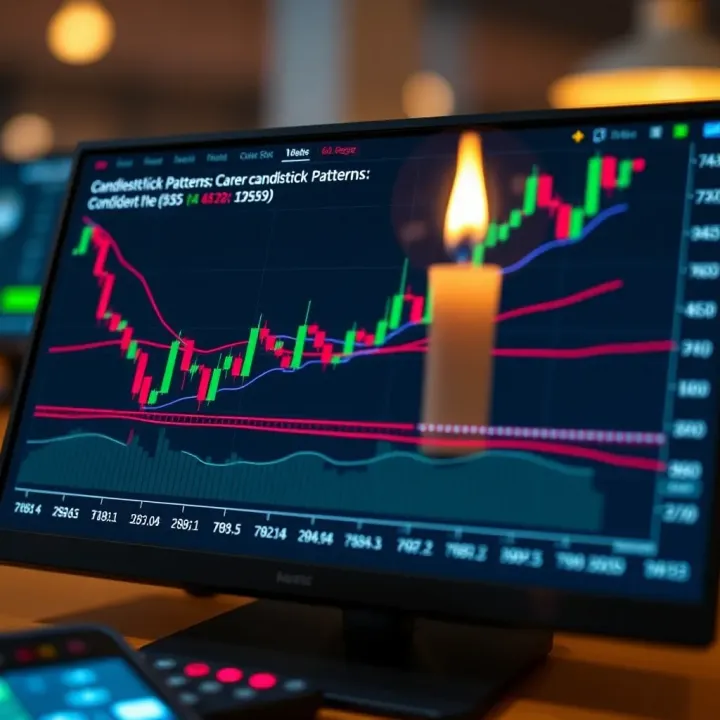
Forex Candlestick Patterns Guide
📊 Master key forex candlestick patterns with this easy guide. Learn to spot, use, and trade them confidently in your daily forex decisions for better results.
Edited By
Emily Carter
Price action candlestick patterns offer traders a straightforward lens to read market movements without relying on complicated indicators. They reflect how buyers and sellers behave at specific price levels and help predict potential future price shifts.
These patterns come from candlestick charts, which display price data over a chosen period using bars shaped like candles. Each candle shows the opening, closing, high, and low prices for that time slice. By spotting recurring formations, you get clues about whether the market mood is bullish, bearish, or uncertain.
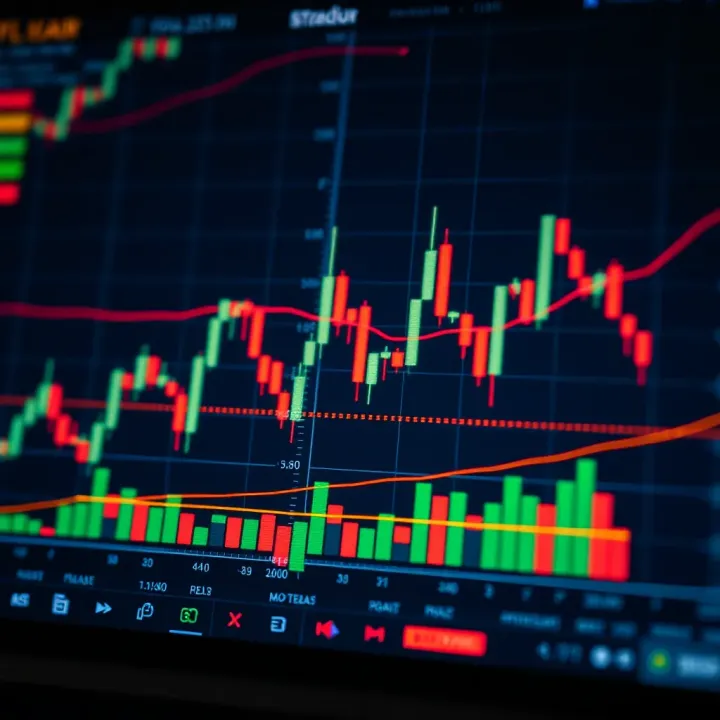
Recognising price action candlestick patterns is about understanding market psychology — who’s in control and when a reversal or continuation might happen.
Candlestick charts give more insight than simple line charts because they reveal intraday or intra-period price action.
Patterns like Doji, Hammer, Engulfing, and Shooting Star have well-documented implications on sentiment.
The context matters: a bearish engulfing pattern after a strong uptrend signals a possible sell-off, but the same pattern in a sideways market might mean something else.
In practical terms, learning these patterns helps you spot entry and exit points with better timing. For example, a Hammer at a support level on a JSE-listed share could hint that buyers are stepping in. Conversely, a Shooting Star near resistance might warn of a price drop.
Experienced traders also combine these patterns with volume, trendlines, and support/resistance zones for confirmation — but the core remains observing how price moves in real-time.
Keeping a personal log of pattern occurrences on the shares or commodities you trade builds a useful reference over time. Use PDFs and guides from reputable sources to deepen your grasp, but always test patterns in your trading environment — nothing beats experience.
The journey to mastering candlestick patterns lies in observing and applying them consistently, aiming for clarity in market sentiment and smarter trading decisions.
Understanding price action and candlestick charts is key to navigating financial markets with confidence. This section sets the stage by breaking down the core concepts and explaining why they matter to traders and investors alike. Whether you’re working in equities, forex, or commodities, recognising how price moves and how these moves are depicted through candlestick charts can offer valuable insight into market sentiment.
Price action trading means basing your decisions on the actual movements in price, without relying heavily on indicators or complex algorithms. Instead, you look at how price reacts around important levels, such as support and resistance, and how it forms patterns within the charts. Picture a share trading between R250 and R270 — if sellers step in at R270 multiple times, price action traders watch closely for signs of reversal or breakout. The patterns of highs, lows, opens, and closes tell a story about who holds control in the market: buyers or sellers.
Many traders lean towards price action because it strips back noise and gimmicks. Indicators lag price movements, so waiting for confirmation can mean missing out on early opportunity. Price action provides direct feedback from the market itself, showing areas of interest where supply and demand battle it out. It’s especially useful in volatile markets or times of uncertainty, like during Eskom loadshedding announcements affecting stocks. Plus, this approach is universal — you can apply price action principles across instruments and timeframes, saving you from hunting through countless indicator settings.
A candlestick visually summarises price activity over a set period: from the price at the open, through the highest and lowest traded prices, to the closing price. The body of the candle shows the range between open and close — a filled or coloured candle suggests a price decline, while an empty or white candle signals a rise. Thin lines above and below the body, called wicks or shadows, illustrate the extremes that price reached during the session but did not hold. For example, a long lower wick under a small body can indicate buying pressure pushing prices up after a dip.
Candlestick charts offer more detail and nuance than simpler line charts, which only show closing prices. This richer detail allows traders to spot patterns and reversals that a line chart might hide. Unlike bar charts, candlesticks simplify comparing sessions with colour cues, making it easier to interpret at a glance. Imagine scanning the JSE Top 40 over the past week — candlesticks help you see which stocks had volatile sessions or steady climbs without digging into raw numbers. This visual clarity can improve reaction times and decision-making in fast-moving markets.
Mastering the basics here creates a strong foundation for recognising meaningful price moves and building practical trading strategies based on real market behaviour.
Candlestick patterns offer direct insight into market sentiment and price behaviour, making them invaluable for traders aiming to interpret price action without complicated indicators. Understanding key patterns helps you spot potential turning points or continuations in the market, which support more informed decisions. For example, recognising when a trend might stall or reverse gives you an edge in timing your entries and exits.
Trading purely by price action means reading what the market itself is telling you through these patterns. Rather than guessing, you can rely on proven shapes that highlight buyers or sellers gaining control. It’s like having a secret handshake with the market—once you identify these patterns, you better predict its next move.
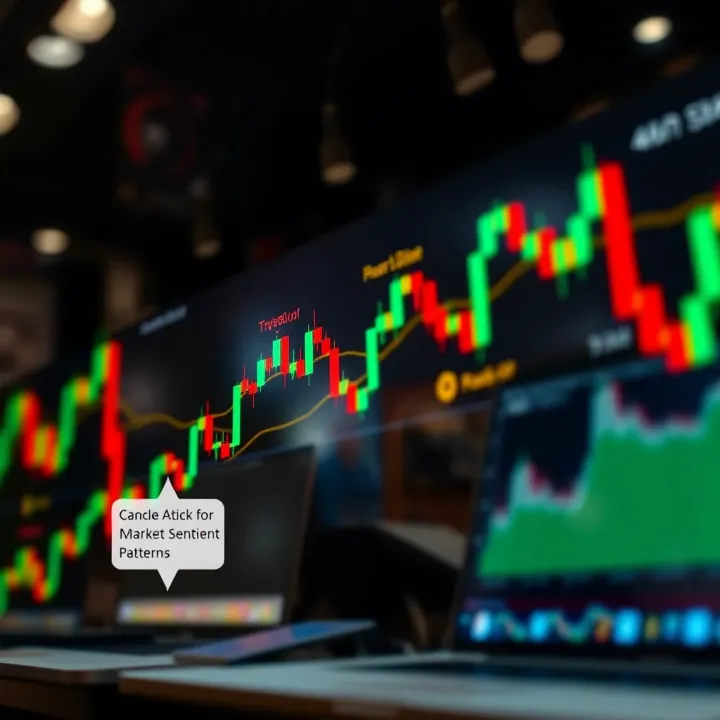
A Doji candle forms when a market’s opening and closing prices are virtually the same, showing indecision among traders. It looks like a cross or plus sign and suggests neither bulls nor bears made a significant move by the session's end. In practice, a Doji often signals a pause or potential reversal when found after a strong trend. For instance, after a prolonged upward move, a Doji indicates buyers are losing steam and sellers might step in.
Traders should watch what comes after a Doji; confirmation is key. If the next candle follows with a decisive move down, it strengthens the case for a reversal. Ignore Dojis on their own as they only mark uncertainty; they become useful when part of a larger pattern or context.
The Hammer and Hanging Man share a similar shape—small body with a long lower wick—but their meaning depends on the preceding trend. A Hammer appears after a downtrend, signalling potential bullish reversal. It shows the market tested lower prices but buyers pushed the price back up, closing near the open. This suggests a shift in control to the bulls.
On the other hand, a Hanging Man occurs after an uptrend and warns of a possible bearish reversal. Despite closing near the open, the long lower wick signals selling pressure creeping in. For instance, if you spot a Hanging Man on a KZN mining stock chart after a rally, keeping an eye on follow-up price action can save you from holding onto a fading move.
These patterns involve two candles and indicate strong momentum shifts. A Bullish Engulfing happens when a small red (bearish) candle is immediately followed by a larger green (bullish) candle that completely covers it. This warns sellers have lost control and buyers are pushing strongly. It’s common to see this at the bottom of downtrends, hinting prices could climb. A trader spotting this pattern on the JSE could consider an entry before a bounce.
Conversely, a Bearish Engulfing pattern shows a small green candle swallowed by a bigger red one, signalling sellers taking over after an uptrend. This is a warning for fading rallies and possible drops.
These are three-candle patterns that add nuance. The Morning Star forms at the bottom of a downtrend and consists of a large bearish candle, a small-bodied candle indicating indecision, followed by a strong bullish candle. This tells you the market tested lows, paused, and then bulls took charge. Examples on currency pairs like USD/ZAR often highlight Morning Stars preceding nice upward moves.
On the flip side, an Evening Star appears at the top of an uptrend with a large bullish candle, uncertain middle candle, and a bearish follow-up. It suggests buyers are tiring and sellers might push prices lower. Recognising these patterns early helps traders exit before the drop or enter short positions.
Mastering these key candlestick patterns can improve your timing and risk management. They let you read the market's mood without noise, showing when to hold tight or cut losses.
By focusing on these signals, you sharpen your price action reading skills, tailoring your strategy to real market behaviour rather than guesswork.
Interpreting price action through candlestick patterns is vital for traders aiming to understand market sentiment without relying heavily on indicators. Candles visually represent battlefields where buyers and sellers clash, revealing clues about potential shifts or continuations in price. By mastering how to read these patterns, a trader can anticipate market moves more confidently, which is invaluable in fast-paced trading environments like the JSE or currency markets.
Recognising reversal signals in candlestick formations lets traders spot when a prevailing trend might be losing steam. Patterns like the hammer or shooting star can hint at a possible price turnaround. For instance, a hammer emerging after a downtrend on a two-minute or daily chart might indicate buyers are stepping in. This immediate insight can help limit losses or lock in profits ahead of a shift.
That said, relying solely on the candlestick shape isn’t enough. Confirmation is key. This is where volume and support or resistance levels come into play. A reversal candle accompanied by a spike in volume strengthens the case for a real change in direction. Also, spotting these candles near known support (where price historically bounces up) or resistance zones (where price tends to struggle to rise) adds credibility. For example, if a bullish engulfing candle forms right at a major support level on the S&P 500 futures, with a volume increase, the chance of reversal increases significantly.
Continuation patterns signal that the current trend—whether up or down—is likely to persist. Patterns such as the rising three methods or bullish/bearish flags provide practical insight into momentum staying intact. If you spot these during a strong trend on a 15-minute or daily time frame, it’s a signal that the market is taking a breather rather than reversing.
Using candlesticks to follow momentum helps traders ride trends more effectively. For example, a series of green candles with small wicks closing near their highs typically suggests buying pressure is alive and kicking. Conversely, a sequence of red candles closing near their lows can warn sellers are still in control. Aligning these signs with broader market factors—like economic news releases or local market sentiment—can sharpen timing for entries and exits.
Reading price action through candlestick patterns isn’t about guessing; it’s about interpreting clear signals in context. Combining pattern recognition with volume and support/resistance levels can help you make smarter trading decisions every time.
By practicing these interpretive skills within your overall trading plan, you’ll develop a keener eye for when the market’s about to turn or continue, improving both your timing and risk management.
When it comes to grasping price action candlestick patterns, PDF resources offer a straightforward way to deepen your understanding. These guides can consolidate complex ideas into clear explanations and visual examples, making learning more accessible. Instead of scrolling through endless web pages or videos, you get a compact, well-structured document that you can refer back to anytime.
PDF guides often break down candlestick patterns into clear segments, combining text with annotated charts. This makes it easier to spot the nuances of patterns like the Morning Star or Bearish Engulfing. For instance, while trading a JSE-listed stock, you can open a PDF on your laptop to quickly refresh how a Doji signals indecision in the market. Having detailed explanations side by side with visuals saves time when you need to confirm patterns on live charts.
A big plus is that PDFs work without an internet connection. You can study candlestick patterns on your smartphone or tablet during your commute, or even at a lapa without distractions. Many PDF readers allow you to highlight key points or add notes directly onto the pages. This kind of active engagement helps reinforce memory and allows you to build a personalised reference for your trading strategy.
Not every PDF out there is worth your time. Look for materials from well-known trading educators or financial institutions that specialise in technical analysis. For example, guides published by recognised South African financial platforms or authors who have extensive experience in price action trading tend to be more reliable. Such sources usually provide well-researched content backed by practical examples rather than generic advice.
Before downloading, check if the PDF includes up-to-date charts, clear explanations, and practical steps for application. Skim for jargon-free language and diagrams that make complex ideas understandable. Avoid resources that promise guaranteed profits or lack transparency about the authors. A good PDF guide should encourage disciplined trading and risk management alongside pattern recognition.
Ready-to-use PDF resources can be an invaluable tool — especially when you want to study candlestick patterns on your own terms, without being tied to online content.
Using these documents effectively supplements your hands-on experience, helping you make sense of market moves and sharpen your trading edge.
Applying candlestick patterns effectively in real trading is about more than spotting familiar shapes on a chart. It involves using these visual cues to inform decisions within a broader, carefully considered trading plan. These patterns give insight into market sentiment at a glance, helping traders predict potential moves without relying on confusing indicators.
For example, a Hammer candlestick that forms near a support level could signal a reversal, but acting on that signal alone isn’t enough. Bringing that pattern into the context of trend lines or moving averages can improve the odds of a successful trade. This section explores how to weave candlestick analysis into everyday trading strategy for steadier, more confident outcomes.
Combining candlestick analysis with trend lines and indicators strengthens your trading decisions. Trend lines provide a sense of direction—whether the market is generally moving up, down, or sideways—while candlestick patterns highlight moments of possible change or continuation within that trend. For instance, spotting a Bullish Engulfing pattern near an upward trend line increases the likelihood of sustained buying pressure.
Indicators like the Relative Strength Index (RSI) or Moving Average Convergence Divergence (MACD) act as additional confirmation tools. They can indicate whether a market is overbought or oversold, helping validate the signals candlesticks give. This layered approach reduces guesswork and helps avoid false entries triggered by single signals.
Risk management and discipline are essential when using pattern signals in trading. A clear exit plan should accompany every trade, with stop-loss orders set to minimise losses if the market moves unfavourably. For example, if a trader enters based on a Morning Star pattern, they should define a stop-loss just below the pattern's lowest point.
Discipline also means not chasing every pattern observed. Not all signals will lead to profitable trades; recognising this helps protect your capital and nerves. Keeping position sizes consistent and sticking to predefined risk limits ensures that one bad trade won’t completely derail your overall performance.
Over-relying on single signals is a common pitfall, especially for new traders. Candlestick patterns are valuable, but no pattern guarantees success in isolation. Markets sometimes produce false signals due to noise or low liquidity. For example, a Doji might appear, but without confirming context like volume or trend direction, it could easily mislead.
It’s better to treat candlestick signals as one piece of the puzzle rather than the whole picture. Combine them with other tools and market information to build confidence before acting.
Misreading patterns out of context happens when traders ignore the bigger market environment. Patterns can mean different things depending on where they appear. A Hanging Man at a market peak might warn of a reversal, but the same pattern in a strong downtrend might just be noise.
Always consider factors like previous price action, support and resistance zones, and volume before concluding what a pattern indicates. This avoids costly misinterpretations and keeps you aligned with the market’s real story.
When applied thoughtfully, candlestick patterns become powerful tools — but remember, they are signals, not certainties. Contextual awareness and disciplined execution separate successful traders from the crowd.
📊 Master key forex candlestick patterns with this easy guide. Learn to spot, use, and trade them confidently in your daily forex decisions for better results.
🔍 Learn how to spot hammer candlestick patterns and use them in trading for better market reversal insights. Practical tips for clear, effective analysis.
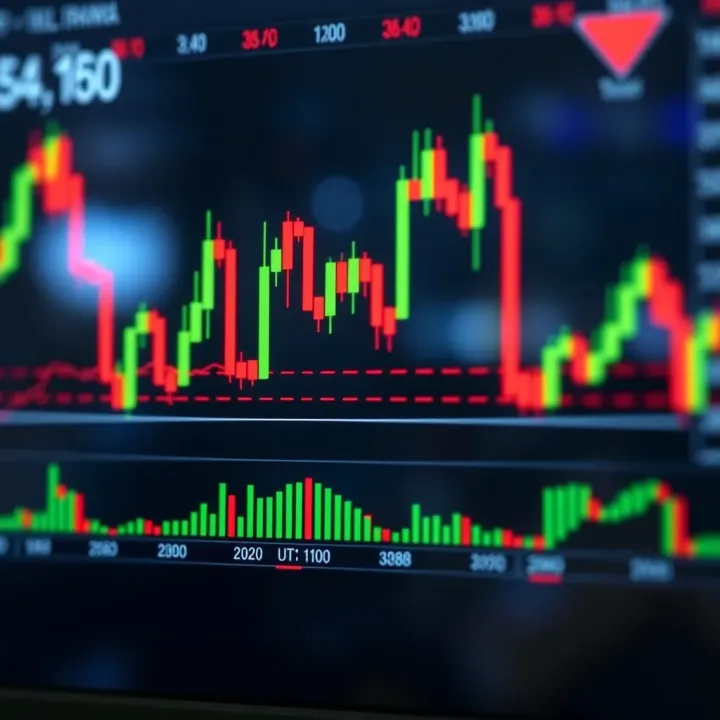
📈 Understand how candlestick chart patterns reveal market moves and aid your trading strategy. Get practical tips plus handy PDF guides for quick reference.
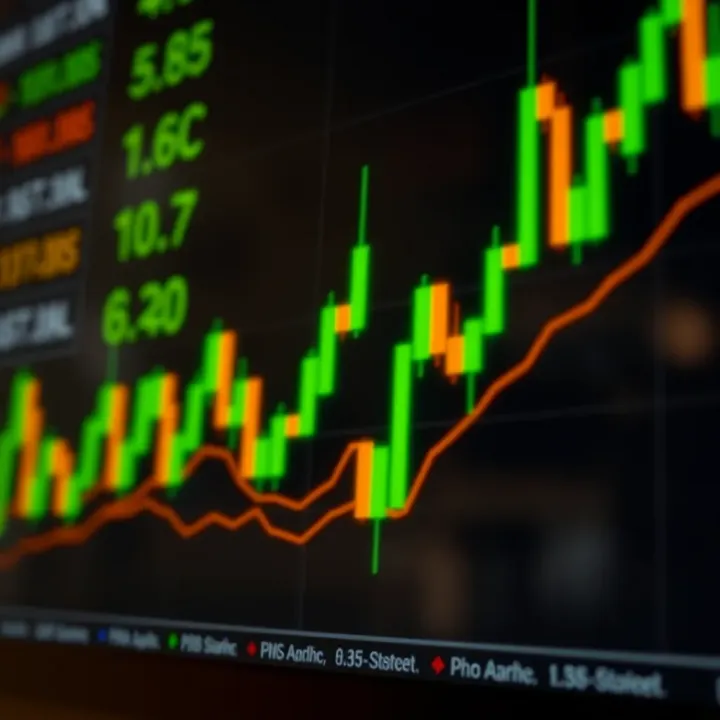
📉 Learn how Doji candlestick patterns reveal market indecision and hint at trend changes. Master key types and interpret them alongside other indicators for smarter trades.
Based on 5 reviews