
Essential Forex Trading Lessons for South African Traders
📉 Learn essential forex trading lessons tailored for South African traders 🇿🇦. Master risks, market analysis, and local rules to trade with confidence 👍.
Edited By
Edward Green
Opening a forex trading account is the first practical step for South Africans aiming to participate actively in the global currency markets. Unlike ordinary bank accounts, forex trading accounts give access to a platform where one can buy and sell currency pairs, profiting from fluctuations in exchange rates.
South African traders need to be aware of specific local factors, including regulatory requirements and tax implications. Choosing a reputable broker registered with the Financial Sector Conduct Authority (FSCA) is vital, as unregulated entities could pose serious risks.
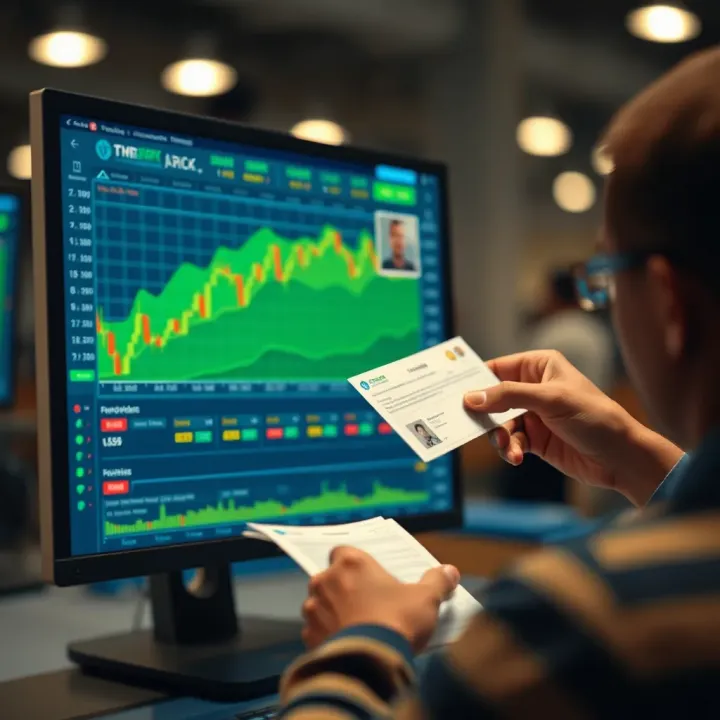
The process typically starts with selecting a broker that offers transparent terms, competitive spreads, and a user-friendly trading platform. Brokers such as IG, Plus500, and HotForex, which have a presence and support tailored for South African clients, often provide good starting points.
Verification is a key step. You’ll need to supply identification documents — usually a certified copy of your ID or passport, proof of residence like a utility bill no older than three months, and sometimes a source of income statement. This helps prevent fraud and ensures compliance with the Financial Intelligence Centre Act (FICA).
Funding your account requires careful consideration. Most brokers accept payments by EFT (electronic funds transfer), credit or debit card, and in some cases, e-wallets like Skrill or Neteller. South African traders should be mindful of possible currency conversion fees — funding in Rand might be converted to US dollars, which is the common base currency in forex.
Safety Tip: Always double-check that your broker conforms to FSCA regulations and that your funds are held in segregated accounts. This reduces risk if the broker faces liquidity issues.
Furthermore, understanding margin requirements and leverage options is crucial. While leverage can boost potential profits, it equally increases risks and can lead to substantial losses if not managed properly.
By following these steps, traders in South Africa can set up accounts suited to their goals and risk appetite, positioning themselves well for the challenges and opportunities of currency trading.
Choosing the right forex broker is the first and arguably the most important step for South Africans venturing into forex trading. Your broker directly affects your trading conditions, safety of funds, and the tools available to succeed. It's not just about picking a platform; it’s about trusting a partner who understands South Africa's unique trading landscape, including local regulations, currency issues, and payment methods.
South Africa’s forex brokers fall under scrutiny by the Financial Sector Conduct Authority (FSCA). Brokers authorised by the FSCA must meet certain standards related to transparency, client fund segregation, and adequate capital reserves. Trading with an FSCA-regulated broker adds a layer of security, ensuring that your money is treated according to local financial laws. This reduces risks like fraudulent activities or sudden broker shutdowns that some offshore platforms are notorious for.
Regulation serves as a watchdog protecting traders from unscrupulous practices. Without regulation, brokers might exploit high leverage offerings or delay withdrawals. South African traders are often targeted by overseas brokers not fully compliant with local laws, which can lead to losses or complicated legal battles over funds. Selecting a regulated broker assures you have recourse in disputes and that the broker adheres to fair trading practices.
South African traders often face the choice between local brokers and international ones. Local brokers offer easier access to support tailored to South African needs, including deposits in rand and tax-compliant reporting. However, international brokers sometimes provide better trading conditions like lower spreads or more currency pairs. That said, international brokers may lack local oversight and pose additional currency conversion risks. Balancing these factors depends on your trading style and risk appetite.
Trading costs eat into your profits, making it essential to understand spreads, commissions, and other fees. Spread is the difference between the buying and selling price — some brokers offer fixed spreads, others variable. For example, a spread of 1.2 pips on USD/ZAR might sound low but could rise during volatile times. Commissions are separate fees per trade, common with ECN accounts. Look out for hidden fees like overnight swaps or inactivity charges to avoid surprises.
Brokers offer different account sizes to fit diverse traders. A standard account requires higher deposits but comes with tighter spreads and better leverage options. Mini and micro accounts allow smaller amounts, sometimes as low as R500, perfect for beginners testing the waters without risking big capital. These smaller accounts often have wider spreads or less access to premium tools, so consider what fits your budget and goals.
Leverage lets you control larger positions with a smaller deposit, magnifying gains but also losses. South African brokers usually offer leverage between 1:10 to 1:200. While it’s tempting to use high leverage, it’s safer to start low, especially with volatile pairs like USD/ZAR. Understand margin requirements carefully to avoid margin calls, which force your broker to close losing positions to prevent further losses.
The trading platform is where you spend most of your time, so ease of use matters. Platforms like MetaTrader 4 and 5 remain popular for their robust tools and widespread broker support. Look for platforms offering real-time quotes, customisable charts, and technical indicators relevant to your trading style. Some brokers develop proprietary platforms, which might be simpler but can lack advanced features.
With South Africa's busy lifestyles, mobile trading apps are a must-have. Reliable apps from brokers allow you to place trades, monitor trades, and get notifications on the go — a practical way to stay connected during commutes or while at the office. Check that your broker’s app supports South African-friendly payment options and offers data-efficient navigation because data costs can add up fast.
Customer service is often overlooked but crucial. Local or region-specific support means you get help during South African business hours without frustrating time zone delays. Whether by phone, email, or chat, timely responses build trust, especially for resolving technical issues or withdrawal queries. Avoid brokers that outsource support entirely offshore if you prefer quick, personalised assistance.
Picking the right broker is not just a matter of price or platform, but how well they align with your trading needs and local context. Take time to research and test before committing significant funds.
Choosing your forex broker wisely in South Africa sets a solid foundation for your trading journey. It’s about security, cost-efficiency, and having tools and support that respect your unique trading environment.
When opening a forex trading account in South Africa, preparing the right documents and information ahead of time is essential. Brokers require these to verify your identity, confirm your address, and ensure compliance with local regulations like the Financial Intelligence Centre Act (FICA). Having the paperwork ready speeds up the approval process and reduces errors that might delay your trading journey.

A valid South African ID or passport is the primary document brokers use to verify who you are. This step helps prevent fraud and money laundering. If you’re a resident, your South African ID book or smart ID card usually suffices; for non-residents, a valid passport is required. For example, if you mistakenly submit an expired ID, your broker will likely reject your application until you provide an updated one, setting back your account opening.
Proving where you live is another key part of the verification process. Brokers ask for documents like a recent municipal utility bill, bank statement, or official correspondence showing your physical address in South Africa. These documents should typically be no older than three months. This helps establish your residency status and supports compliance with local laws aimed at curbing illicit financial activities.
Providing accurate and consistent details across all your documents and account forms is crucial. Any mismatch—for example, different spellings of your name or outdated addresses—can trigger verification problems or cause delays. Correct information ensures smooth processing, giving you quicker access to the platform and your funds.
When opening a forex trading account, you’re usually asked to provide your South African Revenue Service (SARS) tax number and complete a tax declaration form. This step is vital because your broker may need to report taxable earnings on your behalf. Omitting your tax number or providing incorrect information can raise compliance issues and potentially result in penalties.
Brokers operating in South Africa generally report client earnings and transactions to SARS for tax purposes. This reporting ensures that any capital gains or income you make through forex trading are declared accurately. Being upfront about your tax obligations helps avoid complications with SARS and reassures you that your account is being managed within legal guidelines.
Keep in mind: preparing the right documents and tax information upfront not only speeds up account approval but also safeguards you from unnecessary hassles down the line.
This careful preparation allows South African traders to start forex trading confidently and with full regulatory compliance.
Opening a forex trading account requires a clear, step-by-step guide to steer you through what can otherwise be a tangled process. By breaking it down, you avoid confusion and delays, ensuring you’re ready to trade without unnecessary setbacks. This section will take you through registering with a broker, going through verification checks, and funding your account securely—each making sure you meet compliance and security expectations while tailoring the setup to your needs.
This is the first step where you provide basic information like your name, email, contact details, and residential address. Most South African brokers offer an online registration portal that’s straightforward—you’ll usually just fill in an online form. Making sure this info is accurate helps avoid hiccups later during identity checks. For example, using your South African ID number correctly assists the broker with RICA and KYC (Know Your Customer) compliance.
Once your profile is set, you select preferences such as account type (standard, mini, micro), base currency (often ZAR, USD, or EUR), and leverage level. The choice of leverage is particularly important for risk management. Setting up your account preferences upfront means the trading environment suits your risk appetite and budget.
To comply with South African and international regulations, your broker will ask for documents like a certified copy of your South African ID or passport, proof of address (such as a recent utility bill), and sometimes tax details. This step is non-negotiable: it’s about preventing fraud and money laundering, so sloppy or incomplete submissions will delay account approval. Traders who upload clear scans or photos generally get faster responses.
After documents are submitted, the broker conducts compliance checks. The wait time can vary from a few hours to a couple of business days, depending on the broker and workload. Patience is key here. Some local brokers provide status updates via email or through their platform. Once approved, you’ll receive a green light to start funding and trading.
Most brokers cater for local clients by accepting deposits via EFT (Electronic Funds Transfer), MasterCard or Visa credit/debit cards, and even popular local payment platforms like SnapScan or Zapper. Using familiar payment methods adds convenience and security. Notably, EFT transfers from a South African bank account often incur no extra fees and clear faster than international transfers.
Brokers typically set minimum deposits ranging from as low as R500 to R5,000 or more. Keeping the minimum low allows newcomers to start with smaller sums while gaining trading experience. However, bigger deposits can unlock better spreads or additional features. Knowing these limits before you fund your account prevents surprises.
If you deposit in ZAR but trade in USD or EUR accounts, currency conversion fees will apply. These can chip away at your capital more than expected. Some brokers offer accounts in multiple currencies to reduce the cost. It’s wise to check exchange rates and conversion charges before transferring funds, especially for larger amounts.
Setting up your forex account correctly from the start can save you from headaches later on. Taking the time to follow each step carefully means you’re trading with confidence and legal peace of mind.
Managing your forex trading account well is key to steady progress and cutting losses. Once the account is open and funded, keeping a close eye on every detail helps you respond quickly to market changes and stick to your trading plan. Unlike a passive investment, forex demands ongoing attention, especially given its volatility and the leverage involved.
Most brokers provide online platforms or apps to keep track of your account. These tools show real-time balances, open positions, and margin levels, which is critical to avoid margin calls. For example, the MT4 and MT5 platforms are popular among South African traders for their ease of use and diverse features. Keeping the app on your mobile means you can monitor your trades even on the go, helping you react without delay when the rand suddenly shifts after a SARB announcement.
Setting alerts can save your skin in fast-moving markets. Most platforms allow you to configure price alerts, margin level warnings, or news updates. For instance, if you set an alert at a certain price level, your phone notifies you the moment the currency pair hits that point. This practice helps you take action before losses mount or lock in profits without constantly staring at the screen.
Understanding order types is fundamental. A market order executes immediately at the current price, useful when you want quick exposure. A limit order sets a target price to buy or sell, activating only once that price is reached. Suppose you want to buy USD/ZAR only if it dips to 14.50, a limit order ensures you don’t pay more than that. Knowing when to use each order helps optimise entry and exit points without overpaying or missing opportunities.
Risk controls like stop loss and take profit orders help protect your capital and secure gains automatically. A stop loss closes your position at a price limit to stop further losses; for example, placing a stop loss 100 pips below your buy price shields you from unexpected drops. Take profit locks in gains when a target price is hit, preventing your profits from evaporating if the market reverses. Using both orders together gives structure to your trades and guards against emotional decision-making.
South African traders usually withdraw via EFT (electronic funds transfer), credit/debit cards, or e-wallets such as Skrill or Neteller. EFT withdrawals to local bank accounts typically take from one to three business days. It’s wise to check the broker’s timelines and any withdrawal limits beforehand, so you’re not caught short when you need your funds urgently.
Some brokers charge withdrawal fees or currency conversion fees if you fund in foreign currency. For example, transferring funds back from USD to ZAR may attract bank fees or unfavourable exchange rates. Additionally, remember that any profits you withdraw are subject to income tax under South African law, so keep clear records for SARS. Being aware of these costs helps you plan your withdrawals without surprises.
Managing your forex trading account isn’t just about making trades. It’s a constant balancing act—monitoring positions, managing risks, and handling funds wisely—that keeps your trading journey sustainable and less stressful.
Getting into forex trading can seem promising but comes with its fair share of risks and challenges. Understanding these early on helps you avoid common mistakes that end up costing traders dearly. The forex market is fast-moving and complex, so knowing what to watch out for and how to build sound trading habits plays a big role in your long-term success.
The forex market is known for its high volatility — currency prices can swing wildly within a short space of time. This movement creates opportunities but also risks, especially when you use leverage. Leverage lets you control a larger position with a smaller deposit, but it magnifies both gains and losses. For example, a 1% price drop in a leveraged trade could wipe out a substantial portion of your invested capital.
South African traders should be cautious with leverage, starting low and gradually increasing as they gain experience. Avoid getting caught up in the thrill of big leverage without understanding the exposure it brings. Many brokers offer leverage up to 1:100 or more, but a conservative approach, such as 1:10 or 1:20, helps to control risk.
Currencies respond sharply to economic announcements, geopolitical developments, and central bank decisions. For instance, a sudden rate cut by the South African Reserve Bank (SARB) or unexpected changes in US Federal Reserve policy can create volatile price moves. Staying informed about the economic calendar and major events is crucial.
Ignoring market news can leave you exposed to surprise moves that blow up your position. Many traders use tools like economic calendars and news alerts integrated into trading platforms to keep abreast of events. Planning trades around expected announcements or avoiding trading during these periods can reduce unwanted shocks.
Forex attracts fraudsters along with legitimate brokers. Look out for promises of guaranteed returns or pressure tactics urging you to deposit quickly. Broker websites with suspiciously positive reviews, lack of clear contact details, or inadequate regulation should raise alarms.
For example, a broker promising to double your R1,000 deposit overnight is too good to be true. Trustworthy brokers are transparent about risks and never guarantee profits. If something feels off or rushed, step back and research more before investing.
Always verify that the broker is regulated by a recognised authority. In South Africa, the Financial Sector Conduct Authority (FSCA) licences brokers operating locally. Internationally, look for regulation by bodies like the UK’s Financial Conduct Authority (FCA) or Australia’s ASIC.
Regulation offers a layer of protection by enforcing standards and dispute mechanisms. Before opening an account, confirm the broker’s registration, read reviews, and even reach out to their customer service to judge responsiveness. This due diligence helps avoid losing money to unscrupulous operators.
Demo accounts let you trade with virtual money in a live market environment. This lets you explore how forex markets move and get used to trading platforms without risking your hard-earned cash.
Using a demo account, you can make mistakes freely, test your timing, and understand order types. For instance, you might learn how to set stop losses properly or how leverage affects your margins before going live. It's a sound way to build skills at your own pace.
Once you have a trading strategy, whether it’s based on technical indicators or news, demo accounts offer a testing ground. Run your approach over weeks or months to see how it performs across different market conditions.
This trial period helps identify strengths and weaknesses. You might discover that your strategy works well during low volatility but struggles with sudden news events. Being able to adjust your method in a demo setting prevents avoidable losses when you eventually trade with real money.
Taking the time to understand risks, verify brokers, and practise trading without financial pressure puts you on a much stronger footing for forex success. It’s not just about opening an account but building sustainable, informed habits from the start.
📉 Learn essential forex trading lessons tailored for South African traders 🇿🇦. Master risks, market analysis, and local rules to trade with confidence 👍.
💹 Learn practical steps to earn with forex trading in South Africa. Understand market basics, smart strategies, risk control, and the mindset for steady gains.

📚 Discover the best forex trading books for South Africans! Learn key strategies, risk management, and practical tips tailored to your experience and style 📈
🚨 Learn to spot and avoid common forex trading scams in South Africa. Stay informed on warning signs and protect your investments confidently. 💼💡
Based on 13 reviews