

Understanding Global Forex Trading Basics
Explore how global forex trading works 🌍, key players, exchange rate drivers, trading platforms, risks, strategies, and regulations in South Africa 🇿🇦.
Edited By
Liam Edwards
Forex trading doesn't stop entirely through the weekend, but the dynamics shift significantly once Friday afternoon rolls around. The major global forex markets shut down from Friday evening until Sunday evening SAST, aligning roughly with the close and opening of their respective financial centres — London, New York, Tokyo, and Sydney. Yet, some trading activity persists in less formal or offshore markets.
Weekend forex trading is generally thin and less liquid, which means price movements can be more volatile and unpredictable than during standard market hours.
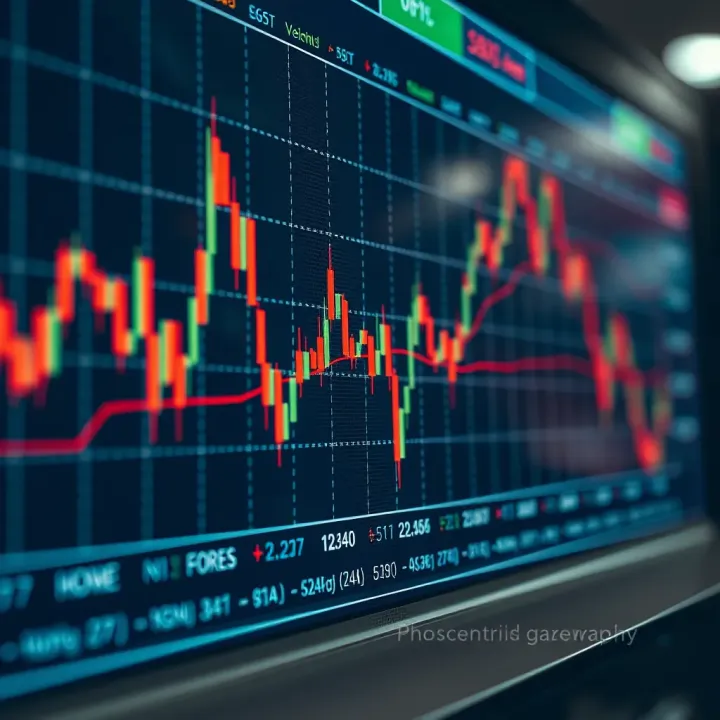
Typically, the forex market runs 24 hours a day Monday to Friday because global centres open and close consecutively, allowing traders nearly nonstop access. When the Sydney session kicks off on Sunday afternoon SAST, some activity resumes, but liquidity and volumes tend not to pick up fully until the London and New York markets open on Monday morning.
While most retail platforms close trading for the weekend, certain brokers offer extended hours or access to some currency pairs via electronic communication networks (ECNs). This partly satisfies traders wanting to react immediately to geopolitical news or economic developments that happen over the weekend. For example, significant announcements on Sunday could cause sudden price gaps when the market reopens on Monday.
However, Weekend trading has drawbacks:
Lower Liquidity: Fewer participants push spreads higher, increasing trading costs.
Higher Volatility: Thin order books mean larger price swings can occur on smaller volumes.
Limited Trading Instruments: Not all currency pairs or derivatives are available on weekends.
Look closely at how weekend hours vary across time zones. For instance, in South Africa, the forex market closes Friday at around 10 pm SAST and reopens Sunday afternoon near 10 pm SAST with the Sydney session. But global events in the US or Europe over the weekend won't officially affect major forex markets until their opening hours on Monday.
If you trade forex in South Africa, plan carefully:
Check with your broker on their weekend trading policies.
Avoid holding large positions over the weekend unless you accept the risk of gaps.
Use weekend hours to analyse charts and prepare strategies while knowing active trading resumes Monday.
Understanding the nuances of weekend trading hours helps you avoid unexpected moves and use the quiet period to sharpen your approach for the week ahead.
Understanding how forex trading hours are arranged globally helps traders better plan when to enter or exit the market and manage risk effectively. The forex market operates continuously for five days a week, with different financial centres kicking off their sessions according to their local time zones. This around-the-clock cycle ensures liquidity most of the time but also means that market activity varies throughout the day depending on which centres are open.
Different time zones and market sessions shape the forex trading day. Starting in the Asia-Pacific region early morning, markets like Tokyo and Sydney set the pace. As these markets close, European centres beginning with London take over, followed by New York’s session in the afternoon. For example, when it’s 9 am in London, Tokyo’s market is wrapping up. Traders need to know these overlaps to capitalise on periods with higher liquidity.
The practical value here mostly lies in timing trades to coincide with specific sessions or overlaps. For instance, the London-New York overlap, from roughly 2 pm to 5 pm SAST, is where volatility and volume spike. This is when many currency pairs see the tightest spreads and best trade opportunities.
Role of major financial centres cannot be overemphasised. The hubs of Tokyo, London, and New York act as engines driving forex liquidity. London, being the largest forex centre worldwide, accounts for nearly 40% of global forex turnover, making its session crucial for price discovery. Tokyo is significant for Asian currencies like the JPY (Japanese yen), while New York influences USD pairs heavily due to its economic weight.
These centres dictate when markets move most actively, affecting strategies for South African traders. For example, staying alert during London’s opening at 9 am GMT (11 am SAST) is essential, as major announcements and order flows often come through then.
Trading overlaps and their impact create unique conditions in the trading day. When two sessions coincide, such as London and New York's overlap, trading volumes and price movement often intensify. This results in greater liquidity and tighter spreads, offering favourable conditions for intraday traders.
On the flip side, periods when only one centre is open, such as Sydney's early hours, often see quieter trade and wider spreads. Traders need to adjust their approach during these quieter slots to avoid unexpected volatility.
Opening and closing times across key markets vary but generally follow established local business hours. London’s forex market traditionally opens at 8 am GMT and closes at 4 pm GMT, while New York opens around 1 pm GMT and closes at 10 pm GMT. Sydney and Tokyo follow earlier schedules, with Sydney opening at 10 pm GMT and Tokyo at 12 am GMT approximately.
Knowing these hours helps traders avoid attempting to trade when liquidity is thin. For instance, trading a USD/ZAR pair right before New York’s close might mean facing wider spreads and less favourable price action.
Standard operating hours for brokers tend to mirror these market times but can vary based on the platform and region. Most brokers provide access from Sunday late afternoon SAST (when Asia-Pacific opens) until Friday evening, with no trading during the weekend. Understanding broker-specific trading hours and maintenance downtime is vital to plan orders and manage risk.
Moreover, brokers sometimes offer limited weekend products like cryptocurrencies or synthetic indices, but forex pairs generally pause over weekends.
How South African time corresponds to global sessions is critical knowledge for local traders. South Africa Standard Time (SAST) is typically two hours ahead of GMT, which means the London market opens at 11 am and closes at 6 pm SAST. New York's session runs roughly from 3 pm to midnight SAST.
This timing allows South African traders to participate actively during the European and American sessions without staying up too late or waking in the dead of night. For example, a trader might focus predominantly on the London-New York overlap from 3 pm to 6 pm SAST for maximum liquidity and trading opportunities.
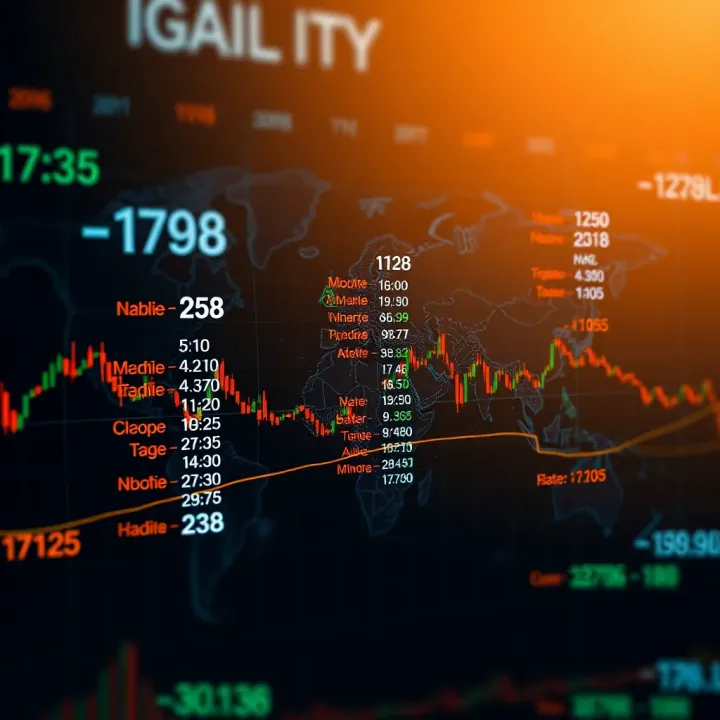
Knowing the structure of forex trading hours worldwide enables you to schedule trades during the most liquid periods, reducing costs and exposure. It’s about playing the market’s rhythm, not fighting against it.
By understanding these time differences and session overlaps, South African traders can optimise their strategies around market activity, helping to avoid times with low volume and high spreads.
The forex market, known for its round-the-clock activity during weekdays, hits the pause button over weekends. This break reflects the operational hours of major financial centres across the globe, which typically shut down from Friday evening until Sunday evening. Understanding this pause is crucial for traders aiming to navigate risks and plan strategically for the week ahead.
Why the FX market pauses on Saturdays and Sundays: The forex market is essentially an over-the-counter network that hinges on banks, financial institutions, and other market makers actively participating during business hours. On weekends, most of these entities close, particularly in important centres like London, New York, and Tokyo. This downtime aligns with standard working hours worldwide, effectively stalling regular forex transactions.
For practical trading, this closure means no standard forex market activity happens over the weekend—trades are not matched or priced by the interbank market as usual. The market simply waits until it officially reopens, which South African traders will notice aligns roughly with Sunday evening SAST.
Effects on liquidity and volatility: With the vast majority of market participants offline, liquidity dries up during the weekend. This lack of buyers and sellers leads to extremely thin market conditions. When the market reopens, the low liquidity often results in wider spreads and sharper, sometimes sudden price movements.
Volatility can spike not during the weekend itself—because trading isn’t occurring—but right at the market’s open on Sunday evening. This sudden price adjustment can upset traders who aren't prepared, leading to slippage or unexpected order fills.
Common misconceptions about weekend trading: Many believe forex trading continues actively over weekends since some brokers offer weekend trading on limited products. However, this access is typically via synthetic or CFD (contract for difference) markets rather than the actual interbank forex market.
It's important to note that weekend trading platforms do not reflect true market conditions—prices can be artificially generated or adjusted—so treating them the same as weekday forex trading can be misleading and riskier.
How events during the weekend influence opening prices: Major news or geopolitical happenings over the weekend—like election results, trade deals, or sudden conflicts—can swiftly impact market sentiment. Since the forex market is closed, prices don’t move until it reopens, often causing noticeable gaps between the Friday close and Sunday open.
For example, if a surprise announcement occurs on a Saturday, the USD/ZAR pair might open significantly weaker or stronger on Sunday evening compared to the previous Friday's close. This gap reflects traders adjusting to new realities that unfolded while the market was inactive.
Managing risk around weekend gaps: Traders should consider setting appropriate stop-loss or limit orders before the weekend to guard against large moves. Using lower position sizes during weekends and avoiding holding highly leveraged trades through the closure also helps.
Preparation involves monitoring scheduled events over weekends and recognising that despite no trading activity, global developments don't halt. That means risk can accumulate invisibly until Monday, making weekend planning critical.
Examples of significant weekend market moves: In 2016, the Brexit referendum happened on a Thursday, but the full implications carried over the weekend, causing the GBP/USD to plunge dramatically at Sunday market open. Similarly, political tensions in the Middle East during various periods led to sharp gaps in USD/ZAR and other pairs when markets reopened.
Such examples underline how weekend gaps are more than theoretical—they can trigger real financial outcomes, especially for traders caught off guard.
The takeaway: While the forex market officially rests over weekends, the ripple effects of global events during this period can shake price levels hard and fast when trading resumes.
Understanding these weekend dynamics helps traders in South Africa and beyond to manage expectations, adapt strategies, and approach Monday’s open mindful of the risks and opportunities ahead.
Trading forex over the weekend is a topic that attracts both curiosity and caution. While the major FX markets officially close from Friday evening to Sunday afternoon, some platforms offer limited weekend trading. This section explores the options available and the risks South African traders should weigh before taking the plunge.
A handful of brokers and trading platforms provide access to forex or forex-like products during weekends, though it is far from standard. These platforms often use derived pricing models or synthetic CFDs (contracts for difference) based on spot or futures markets. For instance, some international brokers allow weekend trading on cryptocurrency pairs or certain commodity indices, which move around the clock. However, access to genuine forex pairs (like EUR/USD or GBP/ZAR) outside official hours is rare and highly restricted.
Typically, weekend trading centres around cryptocurrencies such as Bitcoin and Ethereum, plus CFDs tied to stock indices or commodities. Traditional currency pairs face limited availability because the underlying interbank forex market is closed. Some brokers might offer major FX pairs via OTC (over-the-counter) arrangements, but these usually come with increased costs and risks. South African traders should verify exactly which assets are on offer during weekends before committing capital.
One trade-off with weekend trading is notably wider spreads and sometimes higher commissions. Due to lower market liquidity and reduced participation, brokers widen the bid-ask spread to cushion against price swings. For example, a pair like USD/ZAR, which usually trades with a spread of around 50 pips during normal hours, may see spreads double or triple over the weekend. These costs significantly affect profitability, especially for day or swing traders aiming for precise entries and exits.
Weekend trading is characterised by thinner order books since fewer participants are active. That means any trade can move prices sharply, creating volatility spikes. For example, news breakouts over the weekend—like geopolitical tensions or economic surprises—can cause erratic price swings when markets reopen. Traders must be wary as this volatility often results in reduced price predictability and higher risk exposure.
As touched on earlier, brokers widen spreads to protect themselves during low liquidity times on weekends. This means you pay more to enter and exit trades. The wider the spread, the more price needs to move in your favour before you break even. For a South African trader managing a modest account, these costs can erode profits quickly.
Another challenge is unreliable order execution. Weekend markets may suffer from delays or slippage—when your executed price differs from the requested entry or exit point. Slippage happens when price gaps occur suddenly, which is common after prolonged market closure. For example, your stop-loss order might hit at a worse price than expected, increasing losses or wiping out potential gains. Traders should be prepared for these execution risks and consider using limit rather than market orders where possible.
Trading forex on weekends isn’t a simple extension of weekday hours. It requires careful assessment of platforms, costs, and the heightened risks involved before diving in.
Understanding local time conversions is fundamental for South African traders dealing with forex markets that operate across different time zones. South Africa operates on South African Standard Time (SAST, UTC+2), which means the opening and closing hours of major forex hubs like London, New York, Tokyo, and Sydney have to be carefully mapped to local time. For example, when the London market opens at 9 am BST during daylight savings, it corresponds to 10 am SAST. Without accounting for these differences, traders might miss key market openings or be caught unaware during market close periods.
Adjusting trading strategies during weekends or low-activity hours also matters. Since the official forex market closes at 5 pm New York time on Friday and only reopens Monday morning, liquidity drops significantly over weekends. SA traders might choose to reduce their trading exposure or avoid opening new positions during this low-liquidity period to reduce risks like price gaps or slippage. Alternatively, one might use slower weekend hours for longer-term, less volatile trades rather than attempting scalping or day trades, which don’t suit reduced market activity.
Weekend downtime offers a great opportunity for traders to analyse past market movements and plan their next week’s strategy. Using this period to review charts, examine economic calendars, and test trading ideas can aid in entering the new week better prepared. Many South African traders find it useful to backtest strategies using platforms like MetaTrader or TradingView over weekends when live market noise is absent.
Weekend monitoring of geopolitical and economic developments remains critical as news often breaks outside trading hours. Events like political unrest, natural disasters, or sudden policy shifts can reshape market sentiment before Monday’s open. For example, the fallout from a Saturday announcement by the US Federal Reserve or a significant Middle East event might impact USD or oil-linked pairs.
News released over the weekend frequently drives Monday’s price moves, sometimes causing gaps or sudden volatility. Understanding this cause-effect relationship helps South African traders anticipate risk and position accordingly rather than being blindsided. For instance, after weekend protests or elections in a major economic country, currencies can exhibit sharp moves when markets resume.
To stay informed during these quiet market hours, traders should rely on trusted financial news outlets, economic calendars, and even social media feeds with caution. RSS feeds from Reuters or Bloomberg, alongside local platforms such as MyBroadband and BusinessTech, provide timely updates. Many brokers also send market alerts or newsletters, helping traders in South Africa remain up to speed and ready once trading recommences.
Keeping an eye on weekend developments and recognising local market timing can set South African traders apart, allowing them to manage risks and seize opportunities more effectively.
Trading forex around weekends requires careful planning due to the market's closure and the increased risk of price gaps when it reopens. Managing trades through these quiet periods helps prevent unexpected losses and ensures smoother order execution when markets are most volatile. South African traders, in particular, must align their strategies with these unique timing challenges to stay on top of their positions and minimise risk.
Setting stop-loss and take-profit points carefully: Stop-loss orders are essential safety nets, especially over weekends when the market closes and no new trades can adjust your position. For example, if geo-political tensions flare over the weekend, currency prices may jump sharply at Monday's open, bypassing stop-losses if set too tightly. Setting wider but still reasonable stop-loss levels allows room for normal market fluctuations without exposing you to early exit from trades. Simultaneously, take-profit points should be realistic, ensuring you lock profits in during more stable trading hours.
Anticipating potential weekend gaps: Weekend gaps occur because fundamental events — such as elections or economic announcements — can happen while the market is closed. Traders should scan news over the weekend and adjust exposure or hedge positions before the market reopens. For instance, if a major central bank announces a surprise policy change on Sunday, the currency pair might gap significantly. Anticipating such moves by reducing positions or securing profits limits exposure to sudden adverse price changes.
Using limit orders to control entry and exit: Limit orders allow you to specify the exact price at which you want to buy or sell, avoiding slippage caused by rapid price moves when the market reopens. Given the higher volatility and lower liquidity after weekends, placing entry or exit limit orders can protect you from executing trades at unfavourable prices. A trader expecting a specific breakout should set a buy limit slightly above a resistance level rather than risking a market order that might trigger in less ideal conditions.
Verifying weekend trading availability: Not all brokers open their platforms for weekend trading, and those that do often restrict which currency pairs or assets are tradable. Confirming your broker’s weekend schedule ensures you can plan trades effectively and avoid frustration from blocked orders or system downtime. For example, some South African brokers offer limited weekend trading on cryptocurrencies or certain CFDs, but not traditional forex pairs.
Understanding broker terms and conditions: Weekend trading often comes with different spreads, higher margin requirements, or special overnight fees. Carefully reading your broker’s terms saves headaches later. For example, brokers might raise spreads to account for wider bid-ask gaps over weekends. Being aware can help you weigh costs against potential gains and adapt your trading size or strategy accordingly.
Evaluating customer support and platform stability: Weekend trading platforms sometimes experience outages or delays due to lower broker staff availability. Choosing brokers with solid reputations for platform uptime and responsive weekend support is critical. A stable platform minimises risks of failed orders, while reliable support can assist with urgent trade or technical issues.
Managing the risks and operational aspects of weekend forex trading requires diligence and good preparation. Aligning your risk controls with reliable brokers sets a safer foundation for navigating the unique challenges that weekends present.
With these practical tips, you can better protect your trades and make informed decisions, even when the market is off the clock.
Explore how global forex trading works 🌍, key players, exchange rate drivers, trading platforms, risks, strategies, and regulations in South Africa 🇿🇦.

🤝 Learn how a forex trading account manager can guide your investments, risks to watch, and how to choose one wisely for your trading needs. 📊

📈 Discover key forex trading hours in South Africa ⏰ Learn how global sessions align with local time & get tips to trade smarter during peak periods.

🌍 Discover how forex trading hours shape market moves and the best times to trade for peak activity, liquidity, and volatility in the forex world.
Based on 14 reviews