

Forex Trading Hours and Market Impact Explained
🌍 Discover how forex trading hours shape market moves and the best times to trade for peak activity, liquidity, and volatility in the forex world.
Edited By
Charlotte Reed
Forex trading hours play a significant role in shaping market behaviour and opportunities for traders. Unlike stock markets that have fixed opening and closing times, the forex market operates 24 hours a day, five days a week, due to the overlapping time zones of major global financial centres.

Trading at the right time can affect your ability to enter or exit positions profitably. This is because liquidity and volatility vary throughout the day, influenced by when markets in London, New York, Tokyo, and Sydney open or close. For example, the London session often sees higher activity in currencies like the British pound (GBP) and the euro (EUR), while the New York session affects the US dollar (USD) pairs.
Sydney Session: Opens at 10 pm SAST and closes at 7 am SAST. Generally quieter but important for AUD and NZD pairs.
Tokyo Session: Runs from midnight to 9 am SAST, with increased activity in JPY pairs.
London Session: 8 am to 5 pm SAST, often the most liquid period due to Europe’s market size.
New York Session: Open from 1 pm to 10 pm SAST, impacting USD pairs significantly.
Periods when two markets overlap can lead to increased volatility and more trading opportunities. The London-New York overlap between 1 pm and 5 pm SAST often presents the most active trading hours. Similarly, the Sydney-Tokyo overlap between midnight and 7 am SAST can also draw attention, particularly for Asian currencies.
Successful trading often depends on timing your trades to coincide with these periods of heightened activity to benefit from tighter spreads and stronger price movements.
South African traders operate in the South Africa Standard Time (SAST) zone, which means adapting to trading sessions outside local office hours. A thorough understanding of these trading hours allows for strategic planning—whether that’s daily scalping during volatile overlaps or longer-term positions that avoid thin liquidity times.
Knowing when key economic data is released in other time zones also helps traders prepare for potential market reactions. For instance, US Federal Reserve announcements during New York hours can cause swift movements in USD pairs.
By aligning your trading strategy with global forex hours, you can improve your chances of success in this fast-moving market.
Forex trading operates 24 hours a day, five days a week, due to the global nature of its markets. This continuous operation happens because financial centres are spread across various time zones. Understanding when these centres open and close helps traders spot the best times to trade and anticipate market behaviour. For South African traders, this knowledge is particularly useful because aligning trades with active market hours can improve liquidity and reduce risks.
Why forex never sleeps
Unlike stock markets that have fixed hours, the forex market keeps running around the clock during weekdays. This is because traders across different countries and regions conduct transactions as their local markets open. When one market closes, another kicks off on the other side of the world. For instance, the Sydney market closes just as the Tokyo session gets busy, and this sequence continues to New York and back to Sydney. This continuous flow means price movements can happen at any time, requiring traders to know when volatility peaks.
Market centres from Sydney to New York
The main forex market hubs follow the sun, beginning in Sydney in the east and ending in New York in the west. Sydney’s session is the first to open within the 24-hour cycle, followed by Tokyo in Asia. Next comes London, representing the European session, and finally New York, the North American session. Each centre influences specific currency pairs based on its region's economic activity. For example, during the Asian session, pairs like AUD/USD and USD/JPY are more active, while EUR/USD sees greater moves during the London and New York hours.
Asian session overview
The Asian session kicks off around 9pm South African Standard Time (SAST) and runs until about 6am. Tokyo drives this session, with Sydney and Singapore contributing. Although this session is generally less volatile compared to European or North American hours, it sets important trends for currencies like the yen (JPY), Australian dollar (AUD), and New Zealand dollar (NZD). Traders should note that during this time, news from Japan, China, and Australia can cause sharp moves.
European session overview
Opening at 8am SAST, the European session is the busiest and often most volatile. London, being a global financial powerhouse, injects significant volume and liquidity into the market. This period tends to see large price swings, particularly in major pairs like EUR/USD, GBP/USD, and USD/CHF. Economic releases from the Eurozone and the UK during this time can cause rapid price changes, so many traders focus their strategy here.
North American session overview
The North American session starts around 2:30pm SAST, with New York as its epicentre. Overlapping with the European session in the afternoon, this overlap is one of the most liquid periods of the day. The US dollar correlates heavily with this session, with USD/CAD, USD/MXN and EUR/USD experiencing considerable activity. Traders monitoring US economic indicators such as employment figures, CPI data, and Federal Reserve announcements will find this session critical.
Understanding the specific characteristics of each trading session helps you pinpoint when to trade, reduces exposure to unexpected moves, and aligns your strategy to market rhythms. For South African traders, matching your trading windows to active sessions can make a noticeable difference in performance.
Forex market overlaps happen when two major trading sessions run at the same time. This isn’t just a technical detail — these periods often bring higher activity and can be some of the best windows for traders to find opportunities. Knowing when overlaps occur and how they affect the flow of trades can make a real difference in your strategy.
Liquidity refers to how easily you can buy or sell a currency without affecting its price much. When markets overlap, more traders from multiple regions are active at once, pushing liquidity up. This means tighter spreads (the gap between buying and selling prices) and smoother price moves, which traders welcome. However, increased liquidity also brings more volatility — prices move faster and farther during overlap periods, providing both risk and reward.
For example, the London/New York overlap is renowned for its high volume and sharp price moves. This period typically sees significant swings in major pairs like EUR/USD, making it attractive for day traders and scalpers.
Active trading thrives during overlaps because the market reacts quickly to news and orders from both sides. Traders often schedule their sessions to coincide with these overlaps. The London and New York overlap between roughly 3 pm and 6 pm SAST is standout, offering the bulk of daily trading volume.
Other overlaps, like the Sydney/Tokyo period, aren’t as liquid but still provide solid chances to trade Asian-influenced currency pairs. For South African traders, aligning your trading hours with these overlap periods can improve your access to market movement and trading opportunities.
The Asian-European overlap runs roughly from 9 am to 11 am SAST, linking Tokyo and London markets. Currency pairs involving the Japanese yen (JPY), Australian dollar (AUD), and New Zealand dollar (NZD) often show more action during this time.
For instance, AUD/JPY and NZD/JPY can see sharper moves as institutions in both regions execute orders. Traders wanting exposure to commodities or the Asian economic region should watch these overlaps carefully since liquidity tends to improve, and price patterns become more predictable.
The biggest overlap takes place when London and New York sessions coincide, from around 3 pm to 6 pm SAST. This period drives activity in pairs with the US dollar (USD), euro (EUR), British pound (GBP), and Swiss franc (CHF).
EUR/USD, GBP/USD, and USD/CHF typically experience heightened volatility and volume during this time. It’s when fundamental news releases from both Europe and the US hit the markets, amplifying movements. For South African traders, this overlap can be the sweet spot for executing well-planned trades, thanks to its consistent liquidity and wider market participation.
Understanding these overlaps is key to pinpointing when the market offers better conditions for your trades. Knowing which pairs pick up steam during specific overlaps helps you focus your efforts and manage risk more effectively.
Understanding how to convert global forex trading hours to South African Standard Time (SAST) is key for local traders. The forex market operates 24/5, spanning multiple time zones, so matching your trading activity to the appropriate session times can influence your trading success and strategy. South African traders need to know when major international markets open and close relative to their local time to optimise their trades and spot high liquidity windows.
South African Standard Time is two hours ahead of Coordinated Universal Time (UTC+2). This means when the London market opens at 8 am GMT, it is already 10 am in Johannesburg. The main forex sessions—the Asian, European, and North American—occur at different times relative to SAST. For instance, the European session largely coincides with South Africa's working day, running roughly from 9 am to 5 pm SAST, making it convenient for local traders to participate actively.
Meanwhile, the Asian session starts late evening and runs through the night South African time, which can be tricky for those who prefer regular hours. The North American session overlaps with the late afternoon to evening in South Africa, which many traders take advantage of post-work. Knowing these timings helps in planning when to monitor trades and execute strategies without missing critical market movements.
Adjusting for daylight saving in other regions adds another layer to watch. South African time remains constant year-round since South Africa does not observe daylight saving. However, major forex markets like London and New York switch their clocks forward or backward depending on the time of year. For example, London goes on British Summer Time (BST) in October, moving one hour ahead, which temporarily reduces the time difference with SAST from two to one hour. Similarly, New York’s shift to Eastern Daylight Time (EDT) impacts when their session aligns with local time.
Being aware of these shifts prevents mistiming trades, especially for currency pairs sensitive to those markets. A simple mistake in calculating session start times can mean entering or exiting trades too early or late, risking unnecessary losses.
Choosing the best trading hours locally depends heavily on your lifestyle and the currency pairs you prefer. Many South African traders focus on the European and North American sessions because they fall within reasonable hours, offering more reliable liquidity and tighter spreads. For example, trading the EUR/ZAR or USD/ZAR pairs during these sessions often yields better pricing and faster execution due to higher activity.
That said, if you aim to trade Asian pairs or take advantage of lower volatility, scheduling sessions just before or after these peak periods may suit you better. Understanding your own time availability prevents burnout and helps you stick to a consistent trading routine.
Using online clock tools and apps designed for forex trading can be a game-changer. These tools convert global market hours automatically into South African time and even mark overlaps and volatility peaks. Popular platforms include MyFXBook’s trading clock and ForexTime’s session timers. Setting alerts through mobile apps notifies you when sessions open or when overlaps that typically increase volatility begin.
Keeping track of market hours with accurate time conversion allows South African traders to align their trading activity precisely with market dynamics, improving decision-making and potential profitability.
In short, mastering the conversion of global forex hours to SAST and adapting to seasonal time changes will help you trade smarter and avoid the common pitfall of trading at less active or illiquid times.
The hours during which forex markets operate directly shape your trading strategy. Knowing when different sessions open and close helps you spot moments of increased price movement or quieter periods. For South African traders, aligning your strategy with local time means picking trading hours that fit your daily routine while maximising market opportunities.
Periods of high volatility tend to occur when major forex sessions overlap. For instance, the London-New York overlap—between roughly 3 pm and 6 pm SAST—is a hotspot where trading volumes surge and price swings become more frequent. This spike in activity often provides good entry and exit points, especially for scalpers and day traders looking for quick gains. Such phases can be riskier but offer bigger rewards if you know how to manage stop-losses and position sizing.
Calmer market phases usually happen during less active hours, like the Asian session in the early morning SAST time. Here, price movements are more subdued, making it less appealing for traders seeking fast action. However, these quieter periods suit those preferring to hold positions longer or use range-bound strategies. It also provides a chance to plan and review trades without the stress of sudden price shocks.
Certain currency pairs align better with South African trading hours. Pairs involving the South African rand (ZAR), such as USD/ZAR and EUR/ZAR, are often more active during times when the Johannesburg Stock Exchange and local banks operate. Moreover, pairs like GBP/USD tend to show heightened volatility during the London session, which overlaps well with the South African afternoon.
On the other hand, during less active sessions, you might consider adjusting your strategy by focusing on major pairs like AUD/USD or NZD/USD that are influenced by the Asian session. While the activity is lower, trend-following strategies or awaiting breakout setups can still be effective. Matching your approach to the session reduces false signals that often arise in low-liquidity phases.
Timing is not just about when you trade but also what pairs you trade and how you adapt your strategy to market rhythms. Picking the right hours can mean the difference between a frustrating day and a profitable one.
By understanding how forex trading hours affect market behaviour, you can tailor your strategy to catch opportunities when they arise and avoid overtrading during flat periods. It pays to keep a close eye on the clock alongside your charts.
Tracking forex trading hours is more than a convenience—it's a necessity. Knowing exactly when markets open and close helps you pinpoint the most active trading windows, avoid low-liquidity traps, and align your strategy with global market rhythms. For South African traders, keeping tabs on international sessions in relation to South African Standard Time (SAST) can be tricky; that’s where specialised tools come in handy.
A reliable forex trading clock should display the various global sessions clearly and in real-time, letting you instantly see which markets are active. Look for clocks that adjust automatically for daylight saving changes in different regions, as this adjustment often causes confusion. Additionally, some clocks offer visual cues—like colour coding or overlapping bars—that highlight market overlaps, signalling periods of higher volatility.
Another useful feature is the ability to customise time zones or set alerts for session changes. This flexibility helps tailor the tool to your local time and trading style. Tools that integrate seamlessly with your desktop or browser, updating in real time without manual refresh, reduce the risk of missing crucial time shifts.
Several online platforms offer forex trading clocks and world converters tailored for traders. Websites like Forex Factory and Investing.com provide free, easy-to-read clocks that show global market hours and highlight overlaps. They also incorporate calendars for economic events, which can affect session volatility.
These tools usually allow you to switch time zones conveniently, including SAST, which is vital for South African traders. By using them, you avoid having to mentally convert times or risk scheduling trades during market lulls. A quick glance at these clocks keeps you informed whether Sydney is waking up or New York is closing shop.
Trading on the move is common, and several apps cater to tracking forex hours efficiently. Apps like Myfxbook and MetaTrader offer integrated market clocks alongside trading features, helping you keep an eye on global sessions from your mobile device. In South Africa, where datacosts and connectivity can fluctuate, lightweight apps with offline functionality or minimal data use are especially valued.
Other local favourites include Tickmill’s mobile app and IG Trading, both of which provide market news, charts, and real-time session tracking. These apps are widely used because they combine the clock with trading capabilities, helping traders act swiftly when market openings or overlaps offer opportunities.
Mobile alerts can be set up to notify you of session openings, overlaps, or major economic announcements, allowing you to prepare your trades or adjust positions promptly. When integrated well, these alerts ensure you’re not glued to the screen but still ready to act when volatility spikes.
In practice, this means setting your phone to alert you a few minutes before the London or New York session kicks off, particularly if you trade currency pairs like GBP/USD or USD/ZAR that react strongly during these times. Such integration helps you balance trading with daily life, avoiding missed opportunities due to timing errors.
Keeping trustworthy tools and apps handy sharpens your timing and keeps you connected to the pulse of global forex markets — a must for effective trading from South Africa.
By selecting the right trading clocks and apps, and using their features wisely, you can manage trading hours confidently and make the most of every market shift.
🌍 Discover how forex trading hours shape market moves and the best times to trade for peak activity, liquidity, and volatility in the forex world.
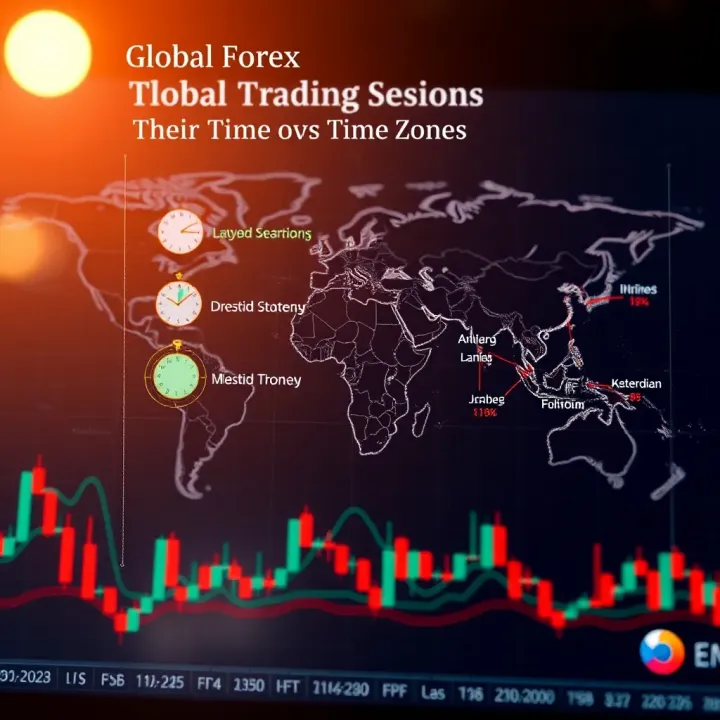
📈 Master Forex trading by understanding key sessions and their timing! Learn how global market hours affect volatility and improve your South African trades.
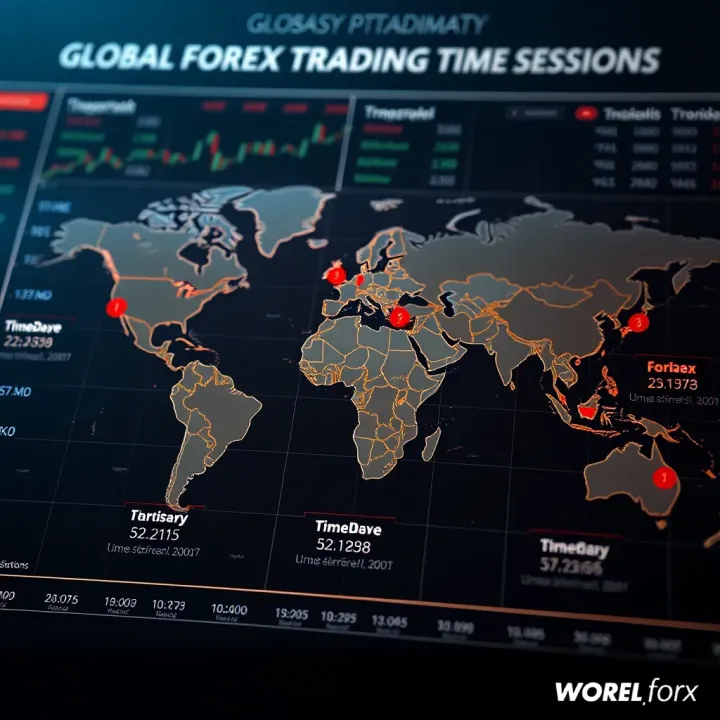
🌍 Understand how forex trading time zones impact your strategy, discover major sessions, overlaps, and the best times to trade for max volume & volatility!

📈 Discover key forex trading hours in South Africa ⏰ Learn how global sessions align with local time & get tips to trade smarter during peak periods.
Based on 6 reviews