
Forex Trading Hours and Market Impact Explained
🌍 Discover how forex trading hours shape market moves and the best times to trade for peak activity, liquidity, and volatility in the forex world.
Edited By
Ethan Wells
The forex trading calendar is more than just a list of dates; it’s a vital tool for anyone serious about navigating currency markets. It highlights scheduled economic events—like interest rate decisions, employment reports, and GDP releases—that shake up the forex space. Understanding when these events happen and how they tend to affect market activity helps traders anticipate volatility and spot trading opportunities.
Economic indicators from major economies such as the United States, European Union, China, and South Africa frequently cause waves in currency values. For example, when the South African Reserve Bank (SARB) adjusts the repo rate, the rand often responds sharply depending on the direction and the market's expectations. Similarly, US non-farm payrolls data routinely impact the US dollar, influencing flows across forex pairs.
Staying informed of the forex calendar means you’re not caught off guard by sudden market moves during these key releases.
The forex calendar lays out not only the timing but also the relative importance of events, often categorised by expected impact. Traders can then adjust their strategies—whether by reducing position sizes, setting wider stop losses, or avoiding trading altogether during highly volatile periods.
For South African traders, overlaying global market schedules with local events is crucial. Factors like Eskom’s public statements, GDP figures from Statistics South Africa, or mining sector updates can sway the rand, sometimes independently of global trends.
To effectively use the trading calendar:
Monitor the timing closely: Markets react within minutes, so precision matters.
Understand typical market responses: Trends often emerge based on whether data beats or misses expectations.
Prepare risk management tools: In volatile conditions, controlling exposure becomes vital.
Combine with technical analysis: This helps validate trade entries post-announcement.
In short, the forex trading calendar serves as a practical guide to help traders plan their moves around predictable periods of market turbulence. By factoring in both global and local economic events, South African traders can better read the market’s pulse and trade with greater confidence.
The forex trading calendar is a schedule of economic events that influence currency markets globally. Traders rely on it as a roadmap, highlighting when key reports, announcements and central bank decisions are due. Knowing these dates helps traders plan their moves, anticipate market reactions, and manage risk effectively instead of trading blind.
At its core, the forex trading calendar lists upcoming economic releases, like inflation statistics, employment data, GDP numbers, and interest rate decisions. These events impact currency values because they reveal the health of an economy or signal future policy changes. For instance, if the South African Reserve Bank (SARB) announces an unexpected interest rate hike, the rand (ZAR) may rally sharply. By tracking the calendar, traders position themselves ahead of such moments—choosing to be in or out of the market, or adjusting their stop-loss orders.
The primary purpose of the calendar is to keep traders informed about market-moving events in advance and the expected timing. It also categorises events by expected impact—high, medium or low—helping traders prioritise attention. This clarity avoids surprises and reduces emotional decision-making during volatile periods.
The forex market never sleeps; it operates 24/7 because it spans multiple time zones. The trading calendar helps make sense of this around-the-clock activity. For example, Asian markets react overnight to economic data from China or Japan, European markets catch up with European Central Bank announcements in the morning SAST, while US markets respond to Federal Reserve updates during their daytime hours.
For South African traders, this means being aware of when key events happen locally versus abroad. The calendar aligns these events in SAST, allowing traders to understand when market activity is likely to spike. For instance, a US nonfarm payrolls report released at 3:30 pm SAST can trigger volatility in relevant currency pairs like USD/ZAR or EUR/USD.
Staying ahead means knowing not just what the events are, but also when they happen relative to your trading hours—this timing guides your preparation and response.
In summary, the forex trading calendar is indispensable for anyone navigating currency markets. It ties economic indicators to timing and expected market moves across different regions, making complex global information digestible and ready for practical use. Whether you trade USD, EUR, or ZAR pairs, understanding this tool offers a tangible edge in anticipating market shifts.
Economic events drive the forex market like few other factors. Traders watch these events closely because they can trigger large price moves and create opportunities – or signal risks. Knowing when these key reports and announcements drop gives you a solid edge in timing trades, managing risk, or even stepping back from the market for a breather.
Central banks control the money supply and interest rates, so their statements have a big impact on currencies. When the South African Reserve Bank (SARB) changes the repo rate, for example, it directly affects the rand’s value. Higher rates usually strengthen the currency as investors seek better returns, while cuts might weaken it. Traders often see sharp moves around these announcements, so having the date marked on your calendar is vital.
But it isn’t just the rate change itself; the tone of the central bank governor and accompanying economic forecasts provide clues about future policy moves. For instance, a hawkish speech can push the rand higher, even if no rate change occurs.
Employment figures and GDP data offer a snapshot of economic health, influencing currency valuations. In South Africa, quarterly GDP releases and monthly employment updates like the Quarterly Labour Force Survey are closely watched. Strong employment growth suggests economic resilience, encouraging foreign investment and lifting the rand.
GDP growth rates reflect economic momentum, and any surprises can unleash volatility. If GDP contracts unexpectedly, traders may sell off the currency, anticipating future policy easing or capital outflows.
Inflation figures shape expectations about future interest rates. When inflation rises above the SARB’s target range (currently 3-6%), the bank may consider hiking rates to control price pressures. Likewise, subdued inflation might mean keeping rates low.
Consumer confidence indexes reflect public sentiment and spending behaviour. For example, a drop in consumer confidence during periods of sharp electricity tariff hikes or loadshedding often worries traders, as it signals weaker economic activity ahead. These indicators help traders gauge the risk appetite in the market.
SARB’s monetary policy meetings are scheduled every two months and are among the most keenly anticipated events on the forex calendar. Beyond the repo rate decision, SARB’s stance on inflation, employment, and economic growth influences the rand's short- to medium-term direction.
For traders, understanding SARB’s decision-making framework – including inflation targeting and economic forecasts – allows better anticipation of market reactions. For instance, the current focus on managing inflation amid global commodity price shifts makes SARB meetings especially relevant in 2024.
South Africa’s budget speech, delivered annually by the Minister of Finance, sets out fiscal policy, government spending, and taxation plans. Monetary policy and fiscal policy together drive investor sentiment, so these speeches often cause moves in the rand.
Unexpected tax hikes or concerns about the fiscal deficit can weigh on the currency, while commitments to reduce debt or stimulate growth tend to boost confidence. Traders should keep an eye on SARS’s budget timetable and fiscal updates to gauge medium-term trends.
Loadshedding, the scheduled power outages by Eskom, disrupts economic activity and investor confidence. While not a traditional economic report, frequent load shedding weighs heavily on the rand and market volatility, especially when Eskom announces changes or extensions to their load shedding schedule.
Traders often see spikes in rand volatility following serious load shedding announcements, as this affects industrial output, investor sentiment, and growth forecasts. Monitoring Eskom’s statements alongside economic events helps provide a fuller picture of potential risks.
Keeping track of these key economic events and their timings is essential for anyone serious about trading forex in South Africa or dealing with emerging market currencies. They offer practical clues on when to expect market movements and how to plan your trades accordingly.
Traders rely heavily on the forex trading calendar to make well-timed decisions in an ever-changing market. This calendar highlights upcoming economic events that tend to cause market swings, so knowing when these are due helps traders plan more effectively. Rather than flying blind, a trader using the calendar can anticipate busy periods and prepare for the volatility that typically follows.
Knowing the timing of key economic announcements is vital for picking the right moment to enter or exit trades. For instance, say the South African Reserve Bank (SARB) is set to announce interest rate changes. A cautious trader might hold off entering a position until after the announcement, to avoid getting caught in sudden price moves. Alternatively, some traders deliberately act just before or during these events to capitalise on volatility. Having the calendar at hand means you don’t miss the start of this critical window.
A practical example is the monthly US Non-Farm Payroll (NFP) report, which often rattles markets globally. With the event listed on your forex calendar, you can decide if it's a good moment to open a position or wait it out until the dust settles. Timing entry and exit properly can prevent unnecessary losses and lock in better profits.
Economic events can quickly increase market volatility, sometimes leading to sharp and unpredictable price swings. The forex calendar serves as an early warning system, letting you reduce your exposure before such periods. This might mean tightening stop-loss orders or lowering leverage ahead of a key announcement.
For instance, if Eskom announces sudden changes to loadshedding schedules, it can impact the rand and related market sentiment. Traders who adjust their risk exposure during these windows protect their capital from unexpected swings. Without this foresight, one could easily get caught on the wrong side of a volatile move.
Proper risk management around economic events can be the difference between preserving your capital and substantial losses.
Markets don’t stay the same after major economic data is released; trends can reverse, and momentum can shift. By tracking upcoming events using the forex calendar, traders can tweak their strategies accordingly. For example, a momentum-focused trader might sit out major inflation reports to avoid false breakouts, while a range trader could narrow profit targets.
Also worth noting is how local South African data—like SARS budget speeches or SARB monetary policy decisions—can suddenly shift regional trading patterns. Adjusting strategy to account for these helps keep you ahead of the pack, especially when global markets react differently.
In sum, the forex trading calendar is more than just dates and times. It’s a tool that helps traders plan entry and exit points, manage risk wisely during potentially wild spells, and fine-tune their strategies based on unfolding economic realities. For serious forex participants, ignoring the calendar would be like trying to navigate Mzansi roads without a map or a robot schedule—risky and unnecessarily tricky.
Access to accurate and timely forex trading calendars is essential for traders and analysts aiming to navigate volatile markets effectively. These calendars consolidate vital economic events and indicators that can sway currency prices, helping users align their strategies with real-world market movements. Knowing where to find reliable calendars and how to make the most of their features can make a tangible difference in trade planning and risk management.
MyBroadband offers specialised economic calendars tailored for South African traders, highlighting key domestic events alongside global releases. This focus on regional data is especially handy in tracking economic occurrences that affect the rand directly, such as South African Reserve Bank (SARB) announcements, budget speeches from the Treasury, and Eskom status updates. Since MyBroadband also provides relevant background articles, it’s an ideal starting point for traders who want concise, locally informed insights without trawling through global platforms.
What sets MyBroadband calendars apart is their integration with local market sentiment and often quicker updates on South African-specific events. For example, during Eskom’s loadshedding scheduling changes—all too familiar to traders and businesses—the calendar promptly notes potential market disruptions. This timely info helps traders avoid being caught off guard by sudden rand volatility.
Investing.com features a comprehensive worldwide forex calendar, presenting data releases, speeches, and central bank interventions from key economies such as the US, Eurozone, China, and Japan. The calendar allows filtering by currency and event impact, enabling traders to concentrate on what really matters to their portfolios. Its global focus benefits those monitoring pairs linked to the rand indirectly, like ZAR/USD or EUR/ZAR.
TradingView combines its charting tools with an event calendar, enabling users to view important economic releases right alongside price movements. This proximity allows for quick reactions and more informed trade entries or exits. Furthermore, TradingView users can customise alerts and discuss forthcoming events with the platform’s community — a powerful resource for sharing perspectives on upcoming market catalysts.
Both platforms offer mobile-ready versions and are popular internationally, making them reliable go-to sources for both novice and seasoned forex traders in South Africa.
For utmost accuracy and primary source information, the official websites of central banks are indispensable. The South African Reserve Bank, for instance, publishes dates for monetary policy meetings, minutes, and official statements promptly, without the delays or interpretations present in third-party platforms. Traders who check these sources gain unfiltered data, which is pivotal for decisions around pivotal interest rate changes and policy shifts.
This applies globally too: the US Federal Reserve, Bank of England, European Central Bank, and others maintain schedules and release statements in real time. Although these sites may lack some conveniences—like filtering or alerts—they provide clarity straight from the horse’s mouth.
Modern forex calendars often include alert systems, letting traders receive notifications ahead of crucial events. Setting alerts for South African events such as SARB policy meetings or SARS budget speeches ensures you won’t miss moments when the rand may experience sharp swings.
Alerts can be personalised by event type, time, or expected impact, helping traders focus on priority releases without trawling through daily schedules. That way, you can prepare your trades around confirmed, imminent developments rather than reacting late to market noise.
Using these sources and tools effectively equips you to anticipate market changes, manage risk, and optimise your trading strategy based on trustworthy, up-to-date information, especially in a market as dynamic as forex.
🌍 Discover how forex trading hours shape market moves and the best times to trade for peak activity, liquidity, and volatility in the forex world.
📅 Learn how the FX daily economic calendar guides forex traders in SA by highlighting key events and data for smarter, timely trading decisions.

🌍 Understand Forex trading sessions, their timing, and impact on market volatility. Learn the best times to trade in South Africa's forex market for smarter decisions 📈
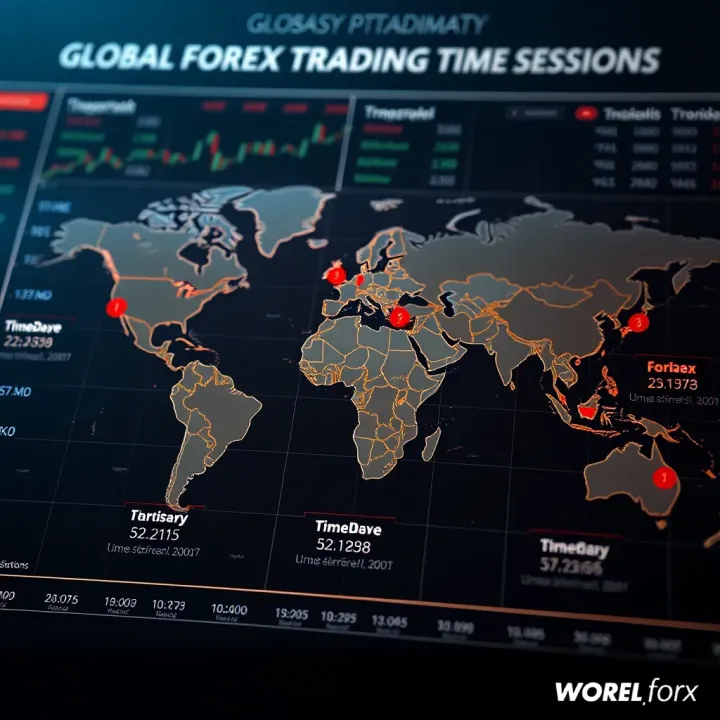
🌍 Understand how forex trading time zones impact your strategy, discover major sessions, overlaps, and the best times to trade for max volume & volatility!
Based on 14 reviews