

Forex Trading in Durban: A Local Guide
📈 Discover the essentials of forex trading in Durban. Learn how to pick brokers, manage risks, and understand SA’s regulations and economic factors.
Edited By
Henry Collins
Forex trading has grown well beyond manual chart analysis and gut instinct. Among the tools that traders increasingly turn to are Expert Advisors (EAs)—programmes that automate trading decisions on platforms like MetaTrader 4 or 5. These bots act according to predefined rules and strategies, executing trades faster and without the emotional swings humans often face.
For South African traders, EAs offer a tempting way to remain active in the volatile Forex market despite time constraints or inexperience. However, it’s not just about switching on an EA and watching profits flow. Understanding their operation, setup, and potential pitfalls is vital.
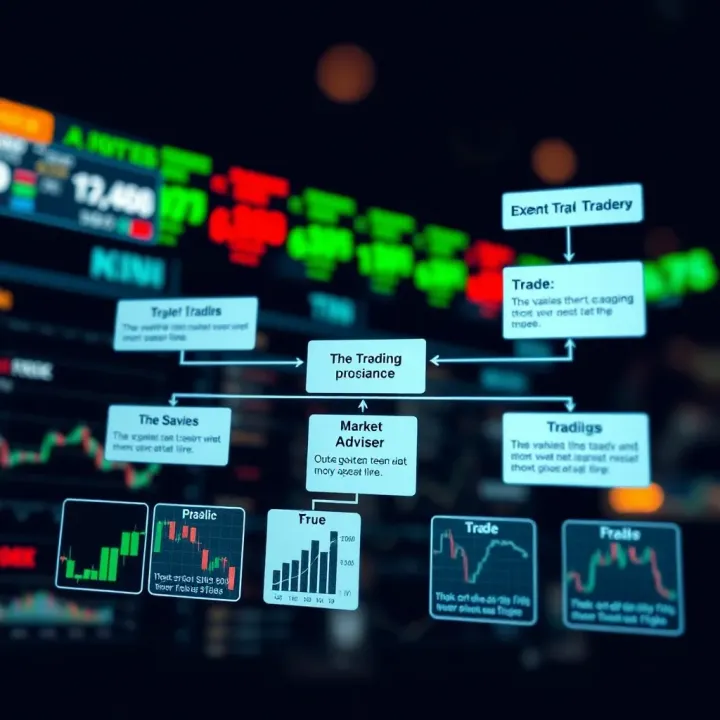
Expert Advisors are scripts coded to analyse market data and trigger buy or sell orders based on technical indicators, price action patterns, or other algorithmic strategies. They run continuously, checking price movements against their programmed logic.
For example, an EA might incorporate a moving average crossover strategy: it buys when a short-term moving average crosses above a long-term one and sells when the opposite occurs. Another EA could use RSI (Relative Strength Index) levels to detect overbought or oversold conditions.
EAs connect to your Forex broker’s platform, monitoring live price feeds. Once your set conditions are met, they send trade instructions instantly—often completing orders quicker than a manual trader. This speed can be beneficial during fast market moves.
To start using an EA, you install it on your trading platform, adjust parameters like lot size and risk limits, then enable automated trading. South African traders should ensure their broker supports EAs and complies with local regulations such as FICA (Financial Intelligence Centre Act).
Remember: while EAs can handle routine tasks efficiently, they’re only as good as their programming and risk settings.
Advantages: EAs eliminate emotional trading, work 24/7, backtest strategies on historical data, and can manage multiple currency pairs simultaneously.
Drawbacks: They depend on market conditions; past performance doesn’t guarantee future success. Technical glitches, poor risk management, and over-optimisation can lead to losses.
In South Africa, with factors like exchange rate swings and regional market hours, EAs can help maintain discipline but require regular monitoring.
Understanding these basics sets the stage for deeper insights into choosing, setting up, and effectively managing Forex Expert Advisors.
Expert Advisors (EAs) have become a staple tool for traders seeking automation in the volatile Forex market. They act as programmed assistants that execute trades based on predetermined rules, taking the emotion and guesswork out of trading decisions. For those who trade on platforms like MetaTrader, EAs offer a practical way to keep pace with markets, especially when you can’t watch screens around the clock.
At their core, EAs are computer programs designed to execute trades automatically without human intervention once they are set up. Instead of manually clicking ‘buy’ or ‘sell’, the EA follows its algorithmic instructions to open, modify, or close positions based on real-time market data. For example, an EA using a moving average crossover strategy will enter a trade when a fast-moving average crosses above a slow one, then exit when the opposite happens. This helps to avoid delays caused by human hesitation and ensures trades happen at precise signals.
MetaTrader 4 and 5 (MT4 and MT5) are the leading trading platforms where most Forex traders deploy EAs. The platforms provide an environment to write, test, and run these programs. Using MetaTrader’s language, MQL4 or MQL5, you can customise or buy EAs to suit particular strategies. The platform also offers tools for setting inputs, monitoring trades, and adjusting risk parameters on the fly. For South African traders running on brokers like FXTM, HotForex, or local regulated firms, this integration is key for smooth and reliable trading.
The heart of every EA is the algorithm, which dictates how the program reacts to market conditions. This includes criteria like technical indicators, price levels, and timing rules to trigger trade entries and exits. Traders can select EAs based on their preferred approach – whether it's trend following, scalping, or arbitrage. The algorithm needs to be clear and logical, avoiding ambiguous conditions that might cause erratic trading behaviour. For instance, an algorithm that uses RSI below 30 for buy signals and above 70 for sell signals is straightforward and actionable.
No EA should run wild without safeguards. Risk controls such as stop-loss placement, trailing stops, position sizing, and maximum drawdown limits are standard parts of a capable EA. These tools prevent small bad trades from wiping out an entire account. Consider an EA that automatically cuts losses at 1% per trade and scales down position size after consecutive losses; this kind of built-in prudence protects the trader’s capital against unforeseen market shocks.
Before putting real money on the table, backtesting against historical data is vital. This lets traders see how an EA would have performed across different market cycles, spotting weak points or excessive risk. MetaTrader’s strategy tester is widely used for this purpose. Plus, optimisation allows fine-tuning parameters – say, adjusting moving average lengths or stop-loss distances – to improve outcomes. However, one must avoid over-optimising since an EA too tailored to past data might fail badly in future conditions, a problem known as curve-fitting.
Using an EA efficiently means understanding not just what it does, but how it operates under the hood. The combination of automation, smart strategy coding, and risk controls gives traders a tool that can run steadily — freeing them from the need to stare at charts 24/7.
These foundational elements outlined here build the framework for selecting, setting up, and managing EAs, especially for traders in South Africa navigating their local market nuances and regulations.
Forex Expert Advisors (EAs) often rely on well-established strategies to automate trades efficiently. Understanding these strategies can help you choose or customise an EA that matches your trading style and goals. Each approach tackles market movements differently and carries distinct advantages and risks.

Identifying trends automatically is a core strength of many EAs. These programmes scan for price patterns indicating an ongoing market direction—up, down, or sideways—without needing manual input. For instance, they might use moving averages to determine if the price is consistently above or below a certain level, signalling a trend. This allows the EA to act on opportunities quickly, especially in volatile Forex markets where waiting too long can mean losing out.
Setting entry and exit points based on momentum helps lock in profits and limit losses. An EA designed for trend following might enter a trade once a strong trend confirmation appears and set a trailing stop-loss to adjust automatically as the price moves favourably. This reduces emotional interference and maintains discipline in trading decisions. For example, if an EA spots the USD/ZAR pair gaining momentum, it can enter early and exit before market reversal, automating a process many traders struggle with.
How grid trading functions in EAs involves placing multiple buy and sell orders at set intervals above and below the current price. The aim is to profit from market fluctuations without needing to predict direction. EAs using the grid approach benefit from ranging or sideways markets by catching small reversals repeatedly. However, this method requires careful management, as losses can pile up if markets trend strongly against open positions.
Using scalping strategies with EAs focuses on capturing tiny price movements over very short periods. Scalping EAs execute dozens or even hundreds of trades daily, each targeting minimal profit margins. This suits traders wanting frequent, small wins rather than waiting for long-term trends. In South Africa, where spreads can be tight but volatility high during certain sessions, a scalping EA may be practical. Still, it demands a stable and fast execution environment to avoid slippage or missed opportunities.
Managing risk with hedging means opening counteracting positions to protect against adverse price moves. Some EAs automate this by detecting unfavourable trends and launching opposite trades to limit exposure. For example, an EA might buy EUR/USD while simultaneously selling a correlated pair to offset potential losses. Hedging is valuable in uncertain markets but can reduce overall profitability if not timed well.
Exploiting price differentials through arbitrage involves capitalising on brief price gaps between different brokers or currency pairs. EAs designed for arbitrage monitor multiple platforms and instantly trade to gain from discrepancies before they close. Although arbitrage opportunities are rare and short-lived, automated systems offer the speed necessary to make this approach viable. Nonetheless, South African traders should consider broker fees, latency, and regulatory limits that could affect arbitrage effectiveness.
Popular EA strategies each bring unique tools to automated Forex trading. Matching these techniques to your objectives and market conditions improves the chance of consistent success without micromanaging every trade.
Setting up and managing a Forex trading Expert Advisor (EA) is a crucial step for any trader aiming to automate their trades effectively. This process ensures that the EA operates in line with your trading goals, risk appetite, and market conditions. Proper management prevents common pitfalls such as excessive losses or missed opportunities, making your automated trading venture more reliable.
Before settling on a particular EA, it’s vital to dig into its track record. Genuine performance records reveal how it has handled various market conditions over time, including volatile phases and quieter periods. Look for verified results on reputable platforms or trading journals rather than empty promises. For example, a Momentum-based EA that backtested well during trending markets might falter during range-bound phases. Understanding its historical success and drawdowns provides a clear picture of what to expect.
An EA’s strategy must align with your risk comfort and financial aims. If you prefer steady, conservative growth, an aggressive scalping EA might keep you awake at night. Conversely, if you’re chasing higher returns and willing to handle larger drawdowns, a more aggressive grid or hedging EA could be fitting. Setting this match early helps avoid unnecessary stress and prevents mismanaging your capital.
Installing an EA on your MetaTrader 4 or 5 platform is generally straightforward but requires attention to detail. You’ll need to place the EA file in the correct folder (usually the Experts folder) and activate it within the platform’s Navigator pane. Missteps here can mean errors or the EA simply won’t run, so following precise instructions from the vendor or trusted tutorials is key.
After installation, configuration is necessary to tailor the EA settings—such as lot size, stop-loss limits, take-profit points, and timeframes—to your specific needs. Testing these changes via a demo account or backtesting tool helps you gauge how the EA responds before risking real money. For example, adjusting the stop-loss parameter might reduce drawdown but also limit profit potential, so finding the right balance takes patience and iterative tweaks.
Automation doesn’t mean you can “set and forget”. Keep an eye on your EA’s trades and overall performance regularly. This includes reviewing profit and loss, frequency of trades, and how it reacts to market news or unexpected volatility. Issues such as lagging signals or persistent losses might prompt a timely pause or parameter adjustment.
Regular monitoring helps catch problems early, preventing small issues from snowballing into costly losses.
Markets evolve, and so should your EA. For instance, if sudden volatility spikes due to political shifts or an Eskom loadshedding stage change affect liquidity, your EA parameters may need adjustment. Maybe it’s about tightening stop losses or reducing trade size temporarily. Such fine-tuning keeps your automated strategy relevant, improving its chances of steady performance.
Proper setup and ongoing management of your Forex trading EA bring you closer to reliable automation, blending technical efficiency with sound risk control adapted to the South African trading environment.
Using Forex trading Expert Advisors (EAs) might seem like a neat shortcut to profit, but it comes with its own share of risks and constraints. Knowing these helps traders develop realistic expectations and avoid costly surprises. Whether you're an analyst or active trader, recognising technical snags, market quirks, and vendor issues is essential for keeping your trading on the right track.
Slippage and server downtime can seriously affect your EA's performance. Slippage occurs when trades execute at prices less favourable than expected, often during volatile market conditions or low liquidity. For example, an EA programmed to enter at 1.5200 might end up buying at 1.5210 if the price moves quickly, eating into potential gains. Server downtime at your broker or hosting platform could stop your EA from running altogether, missing trading opportunities or leaving open positions unmanaged.
Connectivity and execution delays tie into technical risks but deserve separate mention. A shaky internet connection or slow execution speeds can lead to delayed order placement or missed signals. If your EA depends on quick reactions, even a few seconds’ lag might cause it to enter or exit trades too late. In South Africa, intermittent broadband can sometimes cause hiccups, especially during peak times or loadshedding, so ensure your setup is reliable to minimise these delays.
The danger of curve-fitting lies in tailoring an EA too closely to past data. While backtesting is crucial, over-optimising parameters for historical trends can make the EA perform brilliantly in tests but poorly live due to real-world variations. Imagine an EA that works well on EUR/USD data from 2019 but tanks in current market conditions; it’s like learning to drive perfectly on a quiet road but struggling in heavy city traffic.
Responding to volatile or unexpected market conditions remains a challenge for most EAs. Sudden geopolitical events or economic shocks can cause drastic price swings which no algorithm can fully predict. For instance, an EA might keep entering trades during wild price gaps, stacking losses. Manual intervention or safeguards like stop-losses and time-based trading limits help manage these risks.
Avoiding scams and unreliable products is a must. The market has plenty of fly-by-night vendors selling ‘miracle’ EAs promising huge returns with no risk. In South Africa, this is especially relevant given the unregulated platforms and informal groups where such products circulate. Traders should remain sceptical of impossible claims and seek trustworthy sources.
Verifying vendor credibility and community feedback can help separate the wheat from the chaff. Look for vendors with transparent track records, realistic performance records, and active user communities. Forums and review sites like MyBroadband's trading sections provide valuable user experiences. Always test any new EA on a demo account before committing real money.
Keeping these risks in mind ensures you approach Forex EAs as tools—not magic bullets. Responsible use, ongoing monitoring, and solid research are your best allies in navigating automated Forex trading successfully.
Navigating the world of Forex Expert Advisors (EAs) requires a solid grounding in best practices, especially for South African traders who face unique regulatory and market conditions. These best practices help protect your capital, ensure compliance with local laws, and sharpen your trading edge through ongoing learning and assessment.
South African traders must comply with the Financial Intelligence Centre Act (FICA), which aims to prevent money laundering and fraud. This means any Forex account setup requires proper identification and proof of residence. Brokers will typically require these documents before allowing you to trade with EAs. Meanwhile, the Financial Sector Conduct Authority (FSCA) oversees broker conduct to protect traders, ensuring brokers are authorised and abide by strict rules.
Being mindful of FICA and FSCA regulations shields you from scams and helps maintain a transparent market environment. For instance, many brokers require RICA (Regulation of Interception of Communications and Provision of Communication-Related Information Act) compliance for account verification, further tightening security.
Not all Forex brokers operating in South Africa permit automated trading via EAs. It's wise to choose brokers authorised by the FSCA that explicitly support the use of EAs on popular platforms like MetaTrader 4 or 5. Doing so reduces risks like unfair trade execution or withdrawal issues.
A broker’s track record matters — pick those referencing client fund protection, low latency servers, and clear terms on slippage and order execution. For example, respected local brokers often provide demo accounts for testing your EA under South African market conditions before risking real capital.
No EA guarantees profits; even the best experience losing streaks. Set clear, achievable goals and recognise that automated trading involves highs and lows. Overestimating returns can exhaust your capital and morale quickly.
For example, instead of expecting double your account in a month, aim for steady growth of a few percentage points monthly. This mindset helps you stay in the game longer, tweaking strategies based on real results rather than unreal hopes.
Beneath every tried EA lies solid risk management. Using stop-loss settings within your EA stops runaway losses during sudden market swings—like during an unexpected RBI or SARB interest rate announcement.
Besides stop-losses, avoid putting all your capital on a single trade or currency pair. Spreading risk across several instruments and limiting trade size safeguards your account from heavy damage in volatile Forex markets.
Protecting your capital is smarter than chasing quick wins. Proper risk controls keep you in the game longer.
The Forex market is influenced by global economic shifts and local events, including Eskom’s load shedding or South Africa’s currency fluctuations. Staying informed lets you adjust or pause your EA runs during choppy times, preventing avoidable losses.
Following trusted financial news, SARB announcements, and economic calendars tailored to South African traders ensures your automated strategies respond well to actual market behaviour rather than outdated data.
Periodic reviews of your EA’s performance help spot weaknesses or overfitting issues. Analyse trade histories, drawdowns, and consistency rather than just wins. Small tweaks in parameters may improve long-term returns.
If your EA repeatedly underperforms or fails under specific market conditions common in rand pairs, reconsider its use. Switching or customising your EA should be a calculated, informed choice, not a rash reaction to short-term losses.
In summary, successful EA trading involves local regulatory awareness, cautious risk management, and ongoing learning. South African traders who follow these best practices stand a better chance at making EAs work for them without falling prey to avoidable pitfalls.
📈 Discover the essentials of forex trading in Durban. Learn how to pick brokers, manage risks, and understand SA’s regulations and economic factors.

🤖 Learn how to pick the right forex trading robot for your style. Explore tips to evaluate and use automated bots to improve trading outcomes and control risk.
Explore forex trading in Canada 🇨🇦: how it works, trusted platforms, taxation, risks, and strategies tailored for Canadian traders to trade smart and safe.

Discover how to use forex trading signals effectively 📈 Learn to evaluate providers and key factors for smarter trades in South Africa and beyond 🌍
Based on 5 reviews