
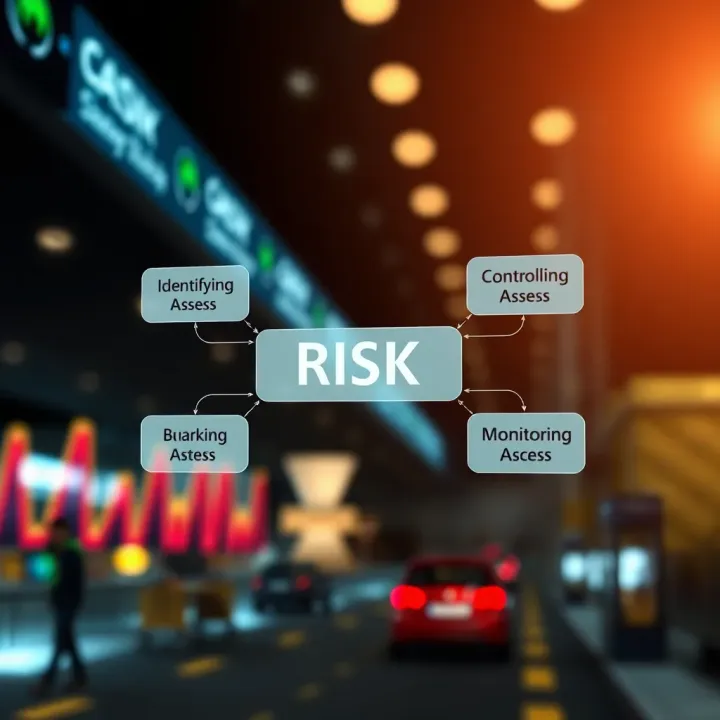
Key Functions of Risk Management Explained
📊 Explore the core functions of risk management—identify, assess, control, monitor—to protect your business and aid smarter decisions in South Africa.
Edited By
Liam Foster
Cape Town faces a unique set of disaster risks stemming from its geography, climate, and urban growth. The city’s position along the south-western coast of South Africa exposes it to hazards like seasonal floods, wildfires, and droughts, all of which threaten infrastructure, economic stability, and communities.
Disaster risk management (DRM) in Cape Town involves coordinated efforts among municipal authorities, emergency services, industries, and residents. The approach centres on reducing vulnerabilities through early warning systems, stringent building codes, and community engagement. For instance, after the severe fires in the Hout Bay area in 2017, local government revised its preparedness protocols, highlighting the need for better collaboration between fire services and community leaders.
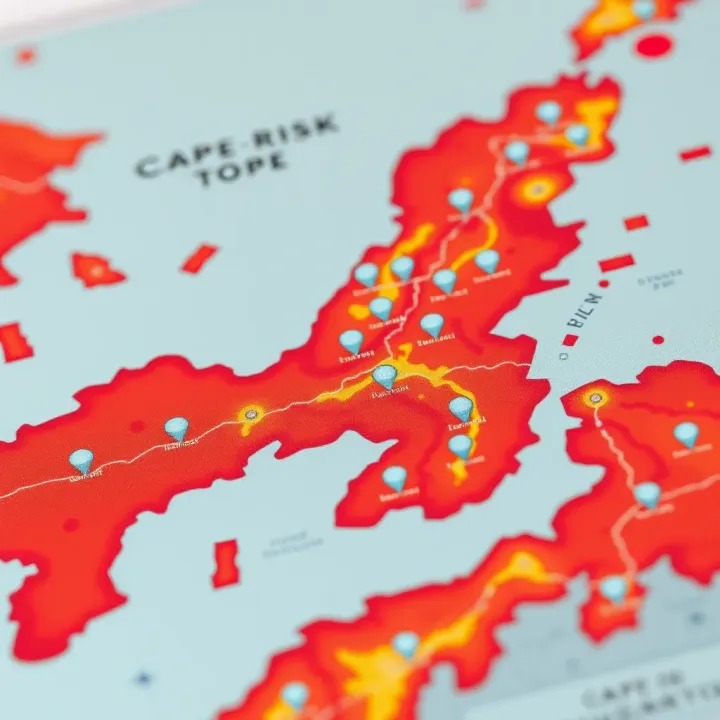
The economic implications of poor disaster management are significant, impacting sectors like tourism, real estate, and manufacturing. Traders and financial analysts should note the ripple effects disasters cause on market confidence and supply chains. The drought crisis between 2015 and 2018, for example, forced agricultural production down sharply, pushing commodity prices up and creating volatility in related financial sectors.
Key challenges in Cape Town’s DRM include rapid urbanisation in informal settlements with limited access to services, and the unpredictability of climate patterns exacerbated by global warming. Municipal services struggle to deliver timely information during loadshedding or flood events, which complicates emergency response efforts. Furthermore, resource constraints limit investments in long-term infrastructural resilience.
Effective disaster risk management is more than emergency response; it’s about integrating risk reduction in everyday planning and development.
For investors and brokers, understanding Cape Town’s DRM landscape helps gauge risks associated with property markets and infrastructure projects. Awareness of ongoing strategies, like the city’s push to improve water management and firebreak measures, offers valuable insight into which areas might present lower hazard exposure.
To break it down:
Identifying hazards: floods, fires, droughts primarily affect different suburbs and economic zones.
Engaging communities: educating informal settlements on fire safety and evacuation plans.
Building resilience: investing in infrastructure upgrades and alternative water sources.
Collaboration: between local government, private sector, and NGOs.
The road ahead depends on balancing urgent disaster response with robust, forward-looking strategies that adapt to Cape Town’s changing risk profile. Investors attuned to these dynamics can better manage financial exposure and capitalise on opportunities within a climate-challenged environment.
Understanding the specific disaster risks facing Cape Town is foundational for effective risk management and informed decision-making, especially for investors and analysts monitoring regional stability. Knowledge of these risks allows stakeholders to anticipate economic impacts, plan for potential disruptions, and evaluate the resilience of assets in sensitive areas.
Comprehending Cape Town’s hazards also guides strategic investment, as properties and businesses located in high-risk zones may face increased insurance costs or operational challenges during crises. For example, infrastructure vulnerable to floods or fires can lead to costly maintenance or interruption in services, which directly affects market sentiments and asset valuation.
Cape Town’s Mediterranean climate makes it prone to severe droughts, as seen during the 2015–2018 water crisis. The scarcity of water impacted not only households but also agricultural production and industries reliant on water. Businesses and investors need to consider water dependency in their risk assessments and support conservation initiatives to ensure continuity.
The surrounding fynbos vegetation is highly susceptible to wildfires, particularly in dry, windy seasons. The 2017 fires that destroyed parts of Table Mountain National Park highlighted the vulnerability of both natural reserves and adjacent residential areas. Wildfires can disrupt tourism, damage infrastructure, and increase firefighting costs, affecting local economies and investor confidence.
While Cape Town doesn’t experience tropical cyclones, intense winter rains sometimes cause flooding in low-lying urban areas. Poorly managed stormwater systems exacerbate these risks, leading to damage in informal settlements and business districts alike. Flooding can trigger service outages and transport disruption, factors that investors should factor into risk profiles.
Cape Town lies in a region with low seismic activity, but minor earthquakes have been recorded. While the risk is not as pronounced as in other parts of South Africa, scenarios involving stronger tremors require ongoing monitoring. Investors in heavy infrastructure or property sectors should remain cognisant of this hazard, albeit with lesser priority.
Numerous informal settlements in Cape Town lack robust infrastructure and access to essential services, making them highly vulnerable during disasters. The absence of reliable drainage, electricity, or safe shelter means floods or fires disproportionately affect these communities. This has wider economic implications since social instability and service disruptions often ripple into broader urban areas.
High population density in certain city zones places additional strain on municipal service delivery and emergency response capacity. Overcrowded areas amplify the speed and severity of disaster impacts, particularly in health and sanitation services. These conditions raise concerns for planners and investors about the sustainability and resilience of urban growth.
Disaster impacts often intensify existing economic divides. Wealthier suburbs tend to have better protection and faster recovery capabilities, while poorer communities face longer disruptions and less access to aid. These disparities affect social cohesion and economic performance, factors that must be factored into comprehensive risk analyses.
Recognising these disaster risks and vulnerabilities arms stakeholders with practical insights for safeguarding investments and supporting sustainable development in Cape Town’s dynamic environment.
A solid legal and institutional framework underpins effective disaster risk management in Cape Town. It defines roles, responsibilities, and powers for authorities, ensuring coordinated and timely responses during crises. For investors and businesses, understanding these frameworks is vital; it helps assess risk exposure and the reliability of local governance in safeguarding assets.
Disaster Management Act No. 57 of 2002 sets the foundation for South Africa’s disaster policies. This law mandates all municipalities, including Cape Town, to prepare disaster management plans, focusing on risk reduction, emergency preparedness, and swift response coordination. For example, the Act requires identifying potential hazards and vulnerable areas, enabling the City to allocate resources effectively before disasters strike, reducing economic disruption.

This Act also establishes the National Disaster Management Centre to oversee implementation and coordinate support across sectors and regions. Businesses can reference this legislation to gauge compliance standards expected from the City during disasters, which affects continuity planning and risk management frameworks.
The Western Cape Disaster Risk Management Centre complements national laws by adapting policies to provincial needs. It provides technical support to Cape Town and surrounding municipalities, particularly for fire hazard mapping and flood risk modelling. Their work is critical during times of heightened wildfire and storm risks linked to climatic shifts south of the Orange River.
The Centre’s monitoring also informs early warnings and resource deployment, offering businesses lead time to adjust operations whenever adverse weather or environmental threats loom. Their data feeds into provincial strategies that balance development goals with risk exposure.
At the municipal level, the Disaster Management Unit is the operational heart of Cape Town’s response system. It develops and updates the City’s disaster management plans, co-ordinates risk assessments, and trains local officials on emergency protocols. This Unit also runs simulations and stakeholder engagement sessions, which help firms and investors understand potential disruptions and recovery paths.
Moreover, the Unit liaises closely with the City’s sectors such as water, transport, and energy to ensure infrastructure resilience aligns with disaster risk profiles. Their proactive approach has influenced investments in stormwater control measures and fire mitigation infrastructure within urban and peri-urban zones.
Coordination with Emergency Services amplifies Cape Town’s disaster readiness. The Disaster Management Unit works side by side with the Fire and Rescue Service, Metro Police, and Health Emergency teams through integrated command centres. This collaboration guarantees rapid mobilisation and resource sharing during emergencies, which can prevent escalating damage and economic losses.
For investors, this coordination means that critical services remain as uninterrupted as possible during shocks. It also indicates that contingency plans are not just theoretical but backed by functional, cross-departmental mechanisms.
A clear legal framework paired with robust institutional structures is what turns disaster plans from paper commitments into practical safeguards for Cape Town’s economy and communities.
Together, these frameworks signal to investors that risk is being managed at multiple levels, reducing uncertainty associated with disasters in the region.
Disaster risk reduction and preparedness are at the heart of Cape Town's strategy to lessen the impact of natural hazards. These measures help the city anticipate threats and act before they escalate, safeguarding lives, infrastructure, and investments. For traders, investors, and financial analysts, understanding these efforts is key to assessing vulnerability and resilience in the local market.
Weather Forecasting and Alerts play a vital role in providing Cape Town with timely information about approaching storms, heatwaves, or fire-prone conditions. The South African Weather Service (SAWS) works closely with the city to monitor weather patterns and issue alerts that help emergency services and businesses prepare in advance. For example, advanced warnings that predict high wind conditions during the dry season enable fire departments to mobilise resources quickly and traders to adjust operations, preserving assets and reducing potential losses.
Community Awareness Programmes complement technological monitoring by empowering residents across Cape Town with knowledge about risks and safety protocols. Local government supports programmes that reach informal settlements and suburbs alike, educating people on how to react during floods or fires. Practical workshops and neighbourhood disaster committees strengthen community resilience, ensuring that information filters down and that local teams know how to respond effectively without waiting for external help.
Firebreaks and Vegetation Control have become essential tools in reducing wildfire hazards around the city’s fringes. Maintaining cleared strips of land, or firebreaks, around vulnerable areas limits flame spread, especially during peak fire seasons. Regular clearing and controlled burns reduce excess vegetation buildup, a common fuel source for devastating fires like those in 2017. For investors, better-managed fire risk translates to lower insurance premiums and less disruption.
Stormwater Management addresses flooding risks by improving drainage systems and preventing water accumulation in urban and informal areas. Cape Town’s infrastructure upgrades include larger culverts and improved stormwater retention, reducing damage during heavy rains. This is critical in densely populated areas where blocked drains can lead to property damage and road closures, affecting businesses and trade flow.
Water Conservation Efforts remain crucial given Cape Town’s history with the 2018 Day Zero crisis. Measures such as promoting water-wise gardening, installing smart meters, and incentivising reduced consumption help stretch limited water resources. Companies and residents who adopt these practices contribute to citywide resilience and reduce the severity of future drought-induced restrictions, which might on their own impact production or services.
In short, these key initiatives fortify Cape Town against disasters that could otherwise cause severe economic shocks and social disruption. For stakeholders, staying informed and involved in these measures helps mitigate risk and supports sustainable operations in a city prone to environmental challenges.
Effective disaster risk management in Cape Town hinges on active community engagement and capacity building. These elements serve as the backbone for resilience, enabling communities to respond promptly and competently when disaster strikes. Instead of leaving disaster response solely to official agencies, empowering local people helps reduce response times, limits damage, and fosters a culture of preparedness.
Schools play a vital role in grounding disaster awareness from an early age. Practical programmes tailored for learners educate them on the nature of local hazards such as drought and wildfires. For example, interactive sessions in Western Cape schools highlight water conservation during times of scarcity, teaching children how to identify fire risks and practice basic safety drills. These initiatives not only build knowledge but ripple out to households as learners share information with their families.
Beyond pupils, schools often invite emergency service personnel for demonstrations, reinforcing the importance of readiness among both students and staff. This approach ensures the next generation is not caught flat-footed and also boosts community preparedness over time.
Community-driven structures like neighbourhood disaster committees are vital in bridging the gap between residents and formal disaster management agencies. These committees organise local drills, monitor risks, and provide early warnings in case of emergencies. In Cape Town's informal settlements, where standard infrastructure is lacking, committee members often serve as the first point of contact during fires or floods.
These committees also help identify the most vulnerable residents and coordinate support swiftly. Their local knowledge helps authorities tailor responses, making interventions more effective.
Training ordinary citizens as first responders significantly strengthens Cape Town’s disaster readiness. Courses teach basic first aid, fire fight techniques, and evacuation procedures, equipping volunteers to act quickly during emergencies before professionals arrive. For instance, volunteers trained in Table Mountain communities regularly assist during wildfire outbreaks, providing initial containment and helping with casualty care.
This grassroots capability reduces pressure on emergency services, especially during large-scale events when municipal resources are stretched thin.
These teams represent an organised cadre of local volunteers who receive specialised disaster management training. Beyond first response, they assist in risk assessments and recovery efforts. In areas prone to flooding, such teams maintain early warning systems and help distribute relief supplies post-disaster.
Their presence enhances community confidence and encourages a proactive stance towards disaster risks rather than a reactive one.
Building community resilience through education and hands-on training is key to Cape Town’s strategy for mitigating disaster impacts. Empowered communities not only respond better but also contribute meaningfully to prevention and recovery efforts.
By integrating these community engagement and capacity building initiatives, Cape Town bolsters its ability to face natural hazards with a united front and practical readiness.
Examining recent disasters in Cape Town reveals critical insights for disaster risk management. These experiences highlight existing weaknesses in response systems and expose vulnerabilities in communities and infrastructure. Grasping these challenges aids traders, investors, and analysts in anticipating risks that may affect markets, property values, and regional economic stability.
Response Coordination
The 2017 wildfires exposed the complexity of coordinating multiple emergency services under extreme pressure. Firefighters, police, and municipal disaster units faced challenges such as communication breakdowns and resource shortages. For investors, understanding these coordination gaps is vital when assessing the operational resilience of affected sectors like insurance or property development.
Impact on Communities and Environment
The fires affected residential areas in Hout Bay and Kommetjie, destroying over 100 homes and degrading valuable fynbos vegetation. This devastation not only displaced families but also disrupted local economies and tourism. The environmental damage contributed to soil erosion, potentially raising flood risks in the following rainy seasons – a direct concern for property stakeholders and infrastructure planners.
Recovery Efforts
Post-fire recovery involved clearing debris, restoring utilities, and providing temporary housing. Yet, delays and funding shortages hindered swift rehabilitation. For financial analysts, this underlines the importance of disaster resilience in project timelines and cost assessments, especially when considering redevelopment or insurance claims in fire-prone zones.
Demand Management Strategies
To curb water demand in 2018–19, the City introduced strict restrictions including daily water limits per household and penalties for wastage. This showcased how enforced behavioural change can mitigate an acute resource crisis. Traders and investors in sectors dependent on water, such as agriculture or manufacturing, should analyse such strategies to gauge operational risks.
Role of Government and Utilities
Government institutions and water utilities like Rand Water played a crucial role in maintaining supply and infrastructure upgrades. Their transparent communication and contingency planning during Day Zero helped stabilise the situation. This underlines the significance of institutional capacity and governance in disaster management, influencing investor confidence.
Community Adaptation
Communities adapted rapidly by installing water-saving devices, harvesting rainwater, and shifting consumption habits. The crisis also spurred innovation in water technologies and services. From a market perspective, this behavioural shift signals opportunities in sustainable products and highlights societal resilience, factors key to long-term economic forecasting.
Learning from Cape Town’s recent disasters is essential: they expose fault lines in preparedness and response, but also reveal strengths in community adaptation and institutional efforts. Such lessons are practical touchpoints for evaluating investment, insurance, and development risks in the region.
Planning ahead for disaster resilience in Cape Town means recognising the city's specific risks and adapting strategies accordingly. With ongoing climate shifts and urban growth, it’s necessary to keep evolving disaster management tactics to protect lives, infrastructure, and economic stability — all crucial for investors and businesses looking for certainty in a volatile environment.
Refreshing risk assessments regularly ensures that decision-makers have up-to-date information. Changing rainfall patterns, warming temperatures, and shifts in wind conditions can alter Cape Town’s exposure to hazards like drought or wildfires. For instance, the 2017 wildfires caught many off guard partly because traditional risk maps did not fully account for prolonged dry spells and invasive alien vegetation that fuelled fires.
Revisiting risk assessments means using current climate data and projecting future scenarios to identify areas where vulnerabilities have changed. This helps in directing investments toward the most at-risk zones, be it upgrading stormwater systems in flood-prone suburbs like Khayelitsha or improving water resilience measures in semi-arid urban edges.
Cape Town’s expansion presents both challenges and chances for disaster risk reduction through thoughtful urban planning. Planning that integrates green spaces, buffer zones along flood plains, and building codes reflective of fire risk can lower exposure and improve community resilience. Practical examples include the City’s efforts to enforce firebreaks around residential areas bordering the Table Mountain National Park.
On the development side, encouraging mixed-use zones rather than high-density informal settlements reduces strain on infrastructure and emergency services. Sustainable designs also incorporate water-wise landscaping and stormwater harvesting, vital given the city’s ongoing water challenges. For investors, supporting such urban plans means backing assets that are less vulnerable and more sustainable long-term.
Joint efforts between government entities and private companies can deliver practical resilience solutions faster. Examples might be telecom firms enhancing mobile alert systems during disasters or property developers partnering with emergency services to build fire-resistant estates. These partnerships also spread the cost and responsibility of preparedness, easing pressure on municipal budgets.
For Cape Town, public-private partnerships have the potential to improve infrastructure such as resilient energy supply (solar installations, microgrids) that can keep businesses running during loadshedding or after floods. Investors benefit when risk management extends beyond compliance to actual operational continuity, reducing downtime and losses.
Universities and research centres in Cape Town offer valuable insights grounded in local realities. Their studies on climate trends, urban risk profiles, and socio-economic vulnerabilities enrich disaster risk policies with evidence-based recommendations.
Ongoing collaboration with research institutions can improve early warning systems, disaster modelling, and community engagement strategies. For example, Cape Town’s latest climate resilience models incorporate findings from local science hubs to refine scenario planning. Investors and analysts should watch how this knowledge translates into practical protocols, ensuring more informed risk assessment and opportunity identification.
Fostering a future-ready Cape Town requires adaptive strategies, strong partnerships, and ongoing research — essential for securing stability in an unpredictable risk environment.
By keeping an eye on these future directions, stakeholders can better manage risk exposure and contribute to the city's disaster resilience in ways that support sustainable growth and community wellbeing.
📊 Explore the core functions of risk management—identify, assess, control, monitor—to protect your business and aid smarter decisions in South Africa.
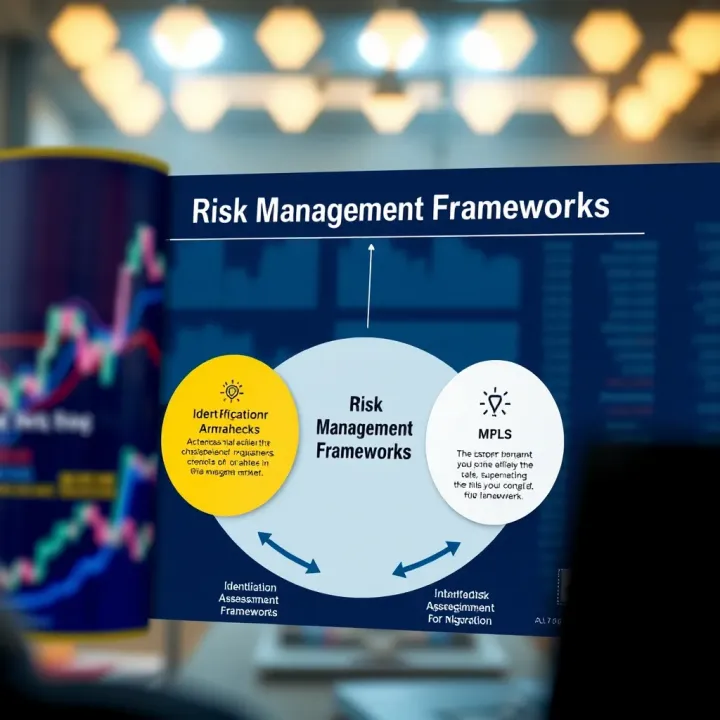
Explore effective risk management frameworks 📊 that help organisations in South Africa navigate challenges and boost decision-making with practical insights.

🔍 Learn how risk management helps businesses protect goals and assets. Explore key steps, challenges, and top methods for handling risks effectively.

📊 Learn how effective risk management protects your business by identifying, assessing, and controlling risks for safer, smarter decisions in SA markets.
Based on 9 reviews