
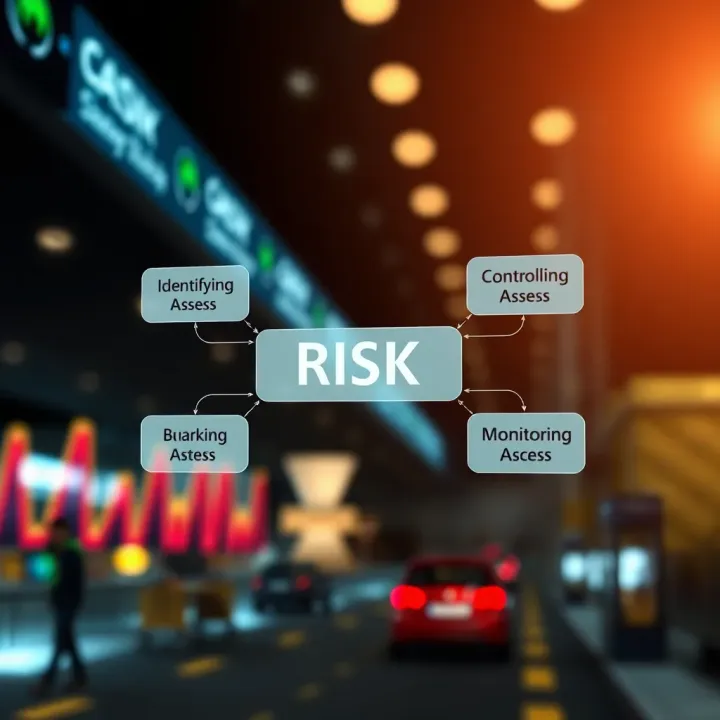
Key Functions of Risk Management Explained
📊 Explore the core functions of risk management—identify, assess, control, monitor—to protect your business and aid smarter decisions in South Africa.
Edited By
Isabella Turner
The Diploma in Security and Risk Management equips you with the skills to handle security threats and manage risks effectively across South Africa's diverse economic sectors. This qualification is practical, designed for those keen to understand how to protect assets, information, and people in businesses from theft, fraud, cyber threats, or physical harm.
Security and risk management is no longer just about guards and patrols. It spans areas like cybersecurity, regulatory compliance, crisis response, and strategic risk analysis. For example, a financial services firm in Johannesburg might hire a graduate to identify vulnerabilities in their digital infrastructure, while a mining company near Rustenburg may need someone to assess operational risks and ensure compliance with safety legislation.

This diploma blends theory with real-world applications, covering risk assessment tools, security policies, legal frameworks, and incident management skills.
Identification and analysis of different security risks, from fraud to cybercrime
Development and implementation of risk management strategies
Introduction to South African laws and regulations affecting security
Awareness of ethical standards and corporate governance
Skills in emergency planning, investigation, and reporting
Holding this diploma opens doors in both the public and private sectors. Prospective workplaces include:
Security firms and consultancies
Financial institutions like banks and insurance companies
Government departments focused on safety and homeland security
Large corporates needing risk officers or compliance managers
IT firms specialising in cybersecurity
Employers value this diploma for its focus on practical skills that improve business resilience. In an economy often challenged by crime and operational disruptions, having a trained professional overseeing security can save significant costs.
The diploma also serves as a stepping stone for further studies, such as a Bachelor’s degree in Security Management, or specific certifications in areas like cybersecurity or fraud prevention. Given South Africa’s unique social and economic environment, this qualification prepares you to meet local challenges with relevant knowledge and hands-on skills.
Overall, the Diploma in Security and Risk Management blends essential theory with practical know-how to help you become a competent security professional. Whether your goal is to work in risk mitigation for a bank or manage security operations at a large retail outlet, this qualification provides a solid foundation for a rewarding career.
The Diploma in Security and Risk Management offers a solid foundation for those looking to understand the essentials of protecting people, assets, and information. This qualification is especially relevant in South Africa, where both private sectors and public institutions face unique security challenges due to crime trends and economic pressures. By covering practical subjects and skills, the diploma helps learners become effective risk managers who can anticipate, evaluate, and respond to threats in various environments.
Risk assessment and mitigation techniques focus on evaluating potential threats and vulnerabilities within an organisation or community. Learners develop the ability to analyse risk factors and apply strategies to minimise harm or loss. For example, a security manager at a factory might identify weak points in perimeter fencing or internal access points, then recommend cost-effective measures such as CCTV upgrades or staff training to mitigate these risks.
Security operations and protocols cover the practical day-to-day workings of security services. This includes managing patrols, access control systems, incident reporting, and responding to security breaches. Mastery of these protocols ensures smooth operation and quick responses, qualities any private security company or corporate risk division will value.
Understanding the legal framework impacting security is vital, given South Africa's strict laws governing security providers, use of force, and privacy. The diploma exposes students to key legislation such as the Private Security Industry Regulation Act and the Regulation of Interception of Communications Act. Knowing these laws safeguards organisations against legal pitfalls and ensures compliance.
Emergency planning and response trains learners to prepare for scenarios like fires, robberies, or natural disasters. This involves drafting evacuation plans, coordinating with emergency services, and conducting drills. For example, a risk manager in a shopping mall would create procedures that guide staff and shoppers safely during a power outage or fire alarm.
Communication and leadership skills are paramount in security contexts. Diploma holders learn how to convey clear instructions, de-escalate conflicts, lead teams under pressure, and liaise with law enforcement or clients. These skills can make the difference between a calm resolution and chaos during incidents.
Full-time versus part-time study options give prospective students flexibility. Full-time study, usually focused and intensive, suits those wanting to complete the diploma within 12 months. Part-time study accommodates working professionals who may need evenings or weekends to attend classes.
In terms of delivery, campus-based and online learning availability means learners can pick what fits their lifestyle. Campus learning offers face-to-face interaction, practical on-site exercises, and easy access to facilities. Online options, increasingly popular, allow students in remote areas or with tight schedules to study at their own pace while balancing other commitments.
The typical length of the diploma programme normally spans 12 to 18 months. This timeframe balances comprehensive coverage of subjects with practical experience components, enabling graduates to enter the job market well-prepared.

Completing this diploma gives you a practical toolkit to assess and handle security risks effectively — an advantage in South Africa’s complex security landscape.
Security and risk management play a vital part in South Africa’s social and economic fabric. Given the country’s complex security landscape, understanding this role helps explain why the diploma is carefully designed to prepare students for practical challenges they will face in their careers. From protecting businesses against theft to managing risks presented by social unrest, this field addresses urgent needs across many sectors.
Crime trends and community safety demand constant attention in South Africa. High levels of violent crime, including robbery and carjacking, create an environment where effective security measures are not a luxury but a necessity. For instance, suburbs in Gauteng or KwaZulu-Natal often deal with varying crime patterns, requiring security professionals to adapt strategies suited to local realities. This includes community policing efforts and private security deployments, helping balance safety with public trust.
Challenges in private and public sectors differ but intersect in practice. Private companies face risks like theft, cyber-attacks, and insider threats, demanding tailored security protocols. Meanwhile, public sectors, including municipalities and government offices, encounter issues such as infrastructure sabotage or protests that can disrupt services. The diploma covers these diverse contexts, preparing graduates to tackle security from multiple angles.
Impact of economic and social factors directly influences security risks. High unemployment and inequality often correlate with increased criminal activity. Social unrest linked to service delivery protests or political tensions adds layers of risk requiring careful risk assessment. Security managers must grasp these underlying causes to design thoughtful, community-sensitive responses rather than purely forceful measures.
Key legislation affecting security work ensures that security operations align with South African law. Acts like the Private Security Industry Regulation Act (PSIRA) lay down licensing and conduct standards for security providers. Knowing such frameworks is essential for professionals to avoid legal pitfalls and offer compliant services. The diploma emphasises these laws to ensure graduates handle security tasks responsibly.
Compliance requirements for businesses cover more than licensing. Companies must adhere to regulations around employee vetting, electronic surveillance, and data protection under laws like POPIA (Protection of Personal Information Act). Proper compliance reduces liability and strengthens trust with clients and authorities. Security managers often act as compliance officers ensuring these measures stay updated.
Role of South African Police Service and private security is complementary but clearly defined. While SAPS handles law enforcement, private security supplements protection particularly in vulnerable spaces like shopping centres, corporate complexes, and residential estates. An understanding of cooperative frameworks and limits on private security intervention is crucial to prevent overreach and promote effective collaboration. This fosters safer public environments and clearer accountability.
Effective security and risk management in South Africa depend on a fine balance between understanding the unique local challenges and applying strict legal standards. This diploma equips learners with knowledge that matters on the ground, not just in theory.
By focusing on these aspects, the diploma prepares students to step confidently into roles where they can make a real, positive difference amid South Africa’s dynamic security landscape.
A Diploma in Security and Risk Management opens practical pathways across diverse sectors where managing safety, risks, and security challenges is vital. With rising concerns around crime, cyber threats, and corporate governance in South Africa, professionals skilled in risk assessment and security strategy find themselves in strong demand. Understanding which sectors actively seek these skills helps you target roles that match your training and career ambitions.
Private security firms are one of the largest employers for graduates with this diploma. These companies provide guarding services, electronic surveillance, and risk consulting to clients ranging from residential complexes to industrial facilities. Your diploma equips you with knowledge about operational protocols and threat mitigation that are essential for roles like security manager, control room supervisor, or loss prevention officer. In South Africa, companies such as Fidelity ADT and Bidvest Protea Coin often recruit for these positions, making this sector a practical entry point.
Large corporates increasingly include dedicated security and risk teams within their risk management or compliance departments. These roles involve evaluating business risks, developing crisis management plans, and safeguarding assets against theft, fraud, or cyber-attacks. Your training in risk assessment and legal frameworks positions you well to work as a risk analyst or security coordinator in sectors like banking (e.g., FNB, Capitec), mining, or retail chains.
Government departments and municipalities also need skilled security and risk managers to protect facilities, personnel, and public assets. This sector often handles national or local law enforcement coordination, emergency response, and securing sensitive information. Securing a role here requires familiarity with South African legislation impacting security and often involves engagement with the South African Police Service (SAPS). Positions can range from security advisor to municipal risk officer.
Events, from music festivals to political rallies, require robust security strategies to manage crowd safety and prevent incidents. The diploma’s emergency planning and communication modules are especially relevant in this sector. Working here may involve contract roles with event management companies or specialised firms providing crowd control services. Your skills help ensure smooth operations and rapid responses to unexpected issues.
After completing the diploma, many professionals pursue certifications like the Registered Security Practitioner (RSP) or project management credentials. These certifications enhance your credibility and open doors to senior roles. For instance, an RSP licence is often a prerequisite for supervisory positions in South Africa’s private security industry.
To broaden career prospects, some graduates enrol in degrees related to criminology, business risk management, or public administration. This deeper knowledge adds analytical and leadership skills valued in strategic roles or policymaking positions. Universities like the University of Johannesburg and UNISA offer relevant degrees that align well with the diploma’s foundation.
Specialising can distinguish you in niches such as cyber security, disaster management, or forensic risk analysis. Specialisation often involves targeted short courses or work experience, allowing you to adapt to evolving security demands. For example, companies handling critical infrastructure may seek experts in cyber resilience, a growing area within security and risk management.
Investing in further qualifications and choosing the right sector can significantly boost your career in security and risk management, especially within South Africa’s complex security landscape.
This diploma not only prepares you for immediate employment but also builds a platform for ongoing professional development amid shifting commercial and social risks.
Choosing to enrol for a Diploma in Security and Risk Management requires clear planning and understanding of what the course demands. Knowing the entry requirements, the application process, and tips for success can help you hit the ground running and avoid unnecessary delays. This section will guide you through essential steps to prepare effectively for the journey ahead.
Most South African colleges expect applicants to have at least a National Senior Certificate (NSC) or equivalent, with a focus on subjects like English and Mathematics. This level ensures you can cope with both the written and analytical parts of the course. For those without an NSC but with mature age status, some institutions may allow entry based on relevant work experience or prior learning assessments.
Experience in a related security role, such as working with a private security company or within corporate security teams, can strengthen your application. Some colleges prefer applicants who have practical knowledge because it makes understanding risk management concepts easier. If you are moving from a different sector, look out for bridging programmes or short courses that can give you foundational skills.
Applications typically involve submitting certified copies of your ID, academic transcripts, and a completed application form. Some providers require a personal interview or psychometric assessment to gauge your suitability for security work. Be sure to check closing dates carefully; many colleges have limited intake periods. Early application improves your chances of securing a spot, as places tend to fill up fast in popular colleges like Damelin or the Police Training Academy.
The course combines classroom learning with hands-on exercises, such as simulated security scenarios. Balancing these two aspects is vital. While theory provides the necessary concepts—like legal frameworks or risk assessment methods—practical sessions build confidence and real-world readiness. Make a habit of applying theory to everyday examples; for instance, consider how security protocols at your workplace reflect what you learn in class.
Internships or part-time roles in security firms offer valuable exposure beyond the classroom. They allow you to practise report writing, crowd management, or emergency response in actual contexts. Many institutions encourage internships because they connect students with potential employers and sharpen practical skills. Even volunteering for community safety initiatives can count towards experience.
Balancing studies with work or family responsibilities can get tricky. Setting a realistic timetable helps ensure you allocate enough time for reading, assignments, and practical workshops. Use tools like reminders on your mobile or calendars to track deadlines. If online or part-time learning is your choice, discipline to keep up with weekly lessons is crucial to avoid piling up work.
Planning your enrolment and preparation is not just about ticking boxes; it's about setting a strong foundation to tackle the challenging but rewarding field of security and risk management. Knowing what's expected and starting with clear goals makes the difference between merely completing the course and excelling in it.
📊 Explore the core functions of risk management—identify, assess, control, monitor—to protect your business and aid smarter decisions in South Africa.
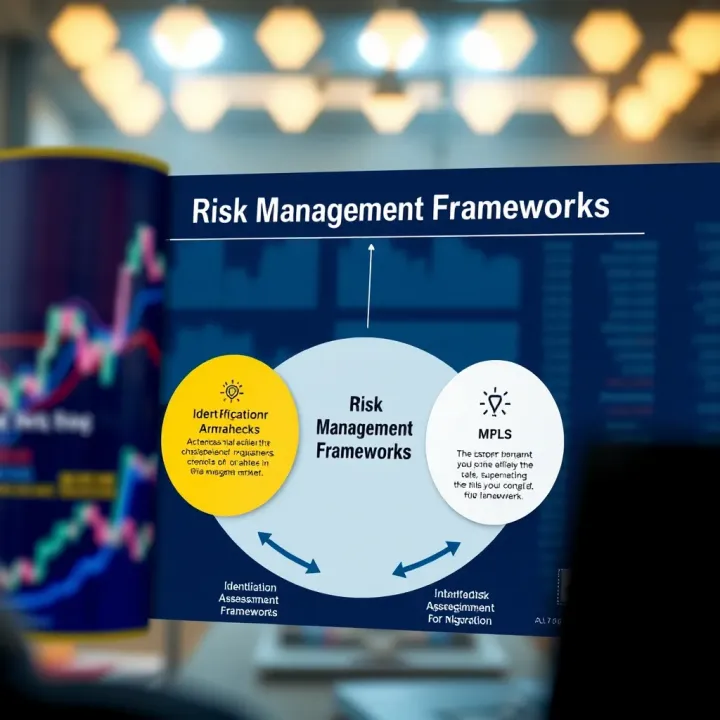
Explore effective risk management frameworks 📊 that help organisations in South Africa navigate challenges and boost decision-making with practical insights.
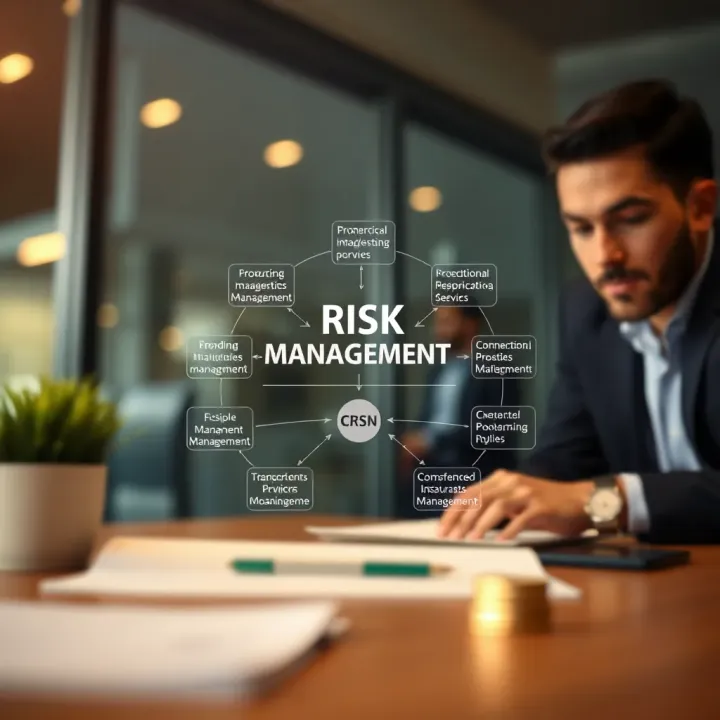
📊 Learn how effective risk management protects your business by identifying, assessing, and controlling risks for safer, smarter decisions in SA markets.

🔍 Learn how risk management helps businesses protect goals and assets. Explore key steps, challenges, and top methods for handling risks effectively.
Based on 7 reviews