
How to Download Forex Trading Videos Safely
📹 Learn how to safely find, evaluate, and download forex trading videos for better skills. Tips for beginners & pros to maximise learning in South Africa.
Edited By
Sophie Lancaster
Forex trading has become a popular path for many looking to grow their wealth, especially here in South Africa where access to digital resources is growing fast. But let’s face it — the forex markets are complex and can feel like trying to read a map in a foreign language without a guide. This is where forex trading videos come into play as a practical and effective learning tool.
This guide will show you how these videos go beyond just charts and jargon — they break down strategies, market psychology, and technical analysis in ways that textbooks or articles often can’t. Whether you’re a beginner trying to find your footing or a seasoned trader refining your edge, there’s something valuable in these videos that can sharpen your skills.
You’ll discover different types of forex trading videos: from step-by-step tutorials, live trade walkthroughs, expert interviews, to market analysis tailored for South African traders. We’ll also cover how to identify quality content, avoid misinformation, and use these resources efficiently to build your trading confidence and decision-making.
Learning forex through videos is not just about watching — it’s about engaging, practicing, and applying what you see. Treat them like mini-mentors that fit into your busy schedule.
By the end of this guide, you’ll be equipped to choose the right videos that suit your trading style and goals, understand the best practices for learning, and integrate video-based education into your trading routine effectively. Let’s jump in and make the most of this accessible way to learn forex trading.
In today's fast-paced trading world, forex trading videos have carved out a crucial place for both beginners and seasoned traders. Videos offer a direct, often immediate way to learn new strategies, observe live market action, and absorb complex information through visualization. This method bridges gaps that traditional text or static charts leave behind, helping viewers connect theory with practice.
Consider the benefit of watching a brief clip explaining how to interpret candlestick patterns versus just reading about them in a textbook. The video not only shows what those patterns look like in real time but also how market reactions follow these patterns, making it easier to remember and apply. Especially for traders in South Africa, having access to well-crafted forex videos tailored to local market nuances can heighten understanding and confidence.
Videos have a unique way of breaking down complex forex concepts into bite-sized pieces that are easier on the brain. Unlike plain text, which can leave you staring at a wall of jargon, videos often include graphical aids, animations, and live chart demonstrations. These elements create a multisensory experience that enhances memory retention.
For instance, watching moving averages applied over a real-time price chart makes the concept far clearer than reading about it in an article. Traders can pause, rewind, and watch the setup multiple times, a convenience absent from static text. This flexibility allows for better individualized learning paces, critical when grappling with the steep learning curve of forex trading.
Forex trading involves many layers—think of interpreting multiple indicators while considering global economic news. Videos can weave these strands together in a single narrative.
Take Elliott Wave Theory, a notoriously difficult topic. A good video tutorial visually maps each wave, explains the psychology behind the move, and shows it on actual charts, turning a confusing theory into something tangible and doable.
Similarly, risk management concepts like position sizing or setting stop losses come alive when you see them applied to live or simulated trades. This contextual learning offers an "aha" moment missing from dense textbooks.
Tutorials are the bread and butter for many learners. These videos usually cover basics—from reading forex charts to more advanced strategies like Fibonacci retracement or MACD indicator usage. Good tutorials often break topics into small, manageable segments, allowing you to build solid foundational knowledge step by step.
South African traders might find tutorials tailored to their currency pairs especially useful, such as those focusing on ZAR/USD or ZAR/EUR movements.
Watching a trader work in real time adds a layer of practical insight you won't get from tutorials alone. These videos showcase decision-making processes in the heat of the moment, revealing how seasoned pros react to market changes or news events.
While some may feel like watching over a shoulder in an intense moment, others find it a great way to witness emotional discipline and quick thinking—skills that textbooks can’t teach.
Regular updates with analysis on current market conditions or economic events help traders stay informed with fresh, actionable intel. These videos typically include expert opinions, trend breakdowns, and what to watch for in the coming hours or days.
For example, commentary videos discussing the impact of South African Reserve Bank interest rate announcements on the rand’s value offer traders timely insights that can influence trading decisions.
These videos dive into specific trading strategies, explaining their rationale and providing demonstrations on how to execute them. Walking through a day trading strategy or swing trading setup with clear examples helps traders better grasp the nuances and adapt these tactics to their own trading style.
Strategy walkthroughs often highlight pitfalls and adjustments traders should be aware of, presenting a balanced view instead of just a sales pitch.
The use of videos in forex trading is not just about making learning accessible but also about turning complicated ideas into understandable actions. Properly selected video content can dramatically reduce the time it takes to transition from theory to profitable trading.
In sum, understanding the role videos play in forex trading equips traders with the ability to choose the right content, absorb vital information effectively, and apply it confidently in the dynamic forex markets.
Selecting the right forex trading videos tailored to your experience can make a huge difference in how quickly and effectively you grasp the market’s ins and outs. Whether you’re just starting out or you’ve been trading for a while, videos designed for your level help you avoid confusion and wasted time on overly complex or too-basic content. For example, a beginner might find videos about Fibonacci retracements baffling, while an advanced trader would view that as essential.
Choosing the appropriate videos sharpens your learning curve, keeps motivation high, and ensures that you’re building a solid foundation or enhancing your strategies meaningfully. For South African traders, where market conditions and brokers can differ from global norms, watching videos that reflect or consider local context adds practical value.
If you’re just stepping into forex trading, videos covering the basics are indispensable. These usually explain what forex is, how currency pairs work (like ZAR/USD, a crucial pair for South African traders), and how the market functions daily. Such videos break down terms like "pip," "spread," and "lot size," which can otherwise sound like jargon.
The practical benefit is clear: mastering these basics prevents rookie mistakes like overleveraging or misunderstanding market signals. For example, a beginner who understands what a “pip” equals in terms of profit or loss can better manage their trades.
Charts are the trader’s best friends, but without knowing how to read them, it’s like staring at a foreign language. Beginners should seek videos that explain how to read candlestick charts, support and resistance levels, and introduce common indicators such as Moving Averages and RSI (Relative Strength Index).
These tutorials often use real-time charts and show how prices move with those indicators. This foundation helps traders spot trends and potential reversal points, which are critical in determining when to enter or exit trades.
For instance, spotting a bullish engulfing pattern on a candlestick chart can signal a buy opportunity.
Learning forex isn't just about making money; it’s mostly about keeping your money safe. Videos focused on risk management teach you how much of your trading capital to risk per trade, use stop-loss orders effectively, and understand leverage responsibly.
One practical tip often shared is the "1-2% rule," which advises risking no more than 1 to 2 percent of your trading account on any single trade. This keeps losses manageable during losing streaks, a common experience for many new traders.
Solid risk management is what keeps traders in the game long-term—without it, even the best strategies can fail.
Once you’ve got the basics down, it’s time to dive deeper into technical analysis. Intermediate and advanced videos cover chart patterns (like head and shoulders, flags, and wedges), advanced indicator usage (MACD, Bollinger Bands), and price action trading.
These videos often demonstrate how to combine multiple indicators to filter false signals and confirm trade decisions. For example, a trader might wait for a Moving Average crossover plus an RSI below 30 before entering a buy trade.
Traders at this stage look for videos that help design, refine, and test strategies using backtesting tools or demo accounts. Such content guides you through customizing indicators, setting entry/exit rules, and measuring performance over historical data.
A great example is a video showing optimization of an automated trading strategy in MetaTrader 4, showing the impact on drawdown and profitability.
For South African traders, strategy videos that incorporate local market hours or economic event calendars add extra relevance.
This often-overlooked area is vital as emotional discipline can make or break a trader. Videos teaching about managing fear, greed, and overconfidence help build mental resilience.
They might include exercises to control impulsive decisions or methods to maintain focus during volatile sessions. For instance, practicing mindfulness or journaling your trades to identify emotional triggers can be powerful tools.
The best traders learn to master their minds just as much as their charts.
Choosing videos that align with your current skill level will keep your learning steady and focused, helping you become a confident and capable trader who navigates the forex market like a pro.
Not every forex trading video out there is built with the same care or credibility. Knowing how to evaluate the quality of these videos can save you time, money, and frustration. In a fast-moving market like forex, where misinformation can make or break your trades, it’s crucial to pick content that’s accurate, reliable, and clear. This section breaks down the key points to keep in mind when assessing forex videos, helping you avoid pitfalls and focus on resources that truly boost your trading skills.
Start by checking who’s behind the content. A creator’s reputation is often the first sign of quality. Look for channels or producers known in the trading community—like ForexSignals TV or BabyPips forum contributors. Reputable creators usually have a history of consistent, responsible content and often disclose their trading experience or qualifications. Avoid videos from channels that pop up overnight promising quick riches; they usually lack depth or are designed to push products.
When you find a channel, consider how long they’ve been posting, their subscriber count, and if respected traders or educators reference them. For example, a channel run by a seasoned South African trader sharing local market nuances demonstrates relevance and authority to your trading context.
User comments and ratings are goldmines for judging a video’s usefulness. Scanning through feedback helps you detect if viewers found the explanations helpful or misleading. Notice if the comments mention practical takeaways or pinpoint inaccuracies. Channels with active communities often reply to questions and clarify doubts, which suggests ongoing engagement and a commitment to quality.
Be cautious if you see a flood of overly positive comments that seem robotic or unrelated—these could be fake. Instead, look for balanced, detailed reviews from genuine users who discuss both pros and cons.
Good forex videos break down complex ideas without jargon overload. They start with basics and build up to advanced concepts clearly. Look for creators who use plain language, real examples, and visuals like clear charts or annotated graphs. If a video leaves you more confused or uses too many buzzwords without simplifying, it's probably not a great learning tool.
For instance, a video explaining RSI (Relative Strength Index) that shows how to interpret the indicator with actual chart data is more beneficial than just reciting textbook definitions. Practical clarity helps embed knowledge faster, especially for traders balancing study with real trades.
Forex markets evolve quickly, so videos should reflect recent trends, regulations, and geopolitical events affecting currency pairs. Outdated content might show old price patterns or ignore current developments, leading to poor decisions if taken at face value.
Check the video’s upload date and if the creator references recent market news or data. Channels like DailyFX frequently update their analysis, which is essential for traders wanting timely info. In contrast, a video from five years ago showing pre-Brexit market behaviour might not be as relevant today.
Be wary of videos focusing more on selling trading courses, robots, or signal services than teaching. While some monetization is natural, quality educational content should come first. A video that spends more time hyping a product than explaining the trading concept usually lacks objectivity.
Look for creators who offer free, substantial insights without constantly urging you to buy something. Their credibility often shines through transparent teaching rather than pushy marketing. For example, authentic channels like Tradeciety focus on strategy and mindset, not on pumping paid signals.
When evaluating forex trading videos, remember: quality beats quantity. A few well-produced, accurate videos from trustworthy sources will do more for your trading than hours of scattered, unverified advice.
By keeping an eye on these factors—source credibility, user feedback, clarity, up-to-dateness, and promotional balance—you’re setting yourself up for smarter learning and better trading decisions.
Using forex trading videos effectively can make a real difference in how quickly and deeply you grasp the ropes of the forex market. Simply watching videos passively won’t cut it — it’s about engaging with the content actively and putting what you’ve learned into practice. When done right, videos can enhance your understanding of complex trading strategies, improve your decision-making, and build confidence in your trades.
Taking notes is one of the simplest, yet most powerful ways to get more from trading videos. Keeping a notebook or digital note app handy lets you jot down important points like key indicators, trading setups, or warnings mentioned by the instructor. This not only helps retention but also creates a personalized reference you can revisit later. For instance, if a video explains Bollinger Bands, writing down the conditions for entry and exit can save you from fumbling on a live trade.
Another handy strategy is pausing and replaying key sections. Forex concepts, especially related to live market analysis or complex technical patterns, can go by fast. Don’t hesitate to hit pause when something isn’t clear. Rewind to catch the details again or slow down the playback speed if the speaker talks too quickly. This technique ensures you don’t miss subtle points—which sometimes make or break a trade. It’s perfectly fine if you have to watch a segment twice or more until it clicks.
Watching videos is a great start, but real learning happens when you apply those lessons. One useful method is backtesting ideas. This means taking a trading strategy or signal demonstrated in a video and running it against historical currency data. Tools like MetaTrader 4 and TradingView make this easier by letting you test how a strategy would have performed over months or years. Backtesting is crucial because it filters strategies that look good in theory but don’t hold water in real market conditions.
Finally, simulated trading sessions or paper trading provide a risk-free environment to practice video-taught tactics. Many brokers offer demo accounts where you can trade with virtual money but real market prices. This hands-on approach lets you experience the pressure of making quick decisions and see how the strategy plays out without risking capital. Over time, simulated trading helps you move from purely theoretical knowledge to practical skills.
Effective use of forex trading videos depends largely on how actively you engage with them and commit lessons to real-world practice. This combo turns passive viewing into a powerful learning tool.
To sum it up, combine note-taking with thoughtful pausing and replaying during your video sessions. Follow this up by rigorous backtesting and simulated trading, and you’ll turn your video learning into real trading gains on the South African forex scene and beyond.
Finding reliable platforms where quality forex trading videos are readily available can make a huge difference in your learning curve. With thousands of videos out there, knowing which platforms are trustworthy and cater to your needs saves time and helps you avoid unnecessary confusion.
The right platform should offer up-to-date content, cover various trading styles, and match your skill level. It also helps when the videos come from credible sources who have a vested interest in sharing sound advice rather than just pushing products or services.
For traders in South Africa, channels that tailor their content to local market conditions and regulatory environment provide significant value. Look for creators who discuss topics like the South African Reserve Bank announcements, Rand volatility, and popular currency pairs involving ZAR.
Examples like "Forex SA Live" or "Rand Traders Hub" offer not only regular market analysis but practical trading sessions that highlight how global events affect the local forex market. This localized insight is essential because trading decisions can differ widely based on regional economic factors.
Subscribing to such channels helps stay informed on specific risks and opportunities that suit South African traders. Also, these channels often discuss brokers regulated by the Financial Sector Conduct Authority (FSCA), ensuring any trading suggestions align with compliant practices.
On the broader stage, channels like "Trading 212," "DailyFX," and "The Chart Guys" have built solid reputations by focusing on education backed with clear, evidence-based analysis. They cover a variety of techniques, from price action to fundamental analysis, making them suitable for intermediate to advanced traders.
These channels typically update their content to reflect changing market trends and economic data worldwide, which is vital for traders who want to understand the bigger forex picture beyond local markets. Borrowing ideas from such global sources enriches your strategy and helps in avoiding tunnel vision.
Paid platforms such as Investopedia Academy or FXStreet's course section often provide structured learning paths that you won’t usually find on free sites. These courses tend to be organized by skill level and cover detailed topics such as algorithmic trading, advanced charting tools, and risk assessment strategies.
The benefit here is the investment in quality. These platforms hire experienced traders or educators who create content that is both deep and practical. Subscribers often get access to exclusive webinars, downloadable resources, and community support where questions can be addressed.
If you’re serious about committing time and expecting a clear progression in your forex learning, these paid courses are worth considering. However, do your homework first and check reviews, as the quality can vary between providers.
For those starting out or on a tighter budget, free platforms like Babypips and the YouTube channels mentioned earlier provide a wealth of material without charging a cent. Babypips, in particular, is famous for its school of pipsology that breaks down forex concepts clearly and logically.
While caveats exist regarding the depth and occasional outdated content, these platforms are perfect for getting your feet wet without financial risk. They also encourage hands-on experimentation with demo accounts, making theory easier to grasp.
In summary, knowing where to find quality forex trading videos is key to efficient learning. Combining localized South African channels, reputable global resources, as well as a mix of free and paid educational content offers a balanced approach that can adapt to your growth as a trader.
Remember: The platform is just a tool—you must stay discerning about the content itself and continuously test what works for your trading style and goals.
Forex trading videos can be a helpful resource, but they are not without their drawbacks. It’s easy to get swept up in the wealth of content available and assume every video is helpful or accurate. Recognising the potential pitfalls is essential to avoid wasted time, misinformation, or developing bad habits.
Relying blindly on videos without critical thinking can actually set back your trading progress instead of moving it forward.
In particular, traders must watch out for two main challenges: the sheer volume of content, which can overwhelm and confuse, and the risk of following poor or biased advice. Let’s break these down to understand how you can steer clear of these traps and make video learning work for you.
The flood of forex trading videos on platforms like YouTube or dedicated sites can be staggering. If you jump from one video to another without a clear plan, you quickly end up confused rather than informed. For example, you might watch one video praising a certain trading strategy and another video warning against it. This can leave you stuck in analysis paralysis, unable to make confident decisions.
To avoid overload, pick a few trusted channels or sources and stick with them for a while. Instead of binge-watching everything available, focus on a specific topic or skill until you’re comfortable. Just like learning any skill, it’s better to take small consistent steps than trying to gulp down everything at once.
Before diving into videos, set clear, manageable goals to guide your viewing. For instance, decide to learn how to identify support and resistance levels over the next week, or master the basics of risk management this month. This approach helps you filter out irrelevant content and stay focused.
Creating a schedule can also keep your learning disciplined. Aim for short daily sessions rather than marathon watching sprees which can lead to fatigue and poor retention. Keep a trading journal to note down important tips and videos that resonate, so your learning stays organized and actionable.
Not all forex trading videos come from reputable or knowledgeable creators. Some might promote strategies that are outdated, overly risky, or just plain wrong. To protect yourself, always cross-check the information you get with books, trusted forex blogs, or even market data around South Africa’s forex scene.
If you see a claim that seems too good to be true—for example, "90% win rate using this secret method"—dig deeper. Check if other experts back this up or if the results sound realistic based on your own experience.
Videos with flashy graphics, bold promises, or hype around making quick money instantly should raise red flags. Sensational claims are often designed to attract clicks or sell courses rather than provide sound trading education.
Always look for videos where the creator is transparent about risks, shows real performance and losses, and offers balanced views. A cautious attitude protects you from falling into scams or adopting bad trading habits.
By understanding and navigating these pitfalls, you can make forex trading videos a powerful part of your learning toolbox—without getting lost in the noise or misled by poor advice.
Relying solely on forex trading videos paints an incomplete picture. Videos offer dynamic, visual insights but pairing them with other learning methods deepens understanding and improves retention. By blending videos with reading materials and active participation in communities, traders get a fuller grasp of concepts and market dynamics.
While videos offer quick overviews and visual demonstrations, books and articles provide detailed explanations and context that videos might skim over. For instance, a book like "Currency Trading for Dummies" gives beginner traders a solid foundation on forex principles, while articles from reputable financial websites can keep you updated on regulatory changes affecting South African forex markets. Reading helps reinforce lessons from videos, clarifying confusing points and adding layers of depth.
Theory without practice can’t take you far in forex trading. After absorbing video lessons, the next step is to apply what you learned in a live or simulated environment. Demo accounts offered by brokers like IG or Saxo Bank let you test strategies without risking real money. This hands-on approach reveals nuances videos don't show, like managing emotional responses to losses. It’s where traders turn knowledge into skill through trial, error, and adjustment.
Forums such as Forex Factory or Reddit’s r/Forex provide real-world perspectives beyond textbook knowledge. Interacting with seasoned traders exposes you to different viewpoints and practical challenges others have faced. Asking questions and receiving direct feedback bridges gaps that videos alone can’t fill, especially about local market quirks or broker-specific tips that South African traders might face.
Sharing clips or interesting video lessons within a group sparks discussion and collective problem-solving. It can lead to deeper insights as members debate the effectiveness of strategies demonstrated in videos or bring up exceptions based on experience. This communal back-and-forth propels learning further than passive watching.
Combining videos with reading, practice, and community engagement transforms passive consumption into active mastery — a must for anyone serious about succeeding in forex trading.
📹 Learn how to safely find, evaluate, and download forex trading videos for better skills. Tips for beginners & pros to maximise learning in South Africa.

📊 Learn forex trading step-by-step with videos! Find the best beginner tips, avoid common mistakes, and build skills at your own pace.
Learn forex trading in South Africa with our detailed video guide 🎥. Pick the best lessons, master key concepts, avoid mistakes, and trade smartly! 📊💡
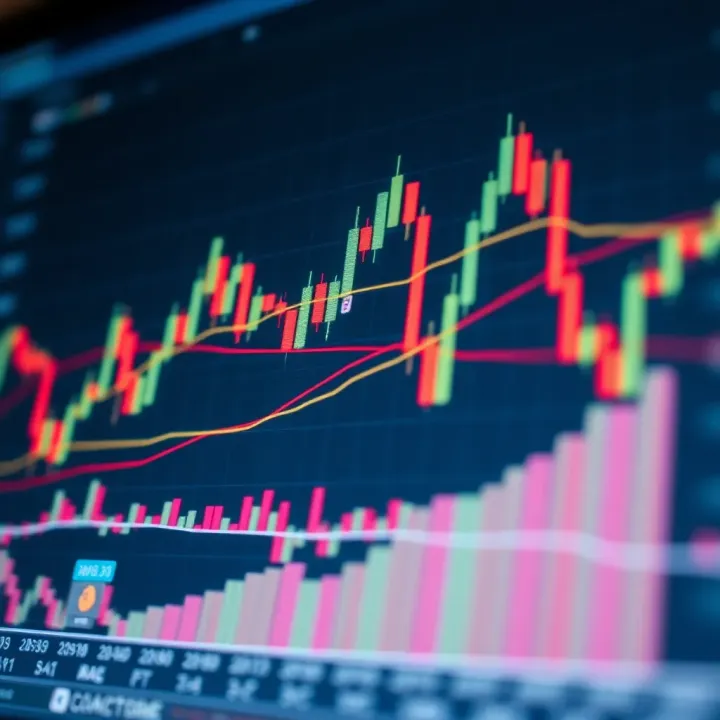
📈 Master forex trading with practical tips on strategy, risk management & market analysis. Build confidence and trade smarter every day! 💡
Based on 7 reviews