
Understanding Halal Forex Trading Principles
Explore how halal forex trading aligns with Islamic finance principles📈. Learn effective methods, ethical rules, broker tips, and practical advice for Muslim traders.
Edited By
Jack Spencer
Forex trading bots automate the buying and selling of currencies, working 24/7 without the need for constant human input. These bots use algorithms to analyse market data, identify trends, and make trading decisions based on preset parameters. For South African traders, understanding how these bots operate is key before investing.
At their core, forex bots scan price movements, news feeds, and historical data to trigger trades. Unlike manual trading, the bot sticks to its plan without emotional interference—a common pitfall for many traders. However, it’s worth noting bots aren’t foolproof; market volatility or unexpected geopolitical events can still cause losses.
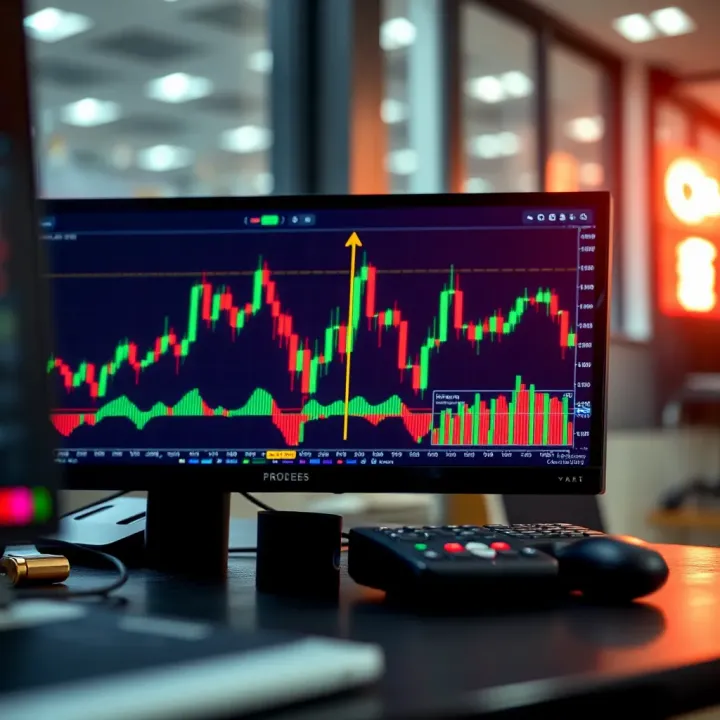
Some common types include trend-following bots, which identify and ride market momentum, and scalper bots that make multiple trades to profit from small price changes. Others use arbitrage opportunities between different currency pairs or trading platforms.
Using a forex bot doesn’t remove risk—it just changes how you manage it. You need to monitor performance regularly and understand the strategy behind the bot.
When selecting a bot, key factors to consider are reliability, customisability, and compatibility with your broker’s platform. Some bots offer backtesting features to evaluate strategies against historical data, which can be particularly useful in testing before committing real funds.
Keep in mind South Africa’s forex regulations and the impact of exchange control rules on trading. Some bots may not account for local market conditions, so choosing one tailored to or popular among South African users adds an extra layer of safety.
In this guide, we'll cover the nuts and bolts of how forex bots work, their benefits and drawbacks, and practical tips on finding a trustworthy option suited for your trading style and local environment.
Understanding what a forex trading bot actually is forms the backbone for anyone considering automation in the foreign exchange market. These bots matter because they take over the routine, often tedious task of monitoring charts and executing trades, which can be draining during South Africa's volatile market hours.
Put simply, a forex trading bot is software that automatically buys and sells currency pairs based on pre-set algorithms. Unlike human traders, bots never lose focus or get tired, which can be a serious advantage when trading 24/5 across varied time zones. For example, a bot programmed to scalp on the GBP/USD during off-peak hours could lock in small profits that a human might miss while sleeping.
The purpose of these bots is not just about convenience but also about enhancing trading efficiency and consistency. Bots minimise emotional decisions by sticking strictly to rules, such as entering trades only when the moving average crosses a certain threshold. This discipline can protect traders from common mistakes like chasing losses or overtrading.
Forex bots automate the process by scanning market data in real time and placing trades without needing your manual input each time. They use detailed criteria – like trend indicators, price momentum metrics, or news sentiment analysis – to decide when to buy or sell. For instance, if a bot is set to execute a breakout strategy, it will enter a trade the moment the price breaches a defined resistance level.
This automation extends beyond just entering trades. Bots can also manage open positions by setting stop losses and take profit levels automatically, reacting faster to market swings than any human could. They run continuously, so they can take advantage of fleeting opportunities that pop up during South Africa’s trading day or even during the night when many traders are off the clock.
Using a forex trading bot is like having a dedicated assistant who monitors your positions around the clock, helping you respond swiftly to market changes.
For South African traders, this means dealing better with local challenges like market gaps due to differing peak trading hours or the effects of global economic events. Understanding what a forex trading bot is and how it automates your trades clearly sets the foundation for deciding whether one fits your trading style and objectives.
Forex trading bots function by processing vast amounts of data and following specific trading strategies without human intervention. Understanding how these bots operate sheds light on their strengths and limitations, helping you evaluate their suitability for your trading style and goals.
At the core of every forex trading bot lies an algorithm — a set of instructions designed to execute trades based on predefined criteria. These rules might include technical indicators like moving averages, relative strength index (RSI), or support and resistance levels. For example, a bot could be programmed to buy the Euro against the US dollar when the 50-day moving average crosses above the 200-day moving average, signalling an upward trend.
The key advantage here is consistency. Unlike human traders, bots don’t suffer from emotions like fear or greed, which often distort decision-making. However, the bot’s success is heavily dependent on the sophistication of its strategy and market conditions. Bots using outdated or rigid tactics can struggle in volatile or unexpected market scenarios.
Forex bots don’t operate in isolation. They need to integrate smoothly with trading platforms such as MetaTrader 4 or 5, which South African traders commonly use. This integration allows bots to execute trades directly on the broker’s platform in real time.
Good bots come with APIs (Application Programming Interfaces) that facilitate this connection, ensuring orders are placed promptly and errors are minimised. For instance, if a South African trader uses a broker like IG Markets or EasyEquities, their bot must be compatible with the platform’s API to function correctly. Traders should verify this compatibility before committing funds.
A forex bot’s decisions rely heavily on the data it receives. This includes real-time price feeds, economic calendar updates, and even news sentiment analysis. Reliable and timely data is crucial; delays or inaccuracies can lead to missed opportunities or costly trades.
Bots often process price tick data multiple times a second, spotting even minor market movements. Some incorporate machine learning to adapt to changing market behaviour over time. For example, a bot might adjust its parameters after recognising a pattern during periods of South African Reserve Bank (SARB) interest rate announcements.
The quality of your bot’s decision-making is only as strong as the data it consumes and the precision of its algorithms.
In summary, how forex trading bots operate depends on their coding, data access, and platform integration. Each of these factors plays a role in determining whether a bot can deliver reliable and profitable results in the fast-moving forex market.
Trading bots in the forex market offer clear benefits but also come with drawbacks that every trader should consider carefully. Understanding these pros and cons helps you decide whether automation fits your trading style and risk appetite.
Automated trading eliminates emotional bias, which often clouds human judgment, especially during volatile market periods. Bots execute trades within milliseconds of identifying a signal — far quicker than any manual trader could manage. For instance, a bot can spot a sudden shift in the USD/ZAR exchange rate and act instantly, capturing opportunities that might vanish by the time a human reacts.
Besides speed, bots can monitor multiple currency pairs all at once, something not feasible for a single trader. This ability increases chances of spotting profitable trades while diversifying risk. Bots also operate 24/7 without fatigue, meaning they can trade around the clock without taking breaks or losing focus, which can be crucial in the forex market’s near-constant action.
Automation also simplifies backtesting. Traders can test strategies against historical data to see how they would have performed, refining their approach before committing real money. This practical benefit helps traders build confidence in their methods.
Automation in forex trading bots can enhance efficiency, consistency, and responsiveness – essential factors in a fast-moving market.
On the flip side, forex trading bots aren’t foolproof. One risk comes from relying solely on pre-set algorithms: bots follow programmed rules strictly and cannot adapt when markets behave unpredictably due to geopolitical tensions or economic shocks. For example, during sudden Eskom power cuts disrupting local markets, automated systems might trigger unwanted trades or miss crucial cues.
Bots also require effective setup and constant oversight. Technical glitches or misconfigured parameters can lead to significant losses. A bot executing trades continuously without regular performance reviews risks amplifying errors, especially if it encounters scenarios it wasn’t programmed to handle.
Another limitation involves over-optimisation, where bots perform well in backtests but fail in live markets because they were too finely tuned to past data. Also, while bots can process data fast, they lack human intuition and contextual understanding — like anticipating a policy announcement from the SARB that could affect the rand.
Finally, costs related to bots and their maintenance, plus broker compatibility issues, can add up, impacting net profitability.
It's important for traders to strike a balance between trusting automation and maintaining active oversight to manage these risks effectively.
Choosing the right type of forex trading bot depends largely on your trading style, risk appetite, and how involved you want to be in the process. The types of bots available range mainly between fully automated systems and semi-automated ones, each catering to different needs and offering distinct advantages.
Fully automated bots handle the entire trading cycle independently—from analysing the market to executing trades without human intervention. This all-in-one approach is useful for traders who want to take advantage of fast market moves or who may not have the time to monitor the markets constantly. For example, a fully automated bot might respond to sudden shifts during the Asian trading session while a trader in South Africa is asleep.
On the other hand, semi-automated systems require some level of human involvement. These bots typically generate trade signals or alerts that traders review and manually approve before execution. This gives traders more control and the chance to incorporate discretionary insights or sudden market news that algorithms might not catch. For instance, a semi-automated bot could suggest opening a position based on historical patterns, but the trader might hold off if there’s an unexpected geopolitical event affecting the currencies involved.
Forex trading bots come in a variety of models, each built around specific trading strategies tailored to different market conditions. Common models include:
Trend-following Bots: These look for and capitalise on established market trends, purchasing currency pairs showing sustained momentum. While profitable in trending markets, they might falter in choppy conditions.
Mean Reversion Bots: Based on the idea that prices eventually return to an average level, these bots seek out overbought or oversold pairs to trade reversals. This strategy works best in range-bound markets.
News-based Bots: These monitor economic calendars and news feeds to trade based on major announcements, such as interest rate changes or employment reports. They're more complex and require fast data handling.
Scalping Bots: Designed for quick, small profit trades, scalping bots make many trades a day, exploiting tiny price movements. This can be taxing on commissions but fit for active traders with tight spreads.
It’s worth noting that no single bot or strategy guarantees success. Markets change and a bot profitable in one environment may struggle in another, so regular review and adaptation are key.
By understanding these bot types and strategies, South African traders can make informed choices that fit their trading goals and technical comfort. Always consider how a bot’s approach aligns with your overall strategy and risk management before committing your hard-earned Rand.
When selecting a forex trading bot, South African traders face unique challenges and opportunities that differ from other markets. Understanding the local regulatory landscape, broker options, and technical nuances is crucial to making a smart, secure choice that fits your trading style and goals.
South Africa’s financial sector is governed by the Financial Sector Conduct Authority (FSCA), which oversees trading platforms and intermediaries to protect investors. Before using a forex trading bot, it’s vital to check if the bot and associated broker comply with FSCA rules. Many bots operate globally, but they may not meet local requirements. For instance, a bot linked to an unregulated offshore broker could expose you to legal risks or blocked transactions when funding via South African banks. You want to avoid nasty surprises like frozen accounts or compliance fines from SARS or the FSCA. Verified brokers offering bot integration, with transparent conduct and adherence to anti-money laundering rules, provide more peace of mind.
Not all forex trading bots play nicely with every broker. Compatibility with popular South African brokers such as IG Markets, HotForex, or Plus500 should be verified upfront. Each broker has its own platform—some use MetaTrader 4 (MT4), others MT5, and a few have proprietary platforms. Your bot needs to integrate seamlessly with your broker’s platform and support the trading pairs accessible there. Technical requirements such as minimum internet speed, server location, and API access influence performance, especially in a market affected by frequent loadshedding or unstable connections. For instance, if your bot requires a constant online presence, you may need a backup power solution or cloud-hosted service to avoid downtime.
Buying or subscribing to a forex trading bot isn’t just about picking the one with the flashiest features. Consider the price relative to your trading budget and expected returns. Some bots come with upfront fees, others monthly subscriptions, and some take a cut of your profits. Also look at the availability and quality of customer support—response times and local language options matter if you run into technical glitches or need setup help. Security is a biggie: bots handle your trading account and sensitive data, so ensure they use end-to-end encryption and don’t ask for excessive permissions. Beware of bots lacking transparency or suspicious user reviews — scams are, unfortunately, common in this market.
Choosing the right bot requires balancing regulatory safety, technical fit, and trustworthy service. For South African traders, these factors are the backbone of a sustainable, hassle-free forex trading experience.
By paying close attention to these considerations, you can better protect your capital and make the most of automation tools tailored to your local environment.
Managing risks when using forex trading bots is key to safeguarding your capital and making the most of automated trading. These bots operate on algorithms that react to market data, but they can't predict every spike or drop, especially in the volatile forex market. Responsible use means understanding both what the bot can do and where human intervention remains essential.
Forex markets can swing sharply within minutes due to economic news, geopolitical events, or sudden shifts in sentiment. Bots follow pre-set rules, which may not account for unexpected events or ‘black swan’ moments. For instance, during the 2016 Brexit referendum, currency pairs like GBP/ZAR moved wildly, catching many bots off guard. This shows that even sophisticated bots have limitations and can incur losses when market conditions change rapidly.
It's vital to realise that bots do not guarantee profits — they aim to execute strategies consistently but rely on the data input. They can’t sense market emotions or sudden regulatory changes. Traders must temper expectations and see bots as tools to assist, not replace, decision-making.
One of the practical steps for risk control with forex bots is setting stop loss orders. These limit the downside by automatically closing a trade at a pre-defined loss level. For example, a stop loss of 50 pips on a EUR/USD trade restricts losses if the market moves against the position beyond that point.
Additionally, consider setting limits on trade sizes and daily losses in your bot’s settings. This prevents a single bad trade or series of trades from wiping out your account. Some bots allow you to tailor these risk parameters, so make use of these features to match your risk appetite.
Just because bots automate trading doesn’t mean you can switch off entirely. Regular monitoring is crucial to catch errors, software glitches, or strategy underperformance. Keep an eye on trading logs and performance charts to spot trends, such as prolonged drawdowns or decreasing win rates.
Schedule monthly or quarterly reviews comparing your bot’s results against manual benchmarks or market conditions. This helps in fine-tuning strategies or deciding if it’s time to pause trading to reassess your approach.
Responsible use of forex trading bots demands a combination of well-set controls, awareness of their limits in volatile markets, and ongoing oversight.
Putting these pieces together ensures you’re not simply relying blindly on automation but managing your forex trading sustainably, reducing surprises, and protecting your investment.
Explore how halal forex trading aligns with Islamic finance principles📈. Learn effective methods, ethical rules, broker tips, and practical advice for Muslim traders.
📈 Learn how forex trading signals work, where to find them, and tips to spot reliable ones so you can trade smarter and boost your success in the market.
📈 Understand forex trading systems: how they work, types used, testing, tweaking, and tips on risk management to fit your style and goals. 💹
📈 Explore forex trading in South Africa with a clear guide on currency markets, trading strategies, risks, and practical tips to help you trade smarter today.
Based on 13 reviews