

Understanding Free Binary Options Signals
📈 Explore free binary options signals providers: how they work, tips to spot reliable ones, strategies, risks, and legal tips for South African traders.
Edited By
Thomas Whitaker
Binary options trading promises a quick way to capitalise on market movements, often through simple up-or-down bets on asset prices. However, this attractive simplicity has made it a fertile ground for scams, especially among new and uninformed traders in South Africa. Knowing how these scams work and recognising their warning signs is vital to protect your investments.
Unlike traditional trading platforms, many binary options schemes operate offshore or through unregulated entities. They frequently use aggressive marketing tactics — calling you directly or advertising miracles of fast wealth with minimal risk. The reality? Most offer rigged platforms or misleading signals that almost guarantee losses, unlike real brokerage accounts where risks and returns align with market behaviour.
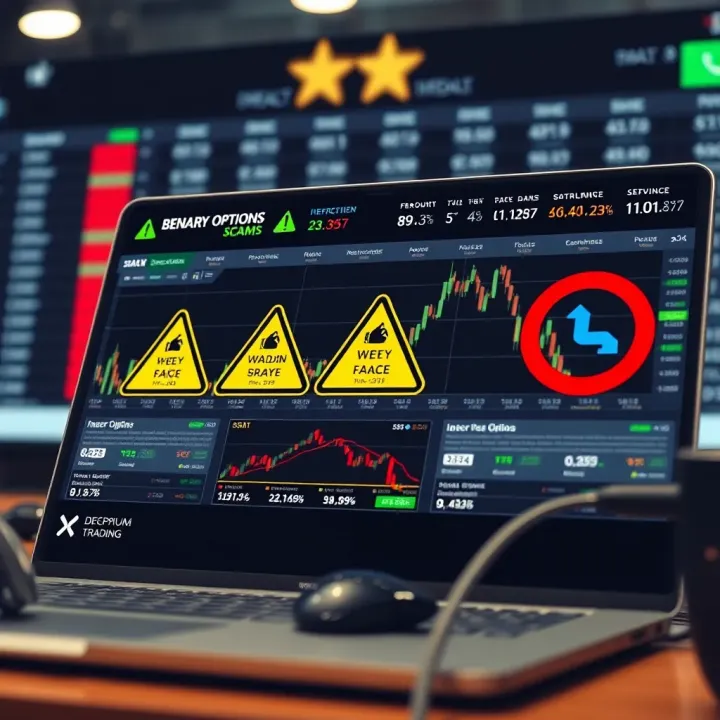
Watching your hard-earned rand disappear due to scams can feel like a double whammy: financial loss and betrayal. That’s why understanding these schemes upfront pays off.
Fake platforms: They present slick websites mimicking genuine brokers, showing artificial profits initially to lure you in.
Pressure to deposit: After a small initial investment, they push for larger payments with promises of bigger returns.
Manipulated trades: Trades are rigged so that you lose, with no real exposure to markets.
Withdrawals blocked: When you want to cash out, excuses and delays crop up, often with demands for extra fees.
Unregulated or overseas operators with no South African Financial Sector Conduct Authority (FSCA) licence.
Promises of guaranteed high returns with no risk.
Pushy sales calls or unsolicited contact.
Lack of transparent trading records or unclear terms.
Withdrawal hurdles or sudden requests for additional personal info.
South African traders are especially vulnerable as binary options scams tap into hopes of quick income with little oversight. Moreover, local regulations are tightening but scams persist, partly because many operate beyond South African jurisdiction.
Being informed enables you to avoid these traps and seek licensed brokers only. Remember, legitimate trading involves real risk; anyone claiming otherwise should raise your suspicion.
Understanding the mechanics and signals of binary options scams is your first step towards smarter, safer investing in today’s digital markets.
Understanding how binary options trading works is essential for anyone looking to engage with this form of investment, particularly given the risks involved. It helps traders see where scams often disguise themselves and equips them with knowledge to make informed decisions. Binary options offer straightforward betting on the direction of asset prices over a short time frame, which appeals to many, but the mechanics behind them also open doors to deceit when operated by unscrupulous brokers.
Binary options represent a simple financial instrument where you predict if the price of an underlying asset—such as shares, currencies, commodities, or indices—will rise or fall within a set period. If your prediction is correct, you receive a fixed payout; if not, you lose your initial stake. This binary nature – essentially 'yes' or 'no' outcomes – makes the trading process easy to grasp but can mask the inherent risks.
Trades in binary options involve selecting an asset, choosing whether its price will go up or down (often referred to as "call" or "put" options), and deciding on an expiry time, which can range from as short as 60 seconds to several hours or days. For example, you might bet R500 that the price of gold will be higher in 15 minutes than it is now. Placing a trade is typically done through an online platform, which provides the price movement charts and payout details.
Payouts are generally fixed, often between 70% to 90% of the bet amount if the option settles in your favour. Using the previous example, if your R500 call option on gold pays out 80%, you'd make R900 total (your stake plus 80% profit). However, losing trades result in the full loss of the stake or sometimes a small refund (10-15%). This fixed payout means that even if you win a high percentage of trades, losses can wipe out gains swiftly.
One reason traders are drawn to binary options is the clear-cut format: you either win or lose. Plus, trade durations can be very short, allowing quick results and the chance for fast cash turnover. For someone wanting to test the waters or with limited time, this simplicity carries a strong appeal.
Binary options trading is widely accessible through a variety of online brokers and mobile apps. In South Africa, the requirement is that brokers be authorised by the Financial Sector Conduct Authority (FSCA), but many operate from overseas without proper regulation, offering easy entry with modest minimum deposits—sometimes as low as R100—which might entice new traders.
While the potential for quick profits exists, the risks often outweigh the rewards. Because payout ratios tend to be less than 100% and the odds are typically stacked in favour of the broker, consistent profits are challenging. Furthermore, some platforms manipulate prices or delays payouts, increasing the risks. Traders must understand that the ease of trading doesn't guarantee success, especially without strong risk management.
Knowing these basics is half the battle in recognising when a binary options offer is legitimate or a ploy in a scam. Understanding how trades work and why they appeal to traders helps sharpen the sense for red flags ahead.
Understanding the tactics scammers use is key to protecting yourself when trading binary options. These schemes often appear polished and convincing, but they rely on deception and manipulation to take your money. This section breaks down the most common tricks to help you spot red flags early.
Broker websites that mislead clients often look very professional. They use slick designs and fake testimonials to build trust. However, many operate offshore without proper licences, making it hard to hold them accountable. For example, a trader might sign up on what looks like a legitimate platform, only to find withdrawal requests ignored or delayed indefinitely. This leaves traders stuck with accounts that seem real but are controlled by scammers.
False claims about regulation are another common tactic. Some scam sites boast about being registered with reputable bodies or display fake licences. They might even direct you to websites of genuine regulators with altered information. For South African traders, it's crucial to check whether the broker is registered with the Financial Sector Conduct Authority (FSCA). If the firm isn’t listed, it’s best to stay away, as there’s little chance of legal protection or recourse.
Rigged price feeds mean the prices you see are not genuine market prices but ones controlled by the scammer. This often leads to trades losing even when the market moves in your favour. For instance, software might delay price updates so when you click to sell a winning trade, the platform shifts the price just enough to register a loss instead.
Delayed payouts and frozen accounts are another way scammers squeeze money out of victims. After you make some profits, the broker might suddenly impose complex withdrawal conditions or freeze your account entirely. Traders could wait weeks or months without seeing a cent, only to be told they need to deposit more money to access funds. This tactic wears down victims until they give up or lose everything.
Urgent calls to invest more can be relentless. Scammers often assign ‘account managers’ who pressure traders over the phone or via WhatsApp, urging them to add funds for “market opportunities.” This high-pressure environment leaves little room for careful thought, coaxing traders into pouring in more money than they can afford.
Bonus offers tied to unfavourable terms are designed to lure inexperienced traders. While a bonus might sound attractive at first, it often comes with strings attached—like trading a multiple of the bonus amount before withdrawal is allowed. This means many never get to withdraw their initial deposit or winnings.
Always read bonus terms carefully and never feel obliged to accept offers that seem too good to be true. These tactics prey on urgency and greed but usually end with you losing more than you gain.
By recognising these tactics, you’re far better placed to avoid falling victim. Be cautious of brokers that pressure you, promise guaranteed profits, or fail to show proper regulation details. Trustworthy trading requires transparency and respect for your control over funds.
Spotting the signs of a binary options scam is crucial. Scammers often design their schemes to look legitimate, so knowing what to watch for can stop you from losing both money and trust. In South Africa, where online trading is growing, recognising these red flags helps traders protect themselves before it’s too late.
Be wary of any platform or broker that promises guaranteed profits or assured high returns with little risk. In real trading, markets fluctuate — no one can promise profits every time. For instance, if someone tells you, "Invest R5,000 now and double your money in a week," that’s a clear warning sign. Scammers use such claims to create a false sense of security and rush you into investing.
A legitimate broker will clearly present their company details, including physical addresses, full regulatory information, and contact methods. If a website hides this or provides vague information like "Located overseas" without specifics, proceed cautiously. Details about ownership, the team behind the platform, and their registration status should be easy to verify. Lack of transparency often masks fraudulent intent.
Cold calls, aggressive follow-ups, or persistent messages urging you to deposit more funds should raise eyebrows. Established brokers seldom pressure clients like this. Scammers often call repeatedly, pushing scare tactics such as “this offer expires soon” or “you’ll regret missing out.” Such pressure tactics aim to cloud judgment and lead to rash decisions.
One of the most reliable ways to confirm if a broker is legitimate is by checking databases of financial regulators. In South Africa, this means consulting the Financial Sector Conduct Authority (FSCA) register. If a broker isn’t listed there or their details don’t match, avoid dealing with them. Regulators provide updated and enforce strict rules to keep investors safe.
Researching a broker’s history and reading user reviews can reveal a lot about their reliability. Look for consistent complaints about withdrawals, rigged platforms, or poor customer service. Forums and review sites often share detailed experiences. That said, consider the overall pattern rather than isolated comments — sometimes disgruntled traders complain unfairly—but a steady flow of negative feedback is a red flag.
Always take time to verify before investing. Quick decisions mean quick losses.
Recognising these signs and verifying brokers through official channels helps safeguard your investments from binary options scams common in South Africa's online trading scene.
Binary options scams have hit South African traders hard, leaving many dealing with both financial and emotional aftershocks. Understanding these impacts helps investors and brokers alike navigate the risks and recognise why cautious scrutiny is necessary. The fallout isn’t just about cash lost; it shapes confidence, trust in online trading, and influences how future market participation unfolds.
Financially, losses from binary options scams can vary, but they often run into tens of thousands of rands or more for many South Africans. Some victims, drawn by promises of quick returns, have lost upwards of R50,000, sometimes their entire savings. For instance, a Durban-based trader once shared how an unregulated platform wiped out nearly R70,000, a blow that set him back for years. These sums represent not just lost money but missed opportunities for more secure investments or daily needs.
Beyond the numbers, the psychological toll is significant. Many who fall prey report stress and anxiety, sometimes compounded by feelings of shame or self-blame. This emotional strain often saps confidence not only in financial markets but in their judgement overall. For example, after losing money to a scam broker, a Johannesburg investor described struggling to trust legitimate brokers or even make future trades, effectively sidelining themselves from potentially beneficial investment activities.
Taking legal action against scam brokers proves difficult in South Africa due to jurisdictional gaps and the offshore nature of many scam operations. Victims often find themselves navigating unclear or non-existent legal frameworks. Even when complaints are filed, enforcement is tricky, with recovery of funds quite rare. The cost and complexity of legal battles further discourage many from pursuing justice, leaving losses unaddressed.
South African authorities, such as the Financial Sector Conduct Authority (FSCA), are stepping up surveillance and warnings about unlicensed binary options providers. However, enforcement remains a challenge when scammers operate from abroad. Law enforcement and consumer bodies do their best to educate the public and process complaints, but resource constraints and the digital nature of these scams mean prevention and awareness are often more effective tools than legal intervention alone.
Traders should prioritise dealing only with FSCA-licensed brokers to reduce risks and avoid falling victim to scams with little chance of recovery.
Overall, the impact of binary options scams on South African traders is a mix of substantial financial harm and ongoing emotional distress, worsened by limited legal remedies and the complex role regulators play. Awareness and proactive caution remain the best defences.
Given the prevalence of binary options scams, protecting yourself is not just advisable — it’s necessary. Many South African traders have lost significant sums by trusting shady operators, so knowing how to shield your investments can save you financial headaches and emotional stress. This section sets out practical steps and useful resources to help you steer clear of traps in the binary options world.
Dealing with regulated brokers drastically reduces the risk of falling for scams. In South Africa, brokers authorised by the Financial Sector Conduct Authority (FSCA) meet certain standards that protect investors, such as transparent pricing, verified claims, and formal dispute resolution processes. For example, a regulated broker cannot simply freeze your account without justification or manipulate price feeds without consequences.
South African traders should verify broker licences on the FSCA’s public register before handing over any money. This step filters out companies operating illegally or abroad without proper oversight, which are often the culprits behind fraudulent schemes. Remember, a flashy website or persuasive sales pitch isn’t proof of legitimacy.
A bit of homework can save you thousands. Before investing, look beyond the promotional materials. Read reviews from other South African traders on trusted forums and financial consumer sites, and check if the broker has a history of complaints or regulatory action. For instance, websites like MyBroadband often discuss scam reports that serve as warnings.
Also, understand the product you're buying into. Some brokers might complicate terms or hide fees that erode profits. Knowing exactly what you’re signing up for — including payout structures, expiry times, and risk levels — helps you spot unrealistic promises early.
If someone approaches you out of the blue with "too good to be true" trading tips or investment opportunities, it pays to be cautious. Scammers often use aggressive tactics like phone calls, Whatsapp messages, or emails insisting you invest now or lose out. They may offer enticing bonuses that come with unfair conditions like locking you into losing bets or making withdrawals impossible.
Always question the source. If you didn’t seek the advice, consider it a warning. Traders who acted on unsolicited tips from unverified people often find their accounts drained or inaccessible.
The FSCA is the watchdog for financial services in South Africa, including brokers. If you suspect a scam or want to verify a broker’s credentials, the FSCA is the first port of call. You can lodge complaints or ask for guidance on how to proceed if you’ve been scammed.
Using the FSCA’s services helps authorities track illegal operators and potentially prevent others from being targeted. While the FSCA can’t always recover lost funds, their involvement can lead to investigations and enforcement action.
Besides the FSCA, bodies like the National Consumer Commission (NCC) and the South African Police Service (SAPS) have roles in tackling fraud. Reporting to these organisations makes your case part of official records, which supports broader efforts to curb scams.
For example, the NCC can take on consumer complaints that affect multiple people, applying pressure on fraudulent businesses. SAPS might get involved when a scam amounts to criminal conduct, offering a route for legal recourse.
Falling victim to a scam can leave you not only out of pocket but also emotionally shaken. Financial counselling services in South Africa offer free or low-cost advice to help victims regain control. Counsellors can assist with budgeting after losses, debt management, and planning for rebuilding finances.
Getting that support also means you aren’t facing the aftermath alone. Organisations like the Financial Planning Institute of Southern Africa (FPI) provide access to qualified advisers who understand the local trading environment and can guide you safely forward.
Staying alert and using these resources isn’t convenience– it’s protection. With so much at stake, taking these steps seriously is the best way to keep your hard-earned money safe in the world of binary options trading.
📈 Explore free binary options signals providers: how they work, tips to spot reliable ones, strategies, risks, and legal tips for South African traders.

Explore the gender binary’s roots and effects on identity, society, health, and policy in South Africa, while embracing diverse gender perspectives 🌍✨
Discover how traders in South Africa can access free funds for binary options trading 💰. Learn about legit bonuses, risks ⚠️, and tips to spot reliable platforms.
🚨 Learn to spot and avoid common forex trading scams in South Africa. Stay informed on warning signs and protect your investments confidently. 💼💡
Based on 13 reviews