
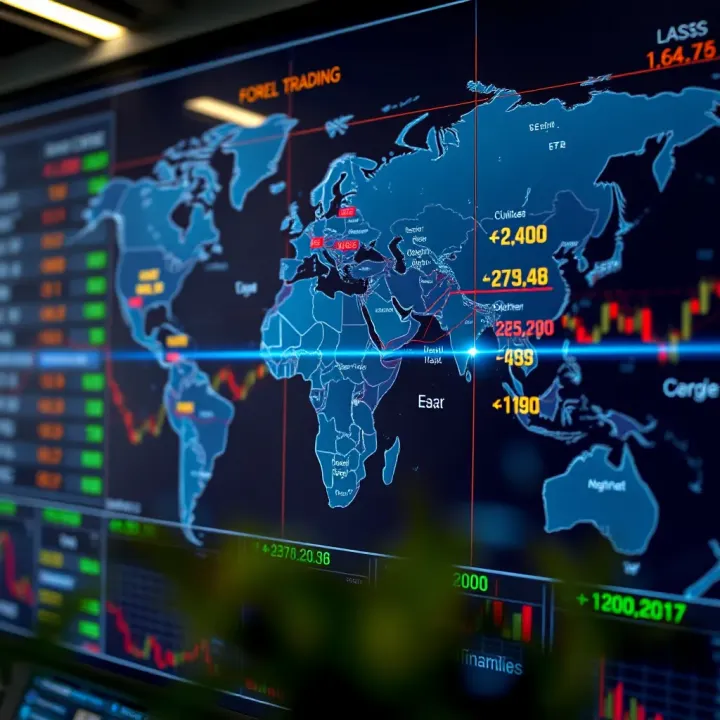
Understanding Global Forex Trading Basics
Explore how global forex trading works 🌍, key players, exchange rate drivers, trading platforms, risks, strategies, and regulations in South Africa 🇿🇦.
Edited By
Ethan Hughes
Forex trading memes have grown into a notable part of the trading world, especially among those active in the South African market. These humorous images and captions do more than entertain — they serve as a unique way traders share frustrations, market quirks, and occasional insights. Unlike typical financial reports or dry analytics, memes convey complex emotions and scenarios in bite-sized, relatable formats.
Trading forex is challenging and often stressful. Memes help lighten this load by communicating shared experiences like unexpected volatility, devastating stop losses, or the frustration of false breakouts. For example, a meme joking about checking the charts every five minutes during a major economic announcement captures a universal behaviour. This makes traders feel less alone in their struggles.
Furthermore, memes use everyday language and familiar references relevant to traders, often with clever twists. In South Africa, a meme poking fun at how Eskom loadshedding disrupts trading sessions instantly clicks, combining local realities with the global forex market.
The culture around forex memes shapes a sense of community. Traders often share memes on online forums, WhatsApp groups, or social media pages, fostering dialogue and bonding. This creates a support network where novices can learn from veterans through humour. It’s not just about laughs; memes reveal patterns in behaviour and market reactions.
Memes provide a mirror reflecting trader psychology—a crucial aspect often missed in traditional analysis.
Despite their comedic tone, many memes carry valuable reminders about discipline and risk management:
Beware of overtrading: Memes highlighting impulsive trades remind traders to stick to a strategy.
Manage emotions: Jokes about panic or greed hint at the need for emotional control.
Expect the unexpected: Memes about sudden market moves teach adaptability.
In South African trading culture, where economic unpredictability intersects with infrastructural challenges, these lessons have added relevance. Memes encapsulate these nuances, helping traders remain grounded and objective.
While memes are great for community and stress relief, it’s crucial to remember that trading requires focus and discipline. Traders must avoid letting humour lead to complacency. Monitoring trades carefully and sticking to plans remain paramount.
In short, forex trading memes are more than funny distractions; they reflect the pulse of the market and trader psychology. Embracing this cultural phenomenon offers both a fresh perspective and practical takeaways to improve your trading journey.
Forex trading memes strike a chord with many traders because they capture shared experiences and emotions in the market. These memes don't just make traders chuckle; they reflect real challenges everyone faces, from sudden market swings to the struggle of sticking to a plan. For example, a meme joking about waking up to find the rand plummeted overnight is instantly relatable for many South African forex traders. Such content creates quick familiarity and comfort, showing traders they're not alone in this often unpredictable arena.
The forex market is notoriously volatile, and traders constantly react to rapid price changes, sometimes within minutes. Memes that show the frustration of watching a currency take an unexpected nosedive or surge capture this volatility perfectly. Traders often share memes reflecting the chaos when economic data comes out or when geopolitical news shakes the market, highlighting that volatility is the norm rather than the exception. These jokes serve as a reminder that no one controls the market and that adaptation is key.
Trading stirs up a mix of feelings — excitement, fear, hope, and disappointment, sometimes all in a single day. Memes depicting the highs of a winning trade followed by the crushing lows of a bad loss help traders acknowledge the emotional ups and downs they endure. This shared humour helps normalise feelings like anxiety and greed, which are often tough to admit but critical to managing for success. For example, jokes about checking your trading platform repeatedly after a dip reflect a common experience many can relate to.
Staying disciplined is a major struggle in forex trading, from sticking to stop-loss limits to avoiding impulsive decisions driven by fear or FOMO (fear of missing out). Memes that poke fun at overtrading or breaking one’s rules resonate widely because they reflect the common human difficulty of self-control in an unpredictable market. Seeing others face the same challenge encourages traders to be more mindful of their habits and the need to maintain rigorous discipline.
Trading can be stressful, with late nights tracking charts and unexpected losses leaving many traders exhausted. Memes that joke about shared struggles — like getting stopped out repeatedly or waiting endlessly for a breakout — help lighten the mood and remind traders they’re part of a community that understands these frustrations. This can reduce isolation and the pressure of dealing with setbacks alone.
Losses are inevitable in forex trading, but finding humour in them can help traders bounce back quicker. Memes showing exaggerated reactions to losing trades or “crying over pips” encourage traders not to take losses too hard. This approach can foster a mindset where losses are just part of the game, easing the emotional weight and supporting a healthier perspective on failure.
Humour creates psychological distance from stressful situations, helping traders recover and maintain focus. Seeing memes that highlight common mistakes or market absurdities fosters resilience by helping traders laugh at their errors and market unpredictability. Building this resilience is crucial in an environment where even the best plans can unravel due to factors beyond one’s control.
Trading is as much mental as it is mechanical. Memes remind us that while the market may never be predictable, our reactions to it can always improve — and a good laugh goes a long way toward keeping sane and sharp.
In the end, forex trading memes connect traders by reflecting the real, often messy, side of the market. They offer comfort, release tension, and build camaraderie — all important ingredients for success in a demanding world of currency trading.
Forex trading memes often highlight recurring themes that resonate deeply with traders, pointing out both the technical and psychological hurdles faced daily. These themes serve not only to entertain but also to underscore common challenges, making them practical learning aids and community touchpoints.
Overreliance on technical tools is a frequent meme theme because traders often lean heavily on technical indicators, hoping they will provide foolproof signals. For instance, some traders pile on moving averages, Bollinger Bands, and RSI, expecting clear direction. This overload can complicate decision-making or give a false sense of certainty, leading to missed opportunities or premature exits. Memes joking about ‘indicator spaghetti’ capture this frustration well.
Conflicting signals and confusion go hand in hand with overreliance. Indicators rarely align perfectly, and when one shows a buy signal while another suggests selling, traders can feel stuck. Memes highlighting this confusion reflect the reality that no system is perfect. Recognising this can remind traders to consider price action and market context rather than blindly trusting a jumble of conflicting data.
Fear of missing out (FOMO) is a powerful emotion that memes often poke fun at. You’ll see jokes about traders jumping into trades because ‘everyone else is winning,’ only to regret the timing. This fear can push traders into high-risk decisions without proper analysis, leading to losses. Memes help traders acknowledge FOMO’s grip, encouraging a more measured approach.
Greed and impatience show up in memes depicting traders barking at charts, desperate for quick gains. These emotions often cause traders to enter or exit trades too soon or hold risky positions hoping for higher returns. Highlighting this through humour can act as a cautionary reminder to stick to trading plans and avoid impulsive moves.
Overtrading and revenge trading are notorious pitfalls shown in memes featuring traders furiously trying to “win back” losses, often leading to deeper dents. Memes convey how this cycle traps traders emotionally and financially. By recognising this behaviour, traders can learn to pause, reflect, and reset rather than chasing losses.
Economic data releases such as CPI numbers or interest rate announcements often trigger meme-worthy reactions due to their market-moving potential. Memes cleverly capture the nervous anticipation before releases and the chaos or calm afterwards. This reminds traders to prepare for volatility and not be caught off guard.
Unexpected geopolitical news is another fertile ground for memes. Sudden announcements—whether trade tariffs, protests, or political reshuffling—can spark sharp market swings. Memes reflect how such surprises can disrupt carefully laid plans, teaching traders the value of flexibility and risk management.
Eskom loadshedding as a unique South African factor features prominently in local trading memes. When scheduled power cuts hit, internet drops or system shutdowns can prevent timely trade execution. Memes here mix frustration with humour, showing traders’ creative workarounds or the dread of losing control. This theme underscores the specific challenges South African traders face, emphasising the need for backup plans like UPS systems or alternative connection methods.
Understanding these popular meme themes offers more than a laugh; they reveal common trader experiences and pitfalls, acting as informal lessons in managing emotions, interpreting signals, and navigating external shocks in the forex market.
Overreliance on technical tools can cloud judgement.
Conflicting indicators often cause confusion and hesitation.
FOMO, greed, and impatience lead to poor trade decisions.
Overtrading and revenge trading trap traders in negative cycles.
Economic data and geopolitical events can cause sudden volatility.
Local issues like Eskom loadshedding uniquely affect South African traders.
With these insights, traders can use memes as a mirror of their own habits and market realities, helping them grow beyond the jokes into smarter, more resilient market participants.
Forex trading memes have become more than just quick laughs; they actively shape the forex trading community by fostering connections and sparking discussions. These memes act as a unifying force, helping traders bond over shared experiences and market challenges. Their role in forming a collective identity cannot be overstated, especially in an environment where trading often feels isolating.
Memes create a shared language among traders by capturing specific situations that only those involved in forex truly get. For instance, jokes about the frustration of staring at indicators that just won’t align or the infamous ‘stop loss hunting’ scenarios resonate deeply. This shared humour helps traders feel seen, reducing the emotional toll of losses or market uncertainty. In South Africa, where trading communities may be scattered or face challenges like loadshedding, such connections provide a sense of solidarity.
Social media platforms like Facebook, Twitter, and specialised forums act as hubs where these memes circulate widely. Groups dedicated to forex trading often see high engagement as memes spark conversations beyond simple humour. Traders share experiences and advice, supported by the light-hearted nature of memes which breaks down barriers to participation. These spaces also accommodate diverse members, from rookies to experienced speculators, creating an inclusive community despite geographic spread.
Forex trading involves complicated ideas — from leverage and margin calls to fundamental analysis. Memes break these down into bite-sized, easy-to-understand snapshots. For example, a meme showing a character “freaking out” during a margin call subtly teaches about the risks of overleveraging without heavy jargon. This accessible format helps new traders build confidence and keeps veterans tuned to common pitfalls.
Many memes expose frequent errors such as emotional trading, chasing losses, or misreading signals. By laughing at these blunders, traders gain perspective and awareness, which can be tougher in formal settings. A meme about entering the market too early before an economic announcement, for example, serves as a low-key reminder about timing and patience.
Memes often prompt debates—whether about technical indicators, risk management, or trading psychology. They open doors for traders to share different approaches while keeping the tone light and approachable. This encourages ongoing learning and exchange of ideas, which are crucial in a fast-moving market like forex. For example, a meme poking fun at reliance on the Relative Strength Index (RSI) might lead to a deeper conversation on combining analysis tools effectively.
Memes aren’t just jokes; they are a vital bridge connecting traders, offering both community support and practical insights essential for navigating forex markets confidently.
Enjoying a laugh at forex memes can lighten the mood after a tough day watching the rand wobble or a trade go sideways. However, mixing humour with trading demands a careful balance. Memes entertain but shouldn’t let you slip into overconfidence or careless mistakes. Discipline remains the backbone of successful trading, even while you chuckle at shared frustrations.
Memes often exaggerate scenarios for comedic effect, which can sometimes give traders an unrealistic sense of certainty or bravado. Recognising humour’s limits means understanding that just because a meme jokes about easy wins or effortless success, real trading requires more than luck or memespeak. Mismatched confidence can lead traders to shave risk management protocols or chase impulsive trades.
By keeping your feet on the ground—acknowledging that memes are lighthearted takes rather than trading manuals—you protect yourself from emotional pitfalls. For example, when a meme jokes about "one big trade to fix everything," remember how reckless that approach is. Effective trading depends on habits like consistent analysis and controlled risk, not reckless gambles inspired by funny images.
The real trading world demands discipline: keeping a trading plan, setting stop-losses, and managing emotions. Memes should not distract you from these fundamentals but rather complement your mindset by offering relief from stress.
Take a step back if a joke tempts you to abandon your strategy. Instead of jumping onto the next trending pair or indicator heralded in meme circles, weigh your decisions carefully. Stick to your own tested approach—whether you trade fundamentals, technical analysis, or a combination. The market doesn’t care about memes; it only respects sound trading principles.
Memes pack humour but very rarely hold solid advice. Separating jokes from real insights is vital. A meme poking fun at “chasing the pump” helps highlight a mistake many traders make but doesn’t offer a solution. Use that prompt to review your approach specifically rather than taking it as instruction.
Important takeaway: don’t treat memes as trading strategies. Instead, let them spark curiosity. If a meme touches on overtrading or emotional loss chasing, consider it a sign to revisit your trading journal or strategy rather than blindly copying any implied behaviour.
Sound trading depends on reliable information from credible sources like financial news portals, economic calendars, and respected analysts. Memes rarely provide this and should complement rather than replace proper market education.
For instance, when a meme references an event like Eskom loadshedding affecting the rand, follow up with real-time updates from established financial news providers. This way, memes act as entry points to deeper understanding, not shortcuts. Staying informed helps protect your capital and keeps your trading decisions grounded in facts, not just jokes shared in WhatsApp groups or on social media.
Balancing humour with discipline means laughing with the forex community while respecting the seriousness trading demands. Memes offer great relief but solid strategies keep you in the market for the long run.
Creating and sharing your own forex trading memes adds a personal touch to the trading community. It allows traders to express their unique perspectives and realities while joining a wider conversation. Memes are not just for laughs—they can capture genuine moments that resonate deeply with fellow traders, creating bonds over shared experiences and sparking conversations about the market’s quirks.
Traders find memes engaging when they reflect real-life scenarios, such as waiting anxiously for a key economic data release or the frustration of being stopped out unnecessarily. For example, a meme showing a trader staring wide-eyed at their screen during Eskom loadshedding captures a uniquely South African struggle. These snapshots are powerful because they encapsulate emotions and challenges everyone in forex faces, making the content instantly relatable and encouraging solidarity.
Honesty is key in forex memes. Showing both the thrill of catching a big breakout and the disappointment of a losing streak helps normalise the ups and downs of trading. When a meme jokingly admits to one’s own mistakes or impulsive trades, it humanises the often stressful trading environment. This balanced approach encourages traders not to hide their setbacks but learn from them while still sharing a light moment.
A sharp, simple caption gets straight to the point and increases shareability. Captions like "When your indicator screams buy but the market says sell" immediately communicate a common trading dilemma without fuss. Avoid long-winded explanations; instead, use short sentences or fragments that match the image’s tone and emotion.
Strong memes rely on easy-to-grasp visuals that don’t overload the viewer. A clean image paired with a focused message stops the scroll and invites a quick chuckle or nod. Overcomplicated graphics or cluttered text can detract from the impact. Sometimes, a plain screenshot of a trading platform with a witty caption speaks louder than elaborate designs.
Timing matters. Memes that comment on recent economic announcements, shifting interest rates by SARB, or local events like Eskom's load shedding resonate more because they're topical. A meme poking fun at traders panicking ahead of a US Federal Reserve announcement carries more weight than one about an outdated incident. Keeping content fresh and aligned with ongoing market events helps sustain interest and encourages sharing within the community.
Memes can be a valuable tool not just for humour but for community building and education, provided they stay authentic, clear, and timely.
By crafting memes that honestly reflect trading realities and current trends, you contribute meaningfully to the forex trading culture while keeping it lighthearted and inclusive.
Explore how global forex trading works 🌍, key players, exchange rate drivers, trading platforms, risks, strategies, and regulations in South Africa 🇿🇦.
Explore proven forex trading strategies tailored for traders in South Africa. Learn smart risk management and pick the right tools 📈💰 to trade effectively.
📈 New to forex? Learn beginner forex trading strategies, risk management, demo accounts, platform tips, and psychology to trade smart and grow confidence.
Discover how to use forex trading signals effectively 📈 Learn to evaluate providers and key factors for smarter trades in South Africa and beyond 🌍
Based on 13 reviews