

Forex Trading Basics: A Guide for South Africans
📉 Explore forex trading fundamentals from a South African perspective. Learn market dynamics, strategies & risk tips to trade with confidence.
Edited By
Ethan Wells
Forex trading, or foreign exchange trading, involves buying and selling currencies to profit from their changing values. It is the largest financial market globally, with daily volumes exceeding $6 trillion. For South African traders, understanding forex basics is vital to navigate this dynamic market confidently.
The forex market operates 24 hours a day, five days a week, driven by various global factors like economic data, geopolitical events, and market sentiment. Currency pairs, such as USD/ZAR or EUR/USD, represent the value of one currency relative to another. These pairs move constantly, offering opportunities for profit but also risks.

Successful forex trading hinges on grasping concepts like leverage, spreads, and risk management rather than relying on guesswork or tips.
Here’s what you need to keep in mind:
Leverage allows traders to control large positions with a smaller amount of capital. For instance, a leverage of 1:100 means you can trade R1,000 as if it were R100,000. This magnifies both gains and losses, so use it carefully.
Spreads refer to the difference between the buying (ask) and selling (bid) price of a currency pair. Lower spreads reduce trading costs and are crucial for short-term traders.
Risk management involves setting stop-loss orders, limiting exposure per trade, and diversifying trades to protect your capital.
South African traders should also consider local factors such as the Rand’s volatility, the impact of Eskom’s loadshedding on trading hours for local brokers, and regulatory frameworks enforced by the FSCA (Financial Sector Conduct Authority). Familiarity with these helps avoid common pitfalls.
To build confidence, practical learning resources like detailed forex trading PDFs tailored for South Africans can offer step-by-step guidance, from opening trading accounts with local brokers to applying sound strategies.
Understanding these fundamentals puts you on solid ground. Next, we’ll look at specific trading strategies and tools that can sharpen your approach and help you trade the forex market more effectively.
Grasping the forex market is a vital first step for anyone keen to trade currencies effectively. Unlike other markets, forex operates 24 hours on weekdays, providing constant opportunities yet demanding awareness of time zones and market dynamics. This continuous operation makes it unique — trades can be placed anytime, but knowing when different centre markets open and close can improve a trader’s timing.
Forex trading involves buying one currency while simultaneously selling another. Its primary purpose is to profit from changes in exchange rates. For example, if you expect the US dollar to strengthen against the South African rand, you would buy USD/ZAR in the hopes of selling it later at a higher price.
At its core, forex trading is about exchanging money between currencies. Imagine you're travelling from Johannesburg to London; you’d need to swap rands for pounds. On a larger scale, forex traders do this to capitalise on currency value shifts caused by economic, political, or market events.
Major currency pairs, like EUR/USD, USD/JPY, and GBP/USD, dominate the forex market. These pairs usually offer the most liquidity and tighter spreads, which means trading them often incurs lower costs. A South African trader might focus on USD/ZAR, as it directly relates to local economic activity and available forex trading instruments.
The forex market doesn't have a central exchange. Instead, it runs over-the-counter through electronic networks worldwide, divided into trading sessions based on global financial centres: Sydney, Tokyo, London, and New York. You’ll find that liquidity peaks during overlaps between these sessions, such as when London and New York overlap in the afternoon SAST.
Brokers act as bridges between you and the forex market. They provide platforms like MetaTrader 4 or 5, where you execute trades, access charts, and use technical tools. Selecting a well-regulated broker in South Africa ensures your funds are protected and trading conditions are fair.
Liquidity in forex is exceptional thanks to diverse participants: central banks, commercial banks, hedge funds, corporations, and retail traders like you. This broad participant base keeps the market fluid and responsive, but it also means prices can change rapidly as major players act on new information or policy changes.
Understanding the flow and structure of the forex market equips you to better time your trades, manage risks, and respond to market shifts, all essential for long-term success.
By appreciating these core aspects—what forex trading is, how currencies change hands, and the market’s structure—you’re better positioned to develop strategies suited to your trading goals and South African context.
Starting your forex journey involves more than just picking a currency pair and clicking buy or sell. Setting up correctly from the outset gives you a strong foundation to trade confidently and avoid unnecessary pitfalls. This section focuses on the practical steps to prepare your trading account, understand the platforms you'll use daily, and make the most of available tools.
Choosing a regulated broker in South Africa is essential for your safety and peace of mind. Local regulation means the broker follows rules set by bodies like the Financial Sector Conduct Authority (FSCA), which protects traders against malpractice and ensures money is handled securely. For example, brokers such as Plus500 or IG operate with regulation and provide a layer of accountability crucial when dealing with volatile markets or large sums.
Account types: demo vs. live give you different starting points depending on your experience. A demo account lets you practise trading without risking real money. South Africans can use demos offered by most brokers to test strategies like scalping or swing trading in a risk-free environment. However, demo trading doesn’t reflect real emotional pressures, so switching to a live account once you feel ready is important for true market experience.
Opening account requirements typically include proof of identity, proof of address, and sometimes financial information. This is part of the FICA (Financial Intelligence Centre Act) compliance in South Africa to prevent fraud and money laundering. It's a straightforward process but necessary. You might need a South African ID document, a recent utility bill, and a bank statement. Some brokers also ask about your trading experience to suggest the most suitable account type.
Popular platforms for South African traders include MetaTrader 4 (MT4), MetaTrader 5 (MT5), and the proprietary platforms of brokers like IG or AvaTrade. MT4 and MT5 are favourites because they combine simple setups with advanced tools. South African traders will find local broker versions adapted to suit regional needs, such as Rand accounts or local banking integrations.
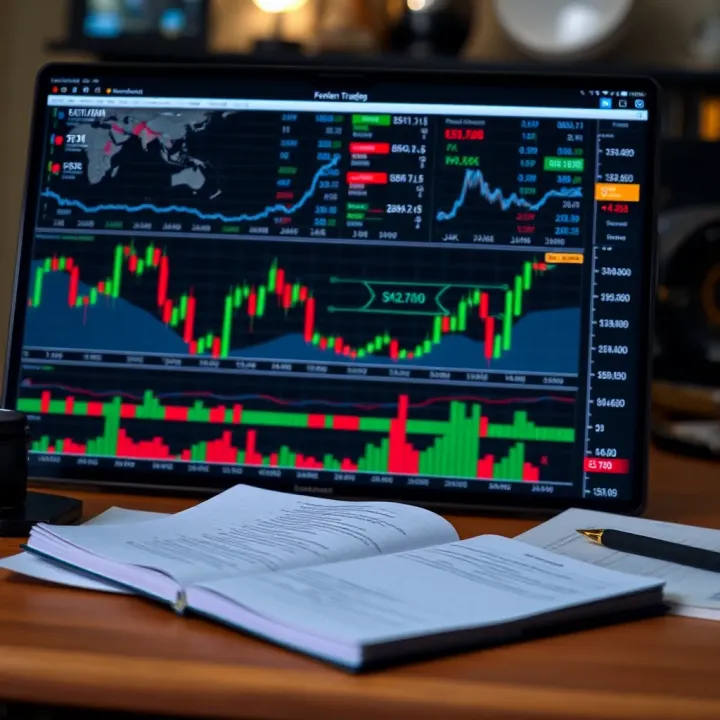
Charting, indicators, and order types are critical to efficient trading. Charts help track price movements; indicators like Moving Averages or RSI highlight trends or momentum. Knowing order types—market orders, limit orders, stop-losses—lets you automate entry and exit points, helping manage risk practically instead of reacting emotionally when the market shifts.
Utilising mobile trading apps is increasingly popular as South Africans rely heavily on mobiles. Apps from established brokers allow you to monitor trades on the go, receive push notifications of market news or price alerts, and execute trades quickly. This is invaluable during Eskom loadshedding or when away from your desk, ensuring you don’t miss key market moves.
Getting started properly with a regulated broker and reliable platform isn’t just about ticking boxes—it’s about setting yourself up for sustainable, informed trading that fits South African realities.
By understanding how to open accounts, choosing the right platform, and making full use of tools on desktop or mobile, you gain the basics essential to begin trading forex with confidence and clarity.
Understanding key trading concepts and strategies is essential for anyone aiming to navigate the forex market successfully. These fundamentals provide the tools and frameworks needed to analyse market movements and make informed decisions. Without a solid grasp of these basics, even the most promising trade ideas can falter under real-market pressures.
Understanding economic indicators and news events is at the core of fundamental analysis. For example, South African traders closely watch Economic Freedom Fighters (EFF) policy shifts or SARB's interest rate decisions, as these can cause big swings in the rand (ZAR). Economic reports like GDP growth, inflation rates, or unemployment numbers also play a significant role in predicting currency moves. When SARB raises the repo rate, the rand often strengthens due to higher yields attracting foreign investors.
On the other hand, reading charts and price patterns falls under technical analysis. Traders use visual tools like candlestick charts to spot trends and potential reversals. For instance, spotting a head and shoulders pattern on the EUR/USD chart might signal a forthcoming downturn. In South Africa, platforms like MetaTrader 4 or 5 are popular for this purpose, letting traders apply indicators like Moving Averages or RSI to refine entry and exit points.
Combining both approaches effectively means blending the big-picture economic outlook with the finer price action details. Suppose you notice positive economic data for the rand, but technical indicators show overbought conditions; you might hold off on buying until a pullback occurs. This combined method helps avoid chasing false moves and improves the timing of trades.
Trend following and breakout trades are among the most straightforward strategies. Trend followers aim to buy currencies that are rising and sell those falling, riding the momentum. If the USD/ZAR shows a steady upward trend over several sessions, a trader might enter long positions to capitalise on that. Breakout trades focus on when the price moves beyond a defined support or resistance level, signalling potential for a strong move. For example, a rally above the USD/ZAR resistance at R18.50 might trigger buy orders anticipating further gains.
In contrast, range trading basics involve identifying price levels where a currency pair keeps bouncing between support and resistance. Traders buy at support and sell at resistance, profiting from the predictable oscillation. Say the EUR/ZAR hovers between R17.00 and R17.30 for several days; this setup can offer several buying or selling opportunities until a real breakout occurs.
Finally, using stop-loss and take-profit orders is crucial for managing risk and locking in profits. A stop-loss automatically sells your position if the market moves against you by a set amount, limiting losses. Conversely, a take-profit order closes your trade once a favourable price is reached. Consider opening a USD/ZAR trade at R18.40 with a stop-loss at R18.30 and take-profit at R18.60. This setup clearly defines how much you risk versus what you aim to gain.
Knowing how to use these concepts keeps you disciplined and protects your trading capital—critical for long-term success in forex trading.
Together, these concepts and strategies build a strong foundation for making confident trades that align with market realities and your personal risk tolerance.
When trading forex, managing risks isn’t just a safety net—it’s fundamental to long-term success. Given the market’s volatility and the leverage involved, safeguarding your capital helps you weather losses and capitalise on gains without being wiped out by a single bad trade. A clear grasp of risk offers not just peace of mind but practical tools to keep your trading sustainable.
Leverage lets you control a larger position with a smaller amount of money, also called margin, but it can amplify both profits and losses. For example, using 100:1 leverage means with R1,000 in your account, you can trade up to R100,000 worth of currency. While it's tempting to use high leverage because the potential gains seem larger, a wrong move risks wiping out your capital very quickly. Many traders underestimate how rapidly losses can mount when the market swings against them, which makes careful leverage use critical.
Forex markets often experience rapid price changes, known as volatility, influenced by economic news, geopolitical events, or market sentiment shifts. Volatility can create opportunities for gains, but it also increases risk, as prices may move sharply before settling. For instance, during a surprise interest rate announcement by the South African Reserve Bank (SARB), the rand can fluctuate wildly, affecting open trades unexpectedly. Understanding market conditions and preparing for such swings helps traders avoid being caught off-guard.
New traders often dive in without a solid plan, chasing quick wins or overtrading after losses. Failing to set stop-loss orders or ignoring market signals frequently leads to significant drawdowns. Also, emotional decision-making—like holding losing trades hoping for a rebound—can compound losses. Avoiding these pitfalls by sticking to a strategy and maintaining discipline is essential to protect your investment.
Deciding how much to risk per trade is vital. A common rule is to risk no more than 1-2% of your trading capital on any single trade. For example, with a R50,000 account, risking 1% means you limit losses to R500 per trade. This prevents any single bad trade from causing major damage, allowing you to stay in the game longer and manage your portfolio better.
Many traders expect large, quick profits, but forex trading typically rewards consistent, manageable growth over time. Setting achievable daily or weekly targets, like 0.5-1% returns, aligns your expectations with market realities. Realistic goals reduce the temptation to take high-risk trades, promoting steadier, less stressful trading.
Recording every trade, including entry and exit points, reasons for the trade, and the outcome, helps identify patterns in your behaviour and strategy performance. Over time, this practice reveals what works and where improvements are needed. For instance, you might notice that you perform better trading the rand during local market hours or that you tend to close trades too early. A trading journal is thus a powerful tool for continuous learning and better risk control.
Managing risk isn’t about avoiding losses entirely—it’s about controlling them so trading remains a steady, manageable activity over the long haul.
By understanding how leverage works, recognising volatility, and avoiding emotional pitfalls, you’ll be better placed to protect your investment. Coupled with disciplined position sizing, practical goals, and a thoughtful trading journal, these techniques give you a solid foundation for navigating the forex market wisely.
Knowing where and how to find reliable learning materials is fundamental for anyone keen on forex trading. PDFs and other learning resources offer practical advantages, helping traders build skills systematically. These tools are especially useful for South African traders who want clear, localised guidance without the noise of confusing or irrelevant information.
Trading PDFs provide a convenient way to learn at your own pace, without needing constant internet access. You can download guides, tutorials, or strategy outlines and return to them anytime—whether you’re commuting or waiting out loadshedding. This offline access is priceless in places where connectivity can be patchy or costly.
Having content organised logically helps avoid feeling overwhelmed. For instance, a beginner's PDF might start with forex basics, progress to key strategies, then explain risk management. This step-by-step build-up offers clear milestones. Instead of jumping all over the place on webpages, you get a focused, linear learning path.
Once you’ve digested the basics, it’s handy to have PDFs bookmarked or saved for on-the-spot refreshing. Say you’re about to place a trade during a session; a well-prepared PDF can remind you of crucial indicators or order types without trawling online forums.
Regular revision keeps essential concepts sharp, something every trader should do to avoid rusty judgement. Unlike videos or podcasts, PDFs let you highlight, annotate, or extract key parts efficiently. They’re also ideal for keeping notes alongside charts or your trading journal.
Forex trading in South Africa presents unique conditions—from exchange control regulations to local brokers' platforms and costs. Having PDFs that explain these specifics saves time and steers clear of mistakes.
Look out for materials tailored to South African traders, perhaps addressing local brokers like Standard Bank Online Trading or local forex platforms such as IG or EasyEquities. Such content might also touch on SARS tax treatment for forex gains or how load-shedding impacts trading routines.
Many South African or internationally regulated brokers offer downloadable guides designed for their platforms. These are often free and regularly updated to reflect market changes or new functionality.
For example, a broker like Plus500 or HotForex might provide detailed PDFs covering how to use their trading apps, set stop-loss correctly, or explain spreads and leverage clearly. Using broker-specific materials ensures your learning matches the tools you’ll actually use.
Dedicated websites focused on trading education frequently provide extensive PDF resources. These often cover foundational trading principles, advanced strategies, or even psychological aspects of forex trading.
Sites focused on South African audiences or broader African markets may also offer locally relevant insights. For instance, platforms like MyBroadband or Trading Academy South Africa occasionally share practical PDF guides that reflect prevailing trading conditions and regulations.
Engaging in local forums or social media groups can lead to discovering a range of user-shared learning documents, including PDFs. Traders often recommend trustworthy materials or share their own notes, which can be invaluable.
Groups on platforms like Facebook or WhatsApp, centred around South African trading, add a community dimension. You’re more likely to find content addressing real issues South African traders face, from managing rand volatility to navigating municipal internet constraints.
PDFs and learning resources are not just about knowledge—they help build a disciplined approach to trading. Having the right materials close at hand supports better decisions, especially when South African market conditions add layers of complexity.
📉 Explore forex trading fundamentals from a South African perspective. Learn market dynamics, strategies & risk tips to trade with confidence.
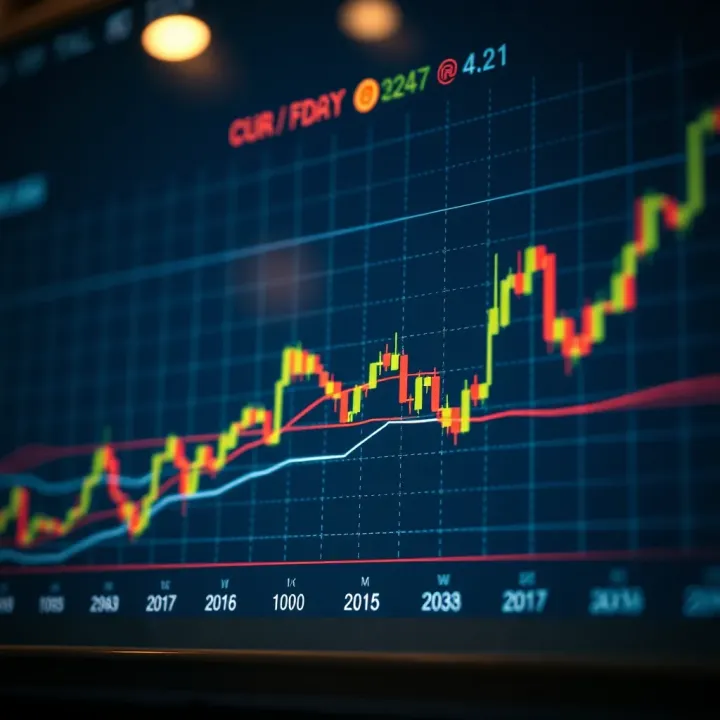
📊 Learn fundamental forex trading basics with key economic indicators and global influences. Get insights on strategies & risk management in SA's currency markets.
🚨 Learn to spot and avoid common forex trading scams in South Africa. Stay informed on warning signs and protect your investments confidently. 💼💡

📈 Explore top forex trading seminars in South Africa! Discover benefits, key topics, and tips to select the right seminar to boost your trading skills effectively.
Based on 6 reviews