

How to Get Free Funds for Binary Options Trading in South Africa
Discover how traders in South Africa can access free funds for binary options trading 💰. Learn about legit bonuses, risks ⚠️, and tips to spot reliable platforms.
Edited By
Emily Carter
Binary option trading has gained traction among South African traders eager for quick returns on financial markets like forex, commodities, and indices. Unlike traditional trading, binary options offer a straightforward yes-or-no proposition: will an asset’s price rise or fall within a set timeframe? This simplicity draws many new traders but also carries significant risks.
In South Africa, understanding binary option trading requires careful navigation of local regulations. The Financial Sector Conduct Authority (FSCA) has maintained a cautious stance due to the high risk and prevalence of scams in this space. For that reason, many South African traders access foreign platforms, some of which aren’t regulated locally. This can open doors to unreliable operators with questionable practices.
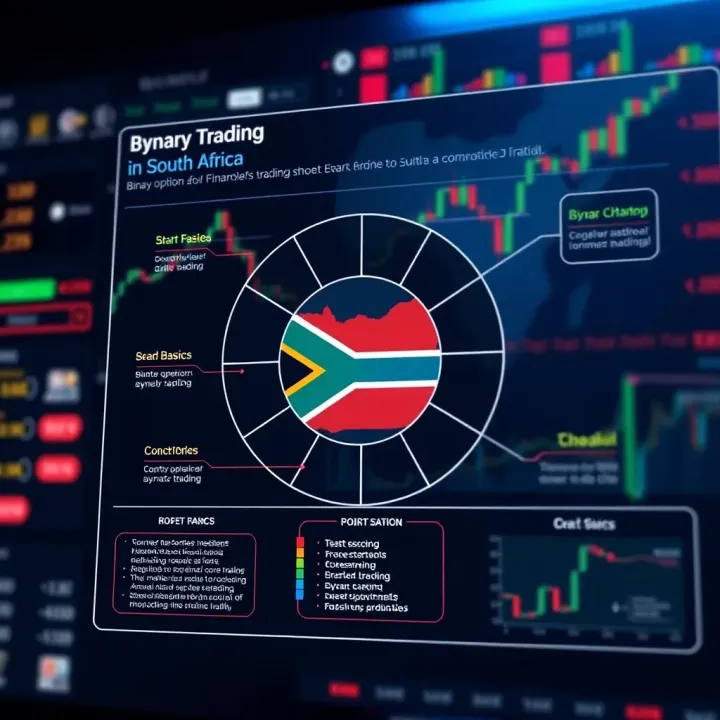
Caution is vital: binary options resemble gambling more than investing and can quickly erode your capital if approached without a clear strategy.
Practical examples include predicting whether the price of oil will be above R1,000 per barrel in the next hour or if the rand-dollar (ZAR/USD) exchange rate will close higher today. The payoff is fixed, often 70-90% of the stake if the option expires ‘in the money’, but losses are total if the prediction fails.
South African traders should consider:
Using only FSCA-regulated brokers or those with strong reputations internationally.
Starting with demo accounts to grasp mechanics without risking real money.
Setting strict limits on investment sizes to manage downside risks.
Keeping abreast of updates from FSCA and other consumer protection bodies about binary option warnings or bans.
Unlike conventional share trading on the Johannesburg Stock Exchange (JSE), binary options are often short-term and speculative. This means they do not suit long-term wealth building but may serve traders with high risk tolerance and a disciplined approach.
By grounding trading practices in awareness of the regulatory framework and realistic expectations, South African investors can reduce exposure to unsafe platforms and scams. Following local advice and keeping an eye on emerging policy changes will help you navigate the fast-moving and risky world of binary option trading safely.
Binary option trading has caught the attention of many South African traders due to its simplicity and appeal as a short-term investment tool. At its core, it involves placing a bet on whether the price of an underlying asset will rise or fall within a fixed period. This straightforward "yes or no" setup can be attractive compared to traditional trading, especially for newcomers wanting a clear risk-reward scenario.
Understanding what binary options entail is key before diving in. It helps you grasp the mechanics, manage expectations, and see how this form of trading fits into the broader investment landscape. For instance, knowing the basics supports better decision-making and prevents common pitfalls that others may fall victim to.
Binary options are financial contracts where the outcome is either a fixed payout or nothing, based on a simple condition: will the asset's price be above or below a certain level at expiry? Imagine predicting whether the price of gold will be higher in 15 minutes. If your prediction is right, you get a predetermined return; if wrong, you lose your stake.
This fixed outcome means you know your maximum loss upfront. It differs from traditional trading where losses could be open-ended. This clarity plays a vital role for South Africans who want to manage trading risks without complex calculations or margin calls.
South African traders often deal with several types of binary options, each with practical uses:
High/Low (Call/Put): The most common form, betting on whether the price will close above (call) or below (put) a specific level.
One Touch/No Touch: Here, you predict if the price will touch a certain level at any time before expiry, good for capturing volatile market swings.
Range Options: You decide if the price will remain within a set range, useful for sideways markets.
Each type caters to different strategies and market views. For example, a range option might suit a trader expecting low volatility during the South African public holiday periods when markets tend to slow down.
Binary options are available on a variety of assets—stocks, commodities, forex pairs, and indices. South African traders often prefer forex pairs like USD/ZAR or commodities like gold and platinum, given their local economic relevance.
Selecting the right asset means considering market familiarity and liquidity. For instance, knowing the impact of local economic data on the rand can guide better timing for trades involving USD/ZAR pairs. Assets with high daily volume typically offer tighter spreads and quicker execution—critical factors when trading binaries.
Expiry time is the countdown for your trade outcome, ranging from as little as 30 seconds to several hours or even days. Short expiry times suit quick market moves but come with higher unpredictability. Longer expiries provide more breathing room to absorb market noise but require patience.
Payouts are fixed percentages of your stake, often between 70% and 90%, depending on the asset and broker terms. Knowing the payout upfront helps you calculate your potential profits and losses clearly.
Traders should remember that while binary options appear straightforward, success depends on solid market understanding and managing expiry choices wisely. A 60-second trade on the USD/ZAR might seem tempting, but without insight into local economic releases, it is pure guesswork.
By grasping how binary options work and how trades are structured, South African traders can approach this market segment more confidently and with clear expectations.
Understanding the regulatory framework for binary options trading in South Africa helps traders navigate safely in a market known for its risks and occasional scams. Local rules, enforced by authorities like the Financial Sector Conduct Authority (FSCA), aim to protect consumers while establishing a clear standard for brokers operating here. Without knowing how regulation works, traders can easily fall prey to unlicensed operators or misunderstand their rights and risks.
The FSCA is the official watchdog for financial services, including binary options trading. Only brokers who hold a valid FSCA licence are authorised to provide these services legally within South Africa. For instance, a broker licensed by the FSCA must comply with strict rules about transparency, client fund protection, and fair trading practices. This means if you're trading binary options, picking an FSCA-approved broker is your surest bet for legitimacy and legal protection.
For example, when comparing platforms, traders should check if the broker’s licence number is verifiable on the FSCA website. Unauthorised brokers often operate offshore without South African oversight, leaving clients vulnerable to fraud or sudden blocked withdrawals.
The FSCA recently stepped up enforcement due to a wave of scams linked to binary options, including bogus platforms disguised as investment opportunities. These updates include tighter scrutiny on marketing practices, mandatory disclosure of risk, and swift action against unlicensed operators. Practically, this means traders can expect more transparency and better consumer safeguards.
Also, the FSCA now requires brokers to clearly warn about the high-risk nature of binary options and prohibits misleading promises of guaranteed returns. This regulatory push is crucial because it curbs aggressive selling tactics that have historically lured South African traders into traps.
Scams in binary options often involve fake platforms promising huge profits with little effort. These outfits may encourage upfront deposits, block withdrawals, or manipulate account information. A common red flag is unsolicited calls or emails pushing last-minute 'exclusive offers' or 'secret strategies.'
Another trick is misrepresenting the broker’s regulatory status. Always confirm licensing through the FSCA before parting with any cash. Also, watch out for platforms that lack clear contact details or refuse to provide straightforward terms and conditions.
South African law provides some protection to traders who use authorised financial service providers. For example, the Financial Advisory and Intermediary Services Act (FAIS) requires brokers to act honestly and fairly toward clients.
If things go wrong, traders can lodge complaints with the FSCA or seek recourse through the Ombud for Financial Services Providers (FAIS Ombud). While these mechanisms do not guarantee recovery of funds, they help hold fraudulent operators accountable and offer a route to resolve disputes.
Choosing an FSCA-authorised broker and knowing your legal rights are the best defences when trading binary options in South Africa.
Knowing the regulatory landscape is key for anyone serious about binary option trading locally. It empowers you to make informed decisions, avoid scams, and engage with brokers who play by the rules. In a market often clouded by quick-money promises, regulation brings some necessary clarity and safety.
Deciding on the right broker is a critical step for anyone looking to trade binary options in South Africa. Your broker will act as the gateway to the market, making the choice more than just a formality — it affects security, ease of use, and ultimately your chances of success. Given the relative risks tied to unregulated brokers and the lingering presence of scams, it pays to be cautious.
When choosing a broker, check whether they’re authorised by the Financial Sector Conduct Authority (FSCA), South Africa’s financial watchdog. FSCA authorisation is a strong indicator that the broker meets local regulatory standards designed to protect traders’ interests and ensure market fairness. Since FSCA-licensed brokers must comply with strict rules around transparency, client fund safety, and dispute resolution, they generally provide a safer trading environment.
Even so, some brokers operate internationally without FSCA approval. Trading with such platforms can expose South Africans to legal and financial risks, including difficulties withdrawing funds. For instance, brokers operating solely offshore might lack robust customer support or adhere to lower compliance requirements, which creates headaches down the line.
The trading platform itself needs to be user-friendly and responsive. Imagine trying to place a trade during a sudden market move but being slowed down by clunky navigation or frequent downtime; it’s frustrating and costly. Look out for features such as real-time charts, clear expiry timers, and straightforward deposit and withdrawal processes.
Additionally, some platforms offer educational resources and demo accounts, which are invaluable for beginners wanting to familiarise themselves with binary options without risking real money. Popular local platforms often provide interfaces tailored for South African users, including availability in English and currency settled in Rand, making the whole experience more accessible.
South African traders can choose between homegrown brokers and international ones. Local brokers usually understand the regulatory environment better and provide support geared for South Africans. However, they might offer a limited number of assets or trading options compared to larger international platforms.
International brokers typically provide a wider selection of assets, including global indices, forex, and commodities. That said, many do not accept South African clients legally or may lack FSCA authorisation, raising red flags. It’s vital to confirm a broker’s legitimacy before registering.
A broker that supports deposits and withdrawals in South African Rand makes trading smoother and avoids currency conversion fees. Reliable brokers often partner with local payment services like EFT (electronic funds transfer), Instant EFT options, or mobile wallets common in South Africa.
Withdrawals can sometimes be tricky. Some international brokers insist on using the same payment method for withdrawing funds, which may not always be convenient or quick. South African traders should prioritise brokers that offer straightforward, speedy Rand withdrawals without excessive charges or delays.
Choosing a reputable broker with local FSCA licence and smooth Rand payment options is not just a preference but a safeguard against unnecessary risks in binary options trading.
In summary, selecting the right binary options broker in South Africa means balancing safety via FSCA authorisation, platform usability, and practical payment options. These factors create a firmer footing for trading confidently, whether you’re just starting or looking to sharpen your strategies.
Understanding the risks and limitations attached to binary option trading is key for anyone thinking of entering this space. South African traders, in particular, should be aware that while binary options can offer quick returns, they carry significant risks that can rapidly erode capital if not managed carefully. This section highlights common challenges and practical ways to approach them.
Financial markets often swing with little warning, influenced by economic news, geopolitical events, or even sudden shifts in investor sentiment. For binary options, which typically have short expiry times ranging from minutes to hours, this volatility can severely impact outcomes. For example, if you're betting on a currency pair like the rand vs. the US dollar, an unexpected SARB interest rate decision or political event can push the market beyond your prediction almost instantly.
Because binary options pay out based on a simple yes/no proposition at expiry, sharp price moves mean a trade that was looking solid can flip to a loss within moments. This unpredictability demands that traders stay alert and understand that even a well-informed guess can quickly go astray due to factors beyond their control.
Unlike traditional trading where profits can theoretically scale with favourable price movements, binary options offer fixed payouts and fixed losses. This means your maximum loss is the amount invested in the trade, and your maximum gain is capped. For instance, placing R1,000 on a trade might return R1,700 if successful, but a complete loss of R1,000 if it fails.
While the capped loss can feel like a safety net, it also means you can lose repeatedly without recouping losses unless you compensate with a high success ratio. This asymmetry makes it vital to assess your risk tolerance properly and avoid overcommitting on any single trade or sequence of trades.
One practical way to manage risk is not to put all your money on one type of asset or condition. Spreading your trades across different underlying assets—such as indices, commodities, and various currency pairs—helps cushion against the sudden poor performance of any single market.
Alongside diversification, setting limits on the amount invested per trade or total daily exposure prevents runaway losses. For example, a trader might choose to risk no more than R200 per trade and cap the total daily spending to R2,000, halting trading for the day once the limit hits. This discipline guards your capital against emotional decisions common during losing streaks.
Before committing real Rand, many binary options platforms offer demo accounts where you can practise trading with virtual funds. This hands-on approach helps you familiarise yourself with the trading interface, test strategies, and understand how expiry times and payouts work without risking money.
For South African traders, using demo accounts is especially useful to get used to how local and international broker platforms operate with Rand deposits and withdrawals. It also allows you to develop discipline and refine decision-making in a risk-free environment. Remember, mastering the basics here can save you from unnecessary losses once you start trading live.
Managing risk in binary option trading isn't about eliminating losses but keeping them controlled enough that your gains can have a real impact. Approach every trade with a clear plan, stay informed, and never risk more than you can afford to lose.
Trading binary options requires more than just luck—it demands practical skills and keen awareness, especially within South Africa’s unique financial and regulatory environment. This section offers actionable guidance to help you manage risks and make informed decisions when trading binary options locally.
Trading binary options involves grasping the basics of market movements and how different underlying assets behave. It’s essential to develop analytical skills, such as interpreting price charts and understanding short-term trends, which directly influence trade outcomes. For example, a trader keeping an eye on the JSE’s Top 40 index movements or following rand exchange rate fluctuations learns how external events affect binary options linked to these assets.
Beyond market analysis, emotional discipline plays a big role. Traders must resist chasing losses or making impulsive trades, particularly when faced with sudden market swings or unexpected news, like shifts in SARB’s repo rate. Skills like patience and sticking to a well-thought-out strategy can reduce costly mistakes.
Many seasoned traders recommend beginning with minimal investment amounts to test the waters. If you’re trading on a platform accessible to South Africans, try placing small-value trades—perhaps R50 to R100—to see how price movements affect your positions without risking a significant portion of your capital.
Using demo accounts offered by brokers is another smart way to learn without financial risk. These simulate live markets and let you practice executions and timing in a safe environment. Starting small and gradually increasing your exposure once confident keeps losses manageable and builds your trading know-how steadily.
The Financial Sector Conduct Authority (FSCA) is the watchdog that monitors trading practices in South Africa, including binary options. Keeping track of FSCA announcements helps you avoid brokers operating without proper authorisation and protects you from potential scams. For instance, FSCA might issue warnings about unlicenced platforms or changes in regulatory requirements that impact trader protections.
Staying aligned with these updates ensures you only trade through compliant brokers and understand evolving consumer rights. Ignoring FSCA guidance could expose you to vendors who don’t follow South African laws or safeguard your funds properly.
Economic indicators such as inflation figures, unemployment rates, or manufacturing outputs can swiftly influence the markets your binary options depend on. A shift in the SARB’s inflation target or unexpected GDP growth results tend to affect the rand and broader stock market, which in turn impacts binary option asset values.
Regularly following these indicators through trusted South African financial news services helps you anticipate market movement and choose your trades accordingly. For example, if employment numbers disappoint, expect increased volatility in the local market—traders who’re paying attention can make smarter calls on puts or calls within their binary options.
Staying practical with your trading means continually building skills, monitoring the regulatory landscape, and reading economic signs. These habits make your approach smarter and mean less chance of getting caught out in South Africa’s tricky trading environment.
Discover how traders in South Africa can access free funds for binary options trading 💰. Learn about legit bonuses, risks ⚠️, and tips to spot reliable platforms.
🔍 Find the best trading app in South Africa with our practical guide. Compare fees, security, and asset options to trade confidently. 📱💰
🚨 Learn to spot and avoid common forex trading scams in South Africa. Stay informed on warning signs and protect your investments confidently. 💼💡

📈 Explore top forex trading seminars in South Africa! Discover benefits, key topics, and tips to select the right seminar to boost your trading skills effectively.
Based on 7 reviews