

Forex Trading Guide for South Africans
📈 Learn forex trading in South Africa with this practical guide! Master market basics, local rules, and risk strategies for smarter trading decisions.
Edited By
Henry Wallace
Binary option trading is a simple form of financial speculation where you predict whether an asset’s price will rise or fall within a set time. The payoff is fixed: you either win a pre-agreed amount or lose your stake, making risk easier to manage. This appeals to many South African traders who want clarity on their potential losses upfront.
Unlike traditional trading, where profits and losses fluctuate, binary options offer fixed returns. For example, if you believe the share price of a JSE-listed company will be higher in 30 minutes, you place a ‘call’ option. If it’s higher at expiry, you get a fixed payout; if not, you lose the investment for that trade.
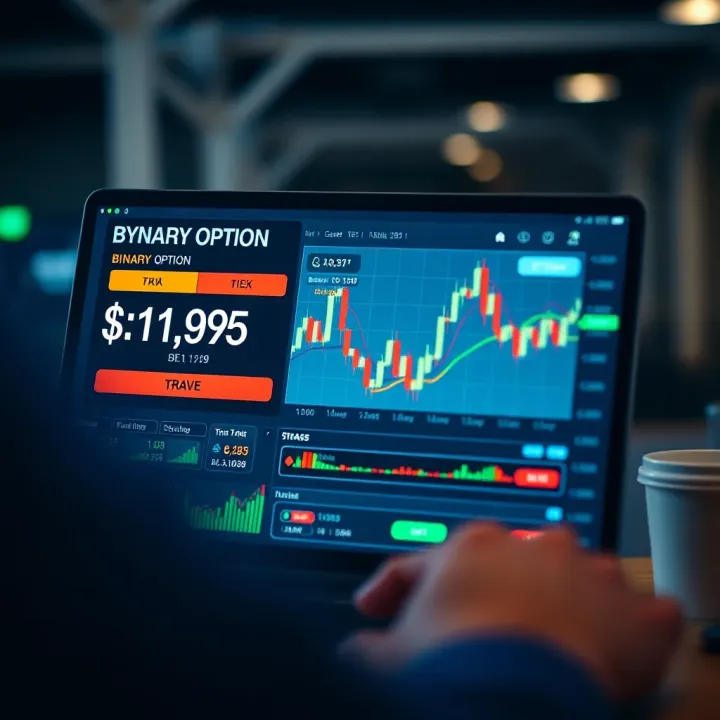
One key advantage is knowing your maximum loss before entering the trade, which helps with disciplined money management.
South African traders should be aware of the local regulatory landscape. The Financial Sector Conduct Authority (FSCA) oversees financial services, but binary options are often offered by international platforms not regulated locally. This means there’s a higher risk of scams or unlicensed brokers, so doing due diligence is critical.
Here’s how the trading process usually looks:
Choose an asset (stocks, currencies, indices, commodities)
Select expiry time (minutes, hours, or days)
Decide on trade size
Predict direction (call for up, put for down)
Watch for fixed payout if your prediction is right
Common strategies used include trend analysis, support and resistance levels, and news-based trading. Still, it’s vital to start small, test strategies, and avoid chasing losses.
Understanding the platform’s terms—like payout rates, expiry times, minimum trade amounts—is key before trading. It’s also wise to consider the impact of loadshedding on internet connectivity, which can disrupt trades.
In the next sections, we’ll break down practical tips, common pitfalls, and local insights to help you navigate binary option trading safely and effectively within the South African market.
Understanding the basics of binary option trading forms the foundation for anyone looking to navigate this market confidently. At its core, binary option trading involves predicting whether the price of an asset will be above or below a set level at a specific time. This simplicity attracts many South African traders who want to engage without the complexities of traditional trading methods.
Simply put, binary options are financial instruments that let you speculate on price movements for assets like stocks, currencies, commodities, or indices. The outcome is "binary" – either you win a predetermined payout or lose the initial investment. For example, if you predict that the price of gold will rise above R28,000 by market close and it does, you earn the fixed payout agreed upon. If it doesn’t, you lose what you staked.
This all-or-nothing feature means risk and reward are capped, which some find easier to manage. For South African traders working with limited funds or wanting clear-cut exposure to the markets, binary options can be attractive compared to margin trading or CFDs where losses can escalate.
Binary options differ significantly from traditional trading methods. When buying shares or forex, profits or losses fluctuate depending on price changes. With binary options, you don’t own the underlying asset and profits are fixed at trade entry, making it more like a wager than an investment.
Additionally, traditional trades often require complex analysis and risk management because price swings can be indefinite. Binary options have fixed expiry times, ranging from minutes to days, after which the position closes automatically.
This fixed time frame and fixed payout structure offer clarity but also means if the market barely misses your target, you could lose the entire stake.
In the South African context, this clear-cut approach appeals to retail traders juggling tight budgets and time constraints. However, it also demands discipline and understanding of market movements because even small misjudgements can lead to complete losses.
Binary option trading is not about gradual profit building like traditional investing but about making precise short-term predictions. This key difference shapes strategies, risk appetite, and trading behaviour. Knowing this allows you to align your expectations and trading plan accordingly.
Understanding these basics gives you a realistic view of what binary options offer, helping you decide whether this form of trading fits your financial goals and risk tolerance in the South African market environment.
Understanding how binary option trades function is essential for anyone looking to engage in this form of trading effectively. Unlike traditional trading, where profits and losses fluctuate, binary options offer a fixed outcome: either you win a predetermined payout or lose your initial stake. Getting a grip on the mechanics helps South African traders minimise risks and make informed decisions.
Before placing a trade, you need to select the asset and the expiry time. Assets typically include shares, indices, currencies (like USD/ZAR), or commodities (such as gold or crude oil). Picking the right asset depends on your market knowledge and research. For example, you might favour shares of a company listed on the JSE if you're familiar with their recent performance.
Expiry times refer to when your trade will conclude. These can range from as short as 60 seconds to several hours or even days. Short expiry times are tempting for quick action but can be more volatile and unpredictable, while longer expiry periods allow for more thorough market analysis. In practice, if you expect a particular event, like an economic announcement from the SARB (South African Reserve Bank), an expiry time shortly after the event might offer opportunities based on market reactions.
In binary options, you bet on whether the price of an asset will finish above or below a certain level at expiry. If you believe the price will rise, you buy a call option. Conversely, if you think the price will fall, you select a put option. For instance, say you expect the Rand to weaken against the US Dollar due to local political uncertainty; you could place a put option predicting USD/ZAR will be higher at expiry.
Accurate prediction requires keeping an eye on market indicators, news, and sometimes technical analysis. Recognising patterns or events that influence price movement helps you take a more calculated position rather than relying on guesses. Keep in mind, binary options eliminate partial wins – your prediction must be exactly right at expiry to gain the payout.
Binary options offer fixed payouts, commonly between 70% to 90% of your stake for a correct prediction. For example, if you invest R1,000 and your option expires in-the-money, you might earn R1,800 (your stake plus R800 profit). On the other hand, if your prediction is wrong, you lose your initial R1,000 with no chance for partial recovery.
It’s key to understand that these fixed payouts mean your risk is capped upfront. Unlike buying shares where losses and gains can be open-ended, here you know exactly what you stand to lose or make before entering the trade. However, payout rates vary with the asset and the platform, so comparing these beforehand can improve your edge.
Choosing the right asset, understanding expiration timelines, and clear grasp of call or put options are the cornerstones of successful binary trading.
Overall, mastering the setup and mechanics of binary options trades is the foundation for any South African trader aiming to navigate this market thoughtfully and with control.
Having a clear set of strategies and practical tips is essential for anyone serious about binary option trading. Without a structured approach, it's easy to fall victim to impulsive decisions that sap your funds. This section unpacks common strategies and risk management techniques that help South African traders make more informed choices and keep emotional biases in check.
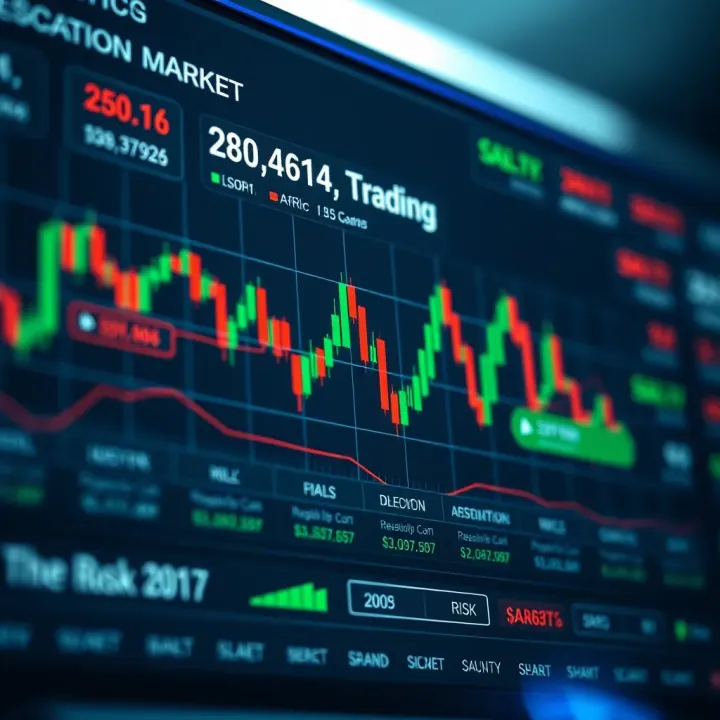
Trend following involves analysing the market to identify ongoing price directions—up, down, or sideways—and trading in the same direction. For instance, if the price of gold has been steadily climbing for several hours, a trend follower would place a call option expecting it to continue rising. This approach suits traders who prefer to stick with clear market momentum rather than guess reversals. It demands patience and a good eye for chart patterns, especially as volatile markets can fake trend shifts before settling.
Range trading suits markets where prices move between fixed levels, bouncing off support and resistance zones without clear upward or downward trends. Say, the price of the JSE Top 40 stock ETF oscillates between R150 and R160 throughout the day; a range trader would buy call options near R150 expecting an uptick and put options near R160 anticipating a pullback. This strategy requires keen observation of price boundaries and timing trades to these reversal points. It can be especially useful during periods of low volatility, when market movements lack strong direction.
Some traders build strategies around scheduled news releases or economic events that cause sudden price shifts. For South Africans, this might include reacting to SARS tax announcements, SARB interest rate decisions, or global commodity updates impacting rand-linked assets. News-based trading demands quick decision-making and access to reliable news sources. For example, a surprise hike in the repo rate might prompt a put option on banking stocks expected to dip. However, it carries higher risk due to unpredictable market reactions.
One of the simplest yet most effective ways to manage risk is setting daily or weekly loss limits. For example, deciding not to lose more than R500 on binary trades in a day helps stop a losing streak before it wipes out your balance. It's tempting to chase losses, but discipline around limits preserves capital. Limits also apply to profits — locking in gains prevents giving back hard-earned returns during volatile swings.
Avoid putting all your eggs in one basket by spreading trades across different assets or expiry times. If you bet solely on forex pairs like USD/ZAR, unexpected currency moves might hit your portfolio hard. Instead, consider mixing in commodities like gold or oil, plus various expiry periods to smooth out risk. Diversification helps cushion shocks and reduces the chance that one bad trade spoils the whole day.
Binary option trading can get tense — wins and losses happen fast, and it’s easy to panic. Sticking to your strategy rather than ‘going rogue’ after a loss matters a lot. A trader who lets emotions run buys ill-timed options, risking hefty losses. Keeping detailed trade logs and pre-planned entry-exit rules helps curb impulsive trades. Taking regular breaks away from screens also prevents burnout and rash decisions.
Having strategies and solid risk controls in place transforms binary options from guesswork to a manageable, skill-based endeavour. For South African traders balancing loadshedding distractions and market noise, these tips are vital to navigate with calm and confidence.
Binary option trading can seem like an easy path to quick profits, but it carries significant challenges and risks, especially for South African traders navigating volatile markets. Understanding these risks upfront helps prevent costly mistakes and overexposure to losses.
Binary options operate on a fixed payout structure, meaning you either win a predetermined amount or lose your full stake. This all-or-nothing nature makes them inherently high-risk. For example, if you bet R1,000 expecting the price of a share to rise within a specific timeframe but it doesn’t, you lose the entire R1,000 – no halfway ground. This aspect demands careful risk management.
Traders sometimes underestimate how quickly losses can accumulate if they follow poor strategies or trade impulsively. Even experienced traders report losing money when markets behave unpredictably—think sudden Eskom loadshedding announcements affecting mining stocks unexpectedly. Therefore, setting strict loss limits or daily maximum stakes can protect your capital.
Unfortunately, the binary options sector has attracted shady operators, resulting in scams that prey on unsuspecting traders. Common tricks include withholding withdrawals, offering too-good-to-be-true profits, and aggressive upselling of training courses or signals.
Beware platforms that lack clear regulatory oversight from South Africa's Financial Sector Conduct Authority (FSCA) or operate without transparent contact details. Always verify their licence status and read reviews from credible sources like MyBroadband forums.
Tip: Never share your banking details or personal information without confirming the legitimacy of the platform. Authentic brokers will comply with RICA (Regulation of Interception of Communications Act) and FICA (Financial Intelligence Centre Act) requirements, asking for identification and proof of residence securely.
Another red flag is pressure to deposit larger sums or promises of guaranteed profits. Binary trading is speculative, and no legitimate platform guarantees success. Check if the platform offers a demo account to practise without risking real money.
In sum, the combination of high-risk trade structure and potential scams calls for cautious, informed participation. Protect your funds, stick to regulated platforms, and treat binary options as speculative trades, rather than a steady income source.
Being aware of these realities helps South African traders approach binary option trading with eyes wide open and safeguards against common pitfalls.
Navigating the regulatory landscape is key for anyone trading binary options in South Africa. These rules protect traders by setting standards for market conduct and operational transparency. Knowing what the legal framework looks like helps you avoid running into trouble with the law or falling victim to unscrupulous operators. It also clarifies your rights and obligations as a trader.
The Financial Sector Conduct Authority (FSCA) is the watchdog responsible for overseeing all financial services, binary options included. Their role is to ensure that providers comply with the law, treat clients fairly, and maintain adequate risk controls. For example, the FSCA verifies if a trading platform is registered and meets the prescribed capital and security requirements before it can offer services locally.
For traders, this means choosing platforms regulated by the FSCA adds an extra layer of security. Should issues arise, such as disputes or suspected fraud, the FSCA provides complaint channels and may intervene. However, many offshore platforms operate without FSCA oversight, exposing South African traders to significant risks.
South Africa's regulatory environment includes the Regulation of Interception of Communications and Provision of Communication-Related Information Act (RICA) and the Financial Intelligence Centre Act (FICA). RICA involves verifying the identity and contact details of users, while FICA focuses on anti-money laundering and combating the financing of terrorism. When you sign up with a legitimate binary options platform, expect a KYC (know your customer) process that collects and verifies your ID documents and proof of residence.
These steps may seem cumbersome, but they protect both you and the market. They help prevent identity theft and reduce the chance that your trading account could be used for illicit activities.
Profits from binary option trading in South Africa are considered taxable income. Whether you trade as an individual or run it through a business, SARS expects you to declare these earnings accurately. Keep detailed records of your trades, including dates, amounts invested, gains, and losses.
Depending on your overall income and how you report these profits, they could be subject to income tax at your marginal rate. In some cases, if trading is frequent and systematic, SARS might view it as a business activity rather than investment income, which affects allowable deductions. Consulting a tax professional familiar with financial trading is wise to avoid surprises during tax season.
Understanding and complying with South Africa’s financial regulations safeguards your trading experience and helps you avoid penalties down the line.
Being clear about these legal and regulatory aspects empowers you to trade smarter and safer in the South African binary options market.
Picking the right platform for binary options trading isn’t just about flashy graphics or big payout promises. For South African traders, it means choosing a space where your money is safe, trades run smoothly, and support is readily available when you hit a snag. The platform acts as the middleman between you and the market, so a reliable provider is a must to avoid unnecessary headaches and protect your capital.
Security comes first in online trading. Given the rise of scams targeting South African traders, a solid platform should have strong encryption, such as SSL certificates, to protect your personal and financial data. For example, many reputable platforms require two-factor authentication (2FA) to add an extra layer of security. This means even if someone cracks your password, they still can’t get in without a second code, usually sent to your mobile.
Besides encryption and 2FA, look out for clear privacy policies and secure payment gateways that work with local banks or trusted providers. A platform that fails to protect your details or struggles with deposits and withdrawals easily isn’t worth your time.
Trading binary options involves quick decisions. A user-friendly interface reduces fumbling and mistakes. Platforms that load quickly, show clear charts, and let you place trades with minimal clicks tend to suit traders better, especially beginners. For instance, platforms like IQ Option and ExpertOption have straightforward layouts that many South Africans find easy to navigate.
Good customer service can be a lifesaver if things go sideways. Look for platforms offering live chat, email, or phone support during South African business hours. Support in local languages or with a clear understanding of local conditions adds real value. Waiting days for a reply is a sign to reconsider.
Regulation is a big deal. Platforms overseen by recognised bodies, such as the Financial Sector Conduct Authority (FSCA) or other reputable international regulators like the Cyprus Securities and Exchange Commission (CySEC), have to meet minimum standards for fairness and security.
Unregulated platforms might lure traders with high returns or low barriers, but they come with increased risks — including withdrawal difficulties or unfair trading practices. South African traders should prioritise platforms that are regulated or at least transparent about their operations to avoid falling foul of scams or legal complications.
While South Africa doesn’t have many local binary options platforms, several international names operate in the region, often accessible to South African traders:
IQ Option: Known for its intuitive interface and strong security, it supports South African Rands and local payment methods.
ExpertOption: Offers simple charting tools and competitive payouts, with focus on user experience.
Binomo: Focuses on educational resources and a straightforward platform experience.
Remember, even on a popular platform, checking the fine print regarding regulation, fees, and withdrawal terms ensures you’re not caught off guard.
Reliable trading platforms protect your money, offer smooth trading experiences, and provide responsive support — all crucial to make confident binary options trades in South Africa.
Choosing well isn’t just about today’s trade. It’s about trust and safety for your ongoing trading journey.
Developing strong practical skills is fundamental to succeeding in binary option trading, especially in South Africa where the market has its own quirks and challenges. Trading isn't just about luck; it's about honing your ability to read market signals, manage your risk, and make informed decisions quickly. This section covers the essentials that help bridge theory and real-world application.
Demo accounts act like a training ground. They let you trade with virtual money in live markets, so you can test strategies without risking a cent. For example, a trader might use a demo account on platforms like IQ Option or Pocket Option to familiarise themselves with asset volatility and expiry times. This way, you learn how different assets behave — say, how the rand pairs fluctuate during South African working hours — before committing real funds.
Here are some practical tips for using demo accounts effectively:
Treat the demo account as if it’s real money to build discipline.
Experiment with different expiry times to see what suits your trading style.
Test risk management techniques, like limiting trade size or setting stop limits.
Avoid overconfidence: remember that emotions in real trading can affect decisions.
Successful traders use demo accounts not just for initial learning, but regularly to trial new strategies or adjust for changing market conditions.
The financial landscape never stands still, so continuous learning is key. Staying updated with economic news, both global and local (think SARB interest rate announcements or Eskom loadshedding schedules), can give you an edge. For instance, a sudden policy shift by SARB might affect the rand’s value, impacting your binary options on currency pairs.
Market analysis involves two key approaches:
Technical analysis: Studying charts and patterns to predict price movement, vital for timing your trades.
Fundamental analysis: Understanding economic indicators, company reports, or political events that influence asset prices.
Combining these approaches enhances your decision-making. Traders often use financial news sources like BizNews or Daily Maverick Business and tools such as TradingView for charting. Besides formal resources, joining South African trading forums or groups can provide practical insights and peer feedback.
Remember, the goal is to keep your knowledge fresh and adapt quickly. Trading is about reacting to information as it comes—and practicing that responsiveness sharpens your edge.
Building these skills takes time but improves your chances of steady returns and helps avoid emotional or impulsive trades that often lead to losses.
📈 Learn forex trading in South Africa with this practical guide! Master market basics, local rules, and risk strategies for smarter trading decisions.

📉 Explore forex trading fundamentals from a South African perspective. Learn market dynamics, strategies & risk tips to trade with confidence.
Explore forex trading software in South Africa 🇿🇦: types, features, pros & cons, top platforms, plus security & regulations every trader should know.
🕹️ Discover exact game trading hours in South Africa, learn how time zones affect markets, and get top tips to trade popular games smartly and profitably!
Based on 13 reviews