

Effective Forex Trading Tips for Beginners
📈 New to forex? Learn beginner forex trading strategies, risk management, demo accounts, platform tips, and psychology to trade smart and grow confidence.
Edited By
Ethan Hughes
Starting out in trading can feel like stepping into a busy Johannesburg taxi rank — a bit daunting and fast-paced. Picking the right trading app makes all the difference, especially if you're new to the market. The ideal app should make trading straightforward, secure, and suited to your needs.
South African traders face specific challenges: volatile markets, loadshedding interruptions, and data costs. So, an app that saves data, works well on average mobile connections, and has offline features for analysis can save you headaches.

A good beginner’s trading app balances usability with powerful features. It shouldn’t overwhelm newcomers but needs enough tools to grow your skills.
Here are key points to consider when choosing an app:
Ease of use: Look for a clean interface that guides you without jargon. Apps like EasyEquities are popular locally for this reason.
Costs and fees: Check for account maintenance fees, trading commissions, or withdrawal charges. High fees can eat into your profits quickly.
Safety and regulation: Only use apps regulated by the Financial Sector Conduct Authority (FSCA). This ensures your funds have legal protection.
Trading options: Consider whether the app offers shares listed on the JSE, derivatives, or international stocks. Beginners usually benefit from starting with local shares.
Educational resources: Some apps integrate tutorials, webinars, or demo accounts to practise without risk.
Trading apps are a bit like bakkies — some are built for speed, others for heavy loads. Your choice should match your trading style and tech environment.
Starting small, managing risk, and learning through doing can make trading more manageable. With the right app, you can trade confidently without getting lost in the noise.
Choosing the right trading app matters a lot, especially when you’re just starting out in South Africa’s market. A good app should make trading understandable, minimise mistakes, and help you learn as you go. Beyond just placing trades, these platforms should offer useful tools and clear info to guide your decisions without overwhelming you.
A beginner-friendly app needs a simple, intuitive interface that won’t send you running for the hills. When buttons are clear, menus logical, and key information upfront, it’s less likely you’ll make costly errors trying to find the right options. For example, apps like EasyEquities use straightforward layouts where buying shares feels more like browsing than decoding a puzzle.
Charts should be easy on the eye and simple to interpret. Complicated graphs crowded with too many indicators only put new traders off. Clarity here means you can spot trends or price changes without deciphering technical jargon. Some apps let you toggle between simple line charts and candlestick views, a practical feature when you’re still getting the hang of market moves.
You’ll want an app that works smoothly both on your mobile and desktop devices. Trading on your phone during a break or from the comfort of your stoep after work means flexibility. Plus, desktop access is useful for deeper analysis. Ensuring the app syncs your account seamlessly across devices saves you from headaches and missed trades.
Learning the ropes of trading shouldn’t feel like slogging through a textbook. That’s why tutorials or guides using simple, everyday terms are invaluable. They help build confidence without making you feel out of your depth. Look out for apps offering beginner sessions that explain everything from basic share trading to how forex operates in South Africa.
Trial runs on demo accounts give you the chance to practise without risking real money. Think of it as training wheels before hitting the open road. Many popular apps, like Webull, offer demo environments where simulated trading helps you test strategies and understand market reactions safely.
When you’re new, words like ‘bullish’, ‘pip’, or ‘stop-loss’ can cause brain freeze. A handy glossary within the app helps decode such jargon quickly, so you don’t have to keep googling in between trades. It’s a small feature that makes a big difference in staying engaged and informed.
Access to a variety of local and international financial instruments gives you room to diversify. Shares on the JSE, easily purchasable via EasyEquities, or ETFs that bundle many stocks together, cater well to cautious beginners. Indices, which track market sectors, also offer broader exposure without needing to pick individual shares.
For those curious about other markets, many South African apps now include forex and crypto options. Valr, for example, specialises in cryptocurrencies. While these are more volatile, they add opportunities for traders looking beyond traditional assets. Beginners should approach these with care but having access is a definite plus.
Traders have different appetites for risk and activity. Some prefer slow, steady investing, while others like to make quick trades daily. The best beginner apps signal which approach they support. For instance, apps with lower fees and easy-to-understand platforms suit conservative traders, while those with advanced tools and real-time data fit active traders better.
The right trading app is one that matches both your skill level and financial goals, balancing ease, education, and opportunity. Keeping these factors in mind helps new South African traders kick off with confidence and fewer hiccups.
Choosing the right trading app matters especially when you’re just starting out. The options available can vary a lot in terms of usability, fees, and the markets you can access. Getting to grips with these aspects early on helps you avoid surprises and makes trading less daunting. This section looks at some popular apps that suit South African beginners, comparing what they offer and how they stack up on costs and local compliance.
Valr stands out primarily for crypto trading. Based in South Africa, it offers access to over 60 cryptocurrencies, including Bitcoin and Ethereum, with competitive rates. This makes it ideal for new traders keen on exploring digital currencies without venturing into international exchanges. Plus, Valr provides a simple interface that isn’t too overwhelming for beginners but still offers advanced features like limit orders for when you get comfortable.

One advantage is its easy rand deposits and withdrawals, which avoids costly currency conversions. For example, if you want to buy Bitcoin with R1,000, you won’t be slugged with extra fees converting to US dollars first, which some global crypto platforms still charge.
If you’re interested in South African equities, EasyEquities is a popular choice. It offers a low-cost way to buy shares on the JSE without complicated jargon or high minimums. Their fractional investing feature lets you buy pieces of shares, so you can start with as little as a few rand instead of having to buy a whole share of, say, Naspers, which can be expensive.
EasyEquities also provides a mix of local and international ETFs (exchange-traded funds), helping beginners diversify without having to pick individual stocks. Plus, the app includes educational snippets, so you learn as you trade.
Though more popular in the US, Webull has gained interest among South African traders for its clean and intuitive design. It bundles research tools, real-time data, and commission-free trading across global shares and ETFs, making it attractive for those ready to explore markets beyond South Africa.
Webull also offers paper trading, a demo account where you practise without risking money. This hands-on learning can build confidence before making actual investments. That said, the app requires careful attention to fees related to currency conversion and regulation since it operates mainly outside South Africa.
Costs and minimum deposits vary widely. For example, EasyEquities requires no minimum deposit, making it accessible to most beginners. On the other hand, Webull might ask for a higher deposit upfront, typically around $100 (roughly R1,800), which could be a barrier.
Fees include transaction costs, currency conversion, and sometimes monthly platform charges. Valr offers zero deposits fees in rand but brokers small trading fees per crypto trade. These costs affect your return, especially when starting with smaller amounts, so understanding them helps you avoid slow-growing investments due to fees eating into gains.
A smooth mobile experience is critical since many Mzansi users trade on their smartphones. EasyEquities and Valr both boast responsive apps with clean layouts and fast loading times, which means less frustration during volatile markets.
Webull is praised for advanced charting tools and real-time alerts but can be complex on smaller devices, requiring some adjustment.
Reliable support is a must, especially when you’re still learning. EasyEquities provides accessible customer care via email and chat during business hours. Valr goes a step further with 24/7 chat and telephone support, crucial if you face any hiccups with your crypto trades.
Webull relies more on digital help centres and community forums, which might be less helpful for South African beginners needing quick, localised answers.
All trading apps in South Africa must comply with the Financial Intelligence Centre Act (FICA) and the Regulation of Interception of Communications and Provision of Communication-Related Information Act (RICA). This means you’ll need to provide documents for identity and address verification before starting. These rules prevent fraud and money laundering, protecting both you and the platform.
Apps like EasyEquities and Valr handle FICA and RICA compliance within their onboarding process, making it straightforward but necessary to follow.
South African trading apps must be licensed or registered with the Financial Sector Conduct Authority (FSCA). This ensures they operate legally and adhere to consumer protections. For instance, EasyEquities is FSCA-regulated, giving users an extra layer of security.
In contrast, Webull operates outside local jurisdiction, so it isn’t regulated by the FSCA. This may pose higher risks regarding investor protection.
A major consideration is how your money is protected. Licensed South African apps usually keep client funds in segregated accounts, separate from company assets. This separation means even if the platform runs into trouble, your money remains protected.
Valr and EasyEquities follow these practices. Moreover, Valr uses cold storage for cryptocurrencies, improving security against hacks.
Understanding these factors helps you choose a platform that not only suits your trading style but also offers peace of mind around fees, usability, and safety. For beginners especially, starting with a trusted, locally regulated app can make a significant difference.
When you're starting out with trading apps, knowing about fees and charges is more than just bookkeeping — it directly affects how much you keep from your investments. Trading apps may seem to offer straightforward access to the market, but hidden or poorly understood costs can chip away at your returns. Getting familiar with these fees upfront helps you avoid nasty surprises and plan your trades better.
Transaction fees and commission are the most obvious costs when buying or selling assets. Most trading apps charge either a flat fee or a percentage of the trade value. For example, EasyEquities charges no commission on share trading but includes small operational fees, while other apps might charge up to 0.5% per trade. Even small fees add up if you trade often, so weigh how active you plan to be.
Currency conversion charges come into play if you invest in assets priced in foreign currencies. Say you buy US-listed shares through a South African app; your payment in Rand needs conversion to US dollars. Apps typically apply a conversion fee around 1% to 3% on top of the market rate. Over time, this can reduce profits, especially for smaller or frequent trades.
Monthly or subscription fees might apply for premium access, advanced tools, or data feeds. For instance, some apps offer basic accounts for free but charge a monthly fee for extra research resources or priority customer service. Whether this cost is worth it depends on how seriously you trade and if you use the added features.
Inactivity penalties can catch you off guard. Some platforms charge fees if you don’t trade or log in within a set period, sometimes as low as a few months. If you plan to hold investments long term without active trading, double-check the platform’s policy to avoid these charges.
Withdrawal fees come when moving money from your trading account back to your bank. While some apps offer free withdrawals, others charge anywhere from R10 to R100 per transaction. Frequent withdrawals can quietly eat into your profits, so plan your cash flow accordingly.
Data usage costs are subtle but relevant in South Africa, where mobile data can be pricey. Trading apps that stream live data and charts consume more data than simple ones. If you rely on mobile data rather than Wi-Fi, this could bump your monthly expenses.
Even small fees compound over time, especially for beginners with modest capital.
Imagine investing R5,000 monthly for five years with a 0.5% trading fee on each purchase. Over time, that fee could amount to several hundred Rand less in your pocket compared to a zero-fee alternative. On the flip side, paying for a subscription that helps you make smarter trades might pay off in better returns.
To keep fees under control, start by tracking all charges related to your trades. Use free or low-cost apps when you’re building confidence. Avoid frequent small trades that rack up transaction fees. And if you trade internationally, consider whether local or offshore platforms offer better currency conversion rates.
Getting a grip on these fees early on means you keep more of what you earn and develop healthy trading habits that serve you well over the long haul.
When stepping into the trading world, especially as a beginner in South Africa, safety and security must be top of mind. Trading apps hold sensitive financial and personal data, so knowing how to protect yourself shields you from fraud and loss.
Encryption and two-factor authentication are key tools used to secure trading apps. Encryption scrambles your data so that if someone intercepts it, they can't read it. Two-factor authentication (2FA) adds a second layer to logging in, often requiring a code sent to your mobile device. This means even if someone gets your password, they can't access your account easily. For example, if you use Valr or EasyEquities, enabling 2FA is strongly recommended.
Safe password practices go hand in hand with these technical protections. Use unique, strong passwords that combine letters, numbers, and symbols — avoid simple choices like 'password123'. Don’t reuse passwords across platforms; if one site gets compromised, your trading account could be vulnerable too. Consider a trusted password manager to keep track without having to remember complicated combinations.
Phishing scams remain a popular trick for stealing credentials. These are fake messages pretending to be from your bank or the trading app asking you to confirm login details. Always check the email address or SMS sender carefully. If unsure, don’t click any links—open the app or website directly instead. Legitimate platforms will never ask for your full password or PIN via email or SMS.
The Financial Sector Conduct Authority (FSCA) plays a key role in overseeing trading platforms here. They ensure that brokers and trading apps comply with South African laws and maintain fair market practices. Before you trust an app, check whether it is FSCA-licensed — this gives you some assurance that the platform is regulated and monitored.
Client fund protection is another critical safeguard. Regulated trading apps segregate client funds from their own operational accounts. This separation means your money isn’t used for the company’s business and is protected in the event of insolvency. For instance, EasyEquities holds client funds separately as required by South African regulations.
Spotting legitimate trading apps means looking beyond flashy ads. Check for FSCA registration, read user reviews on local forums like MyBroadband, and assess the app’s transparency about fees and services. Avoid apps that promise unrealistic returns or ask for upfront payment without clear terms.
Setting stop-loss limits allows you to control potential losses automatically. This feature lets you set a price point where the app sells your shares or assets to prevent major losses. For example, if you buy a share at R50, setting a stop-loss at R45 limits your maximum loss to R5 per share.
Diversification is another straightforward way to reduce risk. Spreading your investments over shares, ETFs, and perhaps some forex or crypto lessens the impact if one market drops sharply. Beginners often start with easy diversification through ETFs on platforms like EasyEquities.
Avoiding overtrading means resisting the urge to buy and sell too frequently. Trading too much can rack up fees and cloud judgement. Set clear strategies, stick to them, and only adjust when backed with good research. Realistic, calm trading beats chasing quick wins.
Safety and security in trading apps protect not just your money but also your confidence. Taking practical steps helps you trade smarter without unnecessary risks.
Getting started with trading apps can be a bit overwhelming for newcomers in South Africa. This section provides practical tips to ease that journey. Knowing how to open your trading account properly, experiment with basic strategies, and where to find quality learning materials will boost your confidence and reduce costly mistakes early on.
Gathering necessary documents is your first step. Most apps require a certified copy of your South African ID or passport, proof of residence such as a municipal utility bill no older than three months, and a bank statement. These ensure you comply with the Financial Intelligence Centre Act (FICA) for identity verification and fraud prevention. Having these ready cuts down the opening process considerably.
Once you have your documents, the next part is verifying your identity. This usually involves uploading your documents through the app with a selfie to confirm the likeness. Some apps may ask for a video call verification or require you to visit an agent physically. This step is crucial to protect your account and meet regulatory compliance managed by the Financial Sector Conduct Authority (FSCA).
After verification, you need to make your first deposit. Most South African trading apps offer various deposit options including debit card payments, EFT (electronic funds transfer), or instant payments using services like SnapScan or Zapper. Choosing the right payment method depends on your comfort with speed versus fees. For example, EFT might take up to 48 hours but usually costs less, while card payments are quicker but often attract small charges.
It's wise to start small and build confidence gradually. For instance, instead of putting in R10,000 upfront, begin with R500 or R1,000 and increase as you get a feel for the market swings and app functions. This way, you avoid blowing your budget while learning.
Using demo accounts before investing real money is a smart move. Many trading apps offer practice accounts with simulated money where users can test strategies without risk. This hands-on learning helps understand market fluctuations, order types, and fee structures without the stress of losing cash.
To keep improving, tracking your progress matters. Most apps provide tools to monitor your portfolio performance, gains, and losses over time. Recording your trades and reviewing results regularly helps identify what’s working and what needs adjustment.
South African traders have access to many local online courses and webinars that explain market basics, technical analysis, and understanding financial news. Platforms like Udemy, Rise, or market-focused providers often tailor content to the local economy and regulations.
Engaging with community forums and social groups adds another useful layer of support. Groups on Twitter, WhatsApp, or Facebook often share market tips and experiences specific to South African stocks, forex, or cryptocurrency trading.
Finally, following market news through trusted sources like Moneyweb, BusinessTech, or Fin24 keeps you updated on economic trends, company results, and regulatory changes. Staying informed helps you make better decisions and spot opportunities early.
Starting with a solid foundation in account setup, practical experience, and ongoing education equips you to trade smarter and reduce beginner mistakes in South Africa's financial markets.
📈 New to forex? Learn beginner forex trading strategies, risk management, demo accounts, platform tips, and psychology to trade smart and grow confidence.
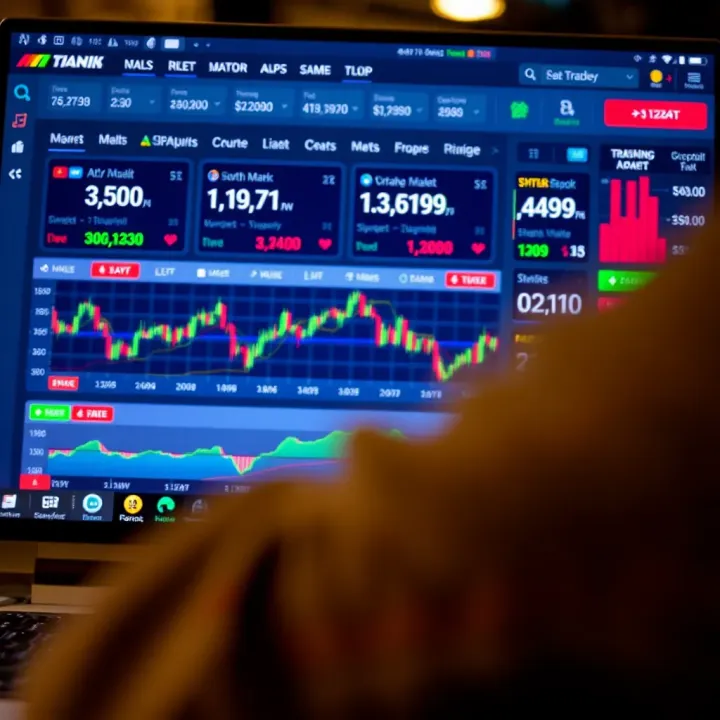
🔍 Find the best trading app in South Africa with our practical guide. Compare fees, security, and asset options to trade confidently. 📱💰

📊 Discover key insights into forex trading seminars in South Africa. Learn how to pick the right one and boost your trading skills effectively.

🔑 Dive into clear forex trading tips for beginners in South Africa! Learn to manage risks, analyse markets, and trade confidently for better profits. 📈
Based on 6 reviews